Let's be honest. When Xiaomi announced they were building a car, most people pictured a budget smartphone on wheels. A cheap EV to undercut the market. What they actually delivered with the SU7 Max is something else entirely. It's a direct, specs-sheet-slapping challenge to the Tesla Model S and Porsche Taycan. I've spent time with this car, looked past the hype, and I'm here to tell you where it genuinely shines and where you might want to tap the brakes.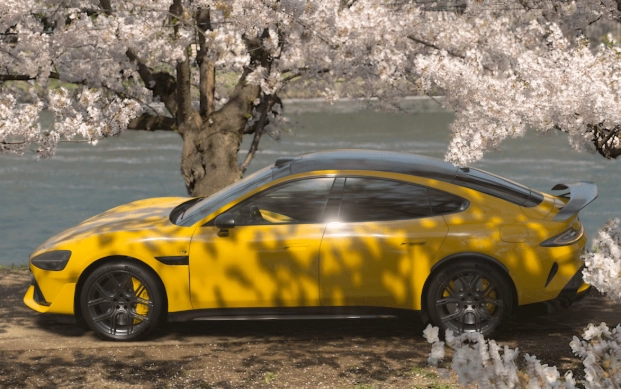
What's Inside This Review
What is the Xiaomi SU7 Max?
The SU7 Max is the flagship variant of Xiaomi's first electric vehicle. Forget the base model for a second. The Max is where Xiaomi threw everything at the wall. It's a four-door, five-seat electric sports sedan with a staggering 0-100 km/h claim of 2.78 seconds. Power comes from a dual-motor all-wheel-drive setup pumping out a combined 673 horsepower. The battery is a massive 101 kWh unit, promising over 800 km of range on the generous CLTC test cycle.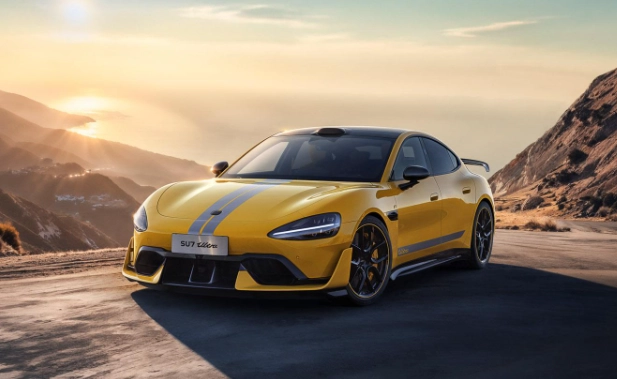
But it's not just a powertrain. Xiaomi's whole pitch is the integration of its HyperOS ecosystem. The idea is your phone, your smart home, and your car all speak the same language. It's a tech company's vision of a car, which brings unique advantages and a few potential headaches.
SU7 Max Performance: Beyond the Spec Sheet
That 2.78-second figure isn't just a number. Stomp the accelerator and the shove in your back is violent, linear, and utterly silent. It feels faster than a Tesla Model S Plaid off the line to me, partly because the Plaid's acceleration is so surreal it almost feels like a video game. The SU7 Max's thrust feels more mechanical, more physical.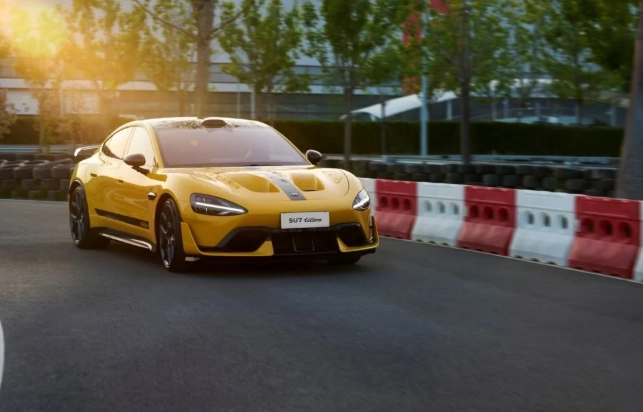
Where it gets really interesting is the handling. Xiaomi partnered with experts from Porsche's chassis tuning team. You can feel it. The steering is direct, with a nice weight buildup. The body control is excellent for a car of this size and weight. It's not a lightweight sports car—it's heavy—but it hides its mass well.
One subtle point most reviews miss: the brake feel. It uses Brembo calipers, but the transition between regenerative braking and physical friction braking is nearly seamless. Many EVs get this wrong, creating a mushy or inconsistent pedal. The SU7 Max nails it. It gives you confidence when driving hard.
The common mistake? People see the performance specs and assume it's just a straight-line dragster. They overlook the significant investment in chassis dynamics. This isn't a one-trick pony. It's a car that encourages you to find a winding road, not just a drag strip.
Real-World Range and Charging: The Big Question
CLTC says 800+ km. Real-world driving says something different. In mixed conditions—some city, some highway at 120 km/h—I saw a realistic range of 580-620 km. That's still fantastic. Turn on the air conditioning, have some fun with the performance, and you might see 550 km. In winter, expect a 20-25% drop. This aligns with data from real-world testing by outlets like Bjørn Nyland on YouTube, whose 1000 km challenge tests are a great resource for EV range realism.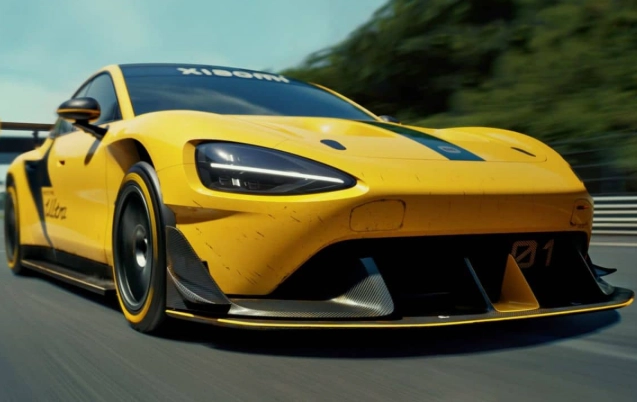
Charging is where specs meet infrastructure. The SU7 Max supports 800V architecture and can theoretically hit a peak of 485 kW. That means a 10-80% charge in about 15 minutes... if you find a charger that powerful.
| Scenario | Estimated Time (10-80%) | Notes |
|---|---|---|
| Ideal 480kW+ Charger | ~15 min | Rare, requires optimal battery temperature |
| Common 150-350kW Charger | ~25-35 min | What you'll likely experience most often |
| 100kW Fast Charger | ~40-45 min | Still reasonable for a road trip stop |
The catch? Xiaomi doesn't have its own charging network like Tesla's Superchargers or Nio's battery swap stations. You're reliant on third-party networks. In major Chinese cities, this is fine. For long cross-country trips in other regions, you'll need to plan using apps like PlugShare. This is the single biggest practical difference between the SU7 Max and a Tesla.
A Real Scenario: Shanghai to Hangzhou
Let's make it concrete. The drive from central Shanghai to West Lake in Hangzhou is about 180 km. In a SU7 Max, you'd start with a 90% charge showing maybe 650 km of estimated range. You'd drive there, explore the city, and drive back—360 km total. You'd get home with around 40% battery left, no charging needed. That's the peace of mind a big battery provides. Range anxiety just isn't a factor for most daily and regional trips.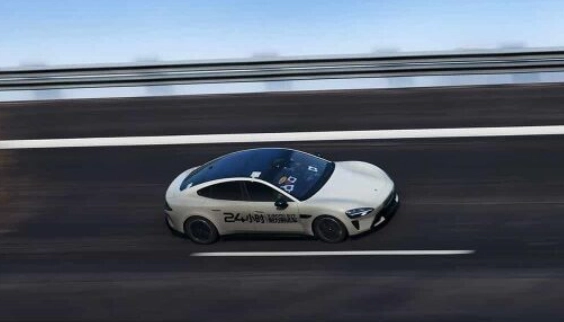
Living with HyperOS and the Tech Cabin
The interior is minimalist, almost to a fault. A large rotating screen dominates the landscape. The materials are good—soft-touch surfaces, optional Nappa leather—but it lacks the inherent warmth of a Porsche or the quirky personality of a Tesla. It feels like a very nice tech product.
HyperOS is the star. The screen is responsive, and the ability to seamlessly connect your Xiaomi phone is brilliant. You can start navigation on your phone and it jumps to the car as you get in. Your phone's apps can be pinned to the car's screen. It's the most cohesive phone-to-car integration I've used.
But there's a learning curve. The physical button count is low. Even the glovebox is opened via the screen or voice command. If the screen fails, you're stuck. Voice control is good for basic functions in Chinese, but its effectiveness in other languages is still developing. The driver assistance features (Xiaomi calls it Pilot) are competent on highways but remain a step behind Tesla's Full Self-Driving and GM's Super Cruise in terms of polished confidence.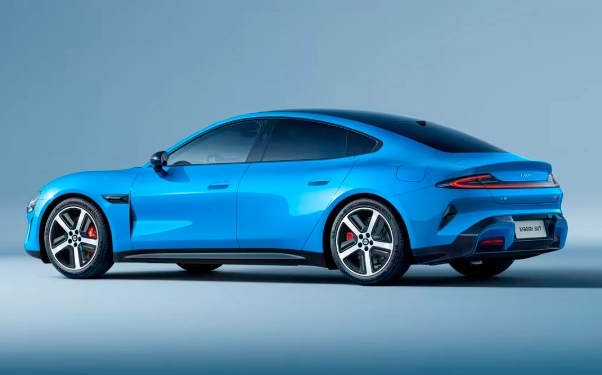
How It Stacks Up Against the Competition
You can't talk about the SU7 Max without comparing it directly. It's priced to embarrass its rivals.
- vs. Tesla Model S: The SU7 Max offers similar or better performance and range for significantly less money. The Model S has a more established brand, a global charging network, and possibly better resale value. The SU7 Max has a more modern tech interface and, subjectively, better interior materials at its price point.
- vs. Porsche Taycan: The Taycan is the driver's car. Its chassis tuning, steering feedback, and brand cachet are on another level. But the SU7 Max gets you 90% of the straight-line performance for half the price (or less). The Taycan feels special; the SU7 Max feels like a supremely capable tech gadget.
- vs. BYD Han: The Han is more of a luxury cruiser. It's softer, more focused on comfort. The SU7 Max is the sportier, sharper-driving alternative with a bigger focus on cutting-edge software integration.
Xiaomi's play is clear: offer Porsche-level specs at a Tesla-adjacent price.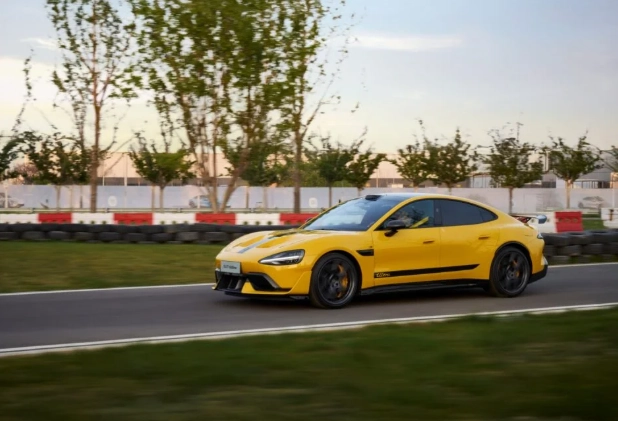
The Verdict: Should You Consider It?
The Xiaomi SU7 Max is a staggering first effort. It's not without flaws—the reliance on public charging, the unproven long-term reliability, the screen-dependent controls—but as a package, it's compelling.
Buy it if: You're a tech enthusiast who values seamless ecosystem integration, you want supercar performance on a budget, and your daily driving is within a robust public charging network (or you have home charging).
Think twice if: You regularly undertake long road trips through areas with sparse charging infrastructure, you prefer physical buttons and a traditional luxury feel, or you plan to sell the car in 3-4 years and are worried about resale value for a new brand.
Xiaomi hasn't just built a good first car. They've built a car that makes the established players look overpriced. That alone changes the game.