In This Guide
- Why Jump Starting Fails When the Starter is Bad
- Dead Battery vs. Bad Starter: How to Tell the Difference (The Diagnostic Guide)
- What If It's NOT the Starter? Other Causes of a No-Crank
- Okay, It's Probably the Starter. What Are Your Real Options?
- Common Questions (FAQs) That Go Beyond "Can I Jump It?"
- Final Verdict and Action Plan
Let's get the big question out of the way first, because I know that's why you're here, standing by your silent car with jumper cables in hand, hoping for a quick fix.
Can I jump a car with a bad starter? In almost every single case, the answer is a definitive no. If your car's starter motor is truly dead, faulty, or has given up the ghost, connecting it to another car's battery with jumper cables will do absolutely nothing to bring it back to life. It's like trying to start a television with a broken power button by plugging it into a different outlet—the electricity is there, but the mechanism to turn it on is busted.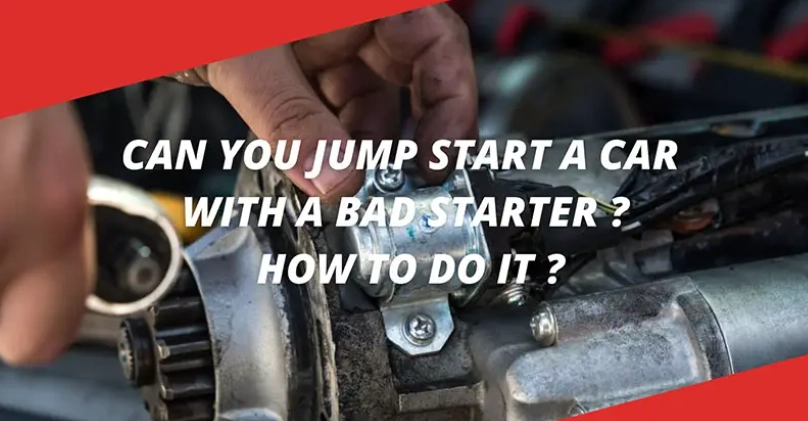
I learned this the hard way years ago. My old pickup truck just clicked one morning. A single, sad click. I was convinced the battery was dead. My neighbor came over, we hooked up the cables, let it charge for a good ten minutes... and still, just that one pathetic click. We were both confused. The lights were bright, the radio worked, but the engine wouldn't even try to turn over. That was my first real introduction to a failed starter motor. The jumper cables were useless.
So, if you're asking "can I jump a car with a bad starter?" hoping for a miracle, you're likely out of luck. But don't walk away just yet. The real value of this article isn't just that simple "no." It's in helping you figure out if your problem is actually a bad starter, or something else that a jump start can fix. It's about saving you time, frustration, and maybe a tow truck fee.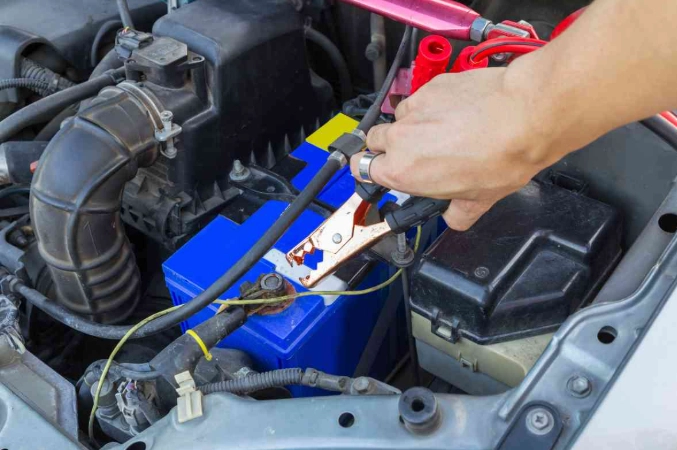
Why Jump Starting Fails When the Starter is Bad
To understand why jumper cables are futile, you need a basic picture of what happens when you turn your key. It's a chain reaction.
- You turn the key to "START."
- The battery sends a powerful burst of electricity to the starter solenoid (a heavy-duty switch attached to the starter).
- The solenoid engages, doing two things: it pushes the starter's drive gear (the pinion) to mesh with the teeth on the engine's flywheel, and it closes a massive internal contact to send the battery's full power to the starter motor itself.
- The starter motor spins violently, which turns the engine's flywheel, which begins the engine's combustion cycle.
- Once the engine starts and you release the key, the solenoid retracts the gear, and the starter disengages.
A "bad starter" can mean a failure at several points in this sequence. Maybe the electric motor inside is burned out. Perhaps the solenoid is stuck or its contacts are corroded. Maybe the drive gear is stripped. In any of these scenarios, the command from the ignition switch is received, but the starter physically cannot execute its job. Pouring more electrical power into a system with a broken mechanical component is pointless.
This is the fundamental reason why the search "can I jump a car with a bad starter" is so common—it's a last-ditch hope when the easy solution doesn't work. People naturally think "no start = dead battery," but that's not always true.
Dead Battery vs. Bad Starter: How to Tell the Difference (The Diagnostic Guide)
This is the most important part. Before you resign yourself to a costly starter replacement, you need to be reasonably sure that's the actual problem. Misdiagnosis here is super common and can cost you money for a part you don't need.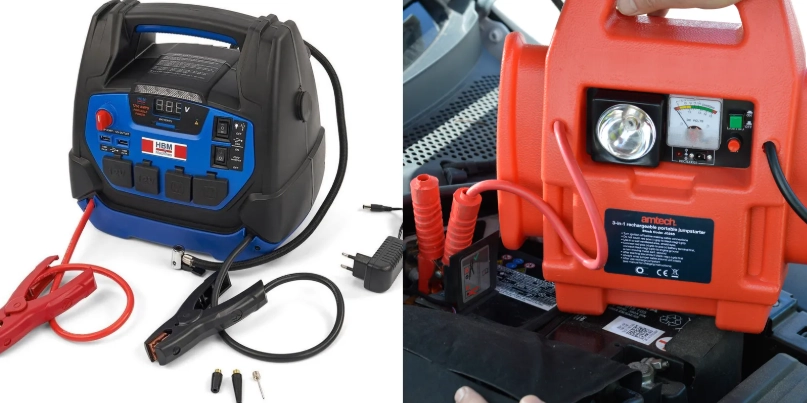
Here’s a breakdown of the classic symptoms. I’ve put it in a table because side-by-side comparison is the best way to see the contrast.
| Symptom | What It Feels/Sounds Like | Likely Culprit: Dead Battery | Likely Culprit: Bad Starter |
|---|---|---|---|
| The Sound When You Turn the Key | A rapid, frantic clicking or a single loud click. | Very High. Rapid clicking is the #1 sign of a battery without enough juice to engage the solenoid fully. | Possible. A single, solid *CLICK* (often heard clearly) can mean the solenoid is getting power but the motor isn't engaging. A burnt starter may make no sound at all. |
| Interior Lights & Dashboard | Brightness of dome lights, headlights, and dashboard indicators. | Very High. Lights are very dim or completely dead. Dashboard may not light up at all, or gauges may behave erratically. | Very Low. Lights and dashboard are typically bright and normal. The car has power, it just won't crank. |
| Engine Cranking | The sound of the engine trying to turn over. | High. If it cranks at all, it's slow, labored, and draggy ("ruh... ruh... ruh..."). Often progresses to just clicking. | Definitive. There is no cranking. Just a click or silence. The engine doesn't attempt to turn. |
| Response to Jump Start | What happens when you connect jumper cables properly. | Very High. The car starts normally or cranks vigorously after a few minutes of charging. This fixes the problem. | Very Low. Nothing changes. Still just a click or silence. This confirms the problem is not the battery. |
| Previous Issues | History leading up to the no-start. | Slow cranking for a few days. Lights dimming when trying to start. Car sat unused for a long time. | Intermittent starting issues—working one time, not the next. A grinding noise during start-up (worn gear). |
See the pattern? A dead battery shows a system-wide lack of power. A bad starter shows a localized mechanical failure in a system that otherwise has power.
Your Step-by-Step Diagnostic Checklist at the Curb
Okay, let's get practical. Your car won't start. Here’s exactly what to do, in order, before you even think about calling a tow truck or buying a starter.
- Listen and Observe: Turn the key to "ON" (not start). Do the dashboard lights, radio, and headlights come on brightly? If they're dead or super dim, your battery is likely flat. This is your first clue.
- The Key Turn Test: Now, turn the key all the way to "START." Close your eyes and just listen. What do you hear?
- Nothing at all, but lights are on: Could be a completely dead starter, a failed ignition switch, or a security system issue. Not great.
- A single, solid *CLICK* from under the hood: This is the classic bad starter/solenoid sound. The solenoid is engaging (that's the click) but the motor isn't spinning.
- Rapid clicking from the dashboard/relay area: Classic dead battery symptom. The solenoid is trying but failing to engage due to low voltage.
- A slow, groaning crank: Weak battery, or sometimes a starter beginning to fail under load.
- A loud, harsh grinding/metallic sound: This is a big one. The starter gear (pinion) is worn out and not meshing with the flywheel properly. This is a definite starter problem, and if ignored, it can destroy your engine's flywheel—a much more expensive repair. Stop trying to start it immediately.
- The Headlight Test: Turn on the headlights (low beams). Now, while they are on, have a friend turn the key to "START" or do it yourself and watch them. What happens to the lights?
- They go very dim or almost out when you crank: This indicates a massive voltage drop, meaning the battery is struggling to provide power. Points to a weak/dead battery or sometimes a starter that's drawing too much current (a "shorted" starter).
- They stay bright when you crank (but you just hear a click): The battery has voltage to spare. The problem is almost certainly the starter or its circuit (like a bad connection). This is a strong indicator that trying to jump start a car with a bad starter is a waste of time.
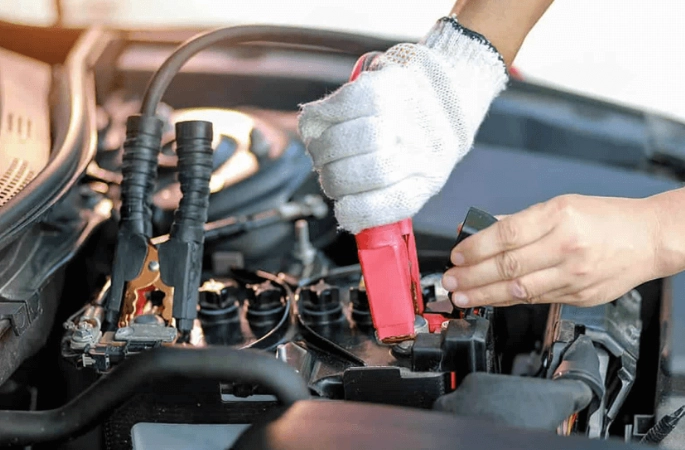
- The (Proper) Jump Start Attempt: If you have cables and a donor car, this is the ultimate test. Connect them correctly (positive to positive, negative to good ground on dead car). Let the donor car run for 5-7 minutes. Now try to start your car.
- If it starts: Hooray! Your problem was just a dead battery. Drive around to recharge it and get the battery tested later.
- If it does absolutely nothing different (still click or silent): You have your answer. The question "can I jump a car with a bad starter?" has been answered experimentally. It didn't work. The problem is elsewhere.
What If It's NOT the Starter? Other Causes of a No-Crank
Let's be thorough. A no-crank, no-start condition with good battery power isn't 100% guaranteed to be the starter motor. There are a few other players in the starting circuit. Ruling these out can save you from replacing a perfectly good starter.
- Battery Terminals and Cables: This is public enemy #1 for misdiagnosis. Corroded, loose, or dirty battery terminals can prevent massive current from reaching the starter, even if the battery itself is full. Check this first! Clean off any white/green crusty stuff and tighten the connections. Don't forget the ground cable where it connects to the engine or chassis—a bad ground causes all sorts of weird electrical issues.
- Ignition Switch: The switch behind the key cylinder can wear out. The electrical contacts inside get dirty or fail. You might turn the key and get nothing—no dash lights, no click, nada. Or sometimes, things might work intermittently. This can mimic a total starter failure.
- Starter Relay/Fuse: Most cars have a starter relay in the under-hood fuse box. This is a cheap, easy swap. Find your car's fuse diagram (in the owner's manual or on the fuse box lid), locate the starter relay, and swap it with an identical one (like the horn or A/C relay). If the car starts, you just fixed it for $10. Also, check for any blown fuses related to the starting system.
- Neutral Safety Switch (Automatics) / Clutch Switch (Manuals): These switches prevent the car from starting unless it's in "Park" or "Neutral" (automatic) or the clutch is depressed (manual). If they fail or get out of adjustment, the starter never gets the signal. Jiggling the shifter in an automatic or pressing the clutch pedal firmly a few times can sometimes be a temporary workaround.
- Security/Anti-Theft System: A glitch in your car's immobilizer system can prevent the starter from engaging. You'll usually see a flashing security light on the dash. Sometimes locking and unlocking the car with the key fob, or using the physical key in the door, can reset it.
Okay, It's Probably the Starter. What Are Your Real Options?
So your diagnostics point firmly to the starter. The jump start failed. The lights are bright. You get that one solid click. What now?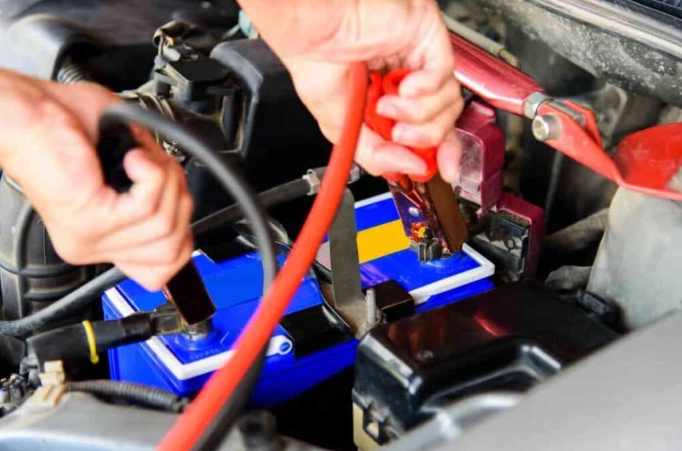
Option 1: The Professional Fix – Replace the Starter Motor
This is the most reliable, long-term solution. You're replacing the faulty component with a new or rebuilt one. It's not always a cheap job, as labor can be involved depending on the car's design (some starters are buried under intake manifolds, for example).
What to expect: A mechanic will test the starter circuit to confirm the diagnosis, then remove the old starter and install a new one. They'll also often test your battery and charging system to ensure a weak alternator didn't contribute to the starter's demise. For a reliable guide on what a professional replacement entails, you can refer to resources from the NAPA Auto Parts repair guides, which are a trusted industry source.
Honestly, unless you're very handy, this is the route I usually recommend for most people. Getting it wrong is a headache.
Option 2: The "Tap It" Temporary Fix (The Mechanics' Trick)
This is a famous, last-resort trick that sometimes works for a specific type of starter failure. If the problem is a stuck solenoid or worn brushes inside the starter motor, a sharp impact can temporarily free it up.
How to do it (safely):
- Locate the starter motor. It's a cylindrical component bolted to the engine, usually near where the engine and transmission meet.
- Have a helper turn the ignition key to "START" and hold it there.
- While they are holding the key, give the body of the starter motor (not the solenoid on top) a few firm taps with a hammer or the handle of a large wrench.
- If the car suddenly cranks and starts, you've confirmed a failing starter. Drive directly to a repair shop. It could fail again at any moment, leaving you stranded.
If the tap trick works, it's the final piece of evidence answering "can I jump a car with a bad starter?" with a resounding no, but also showing that the fault is internal to the starter unit itself.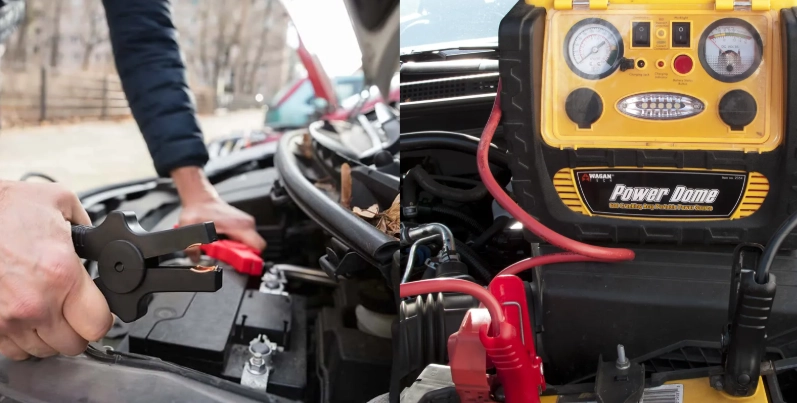
Option 3: Check and Clean the Starter Connections
Before you condemn the starter, there are two heavy-gauge wires connected to it: a large one from the battery (always hot) and a smaller one from the ignition switch (the "S" or "start" terminal). If these connections are corroded or loose at the starter end, they can prevent the starter from working, even with a good battery.
Disconnect the battery negative terminal first for safety. Then locate where these wires connect to the starter. Clean the terminal posts and the wire lugs with a wire brush. Reconnect them tightly. This 10-minute check has saved many people from an unnecessary starter replacement.
Common Questions (FAQs) That Go Beyond "Can I Jump It?"
Final Verdict and Action Plan
Let's wrap this up with a clear, actionable summary.
The core question, "Can I jump a car with a bad starter?" has a clear answer: No, you cannot. A jump start addresses a lack of electrical capacity. A bad starter is a mechanical or internal electrical failure. Providing more external capacity does not fix the internal fault.
- Don't panic and don't assume it's the starter. Start with the simple, free checks.
- Diagnose using the symptoms table and checklist above. Listen to the sounds, check the lights.
- Clean your battery terminals. It's free and solves more problems than you'd think.
- Perform a proper jump start attempt. This is the definitive field test. If it works, your battery was the issue. If nothing changes, you have ruled out a simple dead battery.
- If the jump fails, consider the other culprits (ignition switch, relay, safety switch) before declaring the starter dead.
- If all evidence points to the starter, decide on your solution: professional replacement (recommended), or attempt the tap trick only as a temporary measure to move the car.
I hope this guide has done more than just answer "can I jump a car with a bad starter?" I hope it's given you the confidence to diagnose the problem yourself, understand why the easy fix doesn't work, and make an informed decision about what to do next. Being stranded is stressful, but knowing what's wrong is the first step to getting back on the road.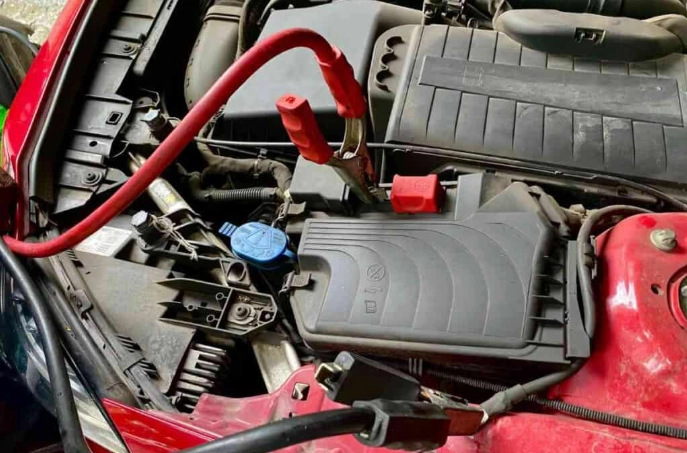
For further reading on vehicle electrical system maintenance and safety, the National Highway Traffic Safety Administration (NHTSA) offers general safety guidelines, though their focus is broader than specific repairs.