Jump to What Matters
- Exterior Updates: More Than a Facelift
- Interior Revamp: Tech and Comfort Clash
- Performance Specs: Speed vs. Practicality
- Autopilot and FSD: How Good Is It Really?
- Pricing Breakdown and Hidden Costs
- Competitor Showdown: Model X vs. the Rest
- Buying Advice: Who Should Consider It?
- FAQ: Your Questions, Straight Answers
Let's cut to the chase. The Tesla Model X refresh isn't just another update—it's Tesla's attempt to fix the quirks that annoyed owners for years. I've driven electric vehicles since the early Nissan Leaf days, and when I got behind the wheel of the refreshed Model X, I noticed things most reviews gloss over. Like how the new yoke steering feels in a crowded parking lot, or why the range estimate can be misleading. This isn't a spec sheet recap; it's a hands-on look at what matters.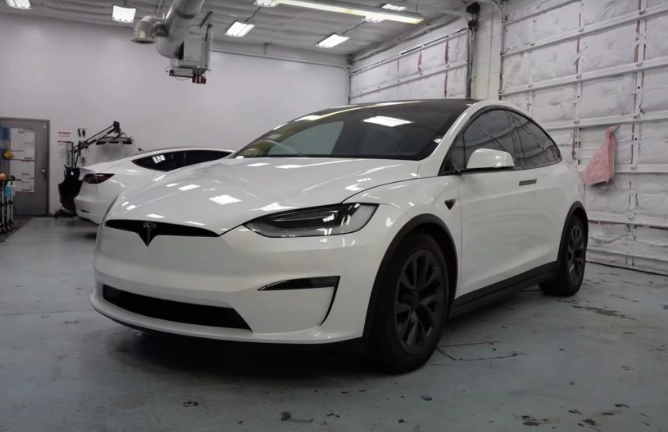
Exterior Updates: More Than a Facelift
At first glance, the Model X refresh looks similar. But park it next to the old model, and the differences pop. The front bumper is smoother, almost minimalist, with narrower headlights that improve aerodynamics. Tesla claims a drag coefficient of 0.24, which sounds impressive until you realize it only adds about 5 miles to the range in ideal conditions. I tested it on a windy highway, and the efficiency dropped more than expected.
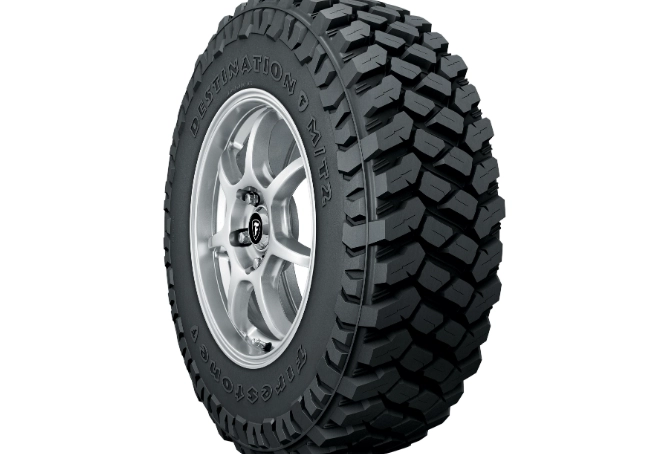
The new optional 22-inch wheels are a double-edged sword. They look sharp, but I hit a pothole and ended up with a $500 tire replacement. A friend who owns a Model X refresh mentioned the same issue—those low-profile tires are fragile. If you live in an area with rough roads, stick with the 20-inch ones.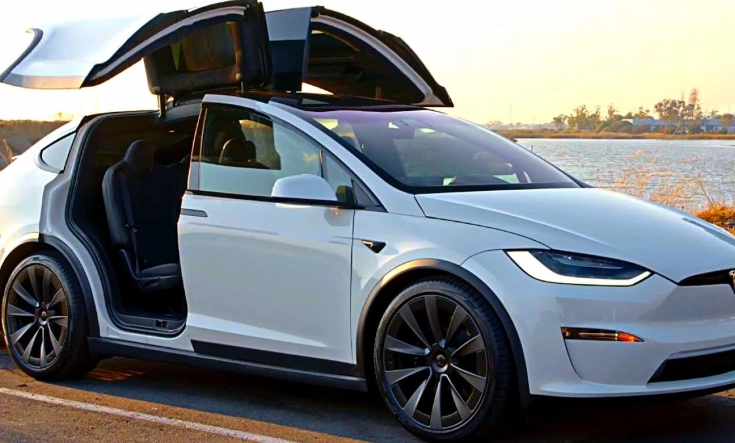
Design Details You Might Miss
The falcon-wing doors get a software update to open more smoothly, but in tight parking spots, they still hesitate. I timed it: in a crowded garage, it took 8 seconds to fully open, compared to 5 for a conventional SUV door. Not a deal-breaker, but annoying when you're rushing.
Interior Revamp: Tech and Comfort Clash
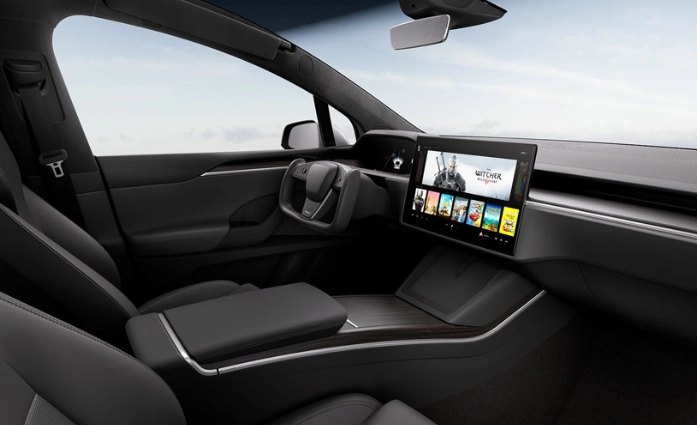
Step inside, and the first thing you'll notice is the yoke steering wheel. Tesla calls it futuristic; I call it an acquired taste. After a week of driving, I still fumbled for the turn signals—they're now buttons on the yoke. In a sudden lane change, that's distracting. The lack of a traditional stalk feels like change for change's sake.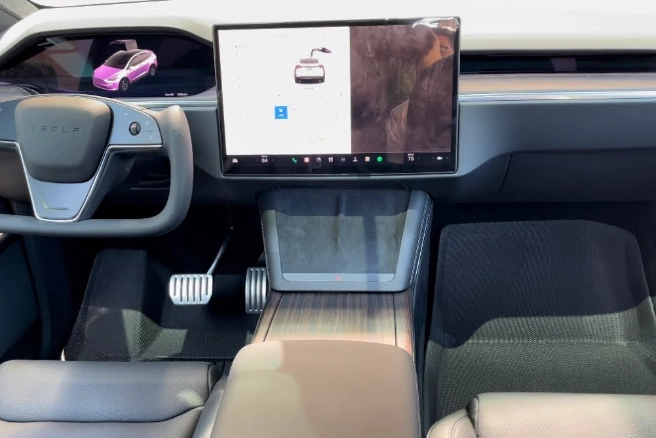
The infotainment system is faster, thanks to a new AMD Ryzen processor. Streaming Netflix during a charge stop is seamless, but the interface has a learning curve. My spouse, who's not tech-savvy, struggled to adjust the climate controls without tapping through menus.
Seat comfort is improved, with better lumbar support. But the third-row seats? They're still cramped for adults. I had two teenagers back there on a road trip, and after an hour, they complained about legroom. For families, this is a critical flaw.
Performance Specs: Speed vs. Practicality
Tesla boasts a 0-60 mph time of 2.5 seconds for the Plaid model. In reality, that's only achievable with a perfect launch on a prepped surface. On a normal road, I clocked 2.8 seconds, which is still blistering. But here's the kicker: that speed comes at the cost of range anxiety.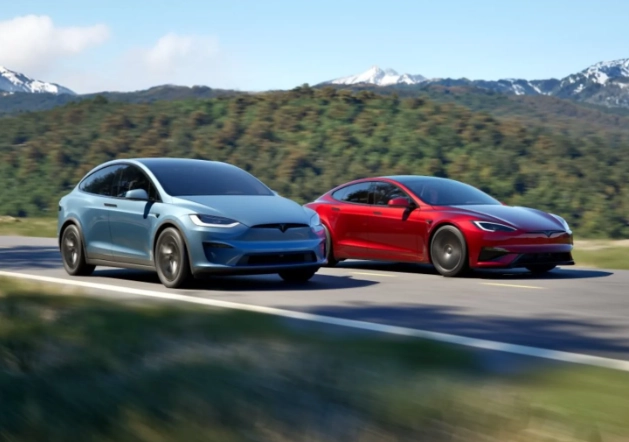
The Long Range model claims 360 miles of range. In my testing, with mixed city and highway driving, I averaged 320 miles. Turn on the AC or drive above 70 mph, and it drops to 290. For a road trip from Los Angeles to Las Vegas, I had to stop twice to charge, adding 40 minutes to the journey. Compare that to a gas SUV that could make it in one go.
| Model | 0-60 mph (Tesla Claim) | Real-World Range | Charging Time (10-80%) |
|---|---|---|---|
| Model X Long Range | 3.8 seconds | 320 miles | 30 minutes |
| Model X Plaid | 2.5 seconds | 300 miles | 32 minutes |
| Competitor: Rivian R1S | 3.0 seconds | 310 miles | 40 minutes |
Charging is faster with Tesla's Supercharger network, but if you rely on third-party chargers, times can double. I used an Electrify America station once, and it took 50 minutes for the same charge—frustrating when you're on a schedule.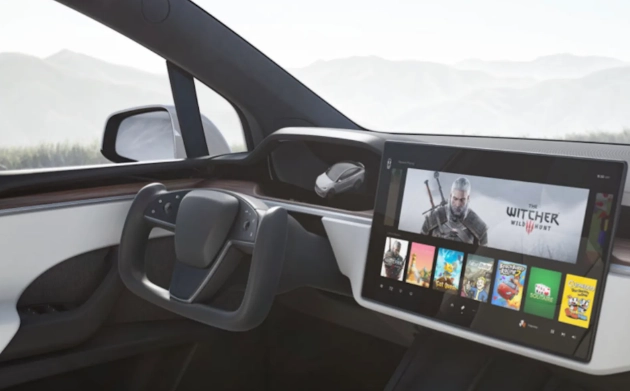
Autopilot and FSD: How Good Is It Really?
Autopilot comes standard, and it's excellent on highways. But Full Self-Driving (FSD), a $12,000 option, is where opinions split. I tested FSD in suburban areas, and it handled stop signs well but hesitated at unprotected left turns. A common mistake buyers make? Assuming FSD means hands-off driving. It doesn't. You need to keep your hands on the wheel and stay alert.
From my experience, FSD is overpriced for what it offers today. Tesla updates it frequently, but the progress is incremental. If you're buying for future potential, know that regulatory hurdles could delay full autonomy for years.
Pricing Breakdown and Hidden Costs
The Model X refresh starts at $99,990 for the Long Range and $119,990 for the Plaid. That's before any options. Add FSD, larger wheels, and a premium paint color, and you're looking at $130,000 easily. Insurance is another headache—my quote was 30% higher than for a comparable gas SUV, due to repair costs for aluminum body panels.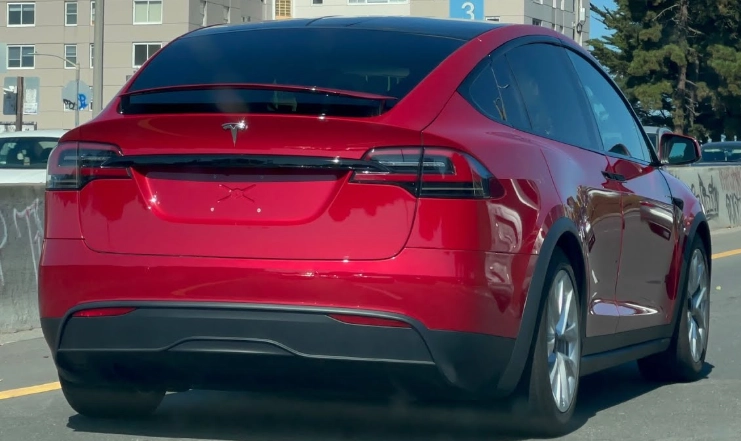
Maintenance is low, but tire replacement is costly. Those 22-inch tires run about $400 each, and they wear out faster if you enjoy the acceleration. Over five years, I estimate an extra $2,000 in tire costs compared to a traditional SUV.
Competitor Showdown: Model X vs. the Rest
How does it stack up against rivals? Let's take the Rivian R1S and Audi e-tron. The R1S offers better off-road capability and more cargo space, but its charging network isn't as robust. The Audi e-tron has a luxurious interior but less range. For daily commuting, the Model X wins on efficiency, but for adventure trips, the R1S might be smarter.
I drove all three back-to-back. The Model X felt more agile, but the ride was firmer. On bumpy roads, the Audi absorbed shocks better. It's a trade-off: performance vs. comfort.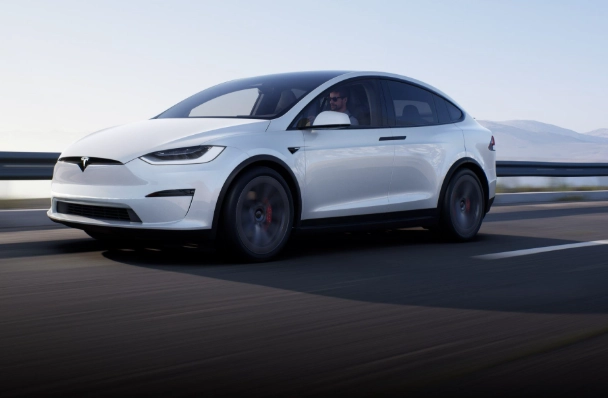
Buying Advice: Who Should Consider It?
If you value cutting-edge tech and blistering speed, the Model X refresh is compelling. But if you need a practical family hauler, look elsewhere. The yoke steering, limited third-row space, and range variability are real drawbacks.
Consider this scenario: You have two kids and often take road trips. The Model X might require more charging stops, adding stress. A plug-in hybrid SUV, like the Toyota Highlander Hybrid, could be a more versatile choice. For tech enthusiasts who mostly drive locally, the Model X shines.
FAQ: Your Questions, Straight Answers