Let's be honest. Most people think a turbocharger is just a magical box that makes a car go faster. You press the pedal, hear a whistle, and suddenly you're pinned to your seat. But there's a lot more going on, and understanding it can save you money, prevent headaches, and even make you appreciate the engineering in your driveway. I've seen too many enthusiasts treat their turbocharged car like a grenade waiting to explode, all because they missed a few key details.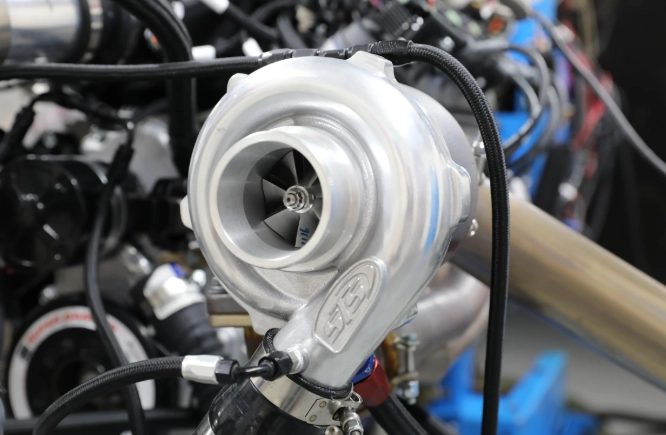
This guide cuts through the hype. We're not just talking about power. We're talking about physics, maintenance, and real-world ownership.
What You'll Learn in This Turbocharger Deep Dive
How Does a Turbocharger Actually Work?
Forget the complex diagrams for a second. Think of your engine as a giant air pump. It needs air to mix with fuel and burn. More air means a bigger bang, which means more power. A turbocharger is a forced induction device. It forces more air into the engine.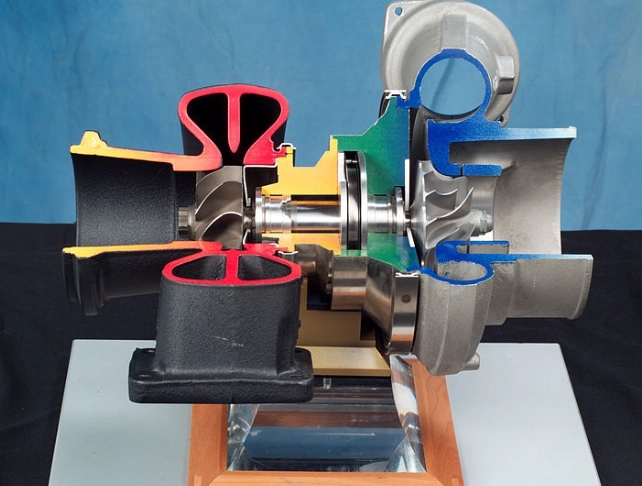
It does this by using a waste product: hot exhaust gas.
Here’s the simple sequence. Exhaust gases shoot out of the engine. These gases spin a turbine wheel, which is connected by a shaft to a compressor wheel on the other side. That compressor wheel sucks in fresh air, squeezes it (compresses it), and shoves it into the engine's intake. More dense air equals more oxygen, which means you can burn more fuel efficiently.
The key component everyone forgets is the intercooler. That compressed air gets hot. Hot air is less dense, which defeats the purpose. So, the air gets routed through an intercooler – basically a radiator for air – before entering the engine. This cools it down, making it denser and safer for the engine. Without an intercooler, you'd risk engine knock and lose a lot of that potential power.
The Critical Supporting Cast
A turbo doesn't work alone. It needs a team. The wastegate is a pressure relief valve. It decides how much boost pressure is allowed. Too much boost is a very bad thing. The blow-off valve (BOV) releases pressure when you suddenly close the throttle, preventing damage from "compressor surge" – that's often the whoosh sound you hear. And the oil feed line? That's the turbo's lifeblood, lubricating and cooling bearings spinning at over 100,000 RPM.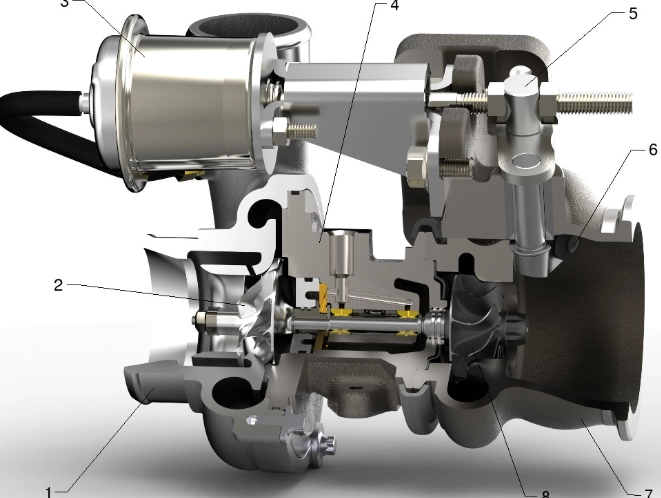
What Are the Real-World Benefits of Turbocharging?
It's not just about speed. The modern turbo's biggest win is efficiency. By using exhaust energy that would otherwise be wasted, it helps smaller engines perform like bigger ones. This is "downsizing." You get the power of a V6 with the fuel economy of a four-cylinder when you're just cruising.
Let's compare. This table shows why manufacturers love turbos.
| Engine Type | Power Output | Fuel Economy (Avg.) | Real-World Feel |
|---|---|---|---|
| 2.0L Naturally Aspirated | 150 hp | 28 mpg | Adequate, needs revving for power. |
| 1.5L Turbocharged | 180 hp | 32 mpg | Strong low-end torque, relaxed cruising. |
| 3.0L Naturally Aspirated (for similar power) | 185 hp | 22 mpg | Thirsty, heavier, higher emissions. |
See the difference? The turbo engine makes more power and uses less fuel. That's a win-win for performance and your wallet at the pump. The immediate torque low in the RPM range also makes daily driving feel more responsive. You don't have to rev the engine out to merge onto the highway.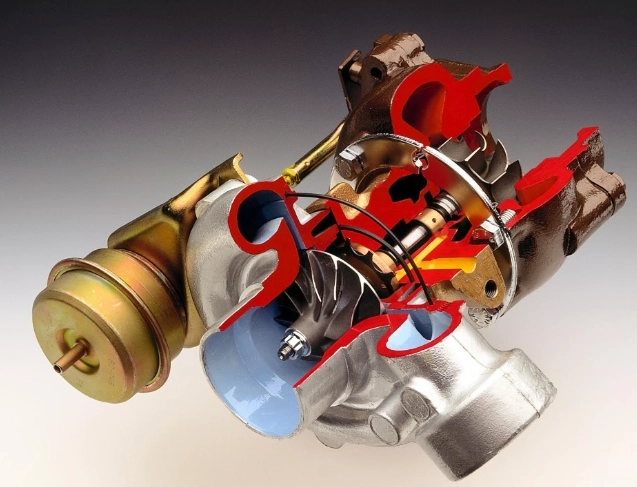
But it's not all sunshine. That efficiency comes with complexity and heat. Lots of heat.
What Are the Most Common Turbocharger Problems?
Turbo failures rarely happen out of the blue. They're usually the result of a neglected supporting system. Here are the big ones.
Oil Starvation: The Turbo Killer
The turbo's center shaft spins on a thin film of oil. Use the wrong oil, go too long between changes, or have a clogged oil feed line, and you get metal-on-metal contact. At 150,000 RPM, that means instant destruction. I've seen turbos fail within 500 miles of an oil change because a cheap filter collapsed internally. Never, ever cheap out on oil or filters for a turbocharged car.
Carbon Build-Up and Oil Coking
This is the silent killer. When you shut off a hot turbo, oil left in the center housing can "coke" or bake onto the surfaces due to residual heat. Over time, this builds up, restricts oil flow, and causes overheating and failure. The fix is simple: don't drive hard right before you turn the car off. Let it idle for 30-60 seconds after a hard drive. It's the cheapest insurance you can buy.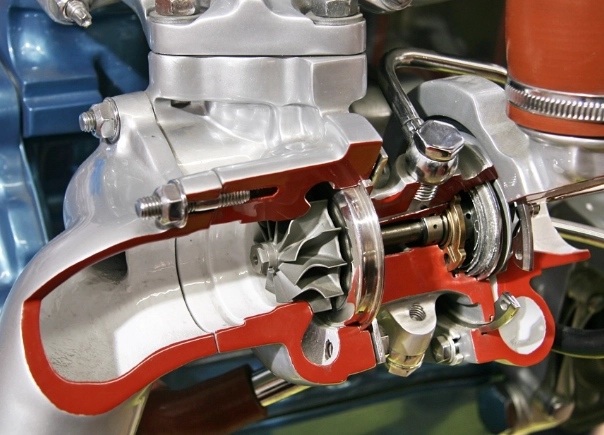
Boost Leaks and Overboost
Every turbo system has a target boost pressure. A leak in a hose or intercooler means the turbo has to work harder to try and hit that target, which can lead to overboost and engine damage. Overboost is when the turbo produces more pressure than the engine management system allows. A faulty wastegate or boost controller is usually to blame. Symptoms include a sudden lack of power, a check engine light, or in severe cases, a loud bang (that's your head gasket saying goodbye).
A Note on Turbo Lag
Let's demystify turbo lag. It's the delay between pressing the throttle and feeling the boost kick in. It's not a design flaw; it's physics. The turbine and shaft have to spin up. Modern turbos are much better, but you can't eliminate inertia completely. The real-world effect? In traffic, you might experience a slight hesitation before acceleration. It's why many performance cars now use smaller, twin-scroll, or even electrically-assisted turbos to minimize it.
Essential Turbocharger Maintenance Checklist
Treat your turbo right, and it will last the life of the car. Ignore these, and you're facing a four-figure repair bill.
- Oil is Everything: Use only the synthetic oil grade specified in your manual. Change it at the recommended interval, or even sooner if you drive hard. Consider this non-negotiable.
- Warm It Up, Cool It Down: Drive gently for the first few minutes after a cold start to let oil circulate. After spirited driving, let the engine idle for a short period before switching off to cool the turbo.
- Listen to Your Filter: A dirty air filter makes the turbo work harder. Replace it as scheduled.
- Watch for Smoke: Blue smoke from the exhaust is a classic sign of turbo oil seal failure. Don't ignore it.
- Mind the Gauges: Keep an eye on coolant temperature and oil pressure warnings. Overheating is a turbo's worst enemy.
The biggest mistake I see? People installing aftermarket tunes for more boost without upgrading supporting components like intercoolers or fuel pumps. The turbo might handle the extra pressure, but the increased heat and stress can cook other engine parts. Reliability suffers dramatically.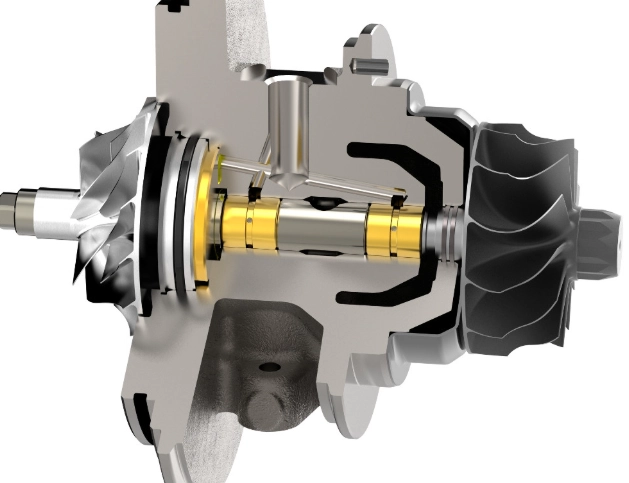
Your Turbocharger Questions Answered
How can I make my turbocharged engine last longer?
The two most critical habits are using high-quality, manufacturer-specified synthetic oil and changing it religiously. Turbo bearings spin at insane speeds and get extremely hot; dirty or thin oil is their number one killer. Secondly, adopt a gentle driving style for the first minute after a cold start and the last minute before shutting off. This allows oil to circulate and cool the turbo, preventing oil from coking inside the hot center housing.
Will a turbocharger destroy my engine's reliability?
Not inherently. Modern OEM turbo systems are engineered for longevity and often match the lifespan of the engine with proper care. The reputation for unreliability stems from older designs and aftermarket "tunes" that push components beyond their safe limits. The real risk isn't the turbo itself, but the added heat and stress on supporting systems like cooling and lubrication. Keep those in check, and reliability remains solid.
Is turbo lag still a big issue with new cars?
It's been massively reduced, but not eliminated. Engineers use tricks like twin-scroll housings, smaller "fast-spool" turbos, and electric turbo assist to minimize lag. However, there's still a fundamental physical delay compared to a large natural-aspirated engine or a supercharger. You feel it most when you stomp the pedal at very low RPM. The trade-off is that once spooled, a turbo is more efficient than a supercharger.
What's that loud whoosh or flutter noise after I let off the throttle?
You're likely hearing the blow-off valve (BOV) or compressor surge. The BOV is a good noise – it's a valve releasing boosted air when the throttle closes, protecting the turbo. The flutter or "turbo turkey" sound is compressor surge, where trapped air reverberates. A little surge on a stock car is usually fine, but pronounced, frequent fluttering on a modified car can indicate an undersized or faulty BOV and may stress the turbo over time.
Turbochargers have transformed from temperamental performance add-ons to reliable, everyday efficiency tools. They're in everything from compact hatchbacks to heavy-duty trucks. Respect the system, follow the simple maintenance rules, and you'll enjoy the benefits of extra power and better fuel economy for years to come. The key is understanding that the turbo is part of an ecosystem. Treat the whole ecosystem right, and the turbo will be just fine. It’s not magic. It’s just good engineering, backed by smart maintenance.