Quick Navigation
Let's be honest. The world of car wax is confusing. You walk into an auto parts store or browse online, and you're hit with a wall of options: paste, liquid, spray, ceramic, synthetic, natural. Every bottle claims to be the best car wax, promising unbeatable shine and legendary protection. How are you supposed to know what's marketing fluff and what actually works? I've been there, wasting money on products that were a pain to use or didn't last through a single car wash.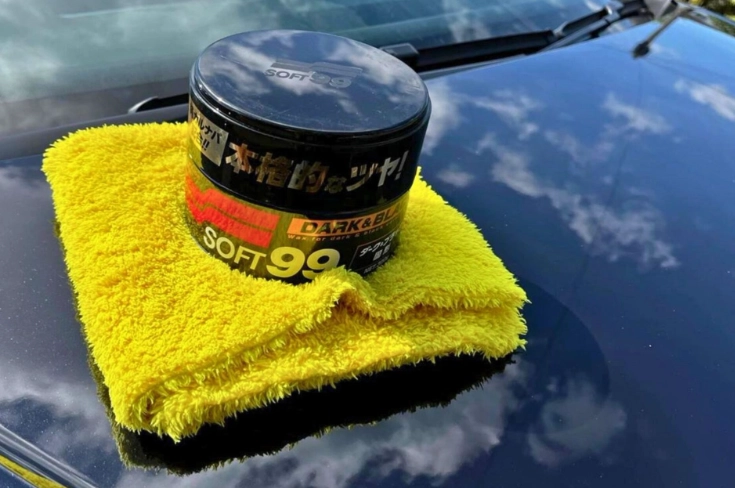
This guide is different. We're going to cut through the noise. I'm not here to sell you a specific brand. Instead, I want to give you the knowledge to make a smart choice yourself. We'll break down the different types of wax, what they actually do for your paint, and—most importantly—how to match the right product to your car, your lifestyle, and how much effort you're willing to put in. Finding the best car wax isn't about finding one magical product for everyone; it's about finding the best one for you.
Understanding the Different Types of Car Wax
Before we talk about specific products, you need to know what you're buying. The "best" wax for a show car that never sees rain is very different from the best wax for your daily driver that battles sun, salt, and highway grime every day.
The Classic Contender: Paste Wax
This is the old-school stuff. Think of a tin of hard wax you dig into with an applicator. Paste waxes, especially those with a high percentage of natural carnauba, are famous for delivering a deep, warm, liquid shine that's hard to beat. They make metallics pop and dark colors look like mirrors.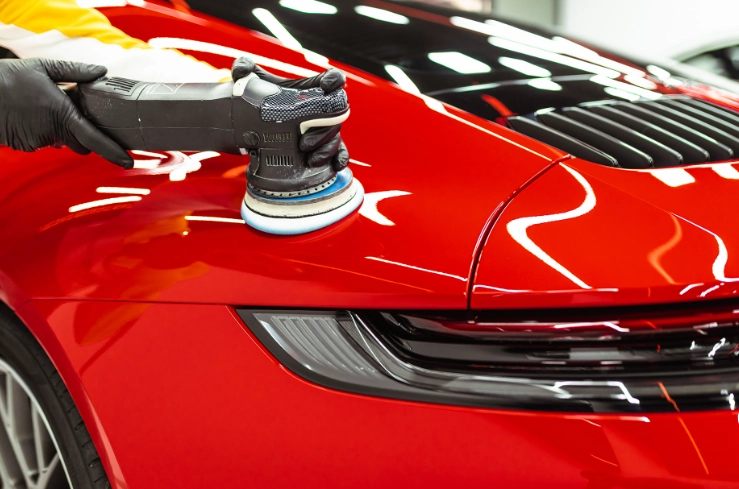
But there's a catch. They're usually the most labor-intensive. Applying them takes more time and elbow grease. The durability isn't always their strong suit either. A pure carnauba paste might only last 4-8 weeks, especially in harsh conditions. So, is a paste the best car wax? If your top priority is achieving that ultimate, jaw-dropping shine on a weekend cruiser and you don't mind applying it more often, then absolutely. For a daily driver you just want protected? Maybe not.
The All-Rounder: Liquid Wax
Liquid waxes are the popular middle ground. They come in bottles and are easier to spread than pastes. Most modern liquids are synthetic blends (polymer-based) or hybrids, meaning they mix synthetic sealants with natural waxes. This gives you a great balance: easier application than paste, better durability, and a very respectable shine.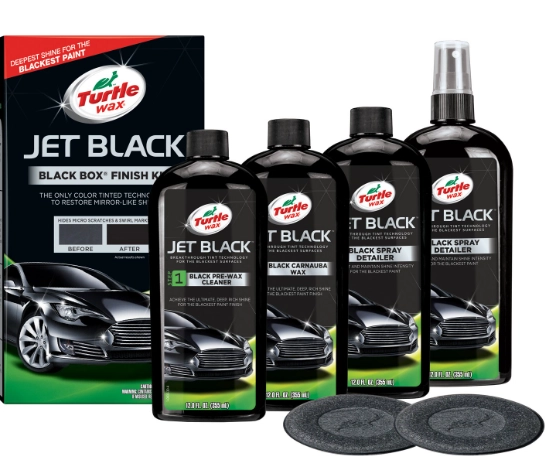
You'll often find the best car wax for most people falls into this category. It offers a fantastic compromise. The shine might be slightly more reflective and "crisp" compared to the warm glow of carnauba, but it lasts longer—often 3 to 6 months. They're less fussy about application technique too.
The Quick Fix: Spray Wax
Don't underestimate spray waxes. The good ones have come a long way. These are your heroes for maintenance. You use them on a clean, dry car to boost shine and add a little protection between your major wax jobs. Some newer "spray wax and sealants" are surprisingly durable and can even be used as a standalone product on a well-prepped surface.
Their huge advantage is speed. You can do your whole car in 15 minutes. Is a spray the absolute best car wax for primary protection? Usually not for long-term defence. But as a tool in your arsenal to keep your car looking sharp with minimal effort, they're unbeatable. I keep a bottle in my garage for quick touch-ups after a wash.
The Modern Heavyweight: Ceramic Wax & Hybrid Coatings
This is the hot topic. "Ceramic" has become a buzzword. We're not talking about professional-grade ceramic coatings that need installation by a pro. We're talking about consumer-grade ceramic-infused sprays, liquids, and pastes. These products use silicon dioxide (SiO2) and other polymers to create a super slick, hard layer on your paint.
The benefits are huge: insane durability (6-12 months for good ones), incredible water beading and sheeting, and strong resistance to contaminants like bird droppings and tree sap. The shine is typically very glossy and reflective. The downside? They often require more careful preparation of the paint first, and they can be trickier to apply evenly without leaving high spots. They also tend to be pricier.
Pro Tip: A "hybrid" wax usually combines traditional wax/synthetic polymers with a small amount of ceramic ingredients. It's a great way to step into the world of ceramic benefits without the strict application process of a full ceramic coating.
The Natural Choice: Pure Carnauba Wax
We touched on this with pastes, but carnauba (from a Brazilian palm tree) deserves its own mention. It's the gold standard for warmth and depth of shine. In its pure form, it's not the most durable or hardest, but many enthusiasts swear by it for that reason—it looks organic and rich. It's often blended with other waxes and polymers to improve its practicality. If you love the ritual of waxing and prize looks above all else, a high-grade carnauba is a strong contender for the best car wax for your soul, if not always for your schedule.
How to Choose the Best Car Wax for Your Needs
Okay, so you know the types. Now, how do you pick? Stop thinking about brands for a second. Ask yourself these questions first.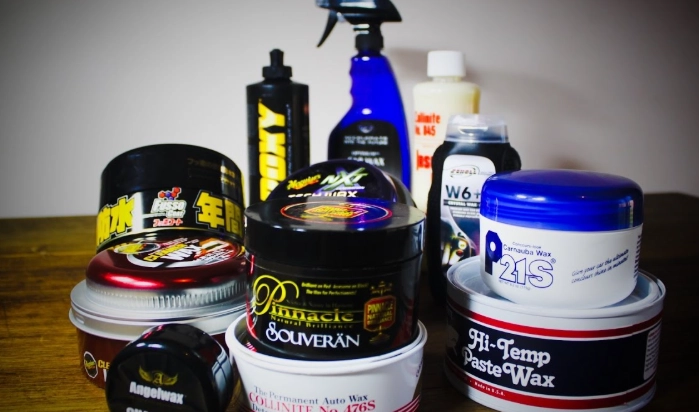
Your Car's Life: Is it a garage-kept weekend toy or a daily commuter? Daily drivers need durability above all else. Show cars can prioritize pure shine.
Your Climate: Blazing sun, acid rain, road salt, constant humidity? Harsh climates demand a tough, long-lasting wax like a synthetic or ceramic hybrid.
Your Paint Color: This matters more than you think. Dark colors (black, navy, dark red) benefit massively from the deep, wet look of carnauba-based waxes. Light colors (white, silver, grey) show off the crisp, reflective shine of synthetics and ceramics brilliantly. Metallic flakes pop under both, but ceramics can make them look almost electrified.
Your Patience & Skill Level: Be real with yourself. If you hate spending hours on your car, a paste wax will feel like a punishment. A spray wax or an easy-apply liquid will keep you consistent, and consistency is better than a perfect product you never use.
Your Budget: You can spend $15 or $150. A mid-range synthetic liquid wax ($25-$40) often offers 95% of the performance of the ultra-expensive stuff. Diminishing returns are real here.
See? The best car wax for your neighbor's black Corvette might be a terrible choice for your white SUV that hauls kids and groceries.
Let me put it this way.
If you want the easiest possible good protection: Go for a high-quality spray wax or sealant. Use it every few months.
If you want the best balance of shine, durability, and ease: A synthetic or hybrid liquid wax is your sweet spot. This is probably the true "best all-around car wax" category for most people.
If you want maximum, set-it-and-forget-it protection: A consumer ceramic spray or hybrid coating is worth the extra prep and cost.
If you want the pinnacle of beauty for a special car: A premium carnauba paste will give you that unbeatable, soul-satisfying glow.
Breaking It Down: A Quick Comparison Table
| Wax Type | Best For | Durability | Ease of Use | Shine Character |
|---|---|---|---|---|
| Paste (Carnauba) | Show cars, dark colors, enthusiasts who love the process. | 1-3 Months | Difficult (Time-consuming) | Deep, Warm, "Wet" Look |
| Synthetic Liquid | Daily drivers, all climates, great all-rounder. | 3-6 Months | Easy to Moderate | Bright, Reflective, Crisp |
| Spray Wax/Sealant | Quick maintenance, boosting shine, low-effort protection. | 1-3 Months (as topper) | Very Easy | Good Gloss |
| Ceramic Hybrid | Max durability, harsh climates, water beading fans. | 6-12+ Months | Moderate to Difficult (needs prep) | Extremely Glossy, Slick |
The Application Process: Getting the Best Results
Even the best car wax in the world will fail if you apply it wrong. Here's the real-world process, not the perfect-world fantasy you see in ads.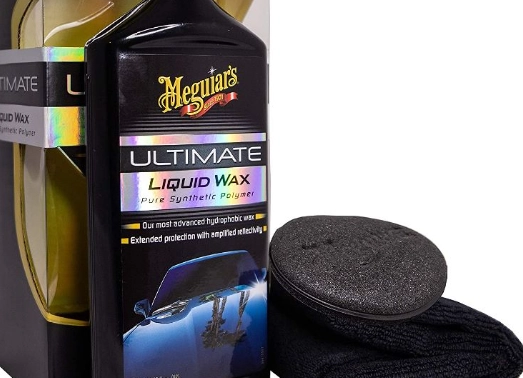
Step 1: The Non-Negotiable – Perfectly Clean Paint
Wax locks in whatever is on the paint. If you wax over dirt, you're sealing in dirt. If you wax over old, broken-down wax, the new wax can't bond properly. Your first job is a proper wash. Two buckets, grit guards, good car shampoo – the works. Dry it thoroughly with clean microfiber towels.
Critical Step – Decontamination: Washing removes loose dirt. But bonded contaminants like industrial fallout (those tiny rust spots) or tree sap need to be removed. This is where a clay bar or a synthetic clay towel comes in. You lubricate the paint and gently glide the clay over it. You'll feel it grab the gunk. It makes the paint feel smooth as glass. I skipped this once, and the wax just didn't look right. The surface felt rough. Don't skip it if you want a flawless finish.
Step 2: The Foundation (Optional but Game-Changing)
Think of this like primer before paint. If you're using a high-end wax, especially a ceramic hybrid, applying it to a perfectly clean and polished surface makes a monumental difference. A polish, even a light one, removes minor swirl marks and oxidation, revealing fresh, clear paint underneath. Your wax will look brighter and last longer because it's bonding to perfect paint, not a scratched-up surface. For a regular maintenance wax, you can sometimes skip this if your paint is in good shape. But for that "best ever" result? Do it.
Step 3: Applying the Wax – Less is More
This is the biggest mistake people make. They slather it on thick, thinking more wax equals more protection. Wrong. A thin, even coat is the secret. For paste and liquid waxes, apply a small dab to an applicator pad (foam or microfiber). Work in small sections—maybe one panel or half the hood at a time. Spread it in thin, overlapping circles. You should barely see a haze. If it looks thick and greasy, you've used way too much. You're just creating more work for yourself buffing it off later, and it can cure unevenly.
For spray waxes, mist it onto the panel or onto your towel first, then wipe on evenly. Ceramic sprays have specific instructions—often spray on, spread immediately with one towel, then flip to a dry side of a second towel to level and buff. Read the bottle!
Step 4: Buffing to Perfection
Let the wax haze. The bottle will say how long (usually 5-20 minutes). It should look dull and chalky. Now, take a clean, soft, premium microfiber towel and gently wipe it off. Flip the towel often to a clean area. Use a light touch. If you're grinding your arm, the wax isn't ready, or you applied it too thick. For pastes, you might need two towels—one for the initial removal, one for a final buff to a high shine.
The moment you see that shine appear as you buff… that's the magic. That's what makes all the work worth it.
Maintaining That Showroom Shine
You've found and applied your best car wax. Now, how do you make it last?
Your washing technique is everything. Never use dish soap—it strips wax. Use a proper car wash shampoo that's pH-neutral and designed to be gentle on wax and sealants. The two-bucket method with grit guards is your best defence against swirl marks, which are the enemy of any great shine.
After washing, consider using a spray wax or a "detail spray" as a drying aid. As you dry the car with your towel, mist a little on each panel. It adds a tiny layer of protection and shine boost, extending the life of your base coat.
How do you know when it's time to re-wax? The water test is simple. Spray clean water on your hood. If it beads up into tight, round balls, your wax is still working. If it sheets off in large patches or just sits there flat, the protection is gone. For ceramic coatings, the sheeting action (water sliding off in sheets) is the sign it's still active.
Common Car Wax Questions Answered
Let's tackle the stuff people really search for.
Final Thought: The journey to find the best car wax is personal. Don't get paralyzed by choice. Pick a type that fits your life from the guide above, choose a well-reviewed product in that category, and try it. The experience you gain from using it will teach you more than any article ever could. You might discover you love the meditative process of a paste, or you might fall in love with the efficiency of a ceramic spray. Your perfect match is out there.
So, get out there. Wash your car properly, spend an afternoon with it, and give it the protection it deserves. That feeling when you run your hand over the slick, glossy finish you created yourself? That's the real reward. And when someone asks, "What's the best car wax?" you'll be able to tell them it depends, and you'll know exactly why.