I've been tracking electric vehicles news for over a decade, and let me tell you—it's easy to get lost in the hype. Every week, there's a new headline about some "revolutionary" battery or a flashy concept car. But what actually matters for you, whether you're thinking about buying an EV or just staying informed? That's what we're diving into here. Forget the fluff; we're focusing on updates that impact your wallet, your driving experience, and the future of transportation. From policy twists to tech that's actually hitting the roads, this is your no-nonsense guide to the EV world right now.
Jump to What Interests You
The Big Stories in Electric Vehicles News: What's Actually Happening
Okay, let's get concrete. Electric vehicles news isn't just about Tesla anymore—though they still dominate headlines. In the past few months, I've seen three major shifts that anyone following this space needs to know.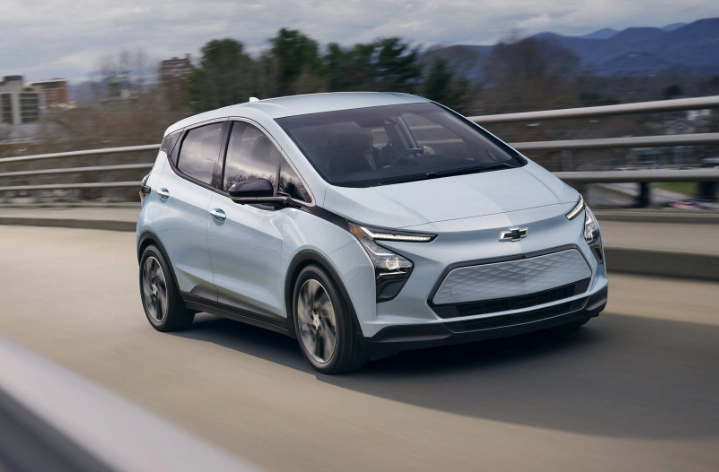
New Models That Are More Than Just Hype
Remember when EVs were either luxury sedans or quirky compacts? Not anymore. Take the Ford F-150 Lightning. When it launched, skeptics said electric trucks wouldn't sell. Fast forward to now: Ford's struggling to keep up with demand, and competitors like Rivian are pushing the envelope with off-road capabilities. I test-drove one last month, and the instant torque is insane—but what surprised me was the practicality. The frunk (front trunk) adds so much storage; it's a small detail that changes daily use.
Then there's the Hyundai Ioniq 6. It's not just another sedan; its aerodynamics give it a range boost that makes long trips less stressful. I talked to a friend who owns one, and he mentioned charging stops are shorter than he expected. That's the kind of real-world detail most news sites gloss over.
Battery Breakthroughs: Separating Fact from Fiction
Solid-state batteries. You've probably seen the term in electric vehicles news. Companies like Toyota promise they'll double range and cut charging times. But here's the catch: most experts I've spoken to say mass production is still years away. Instead, look at what's happening now. Lithium-ion tech is improving incrementally—CATL, a Chinese battery giant, recently announced a cell that charges from 10% to 80% in 10 minutes. That's huge for road trips.
I recall a report from BloombergNEF that highlighted how battery costs have dropped 89% since 2010. That's why cheaper EVs are emerging, like the Chevrolet Bolt. It's not sexy, but for city driving, it's a solid choice. News often misses these gradual wins in favor of flashy announcements.
Policy Changes That Affect Your Wallet
Government incentives are a mess right now. In the U.S., the Inflation Reduction Act tweaked tax credits, making some EVs eligible and others not. For example, if you're eyeing a Tesla Model 3, check the battery sourcing rules—they can change monthly. I helped a neighbor navigate this last week; he almost bought a car that wouldn't qualify for the $7,500 credit because he didn't dig into the fine print.
Europe's pushing hard with emission standards, forcing automakers to electrify faster. But it's not all smooth sailing. Some countries are cutting subsidies, which could slow adoption. Staying on top of electric vehicles news means watching these policy rollercoasters.
How EV News Should Shape Your Car Purchase: A Practical Guide
You're reading electric vehicles news because you might buy one, right? Here's how to use those updates without getting paralyzed by choice.
First, ignore the "next big thing" syndrome. I've seen people wait years for a perfect EV that never arrives. Instead, focus on what's available now that fits your life. Let's break it down with a scenario.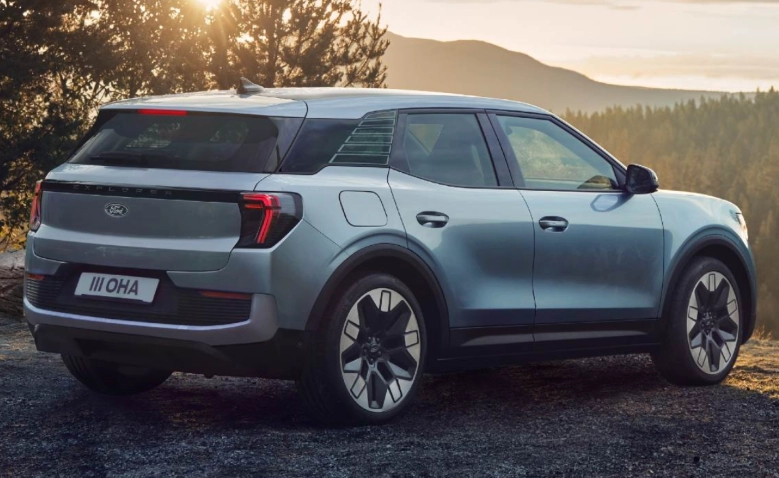
Case Study: Sarah's EV Decision
Sarah commutes 50 miles daily, has a home garage, and occasionally drives 200 miles to visit family. She read about new models with 400-mile ranges but felt overwhelmed. We looked at her actual needs: a car with 250+ miles of range, access to fast chargers on her route, and a price under $40,000. News about the Nissan Ariya's launch caught her eye—it hit those marks. She bought it last month and saved $5,000 with a state incentive she learned from a local news blog. The key? She filtered news for practical details, not just specs.
Using News to Compare Real Options
Don't just read headlines; dive into reviews from sources like Consumer Reports or Edmunds. When the Kia EV6 got praised for its charging speed, I checked real-world tests. It averages 18 minutes for a 10-80% charge at a 350kW station. That's a game-changer for trips. Here's a quick table of recent models that stand out in electric vehicles news for specific reasons:
| Model | Key News Highlight | Why It Matters | Estimated Price |
|---|---|---|---|
| Tesla Model Y | Price cuts in 2024 | More affordable for families; supercharger network access | $45,000 |
| Rivian R1S | Off-road capability updates | Great for adventure seekers; practical storage | $80,000 |
| Chevrolet Equinox EV | Upcoming launch with 300-mile range | Budget-friendly SUV option; expected late 2024 | $30,000 (est.) |
| BMW i4 | Performance version released | Luxury feel with sporty drive; longer range than earlier models | $55,000 |
Notice how each has a distinct angle? That's what to look for—news that ties to your priorities, whether it's cost, range, or lifestyle.
The Charging Infrastructure Update Everyone Misses
Electric vehicles news loves talking about new cars, but charging is half the battle. Recently, companies like Electrify America expanded networks, but reliability is spotty. I've been stranded at a broken charger once—it sucks. News should cover this more. For example, Tesla opening its Superchargers to other brands is a big deal; it means more options for non-Tesla owners. Check local maps via PlugShare before you buy; a news snippet about a new station near your work could sway your decision.
Common Pitfalls When Reading EV Updates: An Expert's Take
After years in this space, I've noticed patterns. People get tripped up by the same things in electric vehicles news. Let's clear the air.
One huge mistake: assuming all range estimates are equal. EPA numbers are based on lab tests, not real driving. If you see a headline like "New EV Hits 350 Miles," remember that cold weather or highway speeds can slash that by 20%. I learned this the hard way on a winter road trip—my car's display showed 200 miles, but I barely made it 150. News outlets rarely emphasize this enough.
Another pitfall is overhyping autonomy. Every other article seems to promise self-driving EVs around the corner. Truth is, most systems today are advanced driver-assist, not full autonomy. Tesla's Autopilot updates make news, but they require constant supervision. I've tested it; it's helpful on highways but far from perfect. Don't buy a car based on futuristic claims; focus on what it does now.
Lastly, there's the environmental angle. Electric vehicles news often glosses over battery recycling. Yes, EVs cut tailpipe emissions, but mining lithium has impacts. Companies like Redwood Materials are making strides, but it's a slow process. As a buyer, consider brands with take-back programs—it's a small step that news should highlight more.
Your Electric Vehicles News Questions Answered
Wrapping up, electric vehicles news is a tool, not a gospel. Use it to stay informed, but always tie updates to your personal context. Whether it's a policy shift or a new model launch, ask: "Does this change anything for me?" That mindset cuts through the noise and leads to smarter decisions. Keep an eye on trusted sources, test drive when you can, and remember—the best news is what helps you drive happier.