Quick Guide
- Finding Your Go-To Auto Repair Shop: It's More Than Just Proximity
- Decoding the Estimate: Understanding What You're Paying For
- The Questions You Absolutely Must Ask Your Mechanic
- Your Auto Repair FAQ: Answering the Real-World Questions
- The Ultimate Preventative Maintenance Checklist: Your Best Defense
- When Things Go Wrong: Navigating Disputes and Getting a Second Opinion
- Building the Relationship: It's a Two-Way Street
Let's talk about car trouble. That sinking feeling when you hear a new noise, see a warning light, or worse, your car just won't start. It’s universal. Suddenly, you're thrust into the world of auto repair, a place that can feel confusing, expensive, and frankly, a bit intimidating if you're not a gearhead.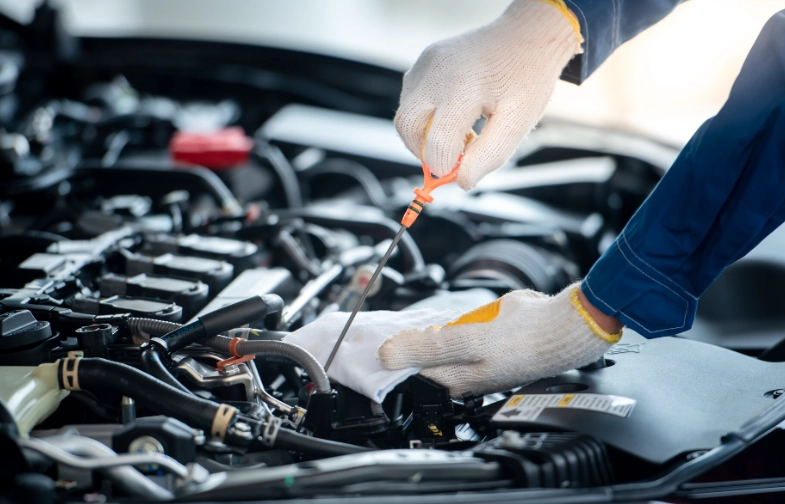
I've been there. I remember the first time my old sedan needed brake work. I got quotes that varied by hundreds of dollars for what sounded like the same job. Who was right? Who was trying to pull a fast one? It was a frustrating lesson in finding trustworthy auto repair.
This guide is the one I wish I'd had. We're going to strip away the mystery and the fear. We’ll walk through the entire process, from that first moment of panic to picking up your smoothly running car, without feeling ripped off. It’s not about becoming a mechanic yourself (unless you want to!). It’s about becoming a smart, informed customer who can navigate the auto repair shop with confidence.
Finding Your Go-To Auto Repair Shop: It's More Than Just Proximity
Typing "auto repair near me" into Google is the obvious first step for most of us. But the closest shop isn't always the best. Choosing a mechanic is one of the most important decisions you'll make as a car owner. Get it right, and you have a partner for your vehicle's life. Get it wrong, and it's a recipe for stress.
So, where do you start looking? Word-of-mouth is still king. Ask friends, family, and coworkers where they go. Pay special attention to people who have owned their cars for a long time—a loyal customer is a good sign. Next, leverage online resources. Sites like the American Automobile Association (AAA) have approved auto repair facility locators if you're a member. The National Institute for Automotive Service Excellence (ASE) website lets you search for shops that employ certified technicians.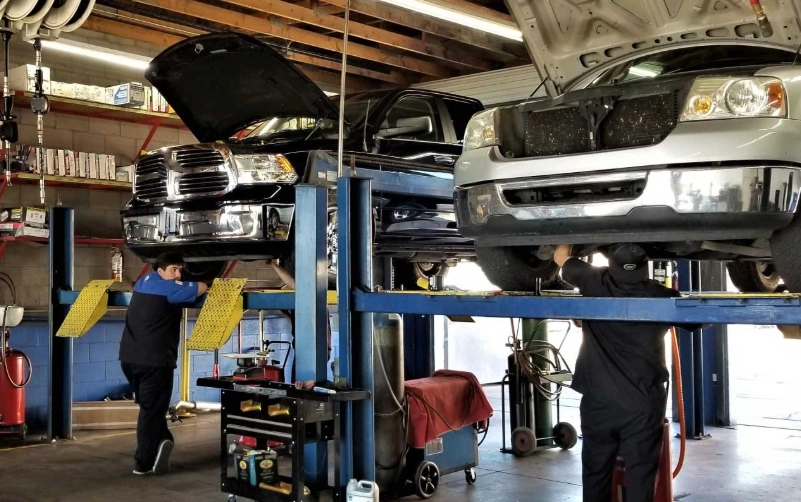
Reading online reviews is an art. Don't just look at the star rating. Read the details. Look for patterns. Are multiple people praising the shop's communication or complaining about upsells? A single bad review might be an outlier, but a pattern tells a story.
Here’s a quick checklist of what to look for when you’ve narrowed down a few potential auto repair shops:
- Certifications: Look for ASE Blue Seal of Excellence recognition or manufacturer-specific certifications, especially if you drive a European or luxury brand.
- Warranty: A shop that stands behind its work will offer a solid warranty on both parts and labor. 12 months/12,000 miles is a common benchmark.
- Cleanliness & Organization: It sounds simple, but a tidy waiting area and organized shop floor often reflect a pride in workmanship and attention to detail.
- Communication: Are they easy to get on the phone? Do they explain things clearly without talking down to you?
The Red Flags You Should Never Ignore
Just as important as the green lights are the warning signs. Some shops operate on fear and confusion. Here are a few deal-breakers: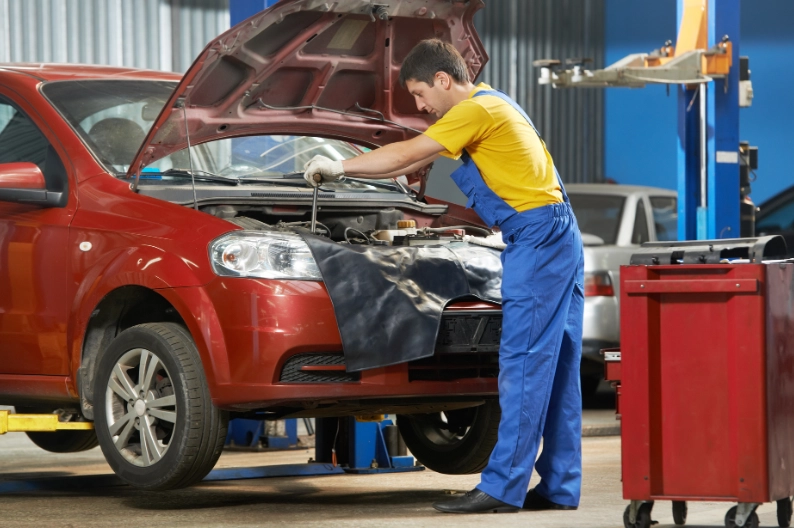
A mechanic who refuses to show you the problem. This is a major one. A trustworthy auto repair technician will be happy to bring you to the bay, point out the worn part, and explain why it needs replacing. If they say "just trust me," walk away.
Vague estimates. An estimate should be detailed, listing parts, part numbers, labor hours, and the total cost. A number scribbled on a napkin is unacceptable.
Pressure to authorize unnecessary work. Be wary of the "while we're in there" list that suddenly appears and doubles the bill, especially if you didn't mention any other issues.
Decoding the Estimate: Understanding What You're Paying For
You've found a promising shop, dropped off your car, and now you have the estimate. It can look like a foreign language. Let's break down a typical auto repair estimate so you know exactly what each line item means.
An estimate has two main components: Parts and Labor.
Parts: This is the cost of the physical components. Shops typically mark up parts from their wholesale cost. A fair markup covers their inventory costs and guarantees the part. Be wary of exorbitant markups. You can always ask if they can use quality aftermarket parts (like those from reputable brands) instead of more expensive OEM (Original Equipment Manufacturer) parts for non-critical repairs. For major components like engines or transmissions, knowing the source (new, remanufactured, used) is crucial.
Labor: This is the shop's hourly rate multiplied by the number of hours the repair is expected to take. This "book time" comes from industry-standard guides (like those from Alldata or Mitchell). It's a standardized time, not necessarily the exact minutes it will take. A good mechanic might finish faster but still charges the book time—that's how they get paid for their expertise and efficiency.
Here’s a simplified example of what part of an estimate might look like for a common repair:
| Description | Part Cost | Labor (Hrs) | Labor Cost (@ $120/hr) | Line Total |
|---|---|---|---|---|
| Front Brake Pads (Premium Aftermarket) | $85.00 | 1.2 | $144.00 | $229.00 |
| Brake Rotors (Pair, Resurface) | $40.00 (service) | Included in above | $0.00 | $40.00 |
| Brake Fluid Flush | $22.00 (fluid) | 0.5 | $60.00 | $82.00 |
| Shop Supplies / Environmental Fee | $15.00 | |||
| Estimated Total | $366.00 | |||
See that "Shop Supplies" fee? It's common. It covers rags, cleaners, lubricants, and disposal costs. It should be reasonable. If it seems high, ask what it includes.
The Questions You Absolutely Must Ask Your Mechanic
Good communication is the bedrock of a positive auto repair experience. Asking questions doesn't make you a difficult customer; it makes you an informed one. Here are the questions that separate the savvy car owner from the rest.
- "Can you show me the problem?" We mentioned this, but it's worth repeating. A visual confirmation builds trust.
- "Is this repair urgent, or can it wait?" Mechanics often find secondary issues. Understand the safety and operational priority. Is it a "fix now or you'll be stranded" issue or a "monitor and plan for next service" item?
- "What happens if I don't fix this?" This helps you understand the consequences and risk level.
- "Do you offer a warranty on this work? Can I get that in writing?" Always get the warranty terms on paper.
- "What are my parts options?" For example, for a water pump: Is there an OEM part, a high-quality aftermarket brand, and a budget option? What are the pros, cons, and price differences?
Your Auto Repair FAQ: Answering the Real-World Questions
Let's tackle some of the most common, and sometimes anxiety-inducing, questions people have about auto repair.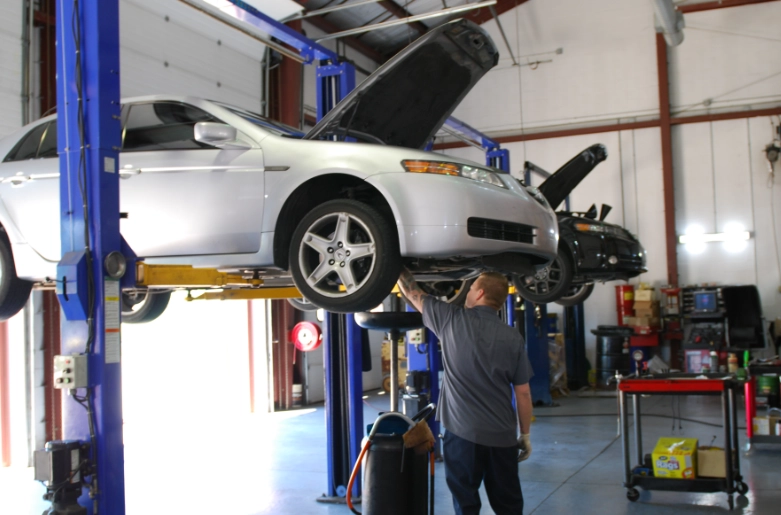
How often should I really get my oil changed?
Forget the old 3,000-mile rule. It's largely outdated. Modern synthetic oils and engines can often go 5,000, 7,500, or even 10,000 miles between changes. The single best source for this information is your car's owner's manual. It has a maintenance schedule tailored to your specific vehicle. Following it is smarter than following a generic sticker. Severe driving conditions (lots of short trips, extreme heat/cold, towing) will require more frequent changes.
Dealership vs. Independent Shop: Which is better?
This is a classic debate. Dealerships have technicians trained specifically for your brand and have access to the latest technical service bulletins (TSBs) and OEM parts. They're often the best (and sometimes only) choice for complex computer/software issues or recalls. However, they are usually the most expensive option for routine maintenance and common repairs.
Independent shops typically offer lower labor rates and can use a wider range of quality parts, saving you money. A good independent mechanic who specializes in your type of vehicle (e.g., Japanese imports, German cars) can offer fantastic value and personalized service. For most common auto repair needs, a highly-rated independent shop is an excellent choice.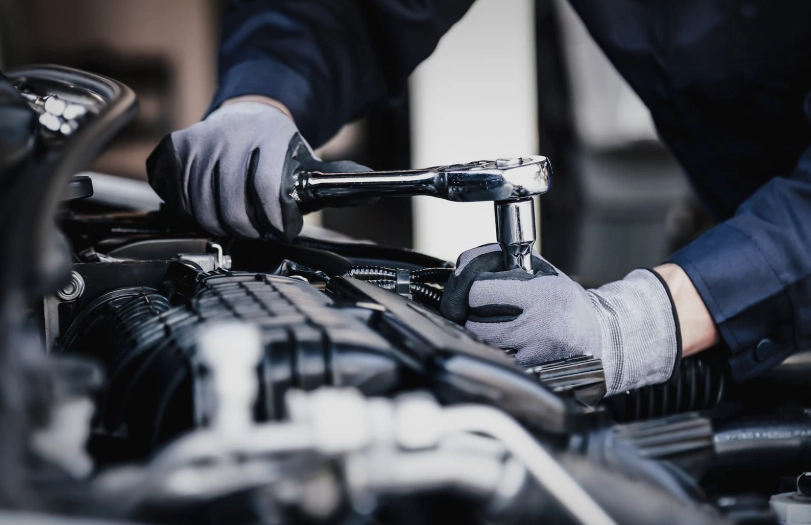
My check engine light is on. Is it an emergency?
A solid check engine light means the car's computer has detected a problem. It's not always a panic situation. If the car is driving normally (no strange noises, loss of power, overheating), it's usually safe to drive to a shop for diagnosis. A flashing check engine light is a different story—that indicates a severe misfire that can damage the catalytic converter. Pull over safely and call for a tow. Many auto parts stores offer free code reading, which can give you a clue (e.g., P0420 often relates to the catalytic converter). But remember, the code is a starting point for a mechanic's diagnosis, not the final answer.
How can I avoid unexpected repair bills?
Proactive maintenance is the ultimate money-saver. It's the classic "ounce of prevention" scenario. Catching a small leak, a worn belt, or failing brakes early is always cheaper than fixing the catastrophic damage it can cause later. Which leads us perfectly to our next section.
The Ultimate Preventative Maintenance Checklist: Your Best Defense
Think of this as your car's fitness plan. Regular check-ups prevent major illnesses. This isn't about being paranoid; it's about being smart and economical. Here’s a tiered approach to keeping your car out of the auto repair shop for major issues.
Monthly (or Every Other Fuel Fill-Up)
- Check tire pressure (including spare) when tires are cold. Use the PSI listed on the driver's door jamb sticker, not the tire sidewall.
- Check fluid levels: Windshield washer fluid is easy. Learn where the oil dipstick, coolant reservoir, and brake fluid reservoir are. Look for levels between Min and Max.
- Look for leaks on the ground under your parked car.
Every 6 Months / With Oil Change
- Inspect windshield wipers and replace if streaking.
- Check all lights: Headlights (high and low beam), brake lights, turn signals, reverse lights. Have a friend help or back up to a reflective surface.
- Check tire tread depth. The penny test works: Insert a penny into the tread with Lincoln's head down. If you can see the top of his head, your tread is too low.
Annually or by Mileage (Follow Your Manual!)
This is where your owner's manual is law. But generally, these are common items on a maintenance schedule: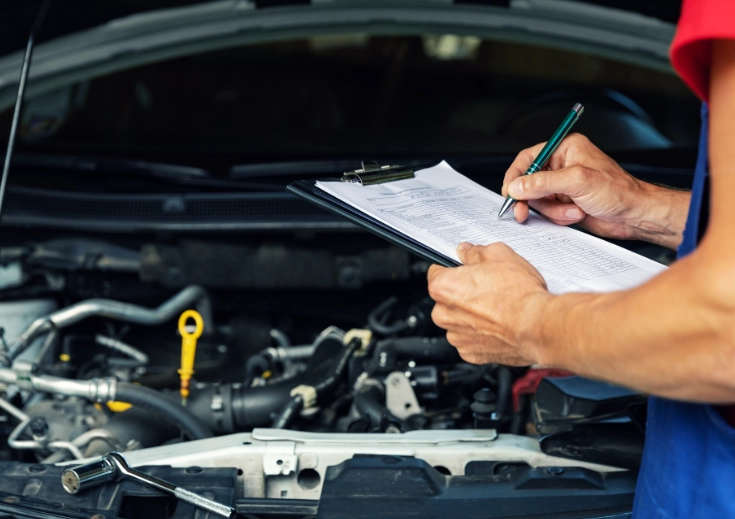
| Service Interval | Typical Services | Why It Matters |
|---|---|---|
| Every 5,000-10,000 mi | Oil & Filter Change, Tire Rotation, Multi-Point Inspection | The foundational service. Rotation evens out tire wear, saving you money. |
| Every 30,000 mi | Engine Air Filter, Cabin Air Filter, Fuel System Cleaning* | Clean filters improve efficiency and air quality. (*Some shops push this; follow your manual's guidance). |
| Every 50,000-60,000 mi | Automatic Transmission Fluid Service, Coolant Flush, Spark Plugs (for some engines) | Critical fluid services often overlooked. Old fluid can lead to very expensive transmission or engine repair. |
| Every 80,000-100,000 mi | Timing Belt Replacement (if equipped), Serpentine Belt, Water Pump (often done with timing belt) | This is a major preventative service. A failed timing belt can destroy an engine. Don't skip this if your car has one. |
When Things Go Wrong: Navigating Disputes and Getting a Second Opinion
Even with the best preparation, sometimes you might feel a repair wasn't done correctly, or the bill seems wrong. Don't just get angry. Be strategic.
First, always have a calm, clear conversation with the shop manager or owner. Explain your concern factually. Refer to your written estimate and warranty. Most reputable businesses want to make things right to keep your business and their reputation.
If that fails, you have options. For a second opinion, take the car to another reputable shop. Explain the situation: "I just had X repair done at Shop A, but the car is still making Y noise. Can you diagnose if the repair was done correctly?" A good shop can often tell.
For serious disputes, contact your local Better Business Bureau (BBB) or your state's Attorney General's office of consumer protection. They often have mediation services. As a last resort, small claims court is an option for significant financial disputes, though it's time-consuming.
A word on "upselling": It's a reality. The line between legitimate recommendation and unnecessary upsell can be blurry. A recommendation based on a visual inspection ("Your brake rotors are heavily scored and below minimum thickness") is valid. A vague recommendation ("Your fuel system needs a cleaning for better performance") without clear symptoms might not be. When in doubt, ask for the evidence and get a second opinion on major suggested repairs you didn't initiate.
Building the Relationship: It's a Two-Way Street
The best auto repair experiences happen when you view your mechanic as a partner, not an adversary. Be a good customer. Show up on time for appointments. Be clear about the symptoms (note when the noise happens, what the car is doing). Follow the maintenance schedule they help you establish.
When you find a good shop, be loyal. Give them your repeat business for oil changes, tire rotations, and repairs. That loyalty often pays dividends. They'll get to know your car's history, they might prioritize you in a pinch, and they'll be less likely to see you as just another transaction.
Let's be honest, that's the dream. A place you can call, describe a weird sound, and trust the person on the other end to give you a straight answer and a fair price. That trust is built over time, through transparency and good communication on both sides.
The road is long. Make sure your car—and your relationship with your mechanic—is ready for the journey.