Quick Guide to This Article
- The Biggest Factors That Shape Your Car Battery's Price
- Installation: DIY vs. Pro – The Hidden Cost Factor
- The "All-In" Price: What You Actually Pay at the Register
- Warranty: Your Insurance Policy (and What It Really Means)
- Electric Vehicle (EV) Batteries: A Whole Different Ballgame
- How to Buy Smart: A Step-by-Step Checklist
- FAQs: Your Quick Questions Answered
- Final Thoughts: Defining "Normal" for You
Let's cut right to the chase. You're here because your car won't start, or your dashboard light is giving you the evil eye, and you're bracing yourself for the hit to your wallet. I've been there. That sinking feeling when you turn the key and hear that dreaded click-click-click. The first question that pops into your head is almost always, "What is a normal price for a car battery?"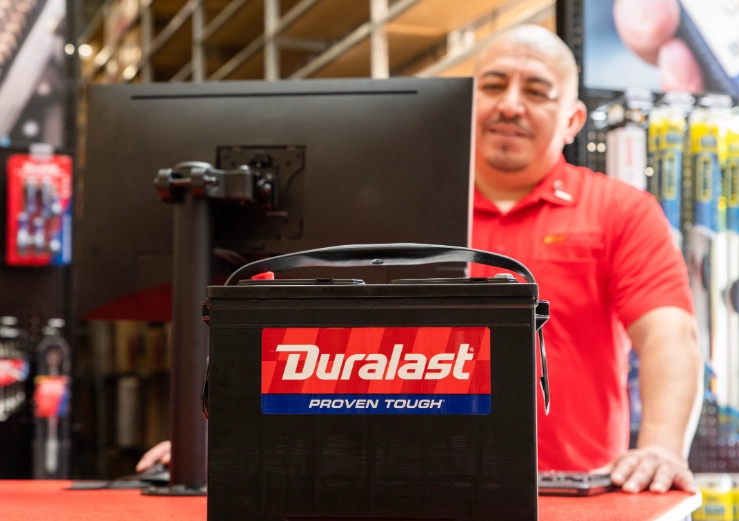
The short, frustrating answer? It depends. A lot. But don't worry, that's exactly why we're diving deep into this. By the end of this guide, you'll know exactly what to expect to pay, why prices swing so wildly, and how to make sure you're not getting ripped off. No fluff, just the real-world info you need.
For the vast majority of standard sedan, SUV, or truck owners, a normal price for a car battery in today's market typically falls between $100 and $250. This is for the battery itself, before any installation, taxes, or core charges. The most common price point you'll see for a reliable, mid-tier battery is right around $150 to $180.
But that's the 30,000-foot view. The real story is in the details. I remember walking into an auto parts store a few years back, thinking I'd be out the door for a hundred bucks. An hour later, I was staring at options ranging from $89 to $289, feeling completely lost. What's the difference? Is the cheap one garbage? Is the expensive one overkill? Let's break that down.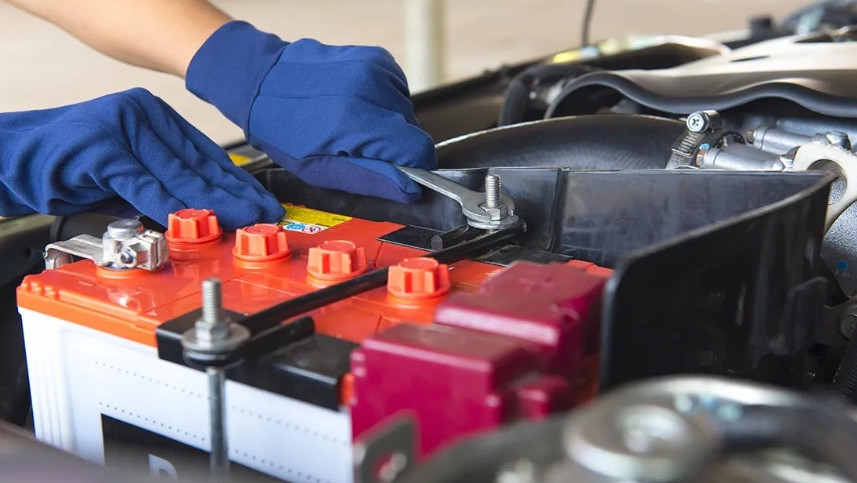
The Biggest Factors That Shape Your Car Battery's Price
Think of a car battery like a pizza. You've got your basic cheese (the budget option), your loaded deluxe (the premium model), and everything in between. The price changes based on the toppings—or in this case, the specs and features. Here are the main "toppings" that affect the final number.
Battery Type: The Foundation of the Cost
This is the single biggest price determinant. Not all batteries are created equal.
| Battery Type | Average Price Range | Best For... | Quick Take |
|---|---|---|---|
| Flooded Lead-Acid (Standard) | $80 - $150 | Most gasoline vehicles; budget-conscious buyers. | The classic, most common type. Requires occasional water check. Solid value. |
| Enhanced Flooded Battery (EFB) | $150 - $220 | Cars with basic start-stop technology. | A step up from standard, handles more engine cycles. |
| Absorbent Glass Mat (AGM) | $200 - $350+ | Modern cars with start-stop, luxury vehicles, lots of electronics. | Top-tier performance, spill-proof, longer life. Often the OE (original equipment) choice. |
| Lithium-Ion | $500 - $1,200+ | High-performance cars, racing, extreme weight savings. | Super light, powerful, but very expensive. Overkill for daily drivers. |
If you drive a modern car (think 2015 or newer, especially European brands or higher-trim models), there's a good chance it came with an AGM battery from the factory. Putting a cheap flooded battery in its place is asking for trouble with your electrical system. Always check your owner's manual first!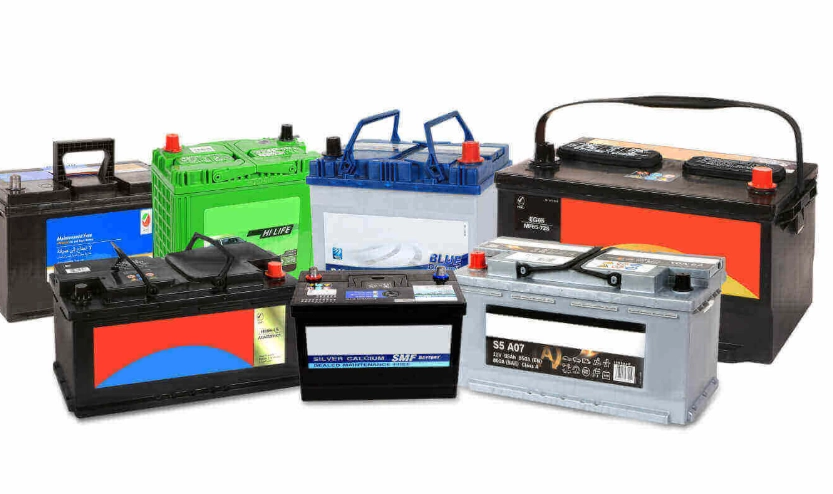
Watch Out: Some parts stores might try to sell you a standard battery because it's cheaper and in stock, even if your car needs an AGM. This can lead to premature failure and damage. Know what your vehicle requires before you shop.
Brand Name & Quality Tier
You've got your household names—Interstate, DieHard, Optima, Duralast (AutoZone), EverStart (Walmart), Motorcraft (Ford). Then you have private labels and value brands. Generally, you pay a bit more for the big names, and often for good reason: better warranty support, more consistent quality control, and wider availability.
But here's my personal take: the store brand from a major retailer (like Duralast or EverStart) is often a fantastic value. They're frequently made by the same large manufacturers (like Johnson Controls or Clarios) that supply the name brands. The difference might be in the warranty length or the specific performance tweaks.
When asking "what's a normal price for a car battery," the brand can sway the answer by $20 to $50 for a comparable product.
Power Ratings: CCA & RC
CCA (Cold Cranking Amps) is the battery's ability to start your engine in cold weather. RC (Reserve Capacity) is how long it can run your electronics if the alternator fails. More power = higher price.
Your vehicle has a recommended CCA. Going slightly above is fine and can be helpful in cold climates, but going way over is just wasting money. Stick close to the OEM spec. A battery with 650 CCA will cost less than one with 850 CCA, even if they're the same physical size.
Size (Group Size) and Terminal Type
Batteries come in standardized group sizes (like 24F, 35, 48H6, etc.). This is the physical dimensions and terminal layout. You must get the correct group size for your car. Price variation here is usually minor, but some less common sizes for specific imports or classics can be more expensive.
The "Core Charge" – That Sneaky Extra Fee
This one catches everyone off guard. Almost every new battery has a core charge, typically between $15 and $25. This is a refundable deposit you pay to encourage recycling your old, lead-filled battery. When you bring your old one back, you get this fee refunded. So, if the tag says $149.99, your initial out-the-door cost might be ~$175 with tax and core. Just remember to bring that old core back!
Installation: DIY vs. Pro – The Hidden Cost Factor
The price we've talked about so far is for the box on the shelf. Getting it into your car is another story. This is a huge part of the total cost equation.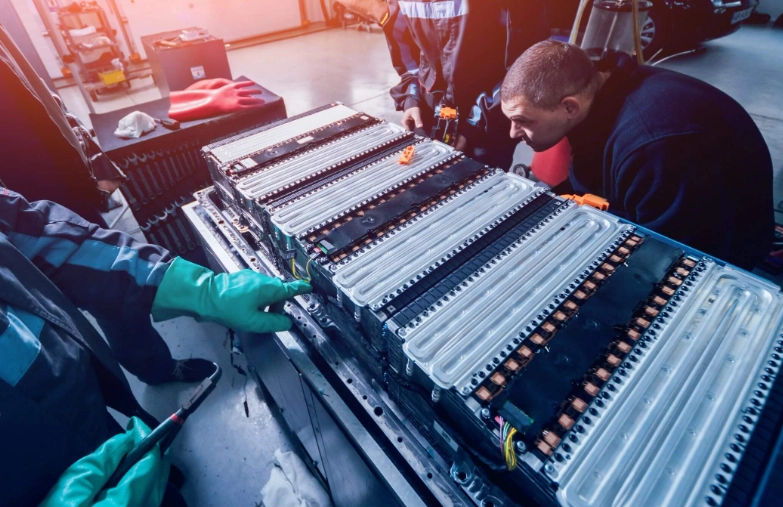
Cost of Installation Options
- DIY (Your Driveway): Cost = $0. Skill level: Basic to intermediate. You need basic wrenches, safety glasses, and about 20-30 minutes. Watch a YouTube video for your specific car. This is how you hit that true "normal price for a car battery."
- Auto Parts Store Installation: Cost = Often FREE with purchase. This is a killer deal. Stores like AutoZone, O'Reilly, and Advance Auto Parts will usually install it for free if you buy from them and the battery is easily accessible (not buried in the wheel well or under a seat). Always ask!
- Mechanic/Dealership Installation: Cost = $50 - $150+ in labor. They charge shop time. This is where the total job can balloon to $300-$400. Justified if the battery is in a terrible location (some BMWs, Mercedes, Chryslers) or you're not comfortable DIY-ing.
- Mobile Installation Service: Cost = $20 - $80. Services like AAA (if you're a member) or mobile mechanics from apps can come to you. Great convenience for a moderate fee.
My advice? If you're even slightly handy, try the parts store free install first. If they say no because it's too complicated, then you can decide to tackle it yourself or pay a pro.
The "All-In" Price: What You Actually Pay at the Register
Let's get real with some scenarios. When people wonder, "What is a normal price for a car battery?" they need the total damage, not just the sticker price.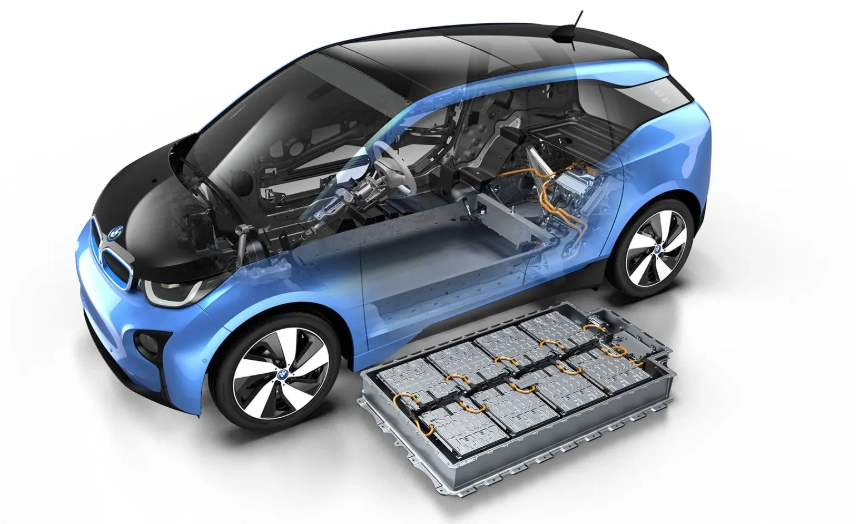
Scenario 1: The Economical Commuter (e.g., 2012 Honda Civic)
Battery (Group 51R, Standard Flooded): $129.99
Core Charge: +$21.00
Sales Tax (approx. 7%): +$9.10
Installation: FREE at store
Total Out-of-Pocket (before core refund): ~$160
Net Cost After Core Return: ~$139
That's a very normal price for a car battery replacement.
Scenario 2: The Modern SUV (e.g., 2018 Ford Escape with Start-Stop)
Battery (AGM, specific group size): $249.99
Core Charge: +$22.00
Tax: +$17.50
Installation: FREE (if accessible)
Total Out-of-Pocket (before core refund): ~$289
Net Cost After Core Return: ~$267
See the jump? Technology costs more.
Scenario 3: The Dealership Visit (Same 2018 Ford Escape)
Battery (OEM AGM): $320.00
Labor (0.5-1.0 hour): $75 - $150
Shop Supplies/Tax: +$30
Total Bill: $425 - $500
Ouch. This is why many avoid the dealer for simple battery swaps.
Warranty: Your Insurance Policy (and What It Really Means)
Warranty terms directly influence the price. Don't just look at the months/years; look at the type.
- Free Replacement Period: If it fails in this window (e.g., 24 months), you get a brand new battery, no pro-rata charge. This is gold.
- Prorated Warranty: After the free period, you get credit for the time you used. If a 60-month battery dies at month 40, you pay roughly 40/60ths (67%) of the current price of a new one. Not as good as it sounds, as battery prices can rise.
A 3-year free replacement battery will cost more than a 1-year free replacement battery. For me, getting at least 24 months of free replacement is worth the extra $10-$20. It's peace of mind.
Electric Vehicle (EV) Batteries: A Whole Different Ballgame
Let's be clear: when most folks search for "what is a normal price for a car battery," they mean the 12-volt starter battery. But with EVs, there's the massive high-voltage traction battery pack. That's a separate, terrifyingly expensive topic.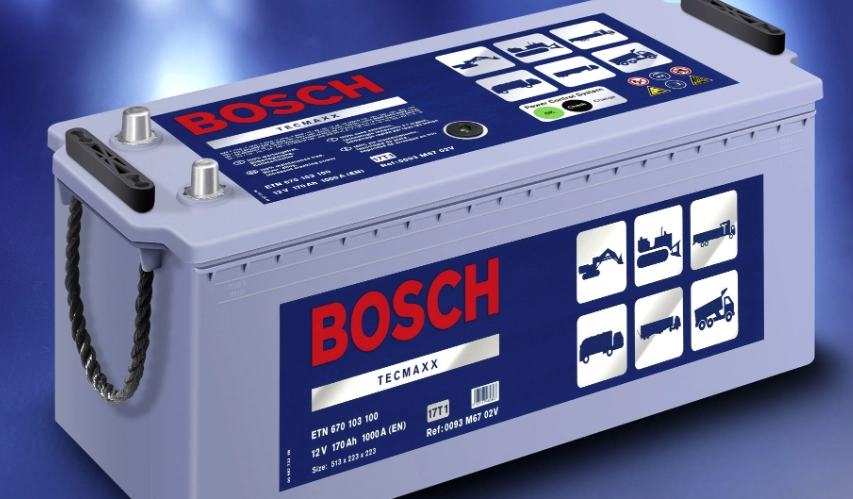
Normal 12V Battery in an EV: Surprisingly, many EVs still have a standard 12V battery (often AGM) to power the computers and accessories. Its price is similar to a regular car's AGM battery: $200-$350. It's a small but critical component.
Traction Battery Pack Replacement: This is the $5,000 to $20,000+ nightmare. However, federal law mandates a warranty of 8 years or 100,000 miles (often longer) on these packs. So while the cost is astronomical, the likelihood of you paying it out-of-pocket in the first decade of ownership is very low. It's a long-term concern, not an immediate one like a dead 12V battery.
How to Buy Smart: A Step-by-Step Checklist
- Confirm It's the Battery: Get a free test at an auto parts store. It could be the alternator or a parasitic drain.
- Find Your Specs: Check your owner's manual for the recommended Group Size, CCA, and Battery Type (Flooded/AGM). You can also look up your vehicle on retailer websites.
- Shop Around: Check prices online at AutoZone, Advance Auto Parts, O'Reilly, Walmart, Costco, and Sam's Club. Costco (Interstate) and Walmart (EverStart) are often price leaders. Use online promo codes for the parts stores—they almost always have one.
- Ask About Installation: Before you buy, ask: "Is this battery eligible for free installation in my [Make/Model/Year]?"
- Compare Warranty: For similar prices, take the longer free replacement period.
- Buy & Install: Either do it yourself, use the free service, or schedule a mobile mechanic if needed.
- Return Your Core: Put that old battery in your trunk immediately and return it within the time limit (usually 30-45 days) to get your core charge back.
Pro Tip: If your battery is dying but not dead, shop online for "pick up in store" deals. You can often get a better price online than walking in. Then, just go pick it up and ask for installation.
FAQs: Your Quick Questions Answered
Is the price cheaper in the summer or winter?
Winter. Demand is highest in cold weather (batteries fail more often), but retailers often run promotions to attract customers. Summer can see sales too, as business slows. There's no consistently "best" time, but holiday sales (Memorial Day, Fourth of July, Black Friday) are good bets.
Can I just buy the cheapest battery?
You can, but it's a gamble. The cheapest batteries often have the shortest warranties (12-month free replacement or less) and lower quality components. For a car you plan to keep for a while, spending an extra $30-$40 for a mid-range battery with a 3-year warranty is a smarter long-term investment.
Are expensive batteries like Optima worth it?
For most daily drivers? Probably not. Optima (a spiral-cell AGM) is fantastic for extreme conditions, off-roading (spill-proof), or high-vibration applications. For a normal car that sits in an office parking lot, a standard AGM or quality flooded battery is perfectly fine and costs significantly less.
Does the price include installation?
Almost never, unless explicitly stated as an "installed price" or you use a store's free installation service. The advertised price is almost always for the battery alone, before core, tax, and labor.
How can I make my new battery last longer?
Avoid short trips that don't let it fully recharge. Keep the terminals clean and tight. If you don't drive often, use a battery maintainer/tender. Extreme heat is a battery's #1 enemy, so parking in a garage helps.
What about recycling the old one?
It's crucial and easy. Any place that sells new batteries is required by law to take your old one for recycling, usually for free (or they give you your core charge back). Never throw a lead-acid battery in the trash. The EPA has clear guidelines on battery recycling.
Final Thoughts: Defining "Normal" for You
So, after all this, what is a normal price for a car battery? It's not a single number. It's a range defined by your car's needs and your choices.
For a typical driver, budgeting $150 to $200 for the total net cost (battery, tax, after core refund) is very realistic. If you have a newer car requiring an AGM, bump that to $220 to $300. If you pay for professional installation, add $50 to $150 on top.
The goal isn't to find the absolute cheapest option.
The goal is to find the right battery for your vehicle at a fair price, with a solid warranty, from a place that will stand behind it. Armed with the specs for your car and the knowledge of how core charges and installation work, you can walk into any store or shop online with confidence. You'll know exactly what a normal—and fair—price for your car battery should be.
Now go turn that key with a bit more optimism.