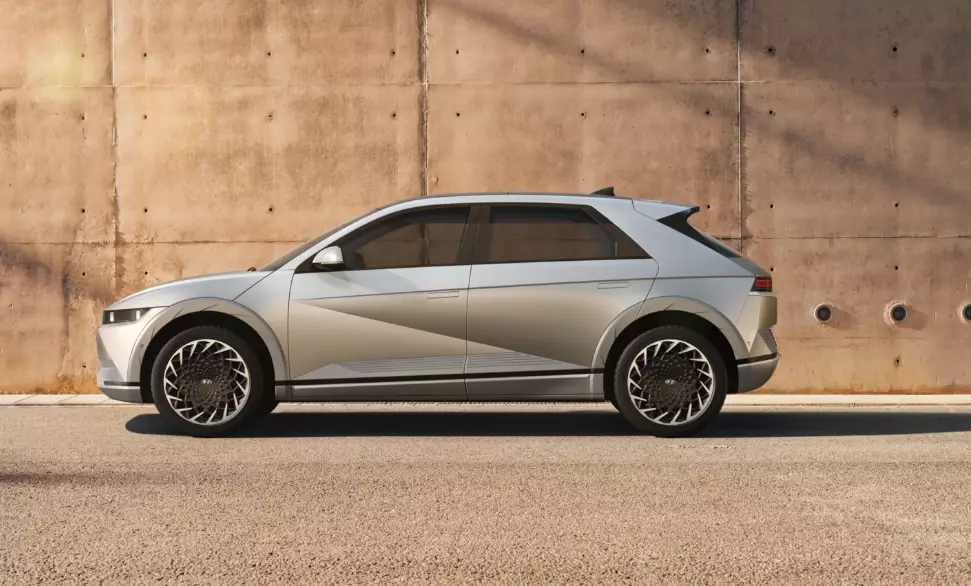
I remember the first time I took a Hyundai Ioniq 5 on a proper road trip. The spec sheet promised over 300 miles, the reviews raved about the 800V charging, and I was optimistic. Three hours in, facing a headwind and a mountain pass, I watched the estimated range drop faster than my phone battery. It wasn't panic—the car still had plenty—but it was a stark reminder. An EV's range isn't a single number. It's a conversation between you, the battery, and the road.
The Ioniq 5 is one of the most compelling electric cars out there. But its real-world range is the make-or-break detail for most buyers. Let's cut through the marketing and talk about what those EPA numbers mean when you have the heater on, groceries in the back, and a highway to conquer.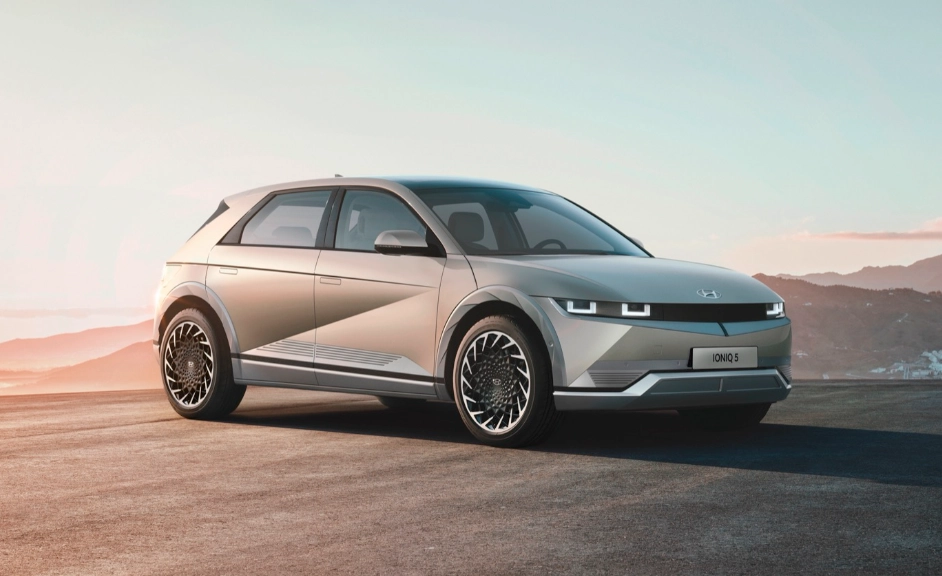
Quick Navigation: What's Covered
The Official Numbers: A Starting Point
Let's get the basics out of the way. According to the U.S. Environmental Protection Agency (EPA), here’s how the different Ioniq 5 configurations stack up. Remember, these are standardized test cycle numbers—a useful benchmark, not a promise.
| Model & Drivetrain | Battery Size | EPA Estimated Range | Key Note |
|---|---|---|---|
| SE Standard Range RWD | 58 kWh | 220 miles | Entry point, best for city/suburban use. |
| SEL / Limited Long Range RWD | 77.4 kWh | 303 miles | The sweet spot for most buyers. This is the 300+ mile model. |
| SEL / Limited Long Range AWD | 77.4 kWh | 260 miles | Adds power and all-weather traction, costs about 43 miles of range. |
The takeaway? If maximum range is your top priority, the rear-wheel-drive (RWD) Long Range model is the one. The all-wheel-drive (AWD) sacrifices range for acceleration and grip—a trade-off worth considering if you see snow regularly.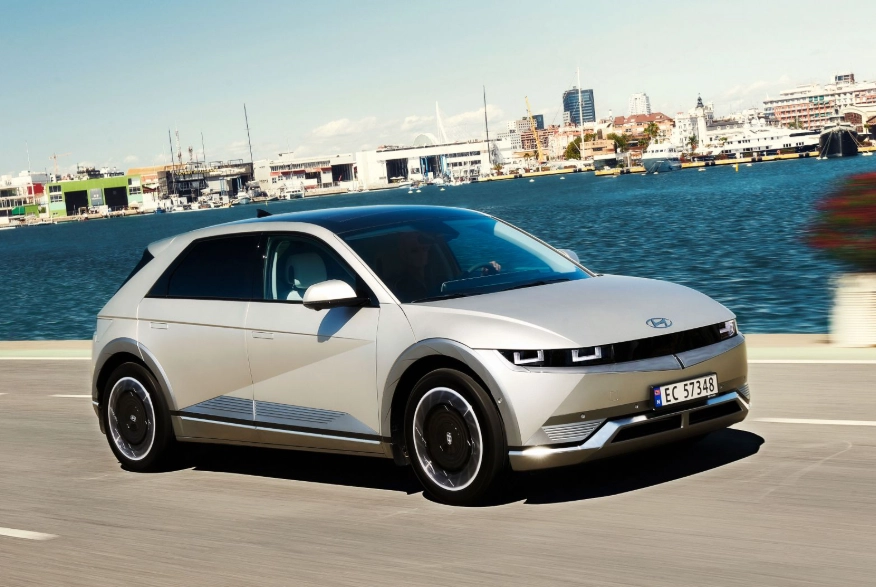
Beyond the Sticker: My Real-World Test
Last fall, I spent a week with a Long Range RWD model. My goal was a mixed loop: city errands, highway commuting, and a weekend blast on some country roads. Temperatures were mild, around 60°F (15°C).
After resetting the trip computer, I drove like I normally would—maybe a bit gentler, but not hypermiling. The climate control was on auto, I used the adaptive cruise on the highway, and I played music.
Here’s what the car's own computer reported after 280 miles:
Average Efficiency: 3.8 mi/kWh
Calculated Real-World Range: ~294 miles (77.4 kWh battery * 3.8 mi/kWh)
That's only about 3% shy of the 303-mile EPA figure. Pretty impressive. The car felt like it could easily hit its advertised number in ideal conditions. But conditions are rarely ideal.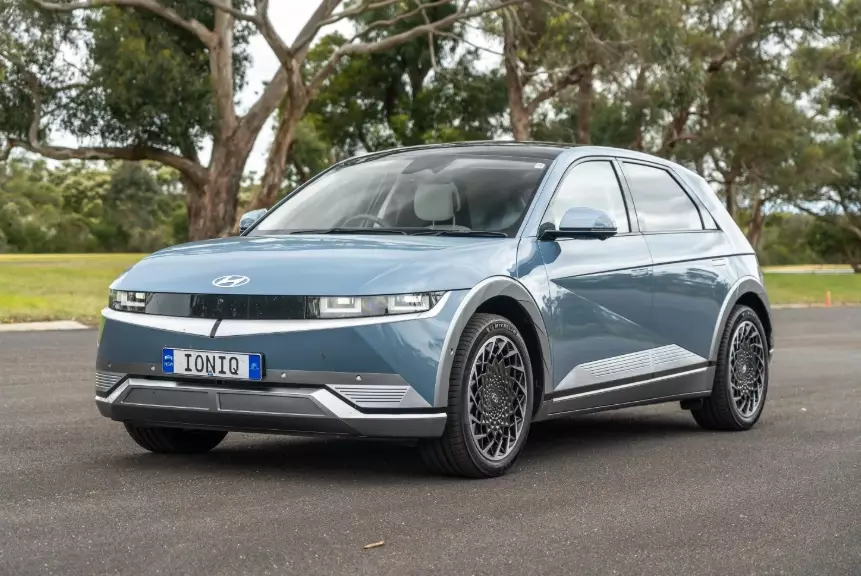
What Eats Your Ioniq 5's Range? (The Big Four)
This is where most generic articles stop. They list "weather" and "driving style" and move on. Let's get specific about the Ioniq 5's particular appetites.
1. Speed (The Range Vampire)
Air resistance isn't linear; it's exponential. Driving at 75 mph instead of 65 mph can slash your range by 15-20%. The Ioniq 5's boxy, pixel-inspired design is stylish, but it's not as slippery as a Tesla Model 3. You feel this on the highway.
I did a controlled 50-mile highway run. At a steady 70 mph, efficiency hovered around 3.3 mi/kWh. Dropping to 65 mph bumped it to 3.6. That difference adds up over a long trip.
2. Temperature (The Silent Thief)
Cold is the enemy. Batteries are less chemically active, cabin heat is a huge energy drain (resistive heating is a power hog), and cold, dense air increases drag. In sub-freezing temps, don't be surprised if your Long Range model shows 190-220 miles on a full charge instead of 300.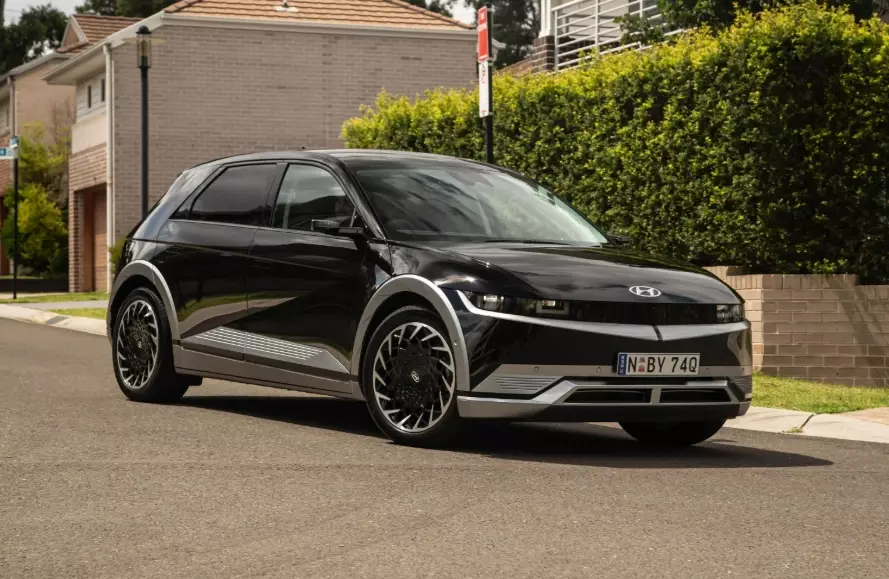
3. Climate Control & Accessories
The heater is the biggest drain. The air conditioner is less severe but still significant. Heated seats and steering wheel? Use them. They warm you directly using far less energy than trying to heat the entire cabin air.
4. Driving Style & Regeneration
This is the Ioniq 5's secret weapon—and where most drivers mess up. The regenerative braking is incredibly strong, especially in i-PEDAL mode. The mistake is driving it like a gas car: accelerate, coast, brake.
The right way? Use the accelerator pedal to modulate speed. Anticipate stops and lift off early, letting the regen slow you down while pumping energy back into the battery. It feels weird for a day, then becomes second nature. This single habit can improve your city range by 10% or more.
How to Maximize Your Ioniq 5's Range: Pro Tips
Beyond driving smoothly, here are settings and strategies that work.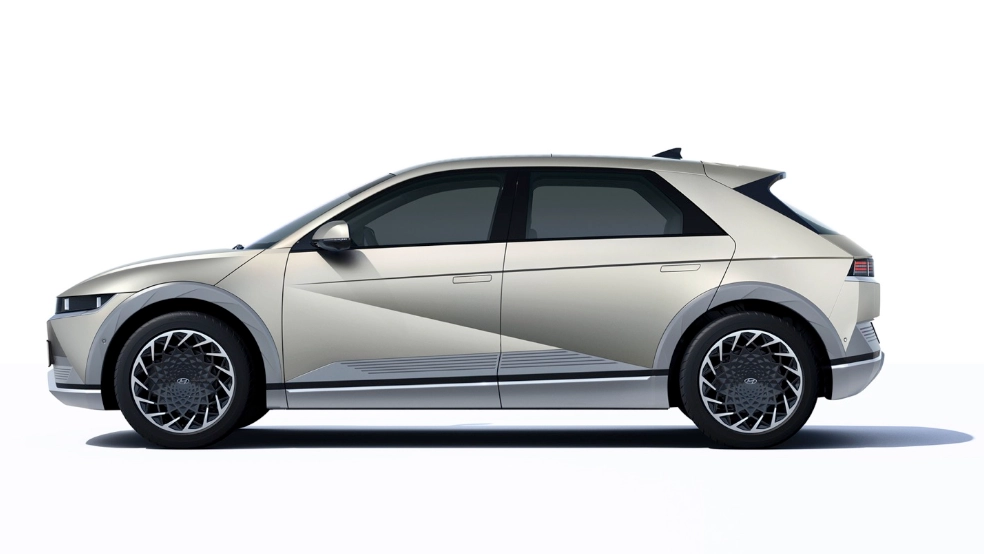
- Embrace i-PEDAL Mode: Once you're used to it, it's the most efficient way to drive in stop-and-go traffic. It maximizes energy recovery.
- Use the "Eco" Drive Mode: It dulls throttle response and optimizes climate control. It makes a measurable difference, especially on the highway. "Normal" is fine for daily use, but switch to Eco for long stretches.
- Pre-condition, Pre-condition, Pre-condition: Use the Hyundai app to warm up or cool down the cabin while the car is still plugged in. This uses grid power, not battery power, for that initial temperature change.
- Tire Pressure Matters: Keep them at or slightly above the recommended PSI (on the door jamb sticker). Soft tires create more rolling resistance.
- Plan for the Fast, Not the Full: On road trips, you don't need to charge to 100% at every stop. The Ioniq 5 charges blisteringly fast from 10% to 80%. It's often quicker to make two short 10-80% charges than one long 10-100% slog, because charging slows dramatically above 80%.
How It Stacks Up: Ioniq 5 Range vs. The Competition
You're probably cross-shopping. Here’s the context.
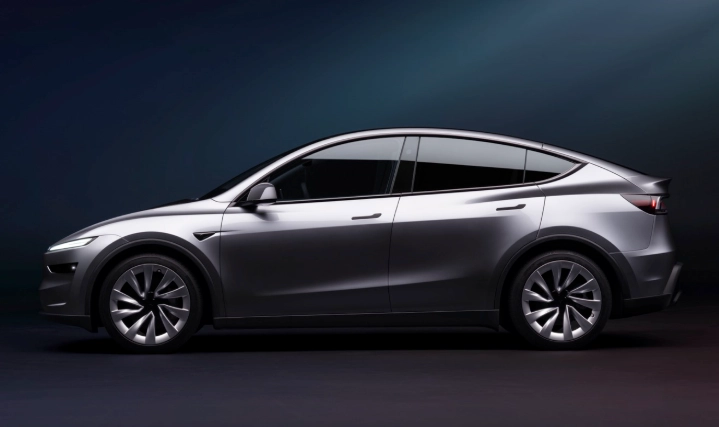
vs. Tesla Model Y: The equivalent Long Range AWD Model Y has a higher EPA rating (~310 miles). In real-world highway tests, the gap narrows, but Tesla's overall efficiency and superb thermal management often give it a slight edge in consistent range, especially in cold weather. However, the Ioniq 5's charging speed can make total trip times very competitive.
vs. Ford Mustang Mach-E: The Mach-E Extended Range RWD is rated for about 310 miles. It's a close rival. The Ioniq 5 often feels more efficient in mixed driving, while the Mach-E might have a slight highway advantage. It's a wash for most people.
vs. Volkswagen ID.4: The ID.4 Pro S with the larger battery is rated around 275 miles. The Ioniq 5 generally offers more range and significantly faster charging.
The Ioniq 5 isn't always the absolute range king, but it's always in the top tier, and its ultra-fast charging is a massive compensatory advantage.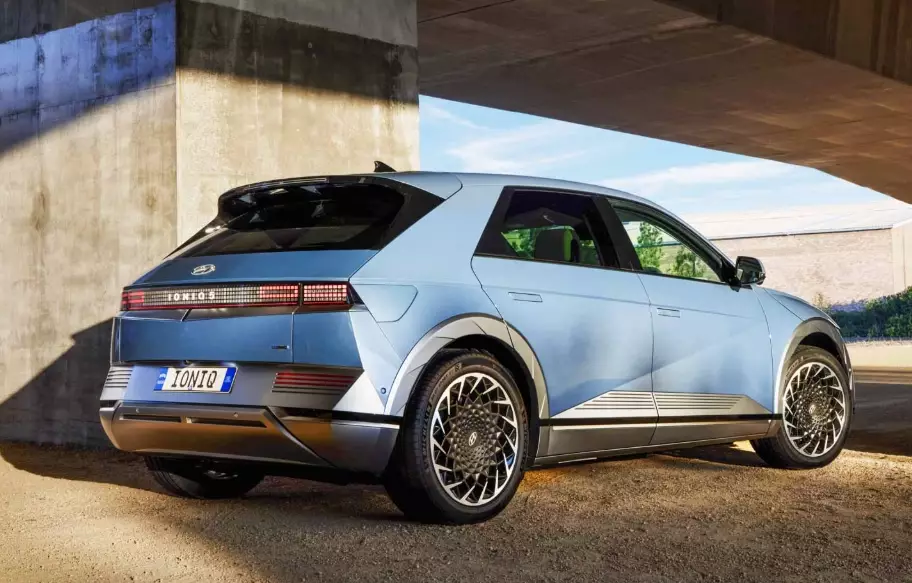
The Final Verdict on Ioniq 5 Range
So, is the Ioniq 5's range good enough? For the vast majority of drivers, absolutely.
The 300-mile rating of the Long Range RWD model is honest. You can achieve it with mindful driving in good conditions. Even in the worst-case winter scenario, you're still looking at 190-220 miles, which covers most weekly needs without a second thought.
The car's real genius isn't just the range number, but the ecosystem around it. The phenomenal 800V charging architecture turns range from a static figure into a dynamic resource. A 15-20 minute stop can add 180+ miles. That changes the psychology of road trips.
My advice? If you can, spring for the Long Range battery. The peace of mind and flexibility are worth it. And learn to drive with regen. The Ioniq 5 rewards a smooth, anticipatory driver with tangible rewards on the range meter.