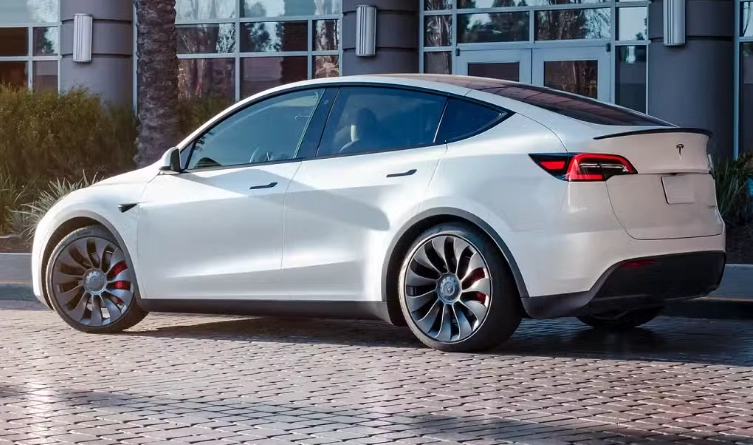
Let's cut to the chase. You're looking up "Model Y horsepower" because you want to know if this electric SUV is quick, if it's fun, and if it has enough power for your life. The short answer is a resounding yes, but the real story is more interesting than a single number. Tesla doesn't always advertise horsepower figures the way traditional automakers do, preferring to let 0-60 mph times do the talking. But after driving all the variants and digging into the specs, I can tell you exactly what that power feels like on the road, where it matters, and which model might be the smartest choice for you—even if it's not the most powerful one.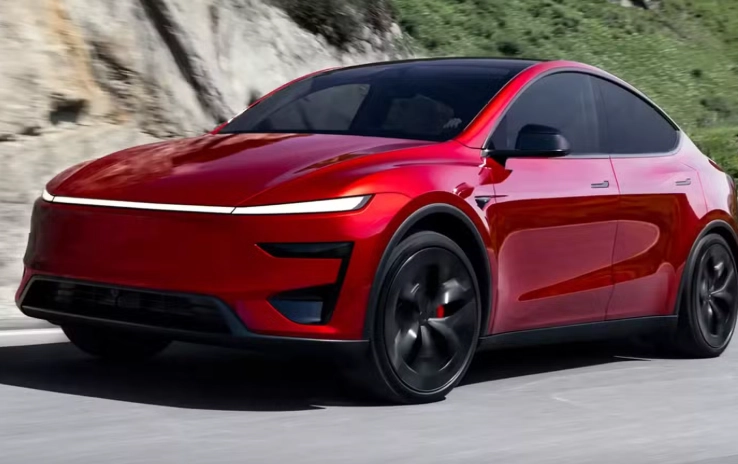
What's Inside?
The Raw Numbers: Breaking Down Each Model Y Trim
Tesla's lineup can shift, but as of now, the Model Y typically comes in three core configurations. The horsepower figures aren't always plastered on the website, but through EPA certification documents and performance testing, we get a clear picture. Remember, with electric motors, power delivery is instantaneous—all this torque hits the wheels the moment you press the pedal.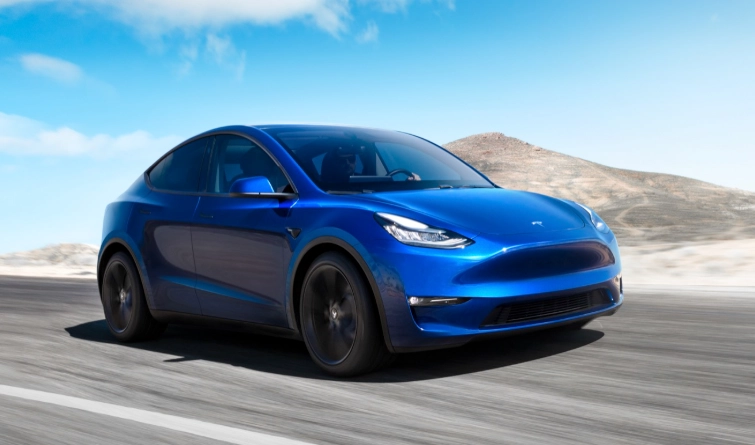
| Model Y Trim | Estimated Horsepower (HP) | Drive Type | 0-60 mph Time | Key Character |
|---|---|---|---|---|
| Rear-Wheel Drive (Standard Range) | ~295 HP | Single Motor, RWD | 6.6 seconds | The efficient, value-focused workhorse. Surprisingly quick for a base model. |
| Long Range (AWD) | ~384 HP | Dual Motor, AWD | 4.8 seconds | The sweet spot. Blends strong power, all-weather capability, and great range. |
| Performance | ~456 HP | Dual Motor, AWD | 3.5 seconds | The adrenaline machine. Brutally fast, with track-oriented upgrades. |
A common misconception is that the Long Range and Performance use the same motors. They don't. The Performance model often uses a more powerful rear motor and different inverter tuning, unlocking that extra punch. It's not just a software difference.
Horsepower in Real Life: What Does It Actually Feel Like?
Forget dyno charts for a second. How does this translate to your daily drive?
The Standard Range: Adequate is an Understatement
At ~295 HP, the base Model Y is far from slow. I've taken it on highway merges that would have my old compact SUV wheezing. The instant torque means you dart into gaps in traffic effortlessly. For 90% of daily commuting and family hauling, this power is more than sufficient. The feeling is one of smooth, confident competence, not neck-snapping thrill.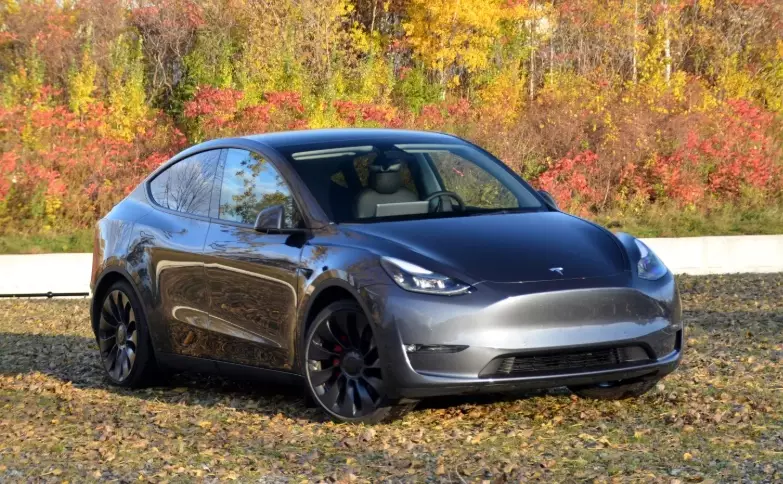
The Long Range: The "Wow" Becomes Normal
This is where the character changes. The dual motors and ~384 HP create a sense of effortless, deep reserves of power. Overtaking on a two-lane road becomes a non-event—you think it, and it's done. The acceleration isn't just fast; it's eerily silent and smooth, which can actually make it feel even faster. This is the trim that makes you grin every time you need to accelerate, turning mundane drives into small joys.
The Performance: Brutal and Addictive
~456 HP in an SUV this size is borderline ridiculous. The 3.5-second launch isn't just a party trick; it's a physical event. Your stomach drops. It pins you to the seat. It's genuinely disorienting the first few times. The power isn't just about straight lines, though. The lowered suspension, stickier tires, and upgraded brakes (a must for this much power) make it feel planted and serious in corners. The downside? The firmer ride is noticeable on rough roads, and those performance tires wear faster and are noisier.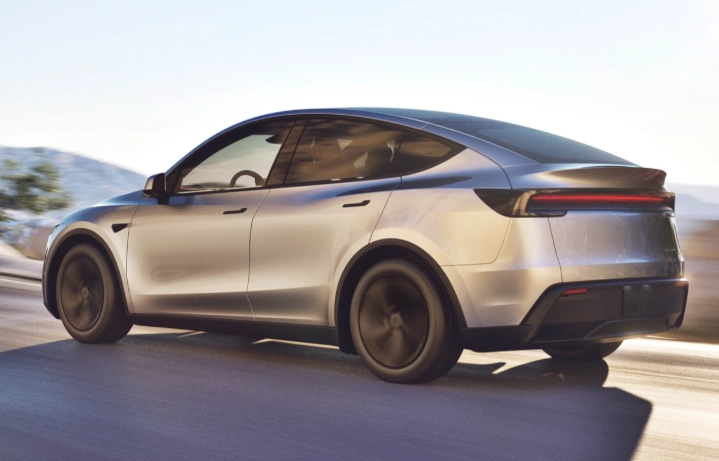
I made the mistake of test-driving the Performance last. It ruined the other trims for me for about a week. That's the danger.
The Horsepower vs. Range Trade-Off
More power usually means more energy consumption, right? With EVs, it's a bit more nuanced.
The Standard Range RWD is the efficiency king, often achieving the highest EPA-estated miles per charge because it has only one motor to power and is lighter.
The Long Range AWD, despite having more horsepower and a second motor, often achieves comparable or only slightly less range than the RWD. Why? Tesla's dual-motor system is clever. It can disengage the front motor during steady cruising, essentially running as an efficient RWD car until extra power or traction is needed. You get the horsepower and AWD security without a massive range penalty.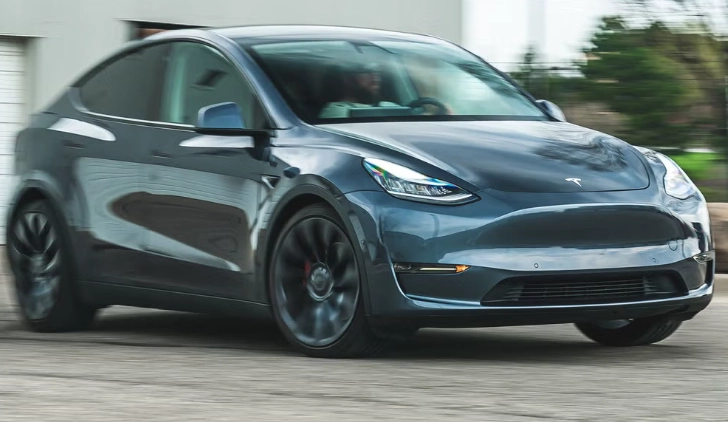
The Performance model takes a clear hit on range. The stickier, wider tires have more rolling resistance, the car is often slightly less aerodynamic, and, let's be honest, that power is too tempting to not use. If you drive it spiritedly, you'll see the estimated range drop noticeably. This is the classic performance car trade-off.
Here's the expert tip everyone misses: Your driving style impacts range far more than the horsepower rating. A gentle driver in a Performance can out-efficiency an aggressive driver in a Standard Range. But the potential for fun in the Performance naturally encourages a heavier foot.
Which Model Y Horsepower Level is Right for You?
Don't just buy the biggest number. Match the power to your profile.
- Choose the Standard Range (~295 HP) if: Your priority is maximum value and efficiency. You have a long daily commute where range is king. You're transitioning from an average gas SUV and want a huge upgrade in smooth, quiet power without the extra cost. You rarely drive in severe snow or ice (RWD is capable, but AWD is better for harsh conditions).
- Choose the Long Range (~384 HP) if: This is the Goldilocks choice for most people. You want that thrilling EV acceleration and the security of AWD for all weather. You take road trips and want the best balance of range and power. You appreciate having power in reserve for safety and fun but don't need a track-ready setup.
- Choose the Performance (~456 HP) if: Driving excitement is a top priority, not just a nice-to-have. You understand and accept the trade-offs in ride comfort, tire cost, and range. You want the visual badges and the ultimate bragging rights. You might actually take it to a track day.
After years of writing about EVs, I've seen more buyer's remorse from people who over-bought on performance than those who under-bought. The Long Range is so good that it satisfies the performance itch for nearly everyone while being a better daily driver.