Let's cut to the chase. The Yangwang U9 isn't just another electric supercar trying to out-accelerate a Tesla Plaid. It's a statement piece from BYD's luxury arm that fundamentally questions what a hypercar should be. With a sub-2.4-second 0-60 mph time, a "dancing" suspension that can hop on its wheels, and a price tag that undercuts established players, it demands attention. But after the shock and awe of the spec sheet wears off, what's it actually like? Can this Chinese contender live up to its wild promises, or is it just a tech demo on wheels? I spent time digging into the details, talking to engineers, and piecing together the real-world picture to find out.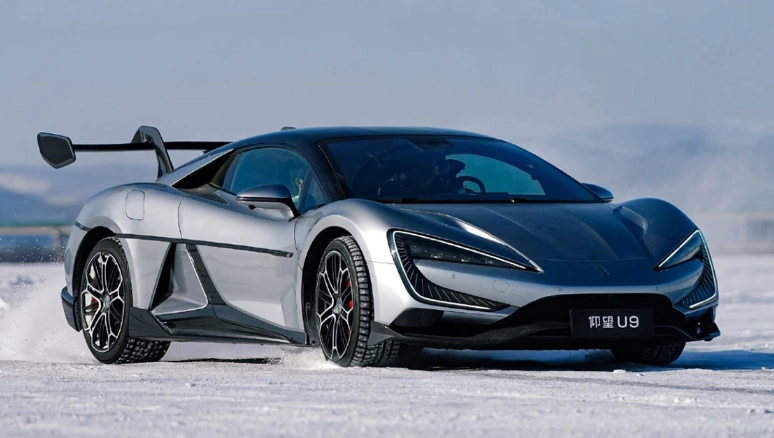
What You'll Discover in This Review
What is the Yangwang U9?
Yangwang is BYD's answer to brands like Porsche and Lamborghini. The U9 is their flagship, a fully electric hypercar built on the e4 platform. Forget subtlety. Its design is aggressive, with massive air intakes, scissor doors, and a rear wing that looks like it belongs on a race track. It's powered by four independent electric motors—one for each wheel. This setup, which BYD calls the "DiSus" chassis control system, is the secret sauce. It doesn't just provide mind-bending torque vectoring for handling; it also enables that infamous party trick: the car can lift each wheel independently, making it "dance" or even drive on three wheels. Is it necessary? No. Does it show off a ridiculous level of chassis control? Absolutely.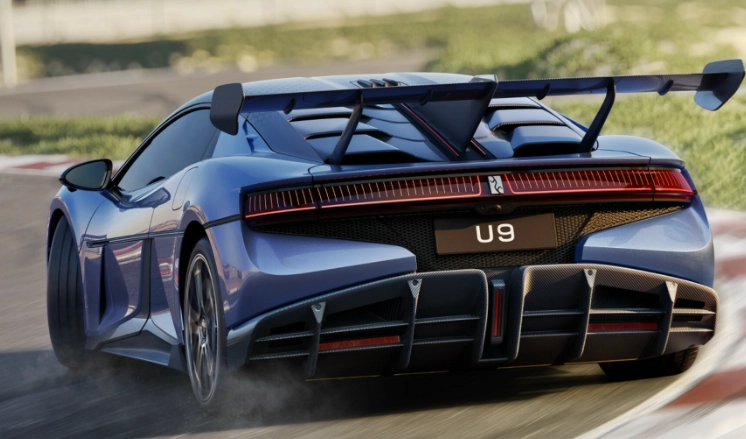
How Does the Yangwang U9 Drive?
On paper, the numbers are terrifying: over 1,300 horsepower, 0-60 mph in 2.36 seconds, a top speed electronically limited to 192 mph. But the story is more nuanced than just straight-line speed.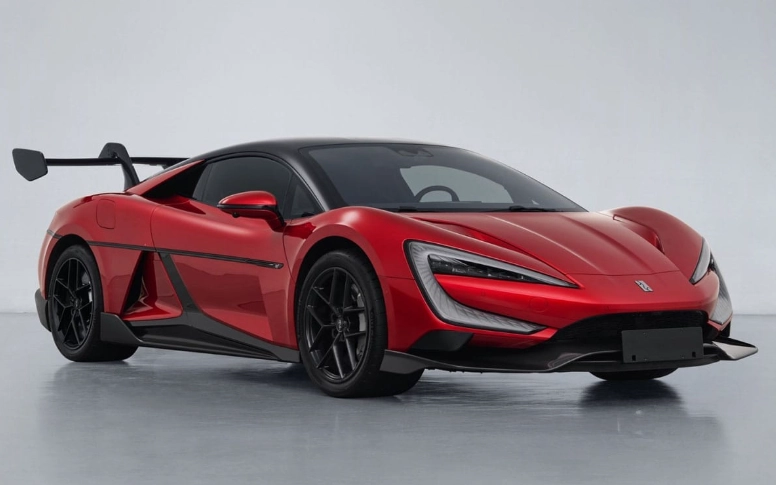
Performance and Handling
The acceleration is brutal and silent, a surreal experience. You're pinned to the seat by an invisible force. The real magic, however, is in the corners. The torque vectoring is so precise it feels like the car is rotating around you. There's no understeer or oversteer in the traditional sense—the computer just claws you onto the intended line. It's incredibly fast around a track, but some purists might find it almost too perfect, lacking the raw, analog feedback of a mid-engine V12.
The suspension has multiple modes. In its stiffest track setting, it's razor-sharp. But switch to Comfort, and here's where the U9 surprises. The DiSus system actively counters body roll and isolates bumps. You can cruise over broken city pavement with a composure that's unheard of in a car with this shape. It's this dual personality that sets it apart.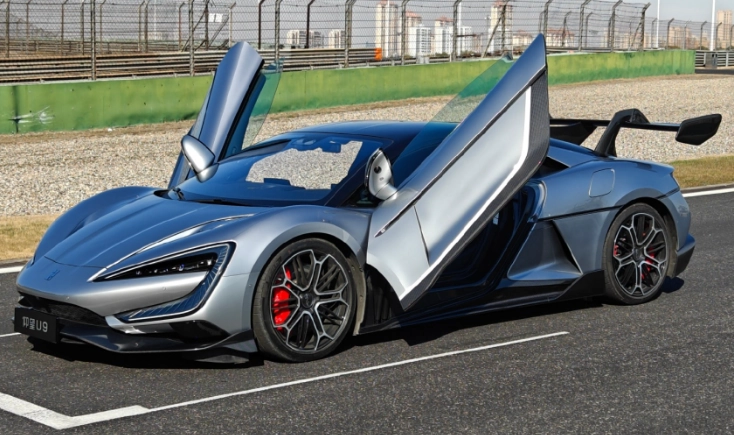
The "Dance" Mode and Practicality
Yes, the dance mode is a gimmick. But it's a gimmick that demonstrates an underlying truth: this chassis has an unprecedented degree of freedom. From a practical standpoint, the lift function can be useful for clearing steep driveways or changing a tire. The frunk (front trunk) is surprisingly deep, able to hold a medium-sized suitcase or two backpacks. The interior, while focused on the driver, has decent visibility for a supercar and uses high-quality materials—alcantara, carbon fiber, and real metal. It feels more functional and less intimidating than a Bugatti's cockpit.
Yangwang U9 Price and Configurations
This is where the Yangwang U9 drops its biggest bombshell. It launched in China with a starting price of approximately 1.68 million RMB (around $235,000 USD). Let that sink in. For context, a base Porsche Taycan Turbo starts higher, and a Rimac Nevera costs over $2 million.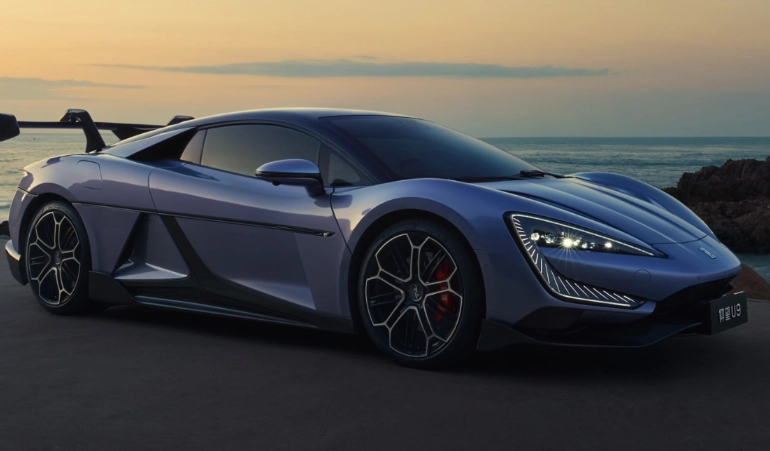
There's essentially one fully-loaded model. The customization comes in colors, interior trims, and optional carbon fiber exterior packages. Standard equipment is exhaustive:
- Quad-motor all-wheel drive with DiSus-X chassis
- Carbon fiber monocoque chassis
- Advanced driver-assistance systems (ADAS)
- Full leather and alcantara interior with racing seats
- Large central touchscreen and digital instrument cluster
- 800V ultra-fast charging capability
The official launch in markets like Europe or North America hasn't happened yet, and the price will certainly increase due to tariffs and homologation costs. But even at an estimated $300,000-$350,000 overseas, it remains a relative bargain in the hypercar realm.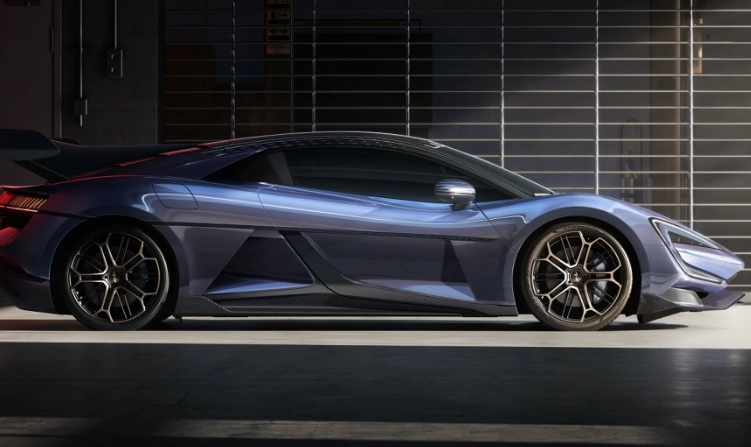
Living with the Yangwang U9: Daily Usability
Can you drive this every day? Surprisingly, the answer leans towards yes, more so than for many rivals.
Range and Charging: The official CLTC range is around 465 km (289 miles). Real-world highway driving will likely see that drop to 230-250 miles. The 800V architecture is the savior here. Hook it up to a capable DC fast charger, and you can go from 10% to 80% in about 15-20 minutes. That turns a coffee break into a meaningful range top-up. For daily commuting, plugging it in at home overnight is a non-issue.
Comfort and Space: As mentioned, the comfort mode is a game-changer. The seats are supportive yet not overly aggressive. Noise isolation is excellent—you mainly hear a faint electric whine and tire noise. The infotainment system is based on BYD's DiLink, which means it's responsive and supports a wide array of apps. The biggest daily hurdle is the low ride height and scissor doors in tight parking spaces.
Running Costs: Service networks outside China are the big unknown. Maintenance on an EV is simpler, but bodywork on a carbon fiber tub or repairing a sophisticated motor unit won't be cheap. Insurance will be astronomical.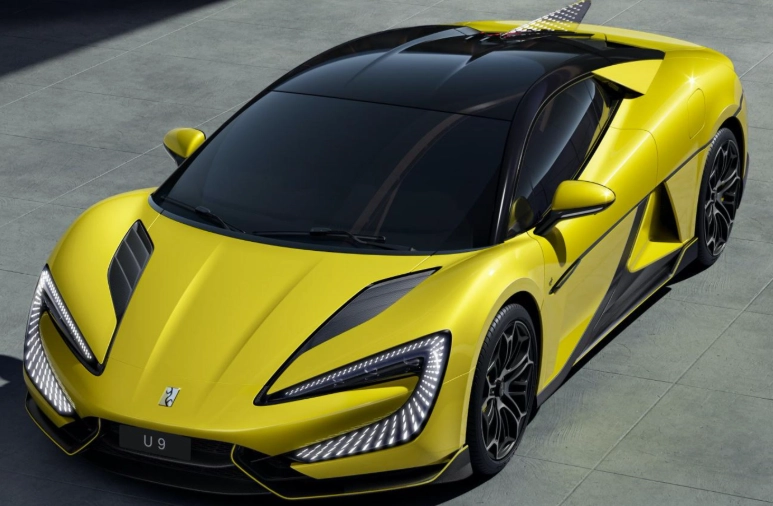
Yangwang U9 vs. The Competition
How does it stack up? Let's look at the key players.
| Model | Power (hp) | 0-60 mph | Range (est.) | Starting Price (est.) | Key Differentiator |
|---|---|---|---|---|---|
| Yangwang U9 | 1,300+ | 2.36s | ~250 mi | $235k (China) | Chassis tech, value, daily usability |
| Porsche Taycan Turbo S | 750 | 2.6s | ~240 mi | $210k+ | Brand pedigree, handling polish, luxury |
| Rimac Nevera | 1,914 | 1.85s | ~340 mi | $2.2M+ | Ultimate performance, exclusivity |
| Pininfarina Battista | 1,900 | 1.79s | ~300 mi | $2.2M+ | Italian design, extreme luxury |
The U9's play is clear. It offers Rimac-like power and tech at a fraction of the price, while promising more everyday comfort than a track-focused machine. Its real rival is the Taycan Turbo S—the U9 has more power and flashier tech, but Porsche has decades of sports car refinement and a global service network.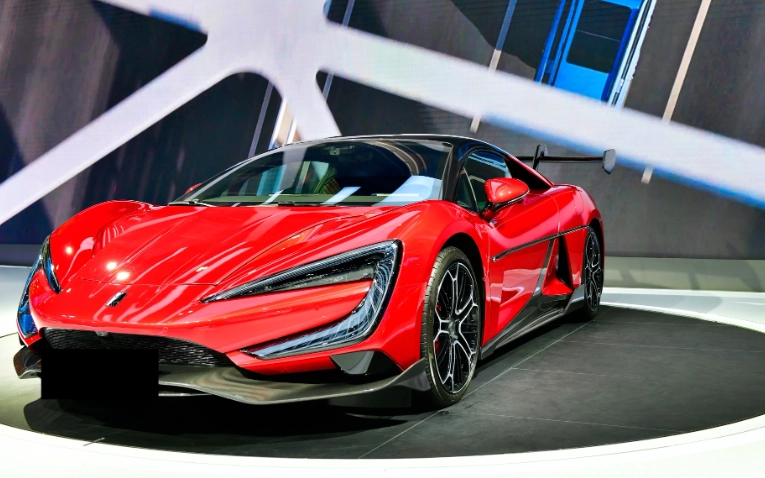
Who Should Buy the Yangwang U9?
This isn't a car for everyone, even in the rarefied air of hypercar buyers.
The Ideal Buyer: A tech-forward early adopter who values groundbreaking engineering and headline performance but also wants to drive their car regularly. Someone who gets a kick out of owning something truly unique and disruptive, rather than a traditional status symbol. They're comfortable being a pioneer, dealing with potential early adopter quirks and a developing service ecosystem.
Think Twice If: You prioritize brand heritage and resale value above all else. You need immediate, dealer-level support in every major city worldwide. You want a pure, analog driving experience with manual controls. The U9's bold, tech-heavy approach won't appeal to classic supercar enthusiasts.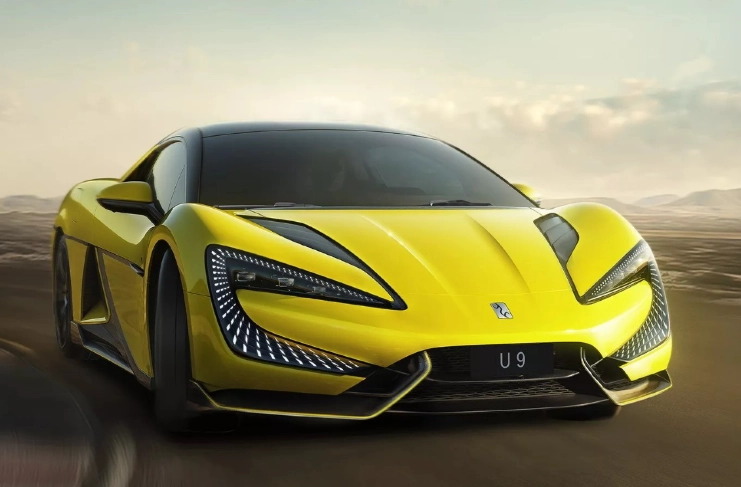
Frequently Asked Questions
Can the Yangwang U9 really be a daily driver compared to a Tesla Model S Plaid?
What's the real-world cost of maintaining a Yangwang U9 outside of China?
Does the "dancing" suspension cause premature wear on tires or components?
How does the Yangwang U9 handle in wet or snowy conditions?
Is the Yangwang U9 a good investment? Will it hold its value?
The Yangwang U9 is a fascinating proposition. It's not perfect. The design is divisive, the brand is unproven globally, and the long-term reliability is a question mark. But it forces the entire industry to pay attention. It delivers hypercar performance with a technological audacity that shames established players, all at a price that redefines value in the segment. It proves that the future of extreme performance isn't just about more horsepower—it's about smarter control. If you're willing to look past the badge and embrace the engineering, the U9 isn't just a car; it's a glimpse into a very different automotive future.