- How Hydrogen Cars Actually Work: It's Not Just Combustion
- The Real Pros and Cons: More Than Just Zero Emissions
- Models You Can Actually Buy (or Lease) Right Now
- The Full Cost Breakdown: Purchase, Fuel, and Hidden Expenses
- The Refueling Reality: Availability, Time, and Range Anxiety
- Hydrogen Cars: Your Burning Questions Answered
Let's cut through the science-fair project talk and the futuristic marketing. Hydrogen cars are real, you can drive them off a lot today, and they offer a very different clean-driving experience than the electric cars dominating the headlines. But is that experience right for you? I've spent years following the alternative fuel scene, and I can tell you that the decision to go hydrogen isn't as simple as checking an 'eco-friendly' box. It's a lifestyle choice with very specific logistical requirements that most car reviews gloss over. Forget the generic 'fuel of the future' tagline. We're going to look at the daily reality: the quick refueling, the hunt for a hydrogen station, the surprising lease deals, and the questions you need to ask before you even think about a test drive.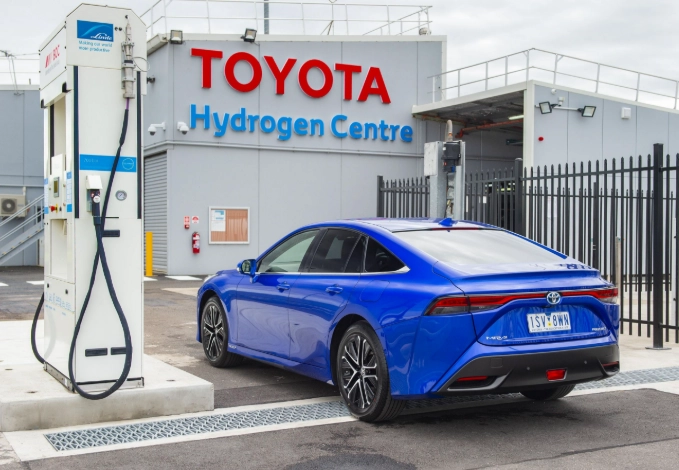
How Do Hydrogen Cars Actually Work? It's Not Just Combustion
First, a quick myth-buster: modern hydrogen cars are not powered by burning hydrogen in an engine. That's an old and inefficient idea. Instead, they use a hydrogen fuel cell. Think of the fuel cell as a small, on-board power plant. It doesn't burn anything; it combines hydrogen (H2) from the tank with oxygen (O2) from the air in a chemical reaction. This reaction produces electricity, water (H2O) as the only tailpipe emission, and a bit of heat. The electricity then powers an electric motor that drives the wheels—so in a way, a hydrogen car is an electric car, but one that generates its own electricity on the go instead of storing it all in a big battery.
This process is surprisingly elegant. You fill the tank with compressed hydrogen gas (which is why the cars have high-pressure tanks). The fuel cell stack, a series of cells each like a thin battery, quietly does its thing. The only sounds you hear are the hum of the electric motor and the road noise. It's a smooth, quiet, and powerful drive, much like a premium electric vehicle.
The Real Pros and Cons: More Than Just Zero Emissions
Okay, so they're electric cars with a twist. Why choose one over a battery electric vehicle (BEV)? The advantages and disadvantages are pretty stark.
The Good (Really Good):
- Refueling Speed: This is the killer app. You can fill a hydrogen car's tank in about 3 to 5 minutes. That's it. No waiting 30-45 minutes at a fast charger, and it's much closer to the familiar gasoline station experience.
- Range: Hydrogen cars have excellent range, typically between 350 to 400 miles on a full tank. This rivals the best gasoline cars and the longest-range EVs, making them fantastic for long road trips—if you can find hydrogen stations along the way.
- Zero Tailpipe Emissions: This is the big environmental sell. The only thing coming out of the tailpipe is water vapor. For many, this is the primary reason for considering a hydrogen car.
The Not-So-Good (The Dealbreakers for Many):
- Station Scarcity: The single biggest hurdle. Hydrogen refueling stations are few and far between. In the US, they are almost exclusively in California, with a handful of exceptions. This isn't just an inconvenience; it fundamentally dictates where you can live and travel.
- Fuel Cost: Hydrogen is expensive. Per mile, it can cost significantly more than charging an electric car at home. You're paying a premium for the convenience of fast refueling.
- Upfront Cost: While lease deals can be attractive (more on that later), the purchase price of hydrogen cars remains high, largely due to the cost of the fuel cell system and the high-pressure carbon-fiber fuel tanks.
Models You Can Actually Buy (or Lease) Right Now
Your choices are limited, but they're both compelling vehicles from major manufacturers. Don't expect a sprawling lineup of hydrogen SUVs and trucks just yet. Here's the current showroom floor:
| Model | Key Features | Estimated Range (miles) | Starting Price (MSRP) | Key Consideration |
|---|---|---|---|---|
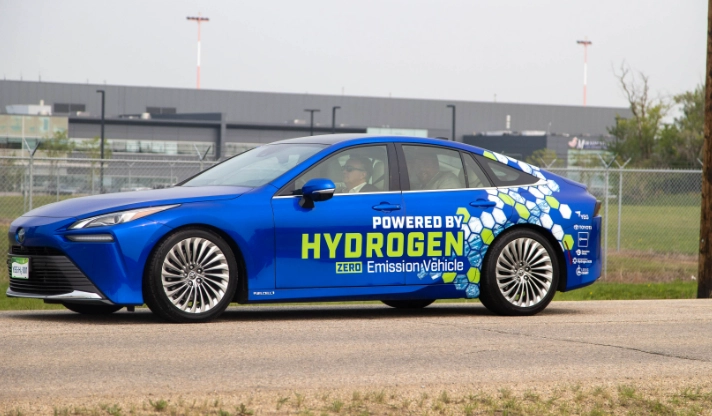
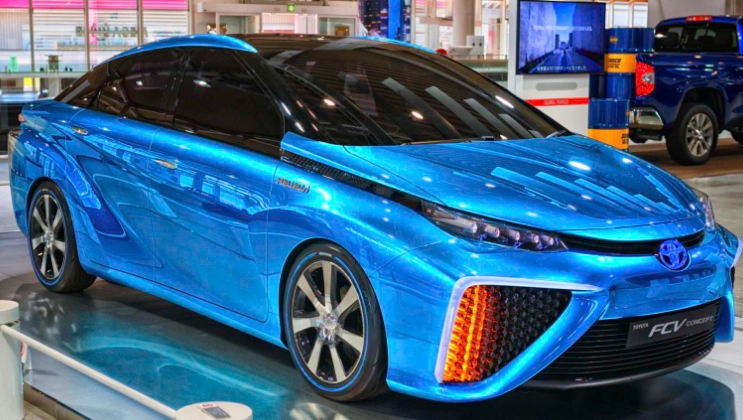
| Toyota Mirai | Luxury sedan with premium interior, smooth ride, futuristic design. | ~400 | $50,000+ | Often comes with a massive fuel card (e.g., $15,000 over 3 years) when leased. |
| Hyundai Nexo | Compact SUV/crossover body style, spacious interior, advanced driver-assist tech. | ~380 | $60,000+ | Offers a more practical SUV form factor and a very quiet cabin. |
A critical point most buyers miss: Both manufacturers heavily promote leasing over buying. This is not an accident. Leases often include that crucial fuel card, covering your hydrogen costs for the lease term and protecting you from the risk of rapid depreciation or technology changes. A salesperson pushing a purchase over a lease is a major red flag.
The Full Cost Breakdown: Purchase, Fuel, and Hidden Expenses
Let's talk money, because the economics are unique. The sticker price is just the beginning.
- Purchase/Lease: As the table shows, you're looking at luxury car prices. However, manufacturers and sometimes state governments offer significant incentives and rebates that can bring the effective price down. The lease deals, again, are the real story here.
- Fueling Cost: This is the tricky part. Hydrogen is sold by the kilogram (kg). Prices fluctuate, but expect to pay somewhere in the range of $15 to $25 per kilogram. A full tank might be 5-6 kg, so a fill-up could cost $75-$150. That's a lot. But here's the crucial nuance: the fuel card included with many leases can cover this entirely for the first few years, making the effective fuel cost zero.
- Maintenance: It's generally lower than a gasoline car (no oil changes, no spark plugs) but slightly higher than a simple battery EV because the fuel cell system has more moving parts (pumps, filters) that need occasional service. Dealership service is a must—there are no independent hydrogen mechanics.
The Refueling Reality: Availability, Time, and Range Anxiety
This is where the rubber meets the road, and it can be a dealbreaker. Let's paint a real scenario: you live in Sacramento, California. You have a hydrogen car. You need to drive to Lake Tahoe for a ski trip. Do you make it?
Here's the process: You'd first pull up a map of hydrogen stations (like the one from the U.S. Department of Energy's Alternative Fuels Data Center). You'd see there's a station in Sacramento, one in the Bay Area, and... a big gap until you get to the Reno, Nevada area. The route over the Sierra Nevada mountains? No stations. Your range of 400 miles might be just enough to make it to Reno, but mountain driving in cold weather drastically reduces range (cold affects hydrogen cars less than battery EVs, but it's still a factor).
So, you might have to change your route entirely, or even scrap the idea of driving. This isn't a hypothetical. It's the daily reality of hydrogen ownership. Your freedom is directly tied to a very specific map of hydrogen infrastructure. Before you even think about a car, spend a week plotting your usual commutes, errands, and common road trips on a hydrogen station map. The map tells the real story.
Hydrogen Cars: Your Burning Questions Answered