Let's talk about the Mercedes EQS range. You've seen the headlines – "over 400 miles!" – and maybe you're wondering if it's too good to be true. After spending weeks with an EQS 450+, driving it through city traffic, on long highway hauls, and even in less-than-ideal weather, I can tell you the real story is more nuanced, and frankly, more interesting. The official numbers are a starting point, but your actual driving distance depends on a handful of factors most reviews gloss over. We're going to dig into exactly what affects your EQS range, what you can realistically expect, and how to squeeze every last mile out of that massive battery.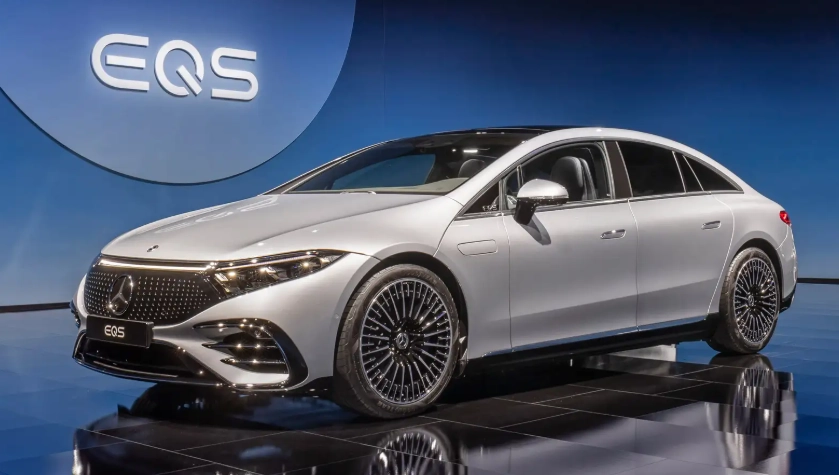
Quick Navigation
The Official Numbers: EPA vs. WLTP
First, the paperwork. The EQS range depends heavily on which testing cycle you look at. In the US, the EPA rating is the gold standard. For the rear-wheel-drive EQS 450+, that's a stellar 350 miles. The all-wheel-drive EQS 580 4MATIC and the monstrous AMG EQS come in lower, around 340 and 285 miles respectively. These figures are solid, but they're derived from a specific lab test.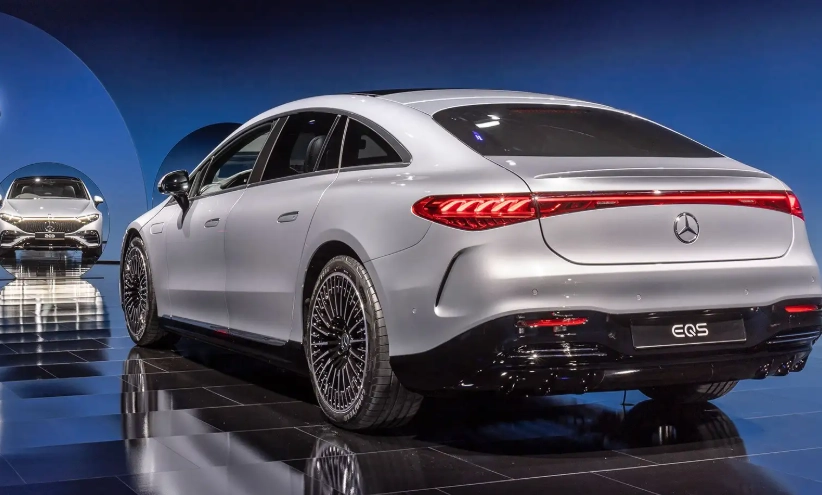
In Europe and many other markets, they use the WLTP cycle, which tends to be more optimistic. Here, the EQS 450+ can be rated as high as 453 miles. That's a massive difference. Which one is right? Neither, exactly. The EPA figure is generally considered more reflective of mixed real-world driving in the US. The WLTP number is what you might achieve in perfect conditions, driving very conservatively. My advice? Use the EPA number as your baseline for planning in North America, and mentally subtract 15-20% from the WLTP figure if you're elsewhere.
| EQS Model | EPA Range (Miles) | WLTP Range (Miles / KM) | Battery Size |
|---|---|---|---|
| EQS 450+ | 350 | 453 mi / 729 km | 107.8 kWh |
| EQS 580 4MATIC | 340 | 407 mi / 655 km | 107.8 kWh |
| AMG EQS 53 4MATIC+ | 285 | 347 mi / 558 km | 107.8 kWh |
Real-World EQS Range: Expect Less, But Still a Lot
So, what did I actually get? On a good day – think 70-degree weather, mostly highway cruising at 70 mph with the climate control set to a comfortable 72°F – the trip computer in my EQS 450+ showed a consumption rate that would translate to about 310-320 miles of total range. That's roughly a 10% drop from the EPA figure, which is completely normal and actually pretty good for an EV this size and powerful.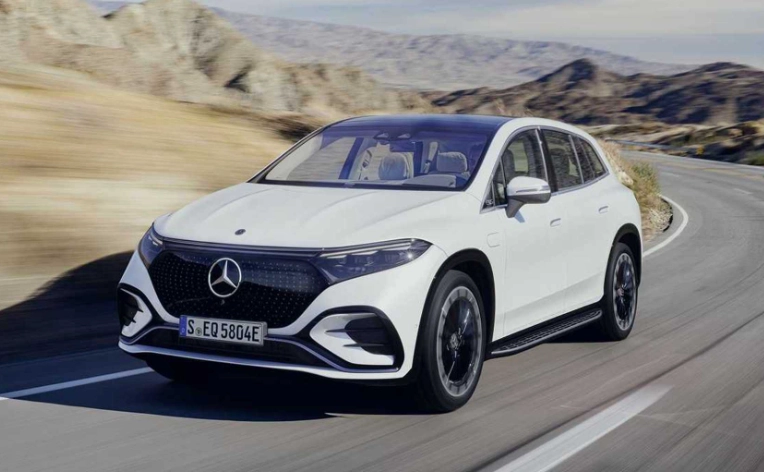
Push it harder, and that number drops. A spirited drive on backroads with frequent acceleration saw the estimated range dip towards 280 miles. In colder weather (around 40°F), with the heater on and seat warmers going, highway range could settle around 270 miles. That's the reality check. The car's own guess-o-meter is quite accurate once it learns your driving style over a few trips.
How to Maximize Your EQS Range: Pro Tips
You can influence your EQS electric range more than you think. It's not just about driving slowly.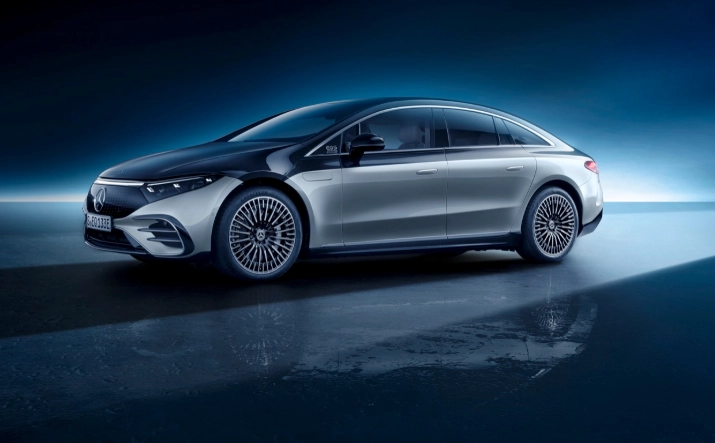
Master the Driving Modes
This is your first lever. Eco mode is the obvious choice, but it's not just about dull throttle response. It aggressively decouples the motor on coasting and tweaks the climate control. Comfort is the sweet spot for daily driving, offering good efficiency without sacrificing too much pep. Avoid Sport and Individual (if set to sporty parameters) for long trips unless you're willing to pay the range penalty.
Preconditioning is Your Secret Weapon
This is the single most underutilized feature for preserving range. Use the Mercedes me app to precondition the cabin while the car is still plugged in. On a cold morning, heating the interior and battery from wall power instead of the battery can save you 15-20 miles of range right off the bat. It makes the car comfortable before you even get in.
Be a Climate Control Connoisseur
The HVAC system is a major drain. Use the seat heaters and steering wheel heater instead of cranking the cabin air temperature. They use far less energy. Set the climate to auto at a reasonable temperature (68-72°F) and let it do its thing. Manually blasting the fan is inefficient.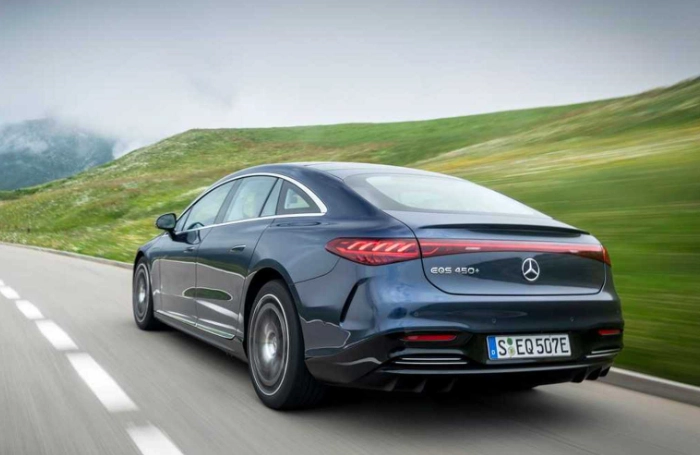
The Silent Range Killers Most Drivers Miss
Beyond the obvious stuff like speed, a few subtle things chip away at your Mercedes EQS range.
Tire Pressure: This is a classic, but it's huge for a heavy EV. Mercedes recommends specific pressures, often higher than you're used to. A few PSI low can knock 2-3% off your efficiency. Check them monthly when the tires are cold.
The "Hyperscreen" and Ambient Lighting: All those gorgeous pixels and mood lights draw power. It's not massive, but over a 5-hour drive, having the screen on max brightness versus a dimmer setting can make a small but measurable difference. It's the death by a thousand cuts principle.
Aerodynamics, Even at City Speeds: The EQS is slippery (Cd 0.20), but roof racks, bike racks, or even wide aftermarket wheels destroy that efficiency. If you don't need the rack, take it off. I've seen tests where a roof box can reduce highway range by 15% or more.
Range is Useless Without Charging Speed
Having a 350-mile range is fantastic, but if it takes 12 hours to recharge, the utility plummets. The EQS supports up to 200 kW DC fast charging. That means you can go from 10% to 80% in about 31 minutes at an ideal charging station. In the real world, on a 150 kW charger, expect 35-40 minutes.
The charging curve is more important than the peak number. Mercedes has done a decent job here, maintaining higher charging speeds for longer than some competitors. For home charging, a Level 2 charger (like a 48-amp unit) will add about 25-30 miles of range per hour of charging, making overnight top-ups effortless.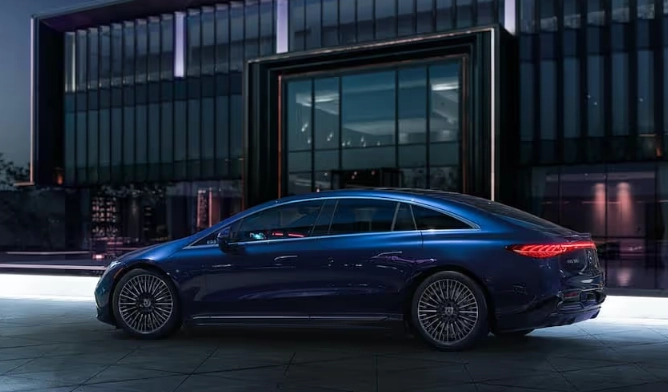
Pro Planning Tip: Don't plan trips around the car's maximum range. Plan them around the 80% mark. Charging from 80% to 100% is painfully slow on fast chargers. It's better to drive to 10-15%, fast charge to 80%, and drive again. This strategy minimizes total trip time, even if you're stopping more frequently.
Your EQS Range Questions, Answered
So, what's the final verdict on the Mercedes EQS range? It's genuinely impressive and sits at the top of the luxury EV class. You can reliably expect over 300 miles in mixed conditions, which eliminates range anxiety for 99% of daily scenarios. But it's not a magic number. Treat it like the fuel gauge in a powerful V8 sedan – how you drive changes how quickly the needle moves. Understand the factors at play, use the car's smart features like preconditioning, and you'll find the EQS's electric range is more than sufficient for a life of quiet, luxurious travel.