Quick Navigation
Let's cut right to the chase. You're probably here because you heard a weird noise, saw a warning light, or your mechanic dropped the "T-bomb" and now you're sweating over the repair bill. You're typing that desperate question into Google: can I drive a car with a bad timing belt? Maybe just to the shop? Maybe just home? Please, just tell me I can make it one more week.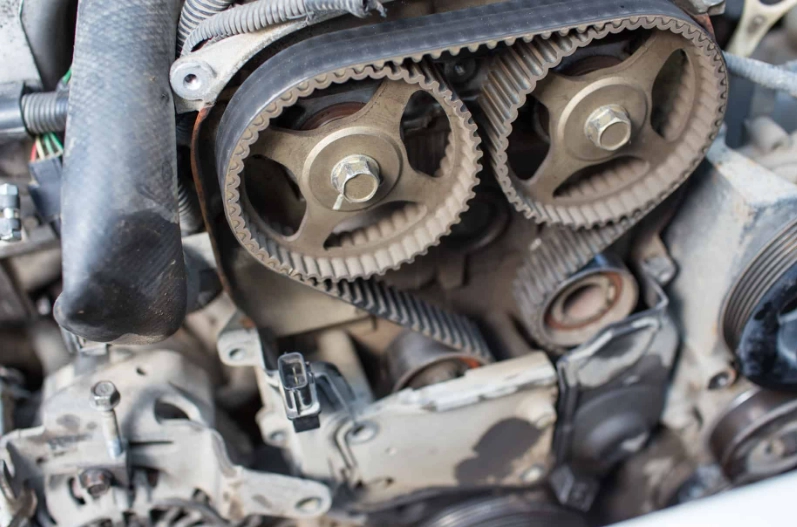
I get it. Car repairs are expensive and stressful. But here's the absolute, non-negotiable, crystal-clear answer you need to hear first:
Think I'm being dramatic? I once watched a friend ignore the mileage interval on his Honda. The belt snapped while he was merging onto the highway. The repair bill went from a predictable $600 to a soul-crushing $4,200 for a new engine. He learned the hard way. You don't have to.
Why is Driving With a Failing Timing Belt So Dangerous?
To understand the "why," you need to understand the "what." The timing belt is a deceptively simple rubber belt with teeth. Its one job is critically important: it synchronizes the rotation of the engine's crankshaft and camshaft(s). This ensures the engine's valves open and close at the exact right moment during the intake and exhaust strokes, in perfect harmony with the pistons moving up and down.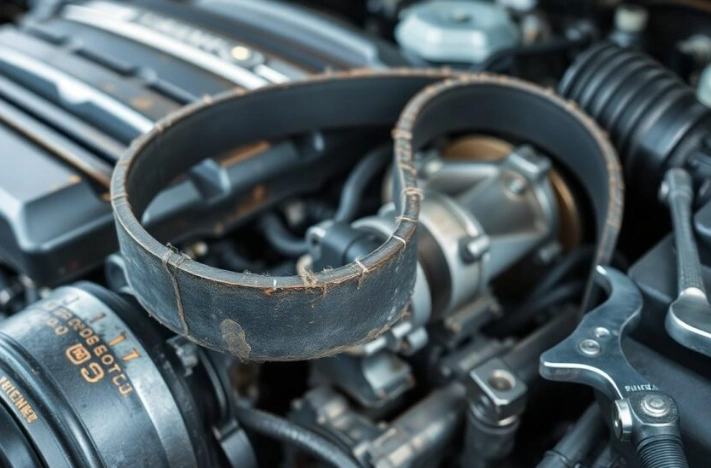
It's the conductor of the engine's orchestra. If the conductor fails, the music turns into catastrophic noise.
When you ask "can I drive a car with a bad timing belt," you're really asking about the risk of total engine failure. Here’s what happens if that belt breaks or jumps teeth while the engine is running:
The Nightmare Scenario: Interference Engines
Most modern engines are interference engines. This is the key piece of information that makes the question "can I drive a car with a bad timing belt" so serious. In an interference engine, the space where the pistons travel and the space where the valves travel physically overlap.
When the timing belt is intact and working, this overlap is carefully managed—the valves are always out of the way when the pistons come up. But if the belt breaks, that synchronization evaporates instantly. The camshaft stops, leaving valves stuck open or closed at random. The crankshaft, driven by momentum or the wheels, keeps spinning the pistons at high speed.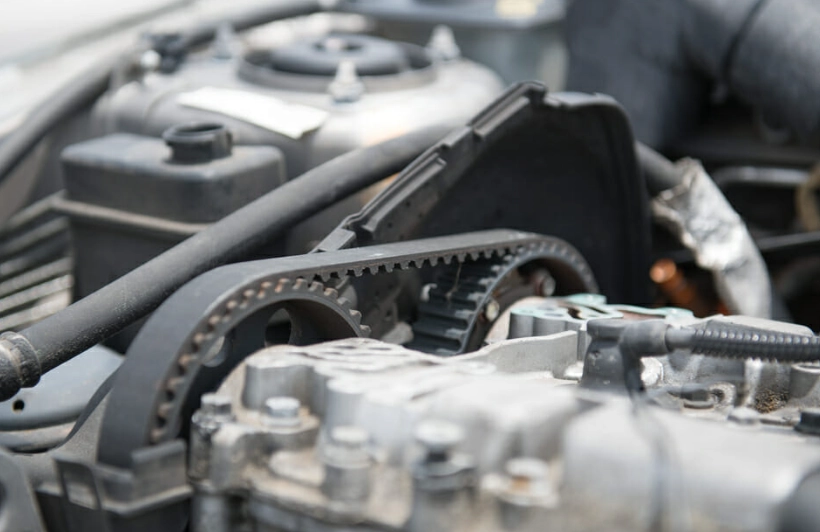
And then... crunch. Metal on metal. A piston slams into an open valve. This doesn't just bend one valve. It typically causes a chain reaction of destruction: bent valves, destroyed pistons, shattered valve guides, and damaged cylinder heads. The connecting rods can even be bent. In seconds, your engine transforms from a precision machine into a very expensive paperweight.
The (Slightly) Less Bad Scenario: Non-Interference Engines
Some older or specific engine designs are non-interference engines. In these, the pistons and valves do not occupy the same space. If the timing belt breaks, the engine simply stops running. The valves and pistons don't collide.
So, can I drive a car with a bad timing belt if it's a non-interference engine? The mechanical risk is lower, but the answer is still a firm NO. You will be left completely stranded the moment it fails—potentially in a dangerous location like the middle of an intersection or a busy highway. The risk to your safety isn't worth it. Furthermore, many people mistakenly believe their engine is non-interference when it's not. Assuming you have a non-interference engine is a gamble with terrible stakes.
You can often find out your engine type by checking your owner's manual or reliable sources like the SAE International database, but when in doubt, always assume it's an interference engine. It's the safer mindset.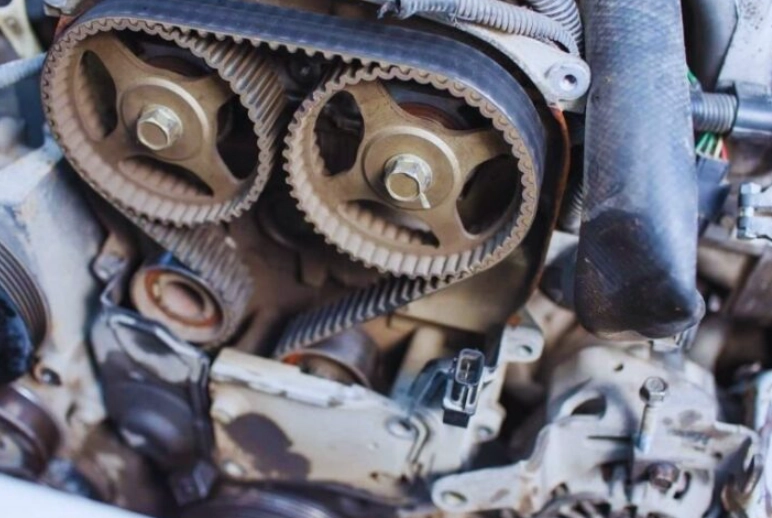
How Do I Know If My Timing Belt is Bad? The Warning Signs
Timing belts are sneaky. They often give little warning before they fail. They're designed to last a long time and then deteriorate relatively quickly. You can't afford to ignore these symptoms. If you notice any of these, stop driving and get it checked.
Top Symptoms of a Failing Timing Belt
- Ticking or Clicking Noise from the Engine: This is a big one. A rhythmic ticking sound coming from the front of the engine, especially at startup or idle, can indicate the belt is loose, the teeth are wearing, or a tensioner is failing.
- Engine Won't Start or Misfires: If the belt has jumped a few teeth, the engine's timing will be off. This can cause severe misfires, rough idling, a noticeable loss of power, and eventually, a no-start condition. The engine might crank but never fire up.
- Oil Leak from the Front of the Engine: The timing belt is housed under a cover. If you have a significant oil leak from the front engine seal, that oil can drip onto the belt. Oil degrades rubber rapidly, causing the belt to swell, soften, and fail much sooner.
- Visible Belt Damage (If You Can See It): During other work, if you see the belt (or more likely, a mechanic shows you a picture), look for cracks on the ribbed side, missing teeth, glazing (a shiny, hard appearance), or fraying on the edges.
What To Do If You Suspect a Timing Belt Problem
Okay, panic mode is understandable. But let's walk through the smart, step-by-step response. This is your decision tree when the thought "can I drive a car with a bad timing belt" crosses your mind.
- STOP DRIVING IMMEDIATELY. This is not a suggestion. If the engine is running rough, making new noises, or you just have a deep gut feeling, turn it off. The next start could be the one that kills it.
- Get a Tow. This is the only safe way to move the vehicle. Call for a flatbed tow truck to transport it to your home or a repair shop. The cost of a tow ($100-$200) is insignificant compared to a new engine. Many insurance policies or auto club memberships include towing.
- Diagnosis. Have a trusted mechanic inspect the timing belt. This usually involves removing a portion of the plastic cover to visually inspect the belt, tensioner, and idler pulleys.
- Make the Repair Decision. If the belt is due by mileage/age or shows any wear, replace it. A full timing belt service should always include replacing the tensioner and idler pulleys, and often the water pump since it's driven by the belt and requires the same labor to access. Doing it all at once is the most cost-effective approach.
Let's talk about that last point in more detail, because it's where a lot of people get tripped up.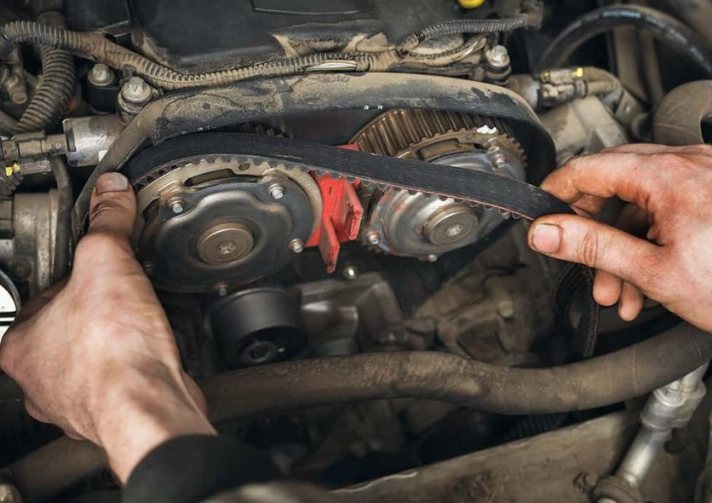
The Real Cost: Belt Service vs. Engine Replacement
People ask "can I drive a car with a bad timing belt" almost always because of money. They're afraid of the repair bill. So let's lay the numbers out clearly, because the alternative is far, far worse.
Here’s a realistic breakdown of what you're looking at:
| Service | Typical Cost Range | What It Includes | Outcome |
|---|---|---|---|
| Preventative Timing Belt Service | $500 - $1,200 | New timing belt, tensioner, idler pulleys, often water pump and coolant. Labor is the major cost. | Engine is protected for another 60k-100k miles. Peace of mind. |
| Timing Belt Failure (Interference Engine) | $2,500 - $6,000+ | Engine teardown, new valves, pistons, machining cylinder head, plus all timing components. Often leads to used engine replacement. | Catastrophic financial loss. Car may be totaled if value is low. |
| Timing Belt Failure (Non-Interference Engine) | $800 - $1,500 | New timing belt kit, plus tow and diagnostics. Engine internals are (usually) okay. | Major inconvenience and tow cost, but mechanical damage is limited. |
See the difference? Driving on a suspect belt to save $1,000 is the worst financial decision you can make for your car. It's like refusing to pay for a $100 security system for your home, and then having to replace everything after a $50,000 burglary.
The National Highway Traffic Safety Administration (NHTSA) doesn't have specific recalls for timing belts as they're a maintenance item, but they emphasize the importance of following manufacturer service schedules for vehicle safety and reliability. This is a core part of responsible ownership.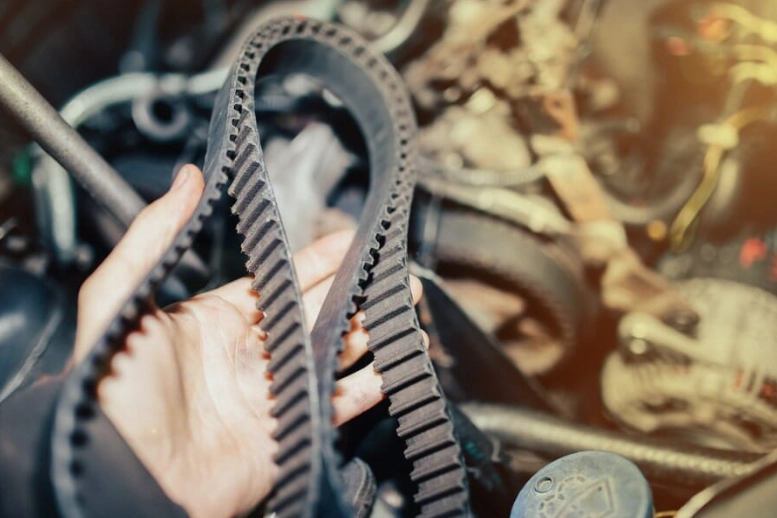
Common Questions & The Nitty-Gritty Details
You've got more questions. I've heard them all. Let's tackle some of the most common ones that pop up around this topic.
No. A thousand times no. This is the most tempting and most dangerous thought. The distance doesn't matter. Failure can happen at any moment—pulling out of your driveway, idling at the first stop sign. The risk is absolute. Call a tow truck.
You're on borrowed time. Every start and every mile dramatically increases the statistical risk of failure. Think of the belt like a rope holding up a heavy weight. It might hold for years past when it should, but you wouldn't want to stand under it. Schedule the service immediately and minimize driving.
A quality kit is crucial. It typically includes the belt, a hydraulic or mechanical tensioner, and all idler/guide pulleys. These components wear out and bear just as much load as the belt. Replacing the belt with old, worn tensioners is a half-job that can lead to early failure. A good mechanic will insist on the kit.
For a professional, usually 3 to 6 hours of labor, depending on the engine. Some transverse V6 engines are notoriously cramped and time-consuming (I'm looking at you, some older Hondas and Toyotas). This is why labor is the biggest chunk of the cost.
On most cars, it's not a simple peek. The belt is hidden behind multiple plastic and sometimes metal covers that are a pain to remove. You might get lucky and have a small inspection window, but a thorough check requires partial disassembly. For most DIYers, this is a moderate-to-advanced job. If you're not comfortable, trust a pro. The consequences of improper installation (like being off by one tooth) are almost as bad as a broken belt.
The Final Verdict & How to Move Forward
Let's be brutally honest. The internet is full of stories from people who drove 20,000 miles past the interval and "were fine." Those stories are survivorship bias. You don't hear from the vast majority who weren't fine because they're too busy crying over a $5,000 estimate. Gambling based on those anecdotes is foolish.
The question "can I drive a car with a bad timing belt" has a permanent, definitive answer: No.
Your action plan is simple:
- Know Your Service Interval: Crack open your owner's manual. It's in the maintenance schedule. Note the mileage AND the time interval (e.g., 90,000 miles or 7 years, whichever comes first).
- Plan for the Expense: This is a known, predictable cost of owning a car. Start setting aside money when you hit about 75% of the interval. Treat it like a necessary subscription for your engine's life.
- Use Quality Parts: Don't cheap out. OEM (Original Equipment Manufacturer) or reputable aftermarket brands like Gates, Aisin, or Continental are the way to go. This is not the place for a no-name eBay special.
- Find a Trusted Mechanic: Build a relationship with a good local shop. They'll give you honest advice and remind you when big services are coming up.
Look, I know car repairs sting. But think of the timing belt service as an investment in your car's future. It's the single most important preventative maintenance you can do for the engine's longevity. Getting it done on time is a sign of a smart, responsible owner. Driving on a bad one, or even wondering if you can, is a recipe for a financial disaster that could end your car's life for good.
Don't be my friend with the $4,200 paperweight. Be the smart one who drives for another 100,000 trouble-free miles.