Quick Navigation
- How Do You Know Your Toyota's Alternator is Failing? The Tell-Tale Signs
- Diagnosing the Problem: Is It Really the Alternator?
- Your Repair Options: DIY, Mechanic, or a Hybrid Approach?
- The Cost Breakdown: What Does a Toyota Alternator Repair Really Cost?
- Prevention is Cheaper Than Repair: How to Extend Alternator Life
- Common Toyota Alternator Repair Questions (The Stuff You're Actually Searching For)
Let's talk about your car's heart and lungs. Well, not really, but that's how important the alternator is. If the engine is the heart, the alternator is the circulatory system, keeping the electrical lifeblood flowing. And when it starts to fail in your Toyota? It's not a subtle problem. It's the kind of thing that leaves you stranded in a grocery store parking lot with a car that just went dark. I've been there, staring at a dead dashboard in my old Camry, and it's no fun.
So you're probably here because you're seeing some weird electrical gremlins, or maybe you just heard a nasty grinding noise from under the hood. You typed "Toyota alternator repair" into Google because you need real answers, not just jargon. You want to know: Is this something I can fix myself? How much is this going to hurt my wallet? How do I even know for sure it's the alternator and not the battery?
Good. This guide is for you. We're going to walk through everything, from the first flicker of a warning light to the final turn of the wrench (or the moment you hand the keys to a mechanic). We'll strip away the confusion and give you the clear, practical information you need to make a smart decision. No fluff, just what matters.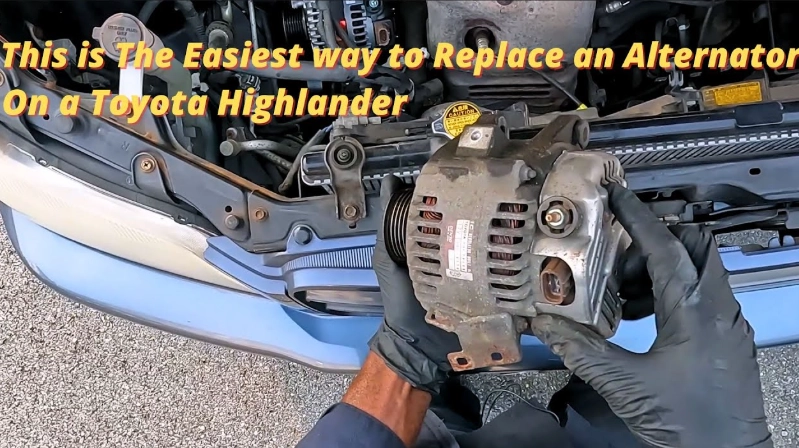
How Do You Know Your Toyota's Alternator is Failing? The Tell-Tale Signs
Alternators don't usually die suddenly (though they can). They often give you a bunch of warnings first. Ignoring them is how you end up with that tow truck ride. Here are the classic symptoms, the ones every Toyota owner should have burned into their brain.
Then there are the electrical dramas. Dim or flickering headlights are a huge giveaway, especially when you're idling at a stoplight. The dash lights might do the same dance—brightening and dimming like a cheap disco. You might see your battery warning light (it looks like a little battery symbol) flicker on or stay on solid. That light doesn't always mean the battery is dead; it often means the alternator isn't charging it properly.
Other weirdness includes power accessories slowing down. Your windows might crawl up, the stereo could cut out, or the blower fan gets weak. I remember my old Corolla's radio would reset every time I started the car—turns out the alternator was on its last legs and wasn't keeping the memory alive.
And the grand finale?
A car that simply won't start, or dies while driving. If you jump-start it, it might run for a little while off the battery, but then die again as the battery drains. That's the hallmark of a dead alternator, not a dead battery. A battery issue usually means it won't start at all. An alternator issue means it starts but then quits on you.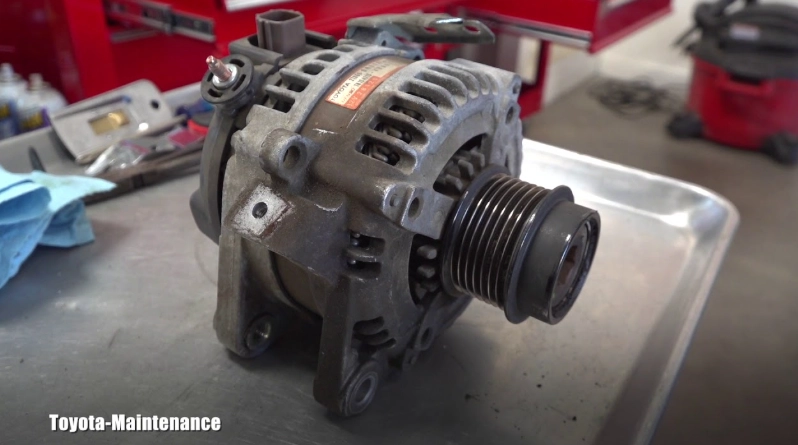
Diagnosing the Problem: Is It Really the Alternator?
Before you spend a dime on parts or labor, you need to be sure. Misdiagnosis is expensive and frustrating. The good news is, you can do some pretty solid checks yourself with minimal tools.
The Simple DIY Tests (No Tools Needed)
First, the old-school method. Start the car. Then, carefully disconnect the negative battery terminal. If the engine immediately sputters and dies, the alternator is likely not supplying enough power to run the engine on its own.
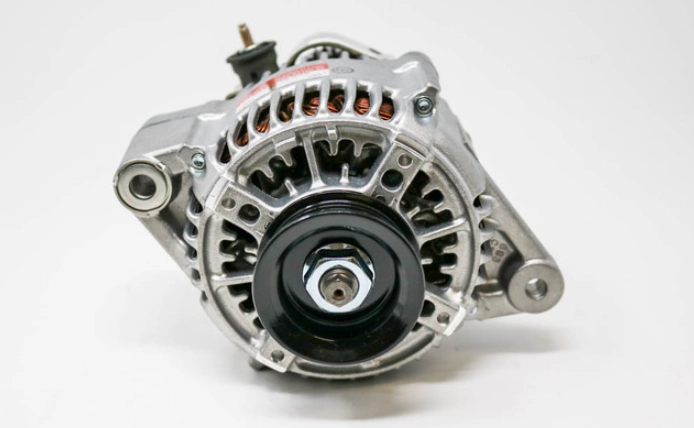
A safer visual check? With the engine off, pop the hood and find the alternator (it's usually front-and-center, driven by the serpentine belt). Look for obvious signs of damage: cracked casing, loose wires, or a burnt smell. Check if the pulley spins freely by hand (with the belt off)—it should spin smoothly with very little side-to-side wobble. Any grinding resistance means the bearings are shot.
Getting Serious: Testing with a Multimeter
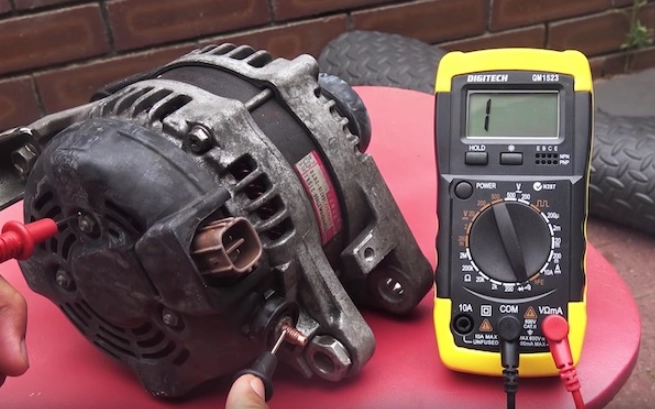
This is the gold standard for a home diagnosis and it's not hard. You can get a basic digital multimeter for less than $20. Here's what to do:
- Set your multimeter to DC Volts (the "V" with a straight line).
- With the engine OFF, touch the red probe to the positive (+) battery terminal and the black probe to the negative (-) terminal. A healthy, fully charged battery should read between 12.4 and 12.7 volts.
- Now, start the engine. Let it idle.
- Test the battery terminals again with the engine running.
Turn on all the electrical loads—high beams, blower fan on max, rear defroster. The voltage might dip slightly but should stay firmly above 13 volts. If it plunges down to battery voltage (12.6V), your alternator can't keep up with demand.
For the most accurate professional assessment, resources like the SAE International website detail the engineering standards for charging systems. Or, many auto parts stores (like AutoZone or O'Reilly) offer free alternator and battery testing. They use a dedicated load tester that simulates electrical demand, which is more comprehensive than a simple voltage check.
Your Repair Options: DIY, Mechanic, or a Hybrid Approach?
Okay, you're sure it's the alternator. Now what? You have a few paths, each with its own pros, cons, and costs.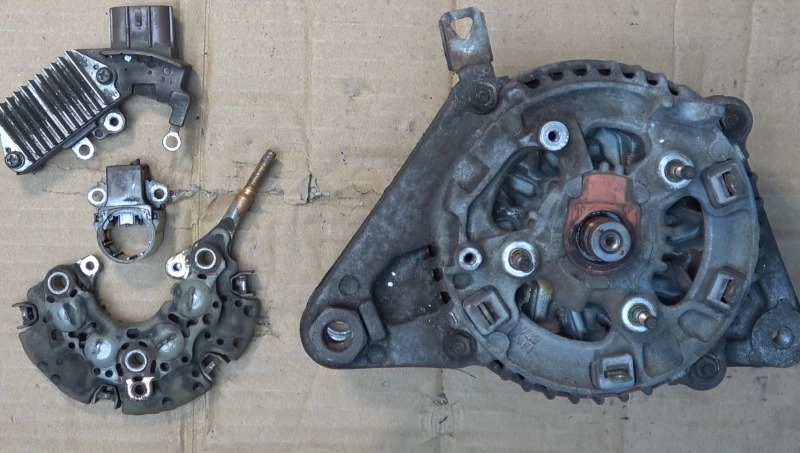
The Full DIY Toyota Alternator Repair
Replacing an alternator is often considered a mid-level DIY job. It's usually more about patience and having the right tools than advanced skill. On many Toyota models (like the ubiquitous Camry, Corolla, or older trucks), the alternator is relatively accessible.
The general process goes like this:
- Disconnect the Battery: ALWAYS start here. Disconnect the negative terminal to prevent shorts, sparks, and fried computers.
- Relieve Belt Tension: You'll need to loosen the serpentine belt. This usually involves using a wrench or socket on a tensioner pulley. Consult a repair manual or a reliable online video for your specific model. The official Toyota website often has owner's manuals that include basic engine bay diagrams.
- Disconnect Electrical Connectors: Unplug the main power wire (a big nut) and the smaller multi-pin plug from the back of the alternator.
- Remove Mounting Bolts: There are usually two or three bolts holding the unit in place. Some are awkward to reach.
- Install the New Unit: Reverse the process. The trickiest part is often getting the belt routed correctly and re-tensioned.
The DIY Pros: You save a ton on labor. You learn a lot about your car. You can choose exactly which part brand you install.
The DIY Cons: It can be physically awkward and frustrating. You might need special tools (a long breaker bar for the tensioner, specific socket sizes). If you get stuck, you're without a car. There's always a risk of making a mistake.
Taking it to a Professional Mechanic
This is the hands-off, guaranteed (usually) route. A good shop will diagnose it properly, warranty their work, and have it done in a few hours.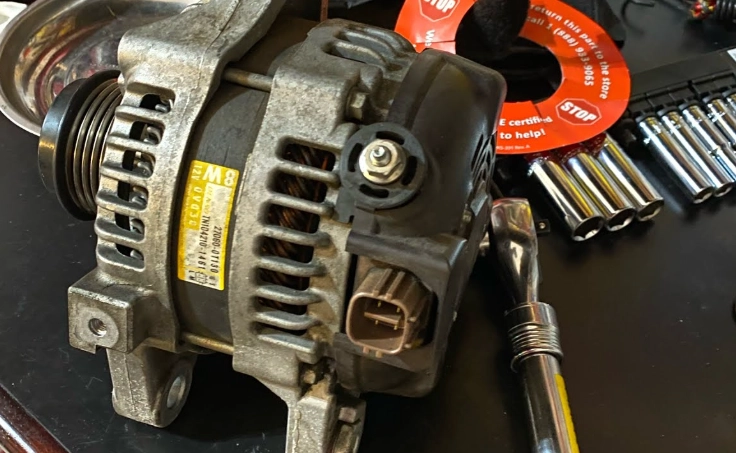
Where to go? You have choices:
- Dealership: Highest cost, but they use genuine Toyota parts and their technicians are factory-trained on your specific model.
- Independent Shop: Often the best value. Look for a shop with good reviews that specializes in Japanese cars or has ASE-certified technicians. The National Institute for Automotive Service Excellence (ASE) website is a great place to understand what that certification means and to potentially find certified shops.
- Chain Repair Shops: Convenient and often offer nationwide warranties, but quality and expertise can vary widely by location.
The Third Way: The Hybrid (You Buy the Part, They Install It)
Some independent shops will allow you to supply your own alternator. You pay for labor only. This can be a great middle ground if you've found a high-quality aftermarket part at a good price online. But beware: Many shops will not warranty the labor if you supply the part. If the part fails, you might still have to pay to have it swapped again. Always ask about their policy upfront.
The Cost Breakdown: What Does a Toyota Alternator Repair Really Cost?
This is the million-dollar question, or at least the several-hundred-dollar one. The cost swings wildly based on your model, the part quality, and who turns the wrenches.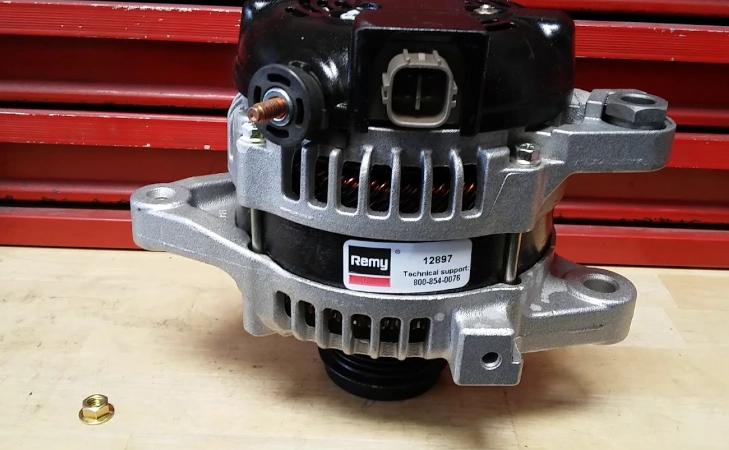
Let's break it down with a table. These are estimated ranges based on common models and national averages. Your local prices will vary.
| Toyota Model (Example) | Part Cost (Aftermarket) | Part Cost (Genuine Toyota/OEM) | Estimated Labor Cost | Total Repair Cost (Part + Labor) |
|---|---|---|---|---|
| Toyota Corolla (Recent Years) | $150 - $300 | $350 - $600 | $150 - $300 | $300 - $900 |
| Toyota Camry (V6 models often cost more) | $180 - $400 | $400 - $700 | $175 - $350 | $355 - $1,050 |
| Toyota RAV4 / Highlander | $200 - $450 | $450 - $750 | $200 - $400 | $400 - $1,150 |
| Toyota Tacoma / Tundra (V8) | $250 - $500+ | $500 - $900+ | $200 - $450 | $450 - $1,350+ |
| DIY Repair (Your Cost) | $150 - $500 (for the part you choose) | Your Time & Tools | $150 - $500 | |
See the huge spread? A DIY job on a Corolla with a decent aftermarket part can be under $200. Taking a Tundra to the dealer for a genuine part could easily cross $1,200.
The part itself is the biggest variable. You have tiers:
- Genuine Toyota (OEM): Direct from the factory. Perfect fit, known quality, highest price.
- OEM-Supplier (like Denso): This is the secret. Denso actually makes most of the alternators that go into Toyotas at the factory. Buying a Denso alternator is often identical to the "Genuine" one, just without the Toyota logo and at a lower price. This is almost always my recommended choice for a balance of quality and value.
- Premium Aftermarket (e.g., Bosch, Remy): Reputable brands that make excellent parts. Often a great choice.
- Economy Aftermarket / Rebuilt: The cheapest option. These are often old cores that have been disassembled, cleaned, and had the bare minimum replaced. They are a gamble. I've had a rebuilt unit fail in under a year. The savings upfront might not be worth the hassle later.
Labor costs depend on the book time for the job. A Camry alternator might be listed as a 1.5-hour job, while one buried in a Tundra engine bay might be 2.5 hours. Multiply that by the shop's hourly rate ($90-$150/hr is common).
Prevention is Cheaper Than Repair: How to Extend Alternator Life
You can't make an alternator last forever, but you can avoid killing it prematurely.
Keep the thing clean. A buildup of road grime, oil leaks (especially from a leaking valve cover gasket dripping onto it), and moisture are its enemies. When you're under the hood checking fluids, give the alternator a visual once-over.
Avoid creating massive electrical loads for long periods. Running a winch, a monster sound system with the engine off, or a bunch of aftermarket lights can overwork the alternator, causing it to overheat.
And this is a big one:
Maintain your battery. A weak or dying battery forces the alternator to work at maximum output constantly to try and charge it. This is like making someone sprint non-stop. It burns the alternator out fast. If your battery is more than 4-5 years old or tests weak, replace it. It's cheaper than an alternator.
Finally, that serpentine belt. A worn, glazed, or cracked belt can slip on the alternator pulley, causing poor charging and extra heat. Check it regularly and replace it according to your maintenance schedule.
Common Toyota Alternator Repair Questions (The Stuff You're Actually Searching For)
Navigating a Toyota alternator repair doesn't have to be a stressful mystery. Whether you decide to tackle it yourself in the driveway on a Saturday afternoon or hand the job to a trusted pro, the key is going in with your eyes open. You now know the symptoms, how to confirm them, what the repair truly entails, and what it should cost. That knowledge is power—the kind of electrical power your Toyota will soon have plenty of again.
Just remember, when in doubt, start with the multimeter. It never lies.