Your Safety Guide Highlights
- The Non-Negotiables: Core Safety Features Every Car Must Have
- The New Guardians: Advanced Driver-Assistance Systems (ADAS)
- How Do You Know Any of This Stuff Actually Works?
- Okay, So What Should I Actually Look For When Buying?
- Common Questions People Are Too Embarrassed to Ask
- The Future (And Some Current Headaches)
Let's be real. When you're car shopping, it's easy to get distracted by sunroofs, slick infotainment screens, or that perfect shade of blue. I've been there. But then you remember that one close call on the highway, or you think about your kid in the back seat, and suddenly nothing matters more than the car's safety features. The problem is, car ads and window stickers throw around terms like "Pre-Collision Assist" or "Lane Keep Something-or-Other" and expect you to know what they mean. It's confusing.
This guide is here to cut through the jargon. We're going to talk about the car safety features that form the foundation of modern protection, the advanced tech that's becoming a game-changer, and most importantly, how to figure out what you really need without breaking the bank. Because safety shouldn't be a luxury.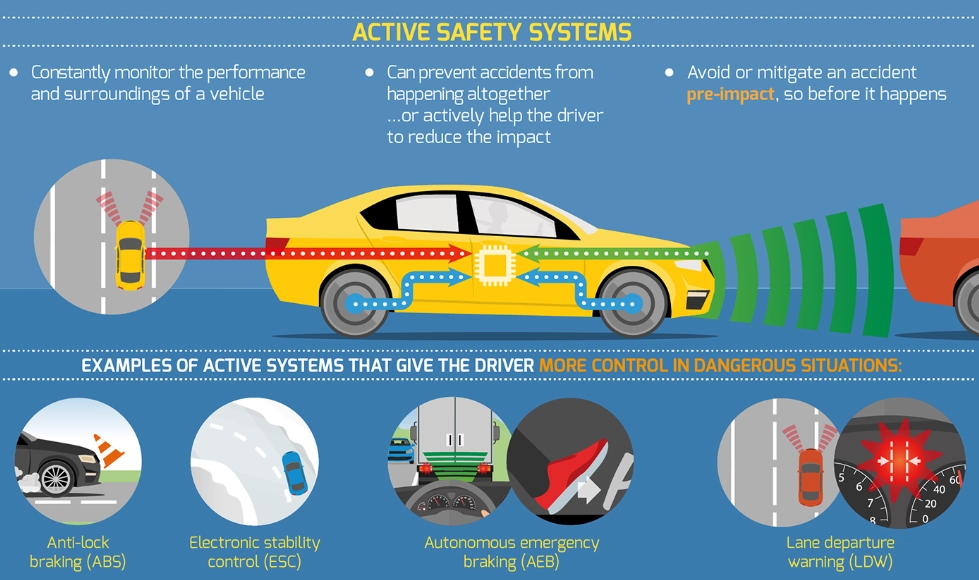
The Non-Negotiables: Core Safety Features Every Car Must Have
Think of these as the seatbelt of the 21st century. If a car is missing any of these, I'd seriously walk away. They're that fundamental.
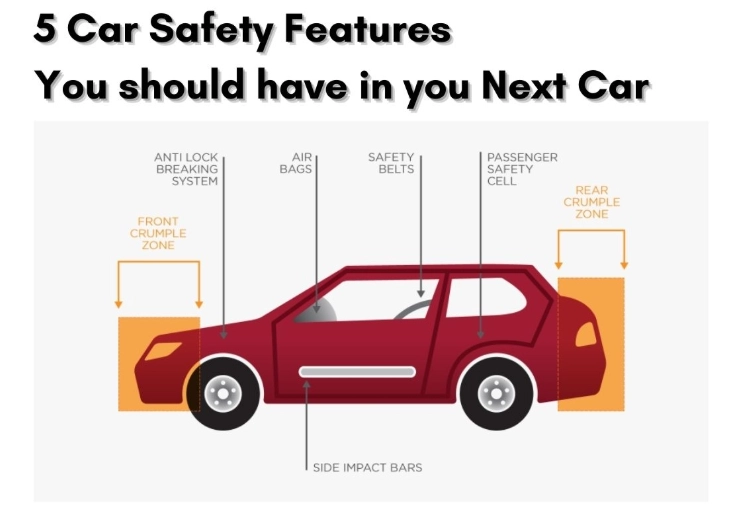
Airbags everywhere (within reason). Front airbags are a given. But side-impact airbags for the torso? Curtain airbags that drop down to protect heads in a side crash or rollover? Absolutely essential. Some cars even have knee airbags or center airbags to prevent front passengers from bonking heads. More coverage is almost always better. The goal is to create a protective cocoon.
Electronic Stability Control (ESC). This is the unsung hero. If you've ever felt the back end of your car start to slide out on a wet curve, ESC is what quietly pulses the brakes on individual wheels to pull you straight. It's brilliant. It prevents countless spin-outs and rollovers. Since 2012, it's been mandatory on all new cars in the U.S., but if you're looking at used cars older than that, make sure it's on the sticker.
Anti-lock Braking System (ABS). You know that pulsing feeling when you slam on the brakes? That's ABS. It prevents the wheels from locking up, letting you maintain steering control even during a panic stop. It's old tech now, but it's vital. Without it, you're just a passenger on a skid.
Tire Pressure Monitoring System (TPMS). It seems minor, but underinflated tires are dangerous. They overheat, wear out fast, and ruin handling. That little light on your dash is a low-key but important safety guardian.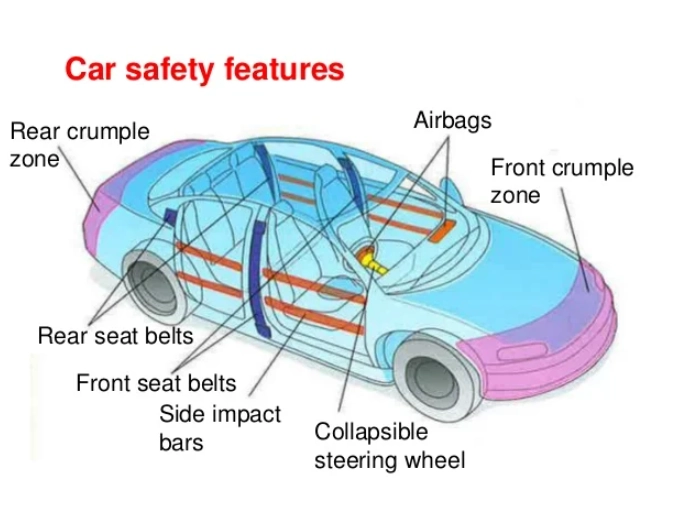
The New Guardians: Advanced Driver-Assistance Systems (ADAS)
This is where things get interesting, and honestly, a bit messy. ADAS refers to the suite of electronic car safety features that use sensors, cameras, and radar to assist the driver. They're the stepping stones toward, but absolutely not the same as, self-driving cars.
The naming is a nightmare. Every automaker has its own branded term for essentially the same thing. Toyota calls it Safety Sense. Subaru has EyeSight. Honda has Sensing. It's enough to make your head spin. Let's decode the most common ones.
Automatic Emergency Braking (AEB) – The Big One
This is arguably the most significant advance in car safety features since the airbag. Using a camera (and sometimes radar), the car constantly monitors the road ahead. If it detects an imminent collision and you haven't reacted, it will first warn you, then apply the brakes automatically to either avoid the crash or reduce its severity.
I can tell you from personal experience, it works. Once, while I was momentarily glancing at a confusing roadside sign, the car in front suddenly braked hard. My car gave a loud beep and a flashing warning on the dash a split-second before I even saw the brake lights. My foot hit the brake, but I'm convinced the car started braking a hair before I did. It was unsettling and incredible at the same time.
There are different flavors: City AEB works at lower speeds to prevent fender-benders. Pedestrian/Cyclist AEB is more advanced and can detect people. This is one feature worth prioritizing.
Lane Keeping Assist (LKA) vs. Lane Departure Warning (LDW)
People mix these up all the time.
- Lane Departure Warning (LDW): The simple one. It beeps or vibrates the wheel if you start to drift out of your lane without using your turn signal. It's a nudge. Helpful, but not proactive.
- Lane Keeping Assist (LKA): This goes a step further. If you drift, it will gently steer you back into the center of the lane. Some systems are better than others. The good ones feel smooth and confident. The bad ones can feel like you're fighting the steering wheel or ping-ponging between the lines. It's best for highway fatigue, not for taking a nap.
Adaptive Cruise Control (ACC)
This changes the classic cruise control game. Instead of just holding a set speed, ACC uses radar to maintain a set distance from the car ahead. If that car slows down, yours slows down automatically. It's fantastic for long highway drives or stop-and-go traffic. It reduces driver fatigue significantly. Some higher-end systems even work all the way down to a complete stop and can resume automatically.
Blind Spot Monitoring (BSM) and Rear Cross-Traffic Alert (RCTA)
These two are best buddies and are incredibly practical car safety features.
Blind Spot Monitoring (BSM): A little light in your side mirror (or sometimes a beep) warns you if a car is lurking in your blind spot. Simple, effective. Once you have it, you'll miss it on cars that don't.
Rear Cross-Traffic Alert (RCTA): A lifesaver in parking lots. When you're reversing out of a spot, it watches for cars crossing behind you that you can't see and blares a warning. It has saved me from backing into speeding shopping carts (and cars) more times than I care to admit.
Here’s a quick table to see how different brands package these core ADAS features under their own names. It’s not exhaustive, but it shows the pattern.
| Brand | Suite Name | Typically Includes | My Take on It |
|---|---|---|---|
| Toyota / Lexus | Safety Sense / Lexus Safety System+ | Pre-Collision System (AEB), Lane Departure Alert with Steering Assist (LKA), Full-Speed Range Dynamic Radar Cruise Control (ACC), Automatic High Beams. | Widely available, even on base models. A great value for safety. |
| Subaru | EyeSight | Pre-Collision Braking (AEB), Adaptive Cruise Control, Lane Keep Assist, Lead Vehicle Start Alert. | Uses stereo cameras, not radar. Very effective and has been around for a long time. |
| Honda / Acura | Honda Sensing / AcuraWatch | Collision Mitigation Braking System (AEB), Road Departure Mitigation, Adaptive Cruise Control, Lane Keeping Assist. | Solid, standard on most new models. The Road Departure Mitigation can steer you back if you're about to drive off the road. |
| Ford / Lincoln | Co-Pilot360 | Pre-Collision Assist with AEB, Blind Spot Info System (BSM), Lane-Keeping System, Auto High-Beam Headlamps. 360-degree camera is often included. | The name is a bit too “autonomous” for my taste, but the feature set is comprehensive. |
See what I mean about the names? It's a marketing jungle out there.
How Do You Know Any of This Stuff Actually Works?
Great question. You don't have to take the automaker's word for it. Independent crash test organizations are your best friends here. Their ratings are the report card for car safety features.
The Insurance Institute for Highway Safety (IIHS) is the gold standard in the U.S. They're tough. They don't just do a frontal crash; they have a small overlap front test that smashes just the driver's corner into a barrier—a brutal test that exposed weaknesses in many older designs. They also rate headlights (shockingly important!) and the effectiveness of front crash prevention systems (their term for AEB). Look for vehicles that are IIHS TOP SAFETY PICK+ winners. That's the highest accolade. You can browse all their ratings on their official website: IIHS Vehicle Ratings.
The National Highway Traffic Safety Administration (NHTSA) is the U.S. government's agency. They perform crash tests and give overall 1- to 5-star ratings. Their tests are important, but many experts consider the IIHS tests more comprehensive. Still, a 5-star NHTSA rating is a good sign. Check their site at NHTSA Safety Ratings.
For our friends in Europe and elsewhere, Euro NCAP is the premier testing body. They are often at the forefront of testing advanced driver-assistance systems. Their website is a treasure trove of detailed safety analysis: Euro NCAP Official Site.
Okay, So What Should I Actually Look For When Buying?
Let's get practical. You're on a dealer lot or scrolling through listings. Here’s a mental checklist, broken down by priority.
The Must-Have List (Don't Compromise)
- Great Crash Test Ratings: IIHS Top Safety Pick+ or Top Safety Pick. Confirm it for the specific model year you're buying.
- Automatic Emergency Braking (AEB): With pedestrian detection if possible. This is becoming standard, but verify.
- Modern Airbag Suite: Front, side, and side-curtain airbags at a minimum.
- Electronic Stability Control (ESC): On any car from about 2012 onward.
The "Strongly Recommended" List (Worth the Upgrade)
- Blind Spot Monitoring (BSM): It becomes second nature and is incredibly useful.
- Rear Cross-Traffic Alert (RCTA): Especially if you have kids, live in a busy area, or have a vehicle with poor rear visibility.
- Good Headlights: Check the IIHS headlight rating. A "Good" rating means you can actually see at night. Many factory headlights are surprisingly bad.
The "Nice to Have" List
- Adaptive Cruise Control (ACC): A game-changer for commuters and road-trippers.
- Lane Keeping Assist (LKA): Useful for long drives, but test it first to see if you like how it feels.
- 360-Degree Camera System: Makes parking a breeze and helps avoid low-speed scrapes.
Common Questions People Are Too Embarrassed to Ask
The Future (And Some Current Headaches)
Car safety features are moving towards more integration. Think of systems that link navigation data with cruise control, so the car knows about a sharp curve ahead and slows down appropriately. Or driver monitoring cameras that can tell if you're looking away from the road and issue a stronger warning.
But it's not all smooth sailing. The variation in performance is huge. One car's AEB might stop you smoothly from 40 mph, while another's might only work below 25 mph. One Lane Keeping system is rock-solid, another is nervous and jerky.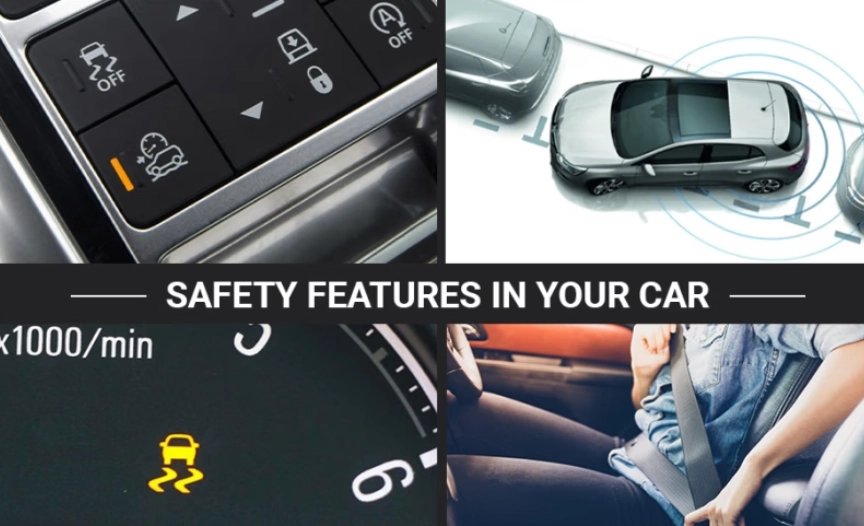
My biggest gripe? The over-the-top marketing that makes people over-trust the technology. No system is perfect. Sensors get dirty. Software has bugs. Unusual situations (like a plastic bag blowing across the road) can cause false alarms or interventions.
The goal of all these car safety features is to create a safety net—a second set of electronic eyes that can catch the mistakes we humans inevitably make. They have already saved thousands of lives. When you're shopping, think of them not as fancy gadgets, but as essential tools for protecting what matters most. Do your homework with the IIHS and NHTSA sites, test drive to see how the systems feel, and choose the best package of protection you can afford. Your future self might thank you.
Drive safe out there.