What You’ll Find in This Guide
- The Short Answer and the Long Reality
- How Dash Cams Actually Influence Your Insurance Costs
- What Major Insurance Companies Say (A Reality Check)
- Beyond Discounts: The Tangible Value You Can Bank On
- Privacy, Legalities, and the Fine Print
- Your Action Plan: How to Navigate This with Your Insurer
- Common Questions (The Stuff You’re Actually Wondering)
- The Final Verdict
So you're thinking about getting a dash cam. Maybe you've seen those wild crash videos online, or perhaps a friend swears by theirs. And then the question pops into your head—a pretty logical one, really. Will car insurance go down if you have a dash cam? It's not a simple yes or no, and anyone who tells you it is probably hasn't done their homework. The connection between that little camera on your windshield and the number on your premium bill is more nuanced, more interesting, and frankly, more frustrating than you might expect.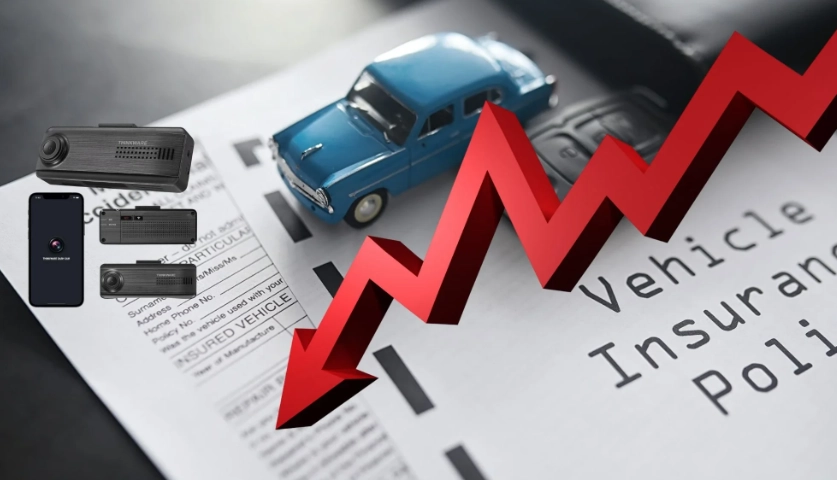
I installed my first dash cam years ago after a close call that was, of course, the other driver's fault. I remember thinking, "This thing will pay for itself if it just saves me from one headache." But when I called my insurer to ask about a discount, the response was... underwhelming. It sparked a deep dive into how insurance companies really view this technology. Let's unpack it all, strip away the marketing hype, and look at what actually matters for your wallet.
The Short Answer and the Long Reality
The short, direct answer to "Will car insurance go down if you have a dash cam?" is: Maybe, but don't count on an automatic, upfront discount from every company. It's not like installing a home security system where you call and get 5% off right away. The relationship is more indirect and often hinges on what happens after an incident, not before.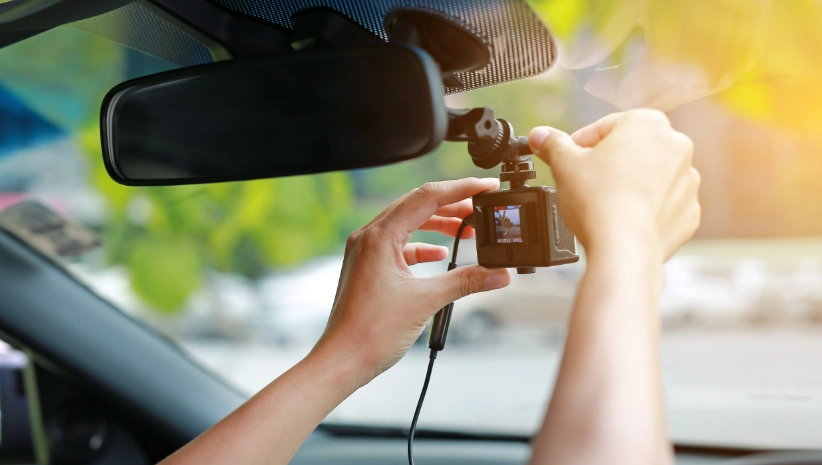
Key Insight: The primary financial benefit of a dash cam often isn't a monthly discount. It's the potential to prevent an at-fault claim after a disputed accident, which protects your no-claims bonus and stops your rates from skyrocketing. That's where the real long-term savings live.
Think of it this way. Insurance is a game of risk. Companies charge you based on the risk they think you represent. A dash cam doesn't necessarily make you a lower-risk driver in their statistical models today. But it dramatically changes the facts on the ground when something goes wrong. It turns a "he-said-she-said" mess into a clear, indisputable record. And that is incredibly valuable, both to you and, in a roundabout way, to them.
How Dash Cams Actually Influence Your Insurance Costs
Let's break down the specific mechanisms. Saying "a dash cam lowers insurance" is vague. How, exactly? Here are the main channels:
1. Potential Upfront Discounts (The Rarer Path)
A handful of insurers have started to formally recognize dash cams. They might offer a small discount for having one installed and, more importantly, for agreeing to share footage in the event of a claim. This is more common with usage-based insurance (UBI) programs, where you plug a device into your car or use an app to track your driving. A dash cam complements this data perfectly.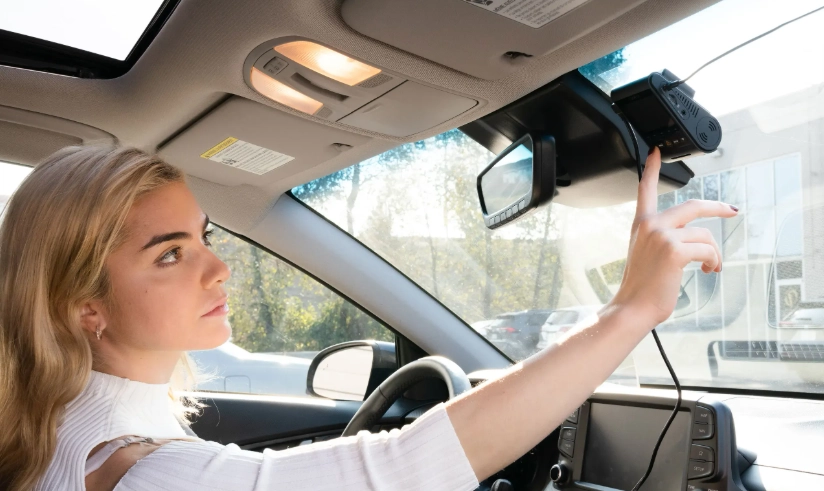
For example, some insurers view a dash cam as a "telematics device" that promotes safer driving (knowing you're being recorded can make you more conscious) and aids in fraud prevention. The discount, if offered, is typically modest—think 5% to 10%, not 30%. You have to ask. It's never automatic.
2. The Fault Determination Powerhouse (The Common Path)
This is the big one. Most people won't get a monthly discount, but nearly everyone can benefit from this. In an accident, determining fault is everything. If you're found 0% at-fault, your rates shouldn't increase. If you're found 100% at-fault, brace for a premium hike.
Here's a personal gripe: I've heard stories where someone was sure they weren't at fault, but without evidence, the insurance companies settled on a 50/50 blame split to avoid legal costs. Both parties' rates went up. A dash cam obliterates that lazy compromise. It provides objective truth.
By providing clear evidence that you were not at fault, a dash cam:
- Protects your No-Claims Discount (NCD): This is often the most valuable discount you have. A single at-fault claim can wipe years of built-up NCD, costing you thousands over the next few years.
- Prevents an At-Fault Claim on Your Record: An at-fault claim can haunt your insurance history for 3-5 years, affecting quotes from every company.
- Speeds Up the Claims Process: No investigation needed. You send the video, liability is clear, and your claim gets processed faster. Less hassle is a form of savings.
So, while your bill might not be lower next month, you are actively insuring yourself against a massive future increase. That's a powerful form of financial protection.
3. Deterring and Defeating Insurance Fraud
This is a huge deal for the industry. Staged accidents, "crash for cash" schemes, and exaggerated injury claims cost insurers billions, and those costs get passed on to all of us in higher premiums. The Insurance Information Institute outlines the staggering scale of the problem.
A visible dash cam is a strong deterrent. Fraudsters look for easy targets. A camera makes your car a less appealing one. If they proceed anyway, the video is a slam-dunk defense. By helping combat fraud, you're indirectly contributing to lower industry-wide costs. It's a collective benefit.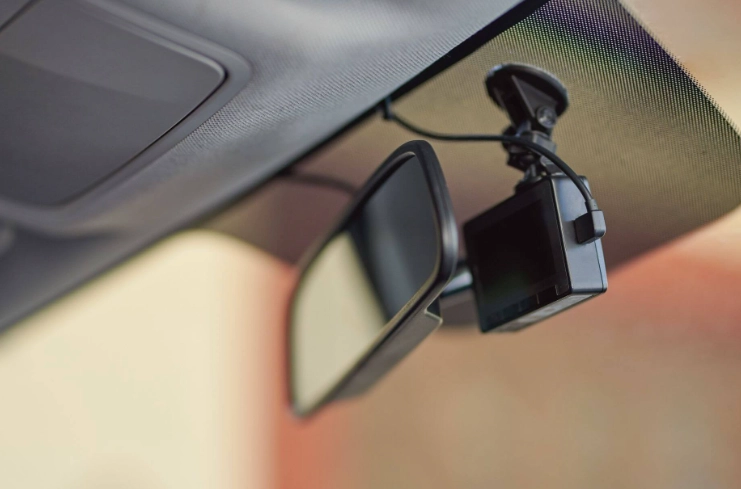
What Major Insurance Companies Say (A Reality Check)
Policies change, so always call and ask. But here's a snapshot of the landscape as it often stands. Don't take this as a permanent guarantee—it's a starting point for your own research.
| Insurance Company | Formal Dash Cam Discount? | Typical Stance & Notes |
|---|---|---|
| State Farm | No widespread standard discount. | Encourages them for claims evidence. May consider them as part of a broader safe driver/telematics program in some states. Agent discretion plays a role. |
| Geico | No advertised upfront discount. | Explicitly states they do not offer a discount just for having a dash cam. However, they strongly acknowledge their value for determining fault in claims. |
| Progressive | Possible through Snapshot®. | Their Snapshot usage-based program is where a dash cam might help. Safer driving data from Snapshot can earn discounts, and a cam supports that story. |
| Allstate | Possible through Drivewise®. | Similar to Progressive. Their Drivewise program tracks driving. While the cam itself isn't the discount, the safer habits it may encourage and the evidence it provides align with the program's goals. |
| USAA | No specific discount listed. | Like others, recognizes the value in claims processing and fraud prevention for members. |
| Local / Regional Insurers | Sometimes. | This is where you might find more flexibility. Smaller companies fighting fraud might be more proactive in offering a small incentive. Always ask! |
See the pattern? The industry largely sees dash cams as a claims-resolution tool, not a premium-reduction gadget. That's a crucial distinction.
Beyond Discounts: The Tangible Value You Can Bank On
Even without a line-item discount, the value proposition is strong. Let's quantify the unquantifiable.
- Deductible Savings: In a not-at-fault accident, the other driver's insurance should pay for everything, including your deductible. Without proof, you might have to pay your deductible upfront and wait for reimbursement. With clear video, their insurer often accepts liability immediately, so you never pay yours.
- Legal Fee Protection: If a dispute escalates, your video could make a lawsuit unnecessary or guarantee a quick settlement in your favor. Lawyers are expensive.
- Peace of Mind: This isn't fluffy. The stress of dealing with a contested accident, rising premiums, and a damaged driving record is real. A dash cam buys you certainty. That has value.
I look at my dash cam as a one-time payment for a permanent insurance policy against false liability. The camera cost me $120. A single at-fault claim could easily cost me over $1000 in premium increases over three years. The math, for me, is a no-brainer.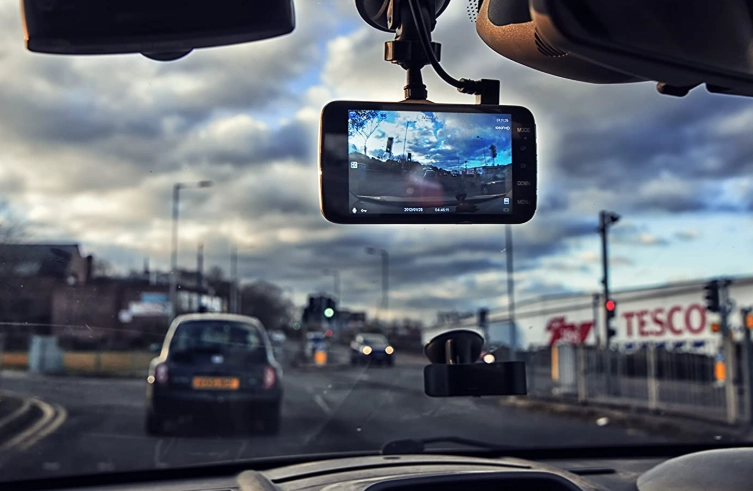
Privacy, Legalities, and the Fine Print
This is the part most blog posts gloss over, and it's critical. Before you hit record, know the rules.
Audio Recording: This is a legal minefield. Eleven states require two-party consent for audio recordings (CA, CT, FL, IL, MD, MA, MT, NH, PA, WA). That means everyone in the car must know and agree to be recorded. In other states, one-party consent (just you) is fine. My advice? Turn the audio off. Video is what you need for an accident. Audio complicates things with privacy laws and might not be admissible. The Digital Media Law Project has a detailed guide on recording laws, but consult your state's statutes.
Data Ownership and Submission: The footage is yours. You are not obligated to automatically send all your driving to your insurer. You only need to submit relevant clips during a claim. Read any agreement if you're signing up for a formal "discount program"—some may require more regular data sharing.
Front and Rear Cams: A rear-facing camera doubles your evidence, capturing rear-end collisions (very common) and hit-and-runs while parked. It's a worthwhile upgrade.
Pro Tip: Get a dash cam with a capacitor (not just a lithium battery). Capacitors handle extreme car temperatures (both hot and cold) much better, ensuring reliability when you need it most.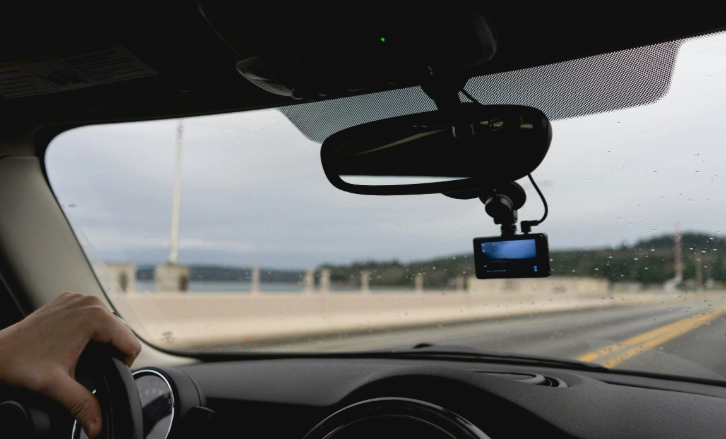
Your Action Plan: How to Navigate This with Your Insurer
Don't just buy a cam and hope. Be strategic.
- Call Your Current Insurer (Before You Buy): Ask directly: "Do you offer any discount, incentive, or recognition for customers who install a certified dash cam?" If they say no, ask: "Do you accept dash cam footage as primary evidence in claims disputes?" Their answer to the second question is more important.
- Shop Around: When getting new quotes, ask other companies the same questions. A company that proactively values dash cams might be a better long-term partner.
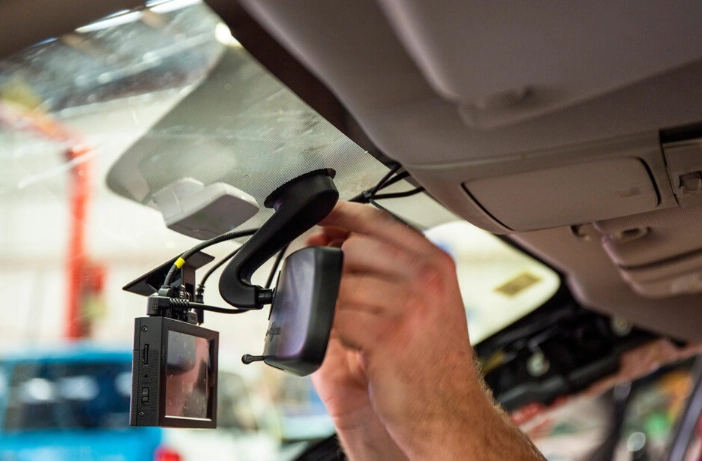
- Install It Correctly: Mount it properly, usually behind the rearview mirror, so it doesn't obstruct your view. Hardwire it to your fuse box for parking mode (get a professional install if you're not comfortable), or use the cigarette lighter. Ensure it powers on and records every time you drive.
- Use a High-Quality Memory Card: Get a high-endurance microSD card designed for continuous writing and rewriting. A regular card will fail quickly.
- In an Accident: Stay calm. Secure the footage immediately. Say to the other driver and any witnesses, "I have a dash cam that recorded the entire incident." Often, this alone changes the tone of the conversation. Provide the footage to your claims adjuster immediately.
Common Questions (The Stuff You're Actually Wondering)
The Final Verdict
So, circling back to the burning question: Will car insurance go down if you have a dash cam?
The most honest, practical answer is this: It might lead to a small discount with the right insurer, but its true power is as a financial shield. It's an investment that protects you from catastrophic premium increases by proving innocence, safeguarding your no-claims bonus, and cutting through fraudulent nonsense.
View it less as a coupon for your monthly bill and more as an insurance policy for your insurance policy. The peace of mind, the leverage in a dispute, and the protection against a lifetime of higher rates are worth far more than a 5% discount. After my own research and experience, I wouldn't drive a day without one. It's not about the immediate savings; it's about the financial calamity it prevents. And that, in the end, is the smartest kind of savings there is.
Now, go check your state's recording laws, call your insurer, and make an informed choice. Your future self—possibly in a stressful parking lot exchanging information—will thank you.