Quick Guide
- What's Actually in That Bottle? Breaking Down the Types
- Cracking the Code: What Does 5W-30 Actually Mean?
- How to Actually Choose the Right Engine Oil (A Step-by-Step Plan)
- The Oil Change Process: What Matters and What's Hype
- Your Burning Engine Oil Questions, Answered
- A Final Thought Before You Hit the Store
Let's be honest, most of us just grab whatever bottle is on sale when the maintenance light comes on. I used to do that. Then, an old mechanic friend watched me pour a generic 10W-40 into my modern turbocharged engine and nearly had a heart attack. "You're asking for sludge city," he said, shaking his head. That moment sent me down a rabbit hole about engine oil I never knew existed. It's not just slippery stuff; it's a highly engineered cocktail that cools, cleans, protects, and seals. Getting it wrong isn't just about a slight performance dip—it can quietly shorten your engine's life by tens of thousands of miles. This guide is what I wish I had before I almost made a costly mistake.
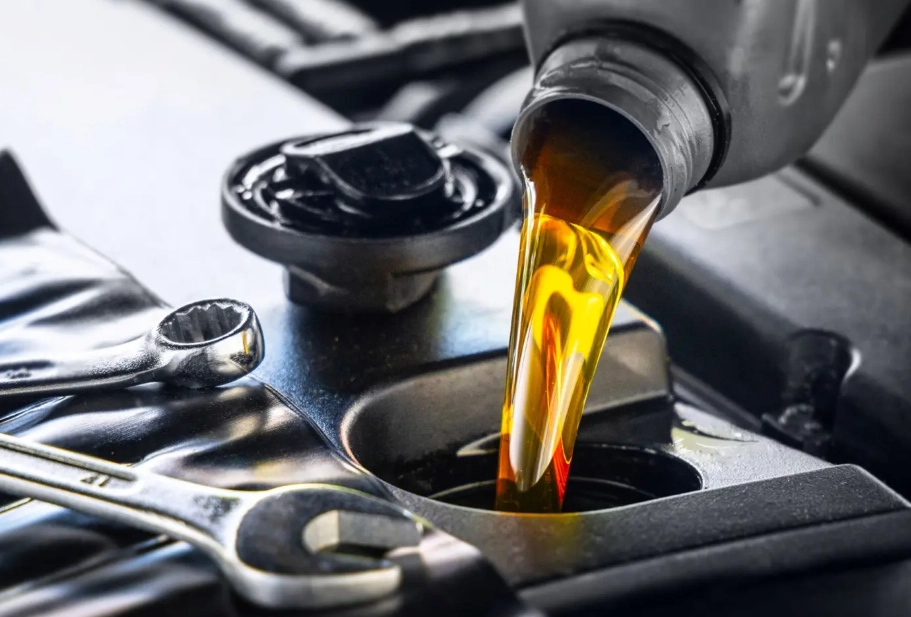 Think of oil as your engine's blood. You wouldn't put just any fluid in your veins.
What's Actually in That Bottle? Breaking Down the Types
Walk into any auto parts store, and the wall of engine oil choices is overwhelming. They're not all the same. The base oil—the foundation that makes up about 70-90% of the bottle—is what separates them. The additives (detergens, anti-wear agents, friction modifiers) are the secret sauce mixed in. Here’s the real breakdown, stripped of the marketing fluff.
Conventional Oil: The Old Reliable (But Maybe Too Old)
This is refined from crude oil. It's the basic, no-frills option. It works, especially for older cars designed decades ago with simple engines and wide tolerances. But it has downsides. It breaks down faster under high heat (think summer traffic or towing), and its molecular structure isn't as uniform, meaning it can form more sludge and deposits over time. If your car's manual specifically calls for it and you drive gently, it's fine. But for most modern engines, it's like using a typewriter in a smartphone world—it functions, but it's not optimized.
Full Synthetic Oil: The High-Performance Standard
This is where things get interesting. Synthetic engine oil isn't just refined; it's chemically engineered from pure, uniform molecules. This gives it massive advantages. It flows better at super cold temperatures (so less engine wear on winter mornings), resists breaking down at extreme heat, and keeps internal engine parts cleaner for much longer. It's simply more robust. Most car manufacturers now recommend or require synthetic oil for their engines because they run hotter and tighter for efficiency. Yes, it costs more per quart, but the extended drain intervals (often 7,500 to 10,000 miles) can make the cost per mile comparable, plus you get better protection.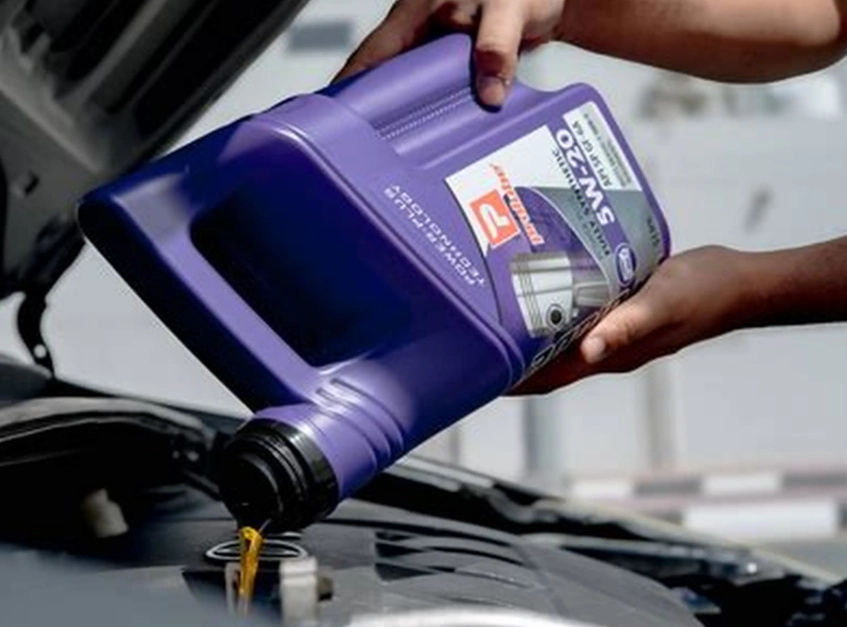
Synthetic Blend & High-Mileage Oils: The Niche Players
Synthetic blend oils are a mix of conventional and synthetic base oils. They offer a middle-ground: better protection than conventional at a lower price than full synthetic. They're a popular choice for trucks and SUVs that do a lot of stop-and-go driving. Then there are high-mileage engine oils. These are usually synthetics or blends with extra additives like seal conditioners (to plump up old, leaky gaskets) and more anti-wear agents. Do they work? For a car with over 75,000 miles showing minor leaks or consumption, they can be a great, non-invasive first step. They won't fix a blown seal, but they can help slow down minor seepage.
| Oil Type | Best For | Key Advantage | Biggest Drawback |
|---|---|---|---|
| Conventional | Older vehicles, simple engines, very low-mileage drivers. | Lowest upfront cost. | Breaks down faster, poorer extreme temperature performance. |
| Synthetic Blend | Moderate stress (towing, hauling), budget-conscious protection. | Better protection than conventional without full synthetic price. | Doesn't offer the full longevity/performance of pure synthetic. |
| Full Synthetic | Modern engines, turbo/superchargers, extreme climates, long drain intervals. | Superior protection, cleanliness, and temperature range. | Higher per-quart cost. |
| High-Mileage Synthetic | Vehicles with 75k+ miles, minor leaks or oil consumption. | Additives can condition seals and reduce burn-off. | Premium price; not a fix for major mechanical issues. |
Cracking the Code: What Does 5W-30 Actually Mean?
This is the viscosity grade, and it's the most confusing part for people. It's not the oil's "weight" but its resistance to flow. That "W" stands for Winter, not Weight. The system, defined by the SAE International (a legit standards body), tells you how the oil behaves in cold and hot temperatures.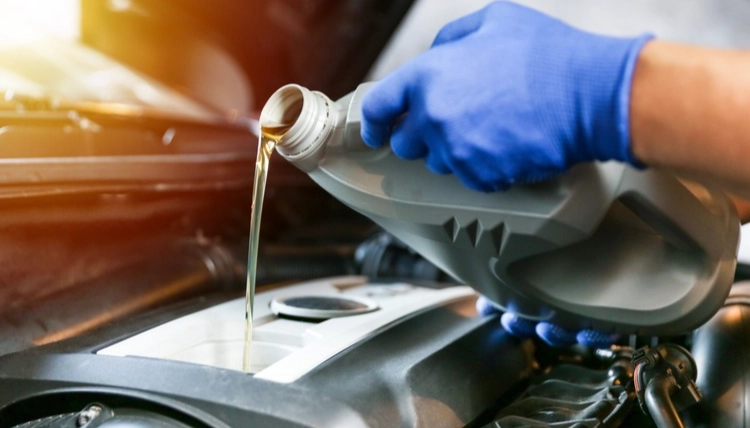
The number before the W (like the 5 in 5W-30) tells you how easily the oil pumps and flows at 0°F (-18°C). A lower number means it flows more easily when cold. This is critical for cold starts, when most engine wear happens because oil is thick and hasn't reached all the parts yet. The number after the W (the 30) represents the oil's resistance to thinning out at the engine's normal operating temperature (212°F or 100°C). A higher number means it stays "thicker" and maintains protective film strength under heat and load.
The Great Debate: 5W-30 vs. 5W-40 vs. 0W-20
You'll see endless forum wars about this. The absolute, non-negotiable truth? Use what your car's manufacturer specifies in the owner's manual. Seriously. Engine designers pick a viscosity based on the microscopic clearances between bearings, pistons, and camshafts. Using a 5W-40 where a 0W-20 is called for can reduce fuel economy and strain the oil pump. Using a 5W-20 where a 5W-40 is required can lead to oil film breaking down under load, causing wear.
That said, there are trends. Older American V8s often use 5W-30. Many modern fuel-efficient engines use super-thin 0W-20 or even 0W-16 to reduce internal friction. Some European performance cars, with their scorching-hot turbocharged engines, specify 5W-40 or 0W-40 for that extra high-temperature film strength. The move toward lower first numbers (0W instead of 5W or 10W) is all about better cold-start protection and faster lubrication.
How to Actually Choose the Right Engine Oil (A Step-by-Step Plan)
Forget the brand hype for a second. Follow this checklist, in order.
- Open Your Owner's Manual. I know, it's in the glovebox for a reason. Find the viscosity grade (e.g., 5W-30) and the recommended oil specification (e.g., API SP, dexos1® Gen 3). This is your bible.
- Decide on Conventional or Synthetic. If your manual "recommends" synthetic, you can technically use conventional, but you'll sacrifice protection and interval length. If it "requires" synthetic, don't deviate. For most cars made in the last 10-15 years, full synthetic is the smart play.
- Look for the Certification Stamps. On the back of the bottle, you'll see logos like "API SP" (the latest American Petroleum Institute standard for gasoline engines) or "dexos1®" (a GM-specific, stricter standard). These matter. They mean the oil passed specific tests for wear protection, sludge prevention, and fuel economy retention. The API's website lets you verify licensed oils.
- Factor in Your Driving. This is where you might adjust within the manual's guidelines. Do you mostly take short trips under 10 minutes? The oil never gets hot enough to boil off moisture, leading to acid formation. Consider more robust synthetic oil and shorter change intervals. Do you tow a trailer or live in Phoenix? The high-temperature performance of a full synthetic is non-negotiable.
- Consider Mileage. Over 75,000 miles, a high-mileage formulation of your recommended viscosity can be a wise, preventative choice for keeping seals supple and wear in check.
The Oil Change Process: What Matters and What's Hype
Changing your engine oil isn't rocket science, but a few details make a big difference.
Warm Up the Engine First. A quick 5-minute drive gets the oil warm and thin, helping it drain completely and carrying suspended gunk with it. Don't drain a stone-cold engine.
The Filter is Half the Job. A cheap oil filter can undo the benefits of premium engine oil. A good filter has a robust anti-drain back valve (to prevent dry starts) and proper filtering media. I've cut open cheap filters to find flimsy cardboard end caps—not something you want protecting your engine. Spend the extra $5 on a quality brand.
Tighten by Hand, Then a Bit. Overtightening the oil filter or drain plug is a classic DIY mistake. For the filter, hand-tighten it until the gasket makes contact, then give it another 3/4 to 1 turn with a wrench. For the drain plug, consult your manual for the torque spec (usually around 25-30 ft-lbs). It's not "the tighter, the better." Stripping the oil pan is a miserable and expensive repair.
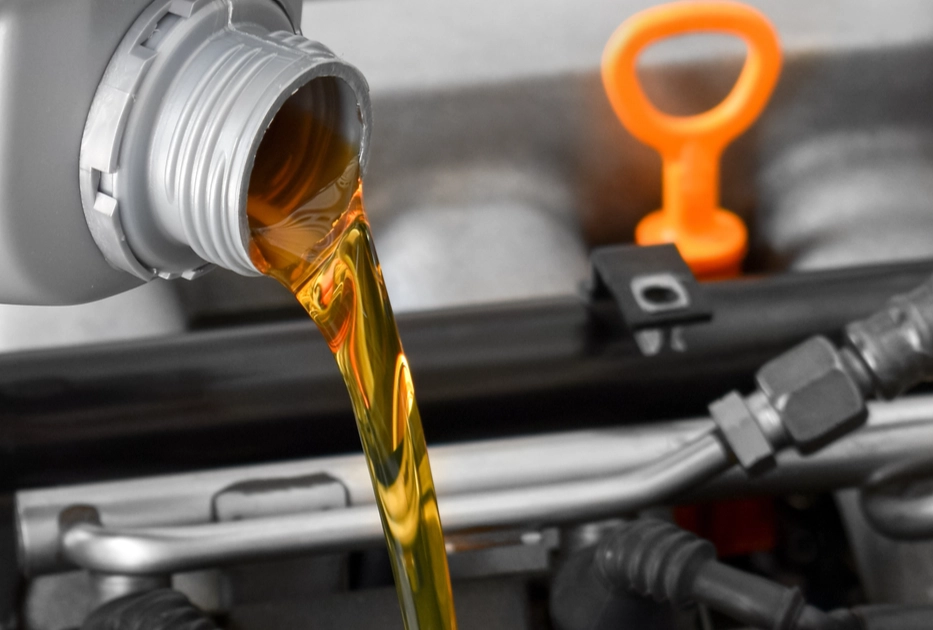
Check the Level Correctly. After adding the specified amount, run the engine for a minute, then turn it off and wait 2-3 minutes for oil to drain back into the pan. Pull the dipstick, wipe it clean, reinsert it fully, then pull it to check. The level should be between the two marks. Overfilling can cause aerated oil and damage; underfilling is obviously worse.
Your Burning Engine Oil Questions, Answered
The old "3,000 miles or 3 months" rule is dead for modern cars and modern oils. It was great for oil change shops, terrible for your wallet and the environment. Your car's computer calculates an oil life percentage based on cold starts, engine temps, and load. For synthetic oils, 7,500 to 10,000-mile intervals are common. Trust your manual's severe vs. normal service guidelines. If you do mostly short trips, idling, or towing, follow the "severe" schedule.
This is actually a good thing. It means the detergents and dispersants in the oil are doing their job—holding soot, combustion byproducts, and microscopic contaminants in suspension so they can be drained out, not left as engine-killing sludge. Fresh, clean oil will turn amber-brown within a few hundred miles. Black oil isn't necessarily "dirty" in the sense of being worn out.
A tiny amount of consumption (like a quart every 3,000 miles) can be normal for some high-performance or high-mileage engines. But if you're adding a quart every 1,000 miles, you have a problem. Common culprits are worn piston rings, valve guide seals, or PCV (Positive Crankcase Ventilation) valve failure. A failing PCV valve is a cheap and easy fix; the others are not. Get it checked.
In an emergency, if you're a quart low and only have a different brand of the same viscosity (e.g., you have Mobil 1 5W-30 and need to add a quart of Castrol 5W-30), it's okay to get you to a proper change. The base oils and additive packages are compatible enough. But don't make a habit of it, and never intentionally mix different viscosities (like 5W-30 with 10W-40) or types (conventional with synthetic) as a plan. You're creating a cocktail with unpredictable performance.
This is where I get skeptical. There are fantastic, highly engineered boutique oils out there. But for 99% of drivers on public roads, a major-brand full synthetic that meets the latest API SP and your manufacturer's spec is more than sufficient. You're paying for exotic base stocks and marketing. The difference between a $30 synthetic and a $60 boutique synthetic will be imperceptible in a daily-driven Camry. Save your money unless you're tracking your car or have a highly modified engine where that last 1% of protection matters.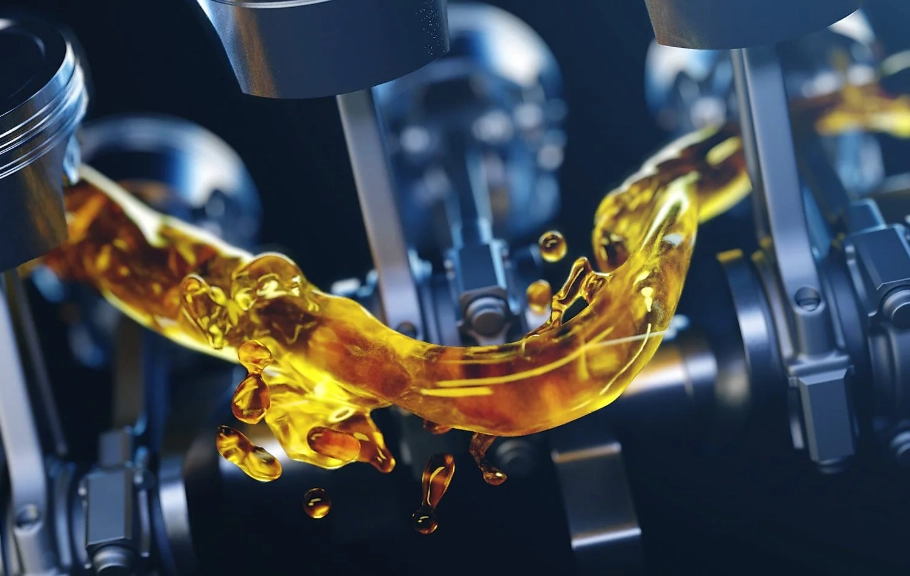
A Final Thought Before You Hit the Store
Choosing engine oil feels complicated because, well, it is. But it doesn't have to be paralyzing. Start with your manual's specification—that's your anchor. From there, let your driving habits and budget guide you toward conventional, synthetic blend, or full synthetic. Don't get swayed by shiny bottles or racing stickers. A quality oil change with the right product is one of the cheapest forms of insurance you can buy for your car. It's the difference between an engine that gives up at 150,000 miles with a rattle and one that purrs smoothly past 250,000. After learning all this, I'll never look at that unassuming plastic bottle the same way again. It's not an expense; it's an investment in the heart of your car.
And hey, next time you're in the aisle, you'll know exactly what you're looking at. That's power.