Let's cut to the chase: your car's seats take a beating. From spilled coffee to kids' muddy shoes, upholstery is the frontline of your interior. I've spent a decade in auto detailing, and I've seen every mistake in the book. This isn't just about cleaning—it's about making smart choices that save you money and keep your car looking sharp for years. We'll dive into materials, step-by-step cleaning, and those little secrets the pros use.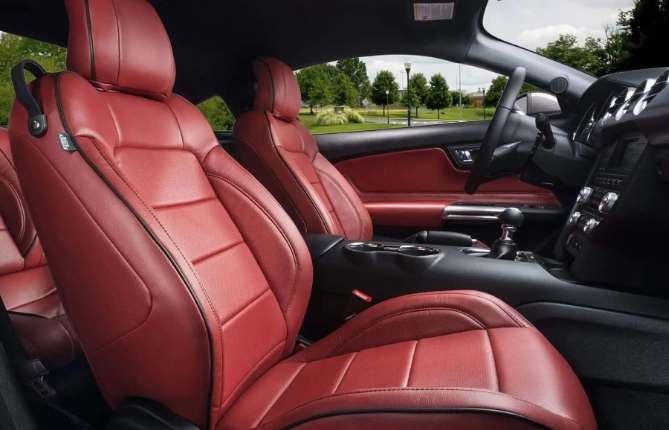
What You'll Find Inside
The Truth About Upholstery Materials (Beyond the Sales Pitch)
Most guides just list leather and fabric. Big deal. Here's what actually matters when you're living with it daily.
Leather: It's Not Just About Luxury
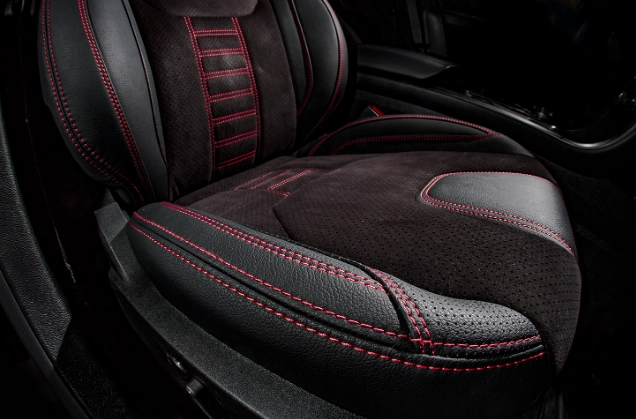
Leather feels premium, but it's high-maintenance. Real leather breathes, but it cracks in sun if untreated. Bonded leather—a cheap alternative—peels within years. I had a client with a luxury sedan whose seats started flaking after three summers. The fix? A $400 re-dye job. For durability, look for top-grain leather with a matte finish; it hides scratches better.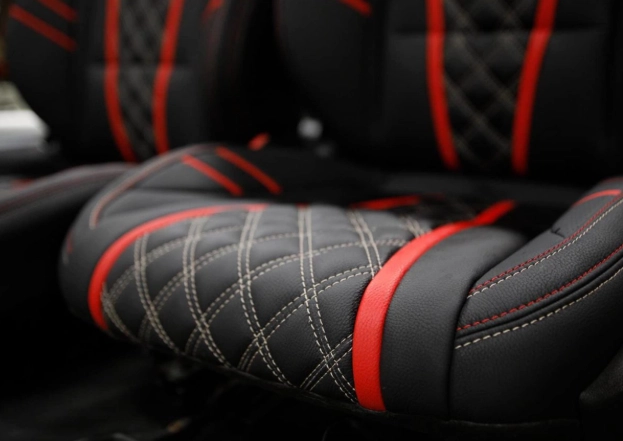
Fabric Seats: More Than Meets the Eye
Fabric isn't just one thing. Most modern cars use polyester blends because they resist stains—sort of. That "stain-resistant" coating wears off after 50 washes. A study by the International Detailing Association noted that fabric seats accumulate 30% more allergens than leather. Vacuum regularly, or you're basically driving on a dust bunny.
Vinyl and Synthetic Options: The Overlooked Heroes
Vinyl gets a bad rap, but it's tough. It's common in trucks and economy cars. Clean it with mild soap, but avoid alcohol-based cleaners—they dry it out. Synthetic materials like Alcantara feel like suede but stain if you look at them wrong. I use a soft brush and dedicated cleaner for those.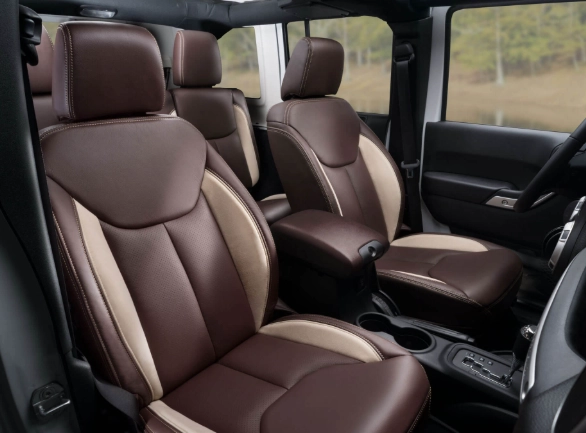
| Material | Durability | Cleaning Effort | Approx. Cost to Replace (per seat) |
|---|---|---|---|
| Real Leather | High (if maintained) | Medium | $500-$1000 |
| Fabric Blend | Medium | Low | $200-$400 |
| Vinyl | High | Low | $150-$300 |
| Alcantara | Low | High | $600-$900 |
How to Clean Car Upholstery Without Ruining It
Everyone grabs a generic spray and goes to town. Stop. Here's a method that works for 95% of stains.
First, vacuum thoroughly. I mean it—get into the crevices with a brush attachment. Miss this, and you'll grind dirt deeper.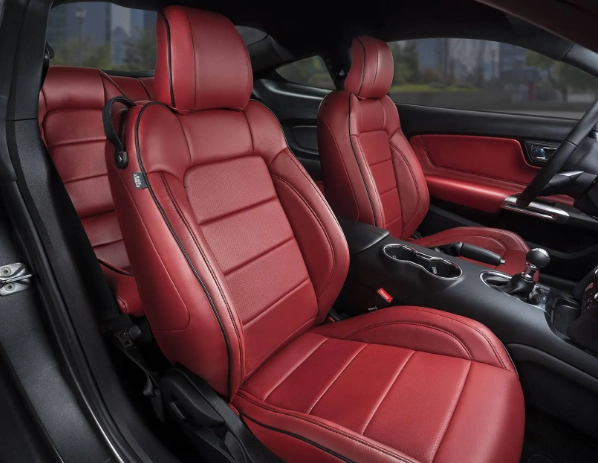
For fabric seats:
- Mix 1/4 cup of white vinegar with 1 cup of water in a spray bottle. Vinegar breaks down oils without harsh chemicals.
- Spray lightly, don't soak. Let it sit for 5 minutes.
- Scrub gently with a microfiber cloth or soft brush. Circular motions work best.
- Blot dry with a towel. If you have a wet-dry vacuum, use it to suck out moisture.
For leather:
- Use a pH-balanced leather cleaner. I like Lexol Leather Cleaner—it's gentle.
- Apply with a damp cloth, never directly pour. Wipe in straight lines to avoid streaks.
- Condition immediately after cleaning. Skip this, and the leather dries out faster.
For tough stains like ink or grease, try a dedicated upholstery cleaner like Folex. Test on a hidden spot first. I ruined a client's seat once by assuming all fabrics were the same; the dye ran.
The Protection Mistake 90% of Car Owners Make
You buy a protectant spray and coat everything every month. Wrong. Over-application creates a sticky film that attracts more dirt. Silicone-based protectants, common in cheap products, can actually degrade materials over time.
For fabric, use a fluorocarbon-based spray like 303 Fabric Guard. Apply it once a year, after a deep clean. Two light coats are better than one heavy one.
For leather, a water-based conditioner every 3-6 months is plenty. I prefer products with lanolin—they mimic natural oils. Avoid anything with a high gloss; it looks fake and wears off quickly.
Sun protection is key. UV rays fade and crack upholstery faster than anything. Use sunshades or park in shade. Simple, but most people ignore it until it's too late.
When to Repair vs. Replace: A Real Cost Breakdown
A tear doesn't mean the seat is trash. Here's my rule of thumb: if the damage is smaller than a credit card, repair it. Larger, and replacement might be better.
Repair costs:
- DIY repair kit: $20-$50. Good for small tears, but results vary. I've seen kits last years if applied carefully.
- Professional repair: $100-$300 per tear. They use color-matched fillers and heat guns to blend it in. Worth it for visible areas.
Replacement costs:
- Fabric seat cover: $200-$500 per seat, plus labor.
- Leather seat cover: $500-$1500 per seat. OEM parts are pricier.
Consider resale value. A repaired seat looks better than a mismatched replacement. I helped a friend fix a dog tear in her SUV's fabric seat for $80; a dealer quoted $700 for replacement.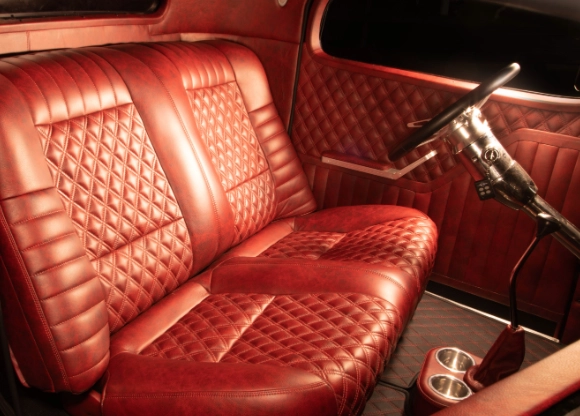
FAQ: Straight Answers from the Trenches
Car upholstery isn't rocket science, but it demands attention. Start with the right materials, clean smart, protect wisely, and repair when you can. Your seats will thank you—and so will your wallet when trade-in time comes. Got a specific issue? Drop a comment below, and I'll share more from my toolbox.