You turn on your window air conditioner, hear the fan whirring, feel air moving… but it's just room temperature or even warm. That sinking feeling hits. It's the peak of summer, and your trusty cooling box has decided to take a vacation. Before you panic and start searching for a costly repair technician or a new unit, take a deep breath. In my years of fixing these things, I've found that over 80% of "AC not blowing cold air" problems are fixable by you, often in under 30 minutes and for less than $50. The key is a systematic approach. Let's walk through it.
What's Inside: Your Quick Fix Roadmap
Start With the Obvious (But Most Overlooked) Stuff
I can't tell you how many service calls I've made where the fix was literally a 30-second adjustment. People jump straight to complex diagnoses and miss the simple things. Always start here.
Is the Thermostat Set Correctly?
Sounds silly, right? But check. Is the thermostat dial or digital setting actually below the current room temperature? If it's set to 75°F and the room is 74°F, the compressor won't kick on. You'll just get fan air. Turn it down to 70°F or "Max Cool" and listen for a click and a deeper hum about 30 seconds later. That's the compressor starting. No click? The problem is elsewhere.
The #1 Culprit: A Dirty Air Filter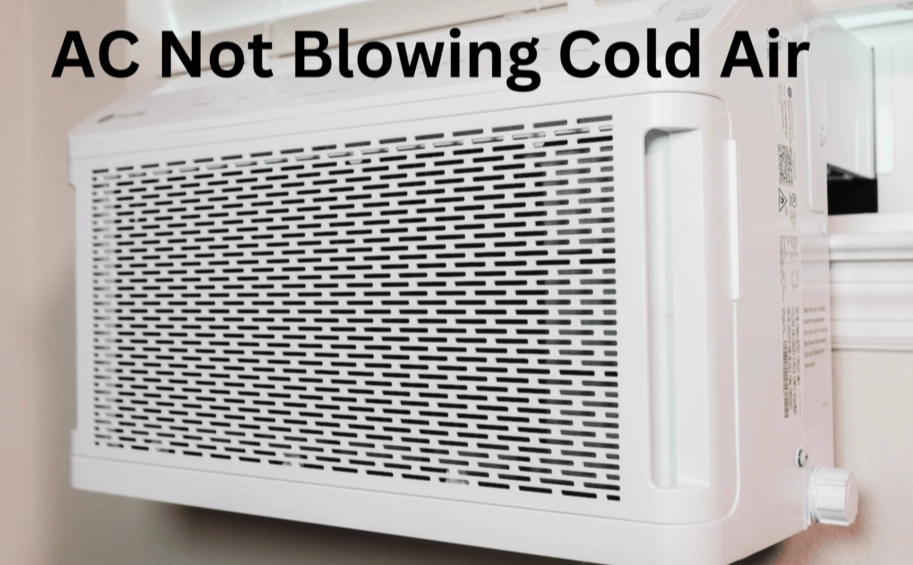
This is the grand champion of cooling failures. A clogged filter doesn't just hurt air quality; it strangles airflow over the cold evaporator coil inside the unit. Without enough air moving across it, the coil freezes solid into a block of ice. You'll get little to no air flow, and what does come out might feel cool for a minute, then just moist.
Pull the filter. Hold it up to the light. Can you see light through it? If not, wash it (if reusable) with warm, soapy water or replace it. This should be done every month during heavy use. A clean filter is the cheapest maintenance you can do.
Pro Tip from the Field: After cleaning a filthy filter, your unit might still not cool immediately if the evaporator coil behind it is also coated in dust and grime. Use a soft brush attachment on a vacuum to gently clean those delicate fins. Be careful not to bend them.
The Outside Unit Problem: Dirty Condenser Coils
Here's where most DIYers stop, and it's the biggest mistake. You cleaned the filter, but the AC still isn't blowing cold air. Now you need to look at the back side of the unit – the part that sticks outside your window.
Those metal fins (the condenser coils) release the heat absorbed from your room. If they're matted with dirt, pollen, cottonwood fluff, or grass clippings, the heat has nowhere to go. The system overheats, pressure builds, and a safety switch shuts the compressor off. The fan may run, but no cooling happens.
How to clean them safely:
- Unplug the unit. Seriously. Do not skip this.
- Remove the plastic outer casing if possible (check your manual).
- Use a soft brush to gently loosen debris from the fins. Always brush along the fins, not against them, to avoid bending.
- For a deeper clean, use a foaming coil cleaner from a hardware store. Spray it on, let it sit for 10 minutes as it bubbles and dissolves grime, then rinse gently with a low-pressure garden hose from the inside out (pushing dirt out the way it came). Never use a pressure washer.
I fixed my neighbor's 5-year-old unit last month that "suddenly stopped cooling." The condenser coil was so packed with lint it looked like a sweater. A $10 can of cleaner and 20 minutes later, it was blowing 55°F air again.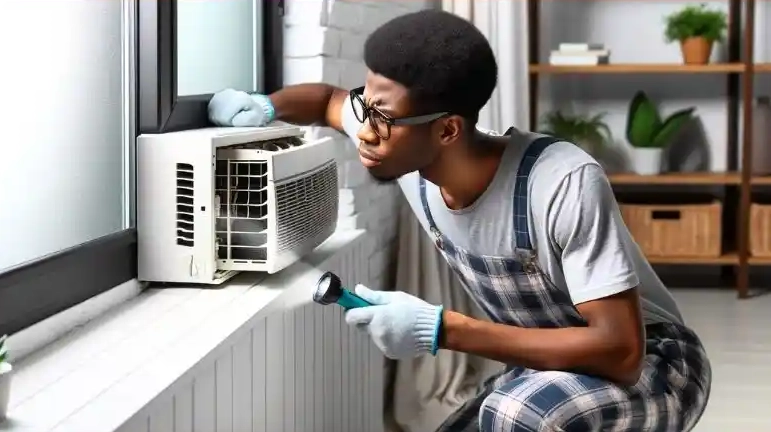
Fan is Running, No Cooling: The Compressor & Refrigerant
If the basics are covered, we dig deeper. You hear the indoor fan, but do you hear the compressor? It's a distinct, lower-pitched hum or vibration from the outdoor side. Put your hand on the side of the outdoor unit. If it's quiet and not vibrating, the compressor isn't running.
Possible Cause: A Failed Compressor
This is the heart of the AC. If it's dead, the unit is often not worth repairing unless it's very new. Replacement costs can approach the price of a new window unit. Before declaring it dead, check for tripped circuit breakers or a blown fuse in your home's electrical panel. Reset or replace them.
The Dreaded Low Refrigerant (Freon) Leak
This is a common fear. Refrigerant is the chemical that absorbs and releases heat. If it leaks out, there's not enough to cool effectively. Signs of a leak: The unit cools poorly, ice builds up heavily on the indoor coil (the large copper pipe feels frozen), and you might hear a hissing sound.
Important: You cannot legally or safely "top off" refrigerant yourself. It requires EPA certification and special equipment. This is a definitive call-a-pro situation. Older units using R-22 refrigerant are especially expensive to repair, as that refrigerant is phased out and very costly.
Electrical Gremlins: The Hard-Start Capacitor
This is a classic failure point that mimics a dead compressor. The compressor needs a big jolt of electricity to start spinning. The hard-start capacitor provides that jolt. Over time, especially with heat cycles, capacitors weaken and fail.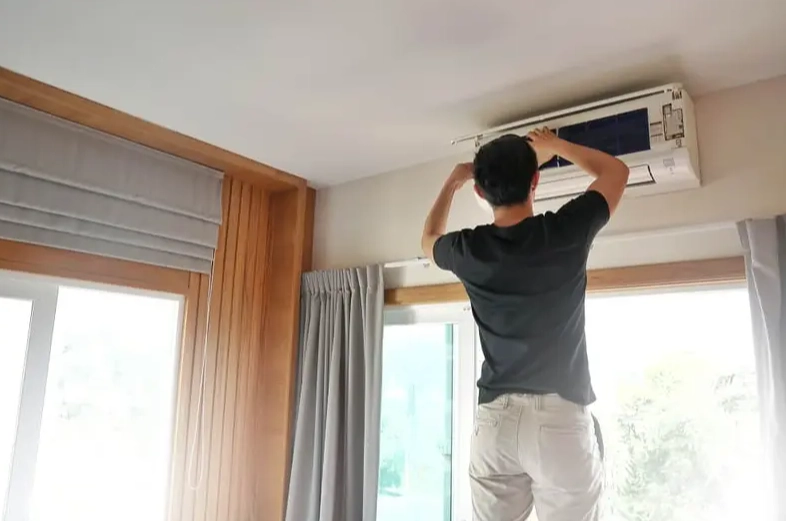
Symptom: You hear a click or hum when the thermostat calls for cooling, followed by another click a few seconds later, and the compressor never starts. Or you hear a single loud hum that then stops.
Replacing a capacitor is a mid-level DIY fix. You must discharge the old capacitor safely with an insulated screwdriver (it can hold a dangerous shock) and take a photo of the wiring before disconnecting. Match the new capacitor's microfarad (µF) rating and voltage exactly. Parts are cheap ($10-$25). If you're not comfortable with electrical work, a handyman or HVAC tech can do this quickly.
When It's Time to Call a Professional
After working through the checklist above, some problems require an expert. Here's when to pick up the phone:
- You've confirmed a refrigerant leak. This needs specialized tools to find, repair, and recharge.
- The compressor is definitively dead. You hear a loud click or buzz, and it never starts, even with a new capacitor. A pro can test it with a multimeter.
- There's a major electrical issue like burned wiring or a failed control board.
- You're simply not comfortable with the steps involving electricity or disassembly.
Calling a pro for a capacitor or deep coil clean might cost $150-$250. For a refrigerant leak or compressor, repair often exceeds $400, at which point buying a new, more energy-efficient unit starts making financial sense.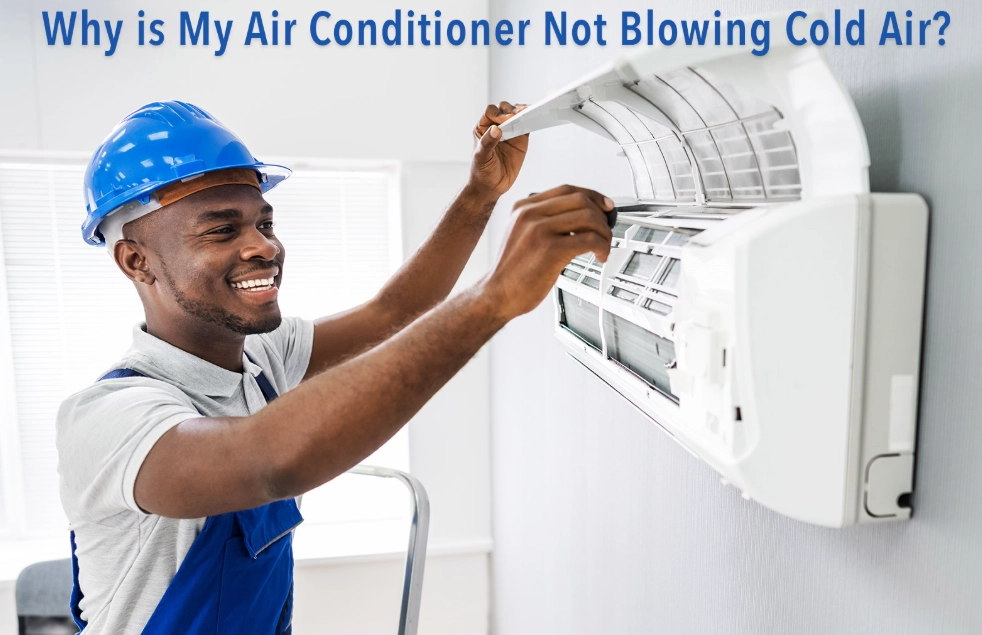
Your Questions, Answered
 I cleaned the filter, but my AC still isn't blowing cold air. What did I miss?