Let's be honest. You don't think about your wiper blades until you desperately need them. Then, in the middle of a torrential downpour on the highway, they reveal their true character. Will they be the heroes, clearing a perfect arc of clarity? Or the villains, leaving you squinting through a smeared, chattering mess?
I learned this lesson the hard way driving through a Sierra Nevada snowstorm. My "still kinda working" blades iced over completely, reducing my world to a blurry porthole. It was terrifying. Since then, I've treated wiper blades with the respect they deserve—as critical safety equipment, not an afterthought.
What You'll Learn in This Guide
Choosing the Right Wiper Blade: It's More Than Just Size
Walk into any auto parts store, and the wall of options is overwhelming. Conventional, beam, hybrid, silicone, graphite-coated... what does it all mean? Let's cut through the marketing.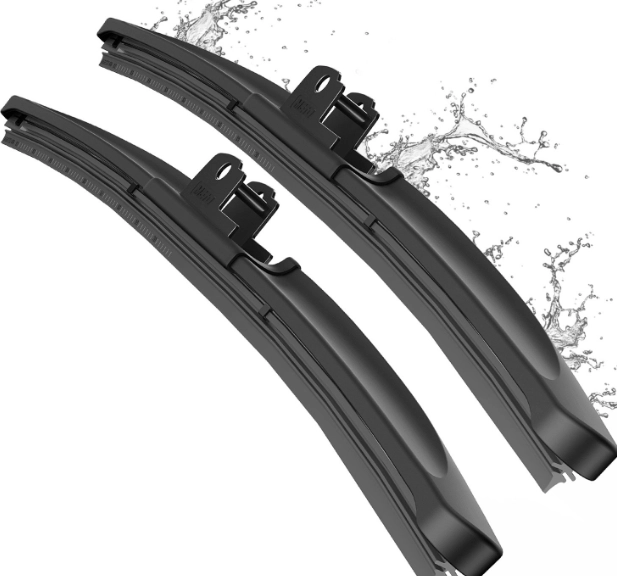
Blade Type Breakdown: Frame vs. Beam vs. Hybrid
Conventional (Frame) Blades: The old-school design with a metal skeleton. They're inexpensive and work fine. The downside? That exposed frame can trap ice and snow in winter, and they don't always conform perfectly to heavily curved modern windshields. If you live in a mild climate and are on a tight budget, they'll do the job.
Beam Blades (Flat Blades): This is the sleek, one-piece design you see on most new cars. A flexible steel or composite backbone holds the rubber evenly along its entire length. They're fantastic because they resist ice buildup, are usually quieter, and apply more consistent pressure on curved glass. Brands like Bosch Icon and Rain-X Latitude are top-tier here. They cost more, but for most drivers, they're worth it.
Hybrid Blades: A mix of both worlds. They have a low-profile frame covered by a aerodynamic shell. They often come with handy connector systems that make installation a breeze. They're a great middle-ground option—better performance than basic frames, often at a lower price than premium beams.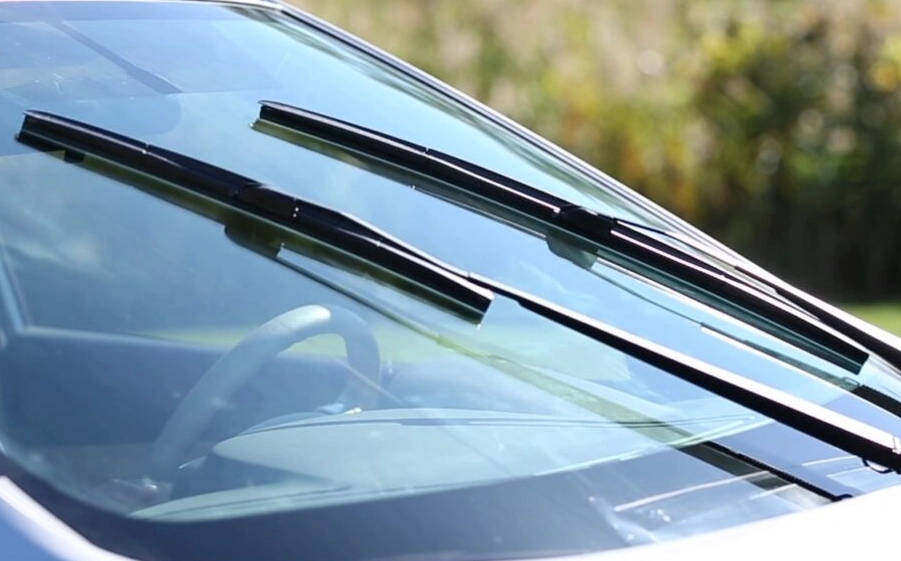
My take: For daily drivers, I almost always recommend beam blades. The performance jump is noticeable, especially in freezing rain. I've had a set of Bosch Icons on my truck for over a year in harsh conditions, and they still wipe like new. The initial sting of the price fades after the first storm you drive through with confidence.
The Rubber Matters (A Lot)
This is the part that touches your glass. Most are natural rubber blended with synthetic compounds. Some premium blades use silicone rubber, which lasts significantly longer and resists ozone cracking. The trade-off? Silicone can be a bit noisier when new and is often pricier.
Look for features like graphite or Teflon coatings. These aren't just gimmicks. A thin layer of graphite reduces friction, which helps prevent the jerky "chatter" sound and can make the blade glide smoother.
How to Find Your Exact Size
This is non-negotiable. Wrong size equals poor performance and potential damage.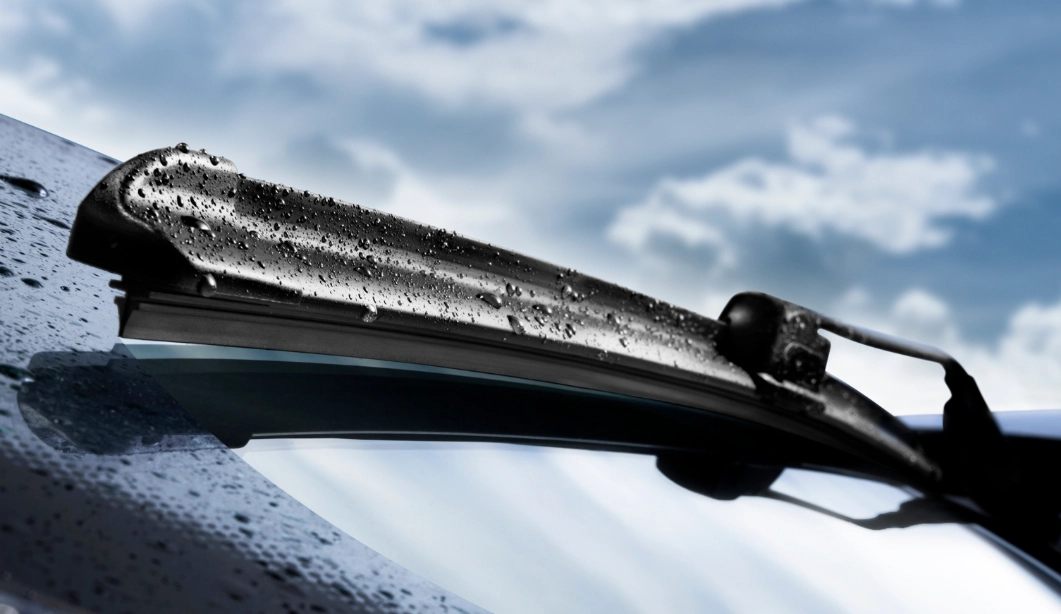
Method 1 (Best): Check your vehicle owner's manual. It's in there.
Method 2 (Easiest): Use the in-store guide or online selector tool on retailer websites (like AutoZone, O'Reilly, or the manufacturer's own site). You enter your car's year, make, and model.
Method 3 (Old School): Measure your old blades. Use a tape measure from one tip of the metal frame (not the rubber) to the other. Driver and passenger sides are often different lengths!
Here's a quick reference for some common sizes, but always verify for your specific vehicle:
| Vehicle Type | Typical Driver Side | Typical Passenger Side | Notes |
|---|---|---|---|
| Sedans (Honda Civic, Toyota Camry) | 26" | 16" | Often an "Aerodynamic" blade type. |
| SUVs/Trucks (Ford F-150, Toyota RAV4) | 22" - 24" | 20" - 22" | Longer arms, need sturdy blades. |
| European Cars (BMW 3 Series, VW Golf) | 24" | 19" | Often use a specific "hook" or "bayonet" arm. |
The Installation Walkthrough: Don't Scratch Your Windshield
This is where people get nervous. That wiper arm is under strong spring tension, and letting it snap back against the glass can cause a costly crack. Relax. Follow these steps, and it's a 10-minute job.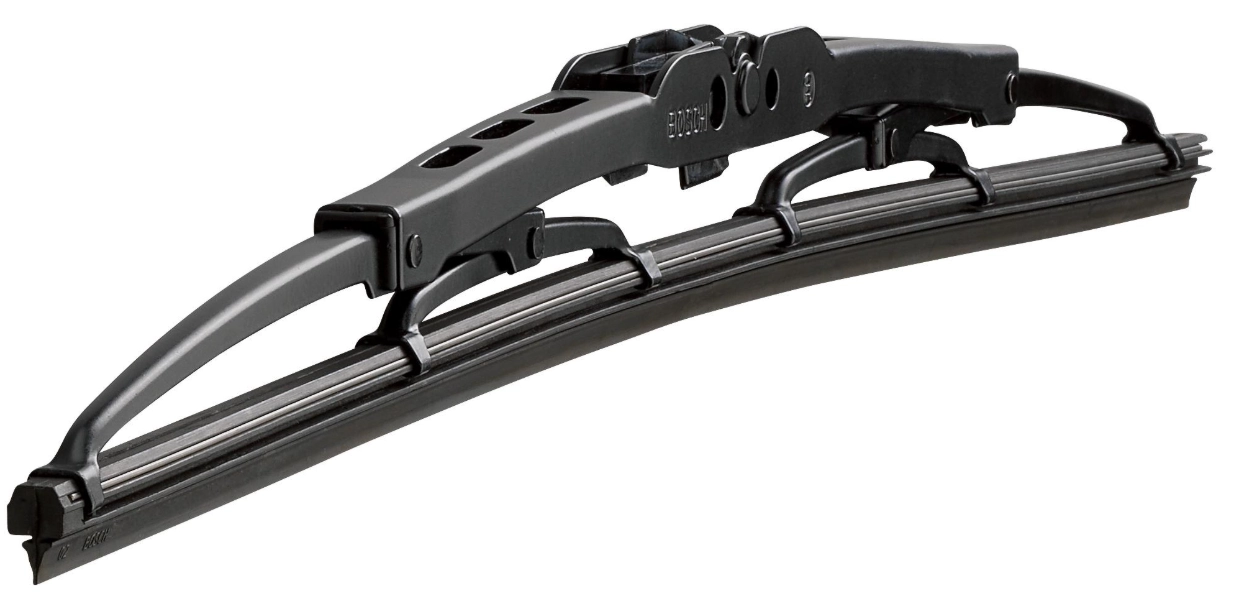
Tools Needed: Your new blades, maybe a small flat-head screwdriver or pliers for stubborn old connectors. A towel is highly recommended.
- Prep & Safety: Lift the wiper arm away from the windshield until it locks in the "service position." If it doesn't lock, prop it up gently. Immediately place the towel over the windshield right under the arm's hinge. This is your insurance policy if it slips.
- Remove the Old Blade: Look at the connection point. Most modern cars use a "J-hook" connector. There's usually a small tab you press to release the old blade. Press the tab and slide the blade down the hook to detach it. Some older cars have a pin-style connector requiring you to push a release pin. If you're stuck, a quick search for "[Your Car Make] wiper blade removal" on YouTube will show you exactly.
- Attach the New Blade: Your new blade will come with instructions and likely a handful of adapters. Match the adapter that fits your car's hook shape, snap it into the new blade (if required), then slide the new blade assembly up onto the hook until you hear a definitive click. Give it a firm tug to ensure it's secure. A loose connection is a major cause of streaking.
- Gently Lower the Arm: Carefully guide the arm and new blade back down onto the windshield. Don't let it snap.
- Repeat & Test: Do the other side, then run your washer fluid. Watch the wipe pattern. It should be clean, quiet, and cover the intended area.
One pro tip most guides miss: after installation, lift the blade off the glass again and flex the wiper arm up and down slightly by hand. Does the blade stay perfectly perpendicular to the arm, or does it flop around? If there's play in the adapter connection, that will cause chatter. Sometimes reseating it or trying a different adapter from the package fixes it.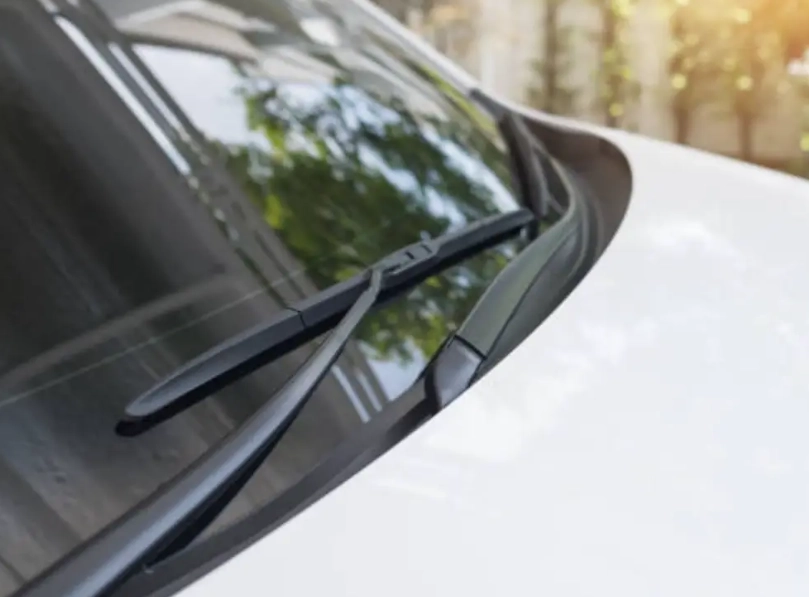
Maintenance & The Mistakes Everyone Makes
Wiper blades are consumable. Sun, ozone, dirt, and friction wear them out. But you can extend their life dramatically.
Clean Your Windshield. Really Clean. This is the #1 thing you can do. Your blades aren't designed to scrub off bug guts, road tar, and tree sap. That grit gets embedded in the rubber and turns it into sandpaper. Every couple of weeks, clean the rubber edge itself with a paper towel and some isopropyl alcohol. Then, give the entire windshield a proper cleaning with a dedicated automotive glass cleaner (like Invisible Glass), not just window cleaner. For stubborn water-spotted film, a clay bar designed for glass works wonders.
Lift Them in Winter. Before a snow or ice storm, lift your wiper arms off the glass. This prevents the rubber from freezing to the windshield. Trying to rip them free can tear the rubber. If they do freeze, don't force them. Use your defroster or carefully pour lukewarm (not hot) water over them.
Don't Use Them as Ice Scrapers. Turn on the defroster and scrape the ice off first. Running the wipers over a layer of ice will shred the edges.
Use Your Washer Fluid. Don't run the wipers on a dry windshield. It creates immense friction and heat. Always spray fluid first to lubricate the wipe.
I made the "dry wipe" mistake for years, wondering why my blades never lasted a season. Once I got diligent about using fluid every time, their lifespan easily doubled.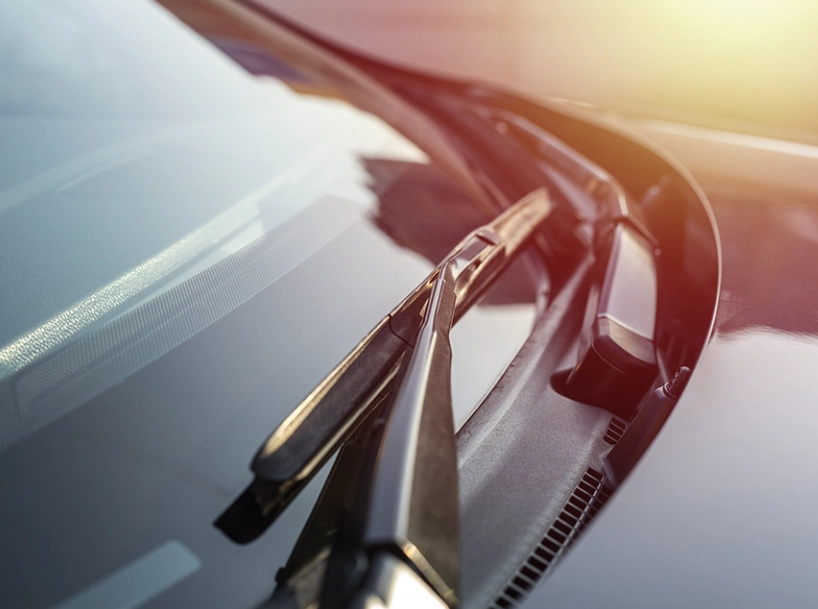
Troubleshooting: Streaks, Chatters, and Smears
Your wipers are misbehaving. Before you buy new ones, run through this checklist.
Problem: Streaking (lines left behind).
Likely Cause: Worn or damaged rubber edge. A small tear or hardened spot can't make contact.
Fix: Run your finger along the rubber (carefully). If it feels nicked, jagged, or hard, replace the blade. If it feels fine, the issue is probably a dirty windshield. Clean it thoroughly.
Problem: Chattering/Jumping (the blade skips).
Likely Cause 1: Dirty windshield or contaminated rubber (wax, oil).
Likely Cause 2: The wiper arm is bent and not applying even pressure. Look at the arm from the side; it should be straight.
Fix: Deep clean the glass and rubber. If that fails, the arm might need adjustment or replacement—a job for a shop if you're not comfortable.
Problem: Squeaking.
Likely Cause: High friction, often from dry rubber or a glass coating wearing off.
Fix: Clean the glass and rubber. Some people have success very lightly sanding the rubber edge with fine-grit sandpaper (like 1000 grit) to remove a glazed surface, but replacement is often simpler.
Problem: Missed Large Sections.
Likely Cause: The blade is not curving to match your windshield's contour. This is common with cheap frame blades on modern cars.
Fix: Upgrade to a beam or hybrid blade designed to flex better.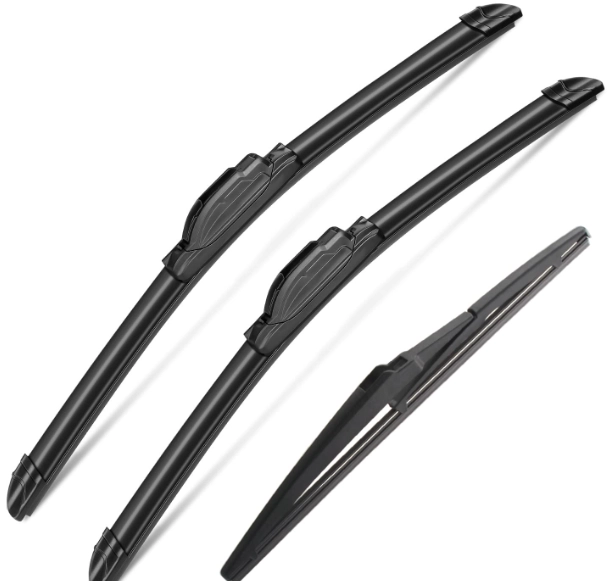
Think of your wiper blades as part of your car's vision system. The National Highway Traffic Safety Administration (NHTSA) consistently cites poor visibility as a major factor in weather-related crashes. A few dollars and a few minutes of care for these simple components directly translate to safer driving for you and your family.
Stop ignoring that faint streak on the passenger side. Don't wait for the next monsoon to test your luck. Grab the right blades, install them with care, and maintain them. Your future self, driving safely in the rain, will thank you.