In This Article
- The Heart of the Matter: What You'll Pay for the Battery Itself
- Beyond the Box: Labor Costs and Where You Buy
- The Hidden Factors That Change the Price
- Real-World Scenarios: What You'll Actually Pay
- How to Get the Best Price and Not Get Ripped Off
- Your Burning Questions, Answered
- Wrapping It Up: The Smart Buyer's Checklist
So your car won't start. You turn the key and hear that dreaded clicking sound, or maybe just silence. The dashboard lights go dim. You've probably got a dead battery on your hands. The immediate question that pops into your head is, of course, "How much is this going to set me back?"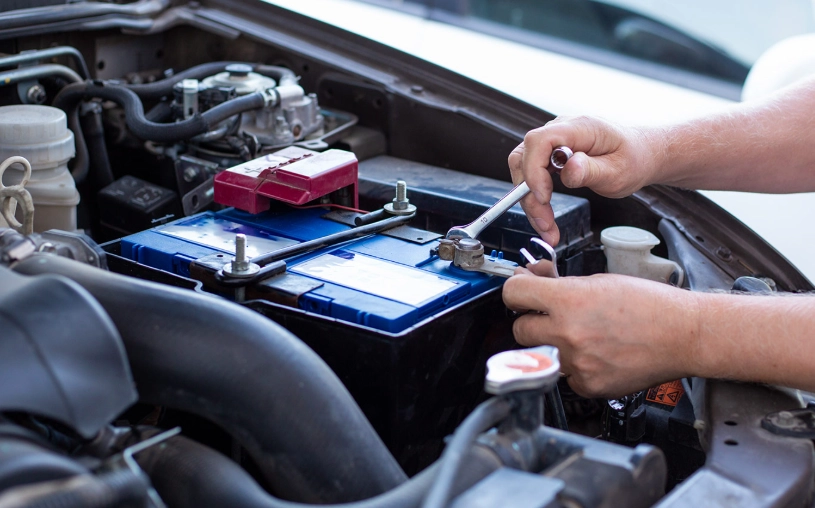
I've been there more times than I'd like to admit. The last time it happened to me, I was in a grocery store parking lot with a trunk full of frozen food. Not ideal. I ended up paying way more than I should have because I was in a panic and just called the first roadside service that came up on my phone.
Let's break down the real cost so you don't get caught off guard. The short, honest answer is that replacing a car battery typically costs between $100 and $300 for parts and labor. But that's like saying a house costs between $100,000 and $1,000,000. It's true, but not very helpful.
Why such a wide range? What determines where you land on that scale? And more importantly, how can you make sure you're not overpaying? That's what we're diving into today. We'll look at everything from the price of the battery itself to the hidden fees shops might try to slip in.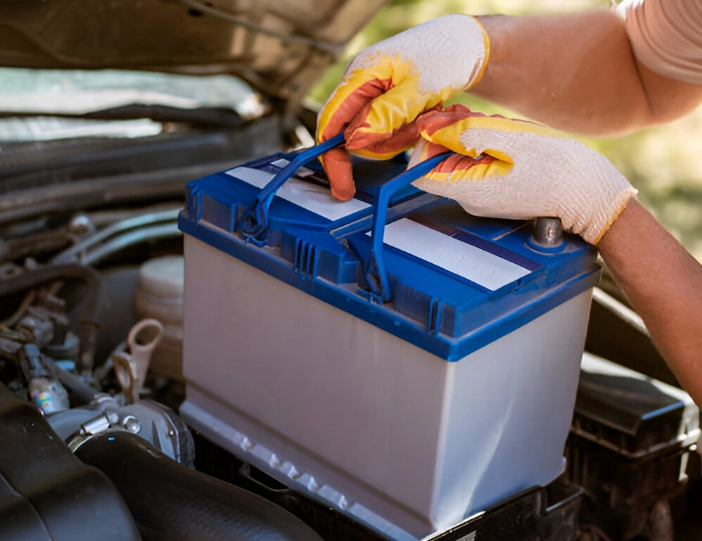
The Heart of the Matter: What You'll Pay for the Battery Itself
Before anyone touches your car, there's the cost of the part. The battery. This is the biggest chunk of the bill, and it varies wildly.
Think of batteries like shoes. You can get basic, reliable sneakers that do the job. Or you can get high-performance running shoes with all the bells and whistles. Your car's needs, your driving habits, and your local climate determine which "shoe" you need.
Here’s a breakdown of the main types and what they’ll cost you just for the part, sitting on a shelf.
| Battery Type | Average Price Range (Part Only) | Best For... | My Quick Take |
|---|---|---|---|
| Standard Flooded (Lead-Acid) | $80 - $150 | Most common cars, sedans, older models, budget-conscious drivers. | The workhorse. Reliable and affordable, but needs occasional maintenance (checking water levels). |
| Enhanced Flooded Battery (EFB) | $120 - $200 | Cars with basic start-stop technology, higher electrical demands. | A step up from standard. Handles more charge/discharge cycles. Often required for newer econo-cars. |
| Absorbent Glass Mat (AGM) | $180 - $300+ | Luxury vehicles, cars with advanced start-stop, lots of electronics (GPS, premium sound), SUVs, trucks. | The premium choice. Spill-proof, more powerful, lasts longer. If your car came with one, you probably need another. |
| Lithium-Ion | $400 - $1000+ | High-performance sports cars, exotic vehicles, serious aftermarket upgrades (audio competitions). | Super lightweight and powerful, but the price is steep. Overkill for 99% of daily drivers. |
See that AGM price? That's a big reason why the total cost to replace your car battery can jump. A mechanic once tried to sell me a standard battery for my car that specifically required an AGM. It would have failed in months. Knowing your car's requirement is half the battle.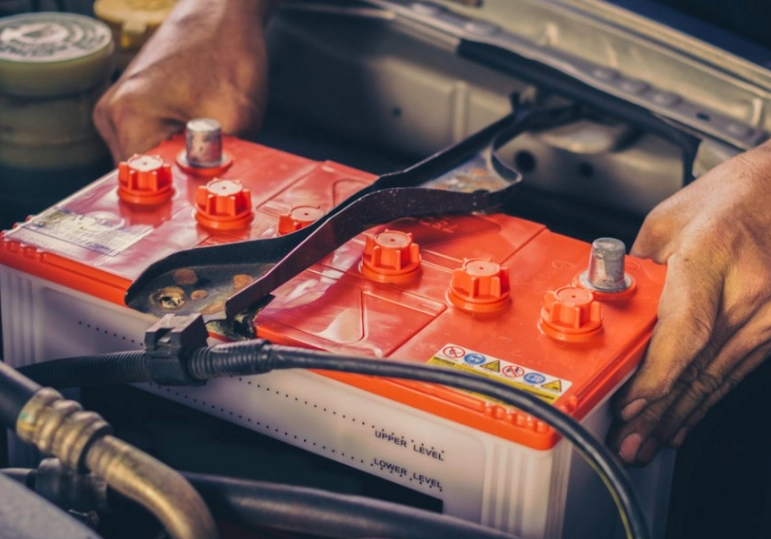
Pro Tip: The easiest way to know what battery you need is to look at the one currently in your car. The group size (like 24F, 35, H6) and type (often printed on the label) are your cheat sheet. Take a picture of it with your phone before you go shopping.
Brand matters too, but maybe less than you think. Big names like Interstate, DieHard, Optima, and Duralast have reputations for a reason, and you often pay a bit for that name. Store brands from AutoZone, Advance Auto Parts, or Walmart can be just as good and are frequently made by the same major manufacturers. The warranty is often the key differentiator.
Beyond the Box: Labor Costs and Where You Buy
Okay, you've picked out a battery. Now, who puts it in? This is where the second major cost comes in: labor. Or, you can skip it altogether.
Option 1: The Do-It-Yourself (DIY) Route (Cost: $0 - $50 labor)
If you're even a little bit handy, replacing a car battery is one of the easiest jobs you can do on a modern car. I taught my cousin how to do it in 15 minutes. You basically need a wrench (usually 10mm) and maybe a socket set.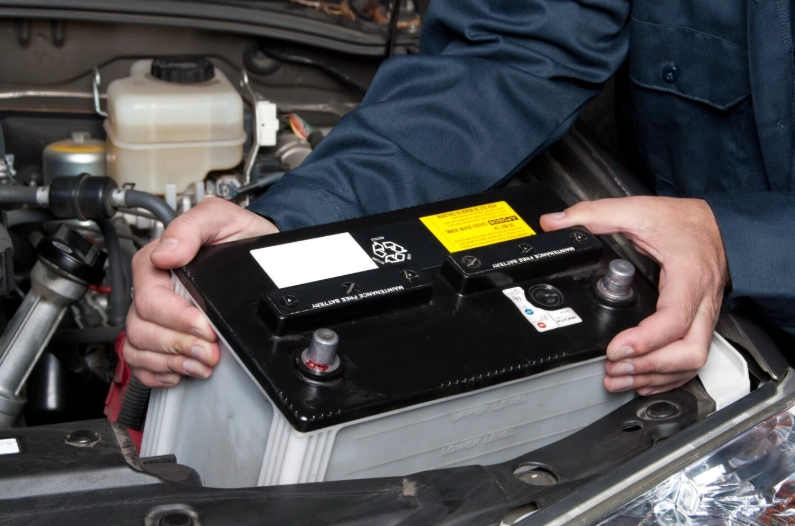
How much should it cost to replace your car battery if you do it yourself? Just the price of the battery. That's it. Stores will often include the core charge (a refundable fee for your old battery) in the price, so remember you get that back when you return the old one.
The steps are simple: disconnect the negative (black) cable first, then the positive (red). Remove the hold-down clamp, lift out the old battery. Drop the new one in, secure the clamp, connect positive first, then negative. Some cars have the battery in weird places (under the seat, in the trunk, wheel well), which complicates things, but for most, it's right under the hood.
Safety First: Always disconnect the NEGATIVE terminal first. Reconnect it LAST. This prevents accidentally shorting a tool between the positive terminal and any grounded metal on the car, which can cause sparks, melted tools, or worse. Wear safety glasses. Batteries contain sulfuric acid.
The downside? You have to dispose of the old battery. Most parts stores will take it for free when you buy a new one (and give you your core charge back). No big deal.
Option 2: Parts Store Installation (Cost: $0 - $30 labor)
This is the sweet spot for many people. You buy the battery from an AutoZone, O'Reilly, Advance Auto Parts, etc., and they install it for free or a very small fee in their parking lot. You get the convenience without the dealership price tag.
It's a great service, but check first. Some stores have policies against installing batteries in cars where the battery is hard to access (like some Mercedes, BMWs, or Chryslers). Call ahead.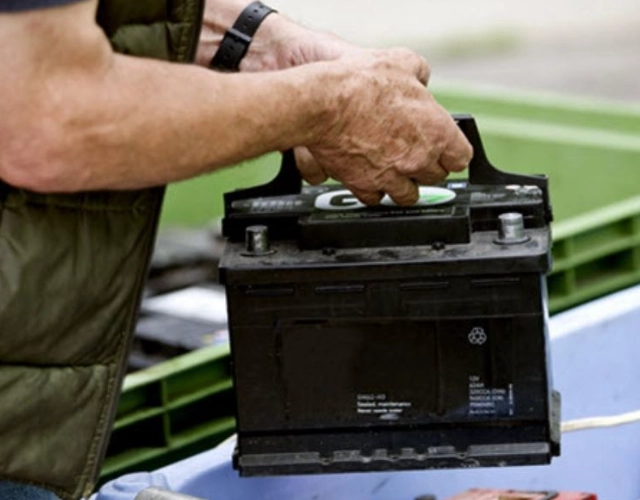
Option 3: Independent Mechanic or Repair Shop (Cost: $20 - $75 labor)
You bring your car in, they source the battery (often marking up the price slightly) and charge you labor. The total cost to replace your car battery here will be the shop's battery price plus their hourly labor rate for what's usually a 0.3 to 0.5 hour job (15-30 minutes).
The advantage is they can also test your charging system to make sure the alternator isn't what killed the battery in the first place. A good shop will do this automatically.
Option 4: Dealership Service Department (Cost: $100 - $200+ labor)
The most expensive route by far. You're paying for OEM (Original Equipment Manufacturer) branded batteries, which are often just rebadged versions of major brands, and dealership labor rates, which can be $150/hour or more.
When does this make sense? If your car is under a warranty that might cover it (rare), or if it's a complex European luxury car where the battery needs to be "registered" or coded to the vehicle's computer system. For a regular Honda Civic or Ford F-150? It's usually overkill.
My Experience: I once took my wife's car to the dealer for a battery quote just out of curiosity. They quoted me $450 for an AGM battery and installation. I bought the same spec AGM battery from a parts store for $220 and installed it myself in 20 minutes. That's a $230 lesson in shopping around.
The Hidden Factors That Change the Price
Now you know the basics. But the final number on your receipt is shaped by a few other things. Let's pull back the curtain.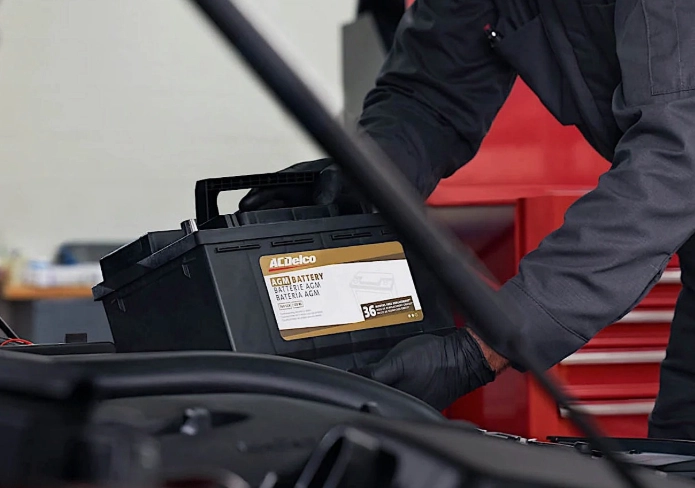
Your Vehicle: A compact car battery is cheaper than a heavy-duty truck battery (more lead, more power). A 2020 Ford Mustang GT with a big engine and lots of electronics needs a more powerful (and expensive) battery than a 2010 Toyota Corolla.
Cold Cranking Amps (CCA): This is the battery's ability to start your car in cold weather. The higher the CCA, the higher the price. If you live in Florida, you might get away with a lower CCA rating. If you live in Minnesota, don't skimp on this. Match or exceed the CCA of your original battery.
Warranty: Batteries come with a free replacement period (e.g., 3 years) and a longer pro-rated warranty (e.g., 100 months). A longer warranty usually means a better-built battery and a higher upfront cost. It's often worth the extra $20.
Core Charge: This is a refundable deposit (usually $15-$25) you pay for the new battery until you return your old one. It's an environmental recycling fee. Don't forget to bring your old battery back! It's literally free money left on the table if you don't.
Location & Season: Prices can creep up in the middle of a brutal cold snap when everyone's battery is dying. If you can plan ahead (easier said than done), buying in the fall might save you a few bucks.
Money-Saving Hack: Many major auto parts chains offer online coupons or "get $20 off a purchase of $100+" promotions. Always check their website or app before you go. I saved $25 on my last battery just by showing a coupon on my phone at the register.
Real-World Scenarios: What You'll Actually Pay
Let's get concrete. Here are some realistic total cost scenarios for "how much should it cost to replace your car battery."
Scenario 1: The Economy Sedan (e.g., Honda Civic, Toyota Corolla)
Battery Type: Standard Flooded, Group Size 51R
Battery Cost: $110
Core Charge: $20 (refundable)
Installation: Free at parts store
Total Out-of-Pocket Cost: $130 (get $20 back later)
Final Cost: $110
Scenario 2: The Modern SUV with Start-Stop (e.g., Ford Explorer)
Battery Type: AGM, Group Size H7
Battery Cost: $240
Core Charge: $22 (refundable)
Installation: $25 (shop fee)
Total Out-of-Pocket Cost: $287 (get $22 back later)
Final Cost: $265
Scenario 3: The Luxury Car at the Dealership (e.g., BMW 3 Series)
Battery Type: OEM AGM
Battery Cost: $320 (dealer markup)
Labor/Programming: $180 (1 hour of labor at $180/hr)
Shop Supplies/Fees: $10
Total Cost: $510
See the difference? The SUV cost is realistic for a common modern vehicle. The dealership price… well, that's why we're having this conversation.
How to Get the Best Price and Not Get Ripped Off
Armed with knowledge, here's your action plan.
- Diagnose First. Make sure it's the battery. A slow crank is a classic sign. If jump-starting works and the car runs fine, but dies again later, it's likely the battery. If jump-starting doesn't work, it could be the starter or a connection. Most parts stores will test your battery and charging system for free. Do this.
- Know Your Specs. Get that group size and type from your old battery. Also check your owner's manual.
- Shop Around. Don't just call one place. Get quotes from 2-3 local parts stores and an independent mechanic you trust. Ask for the "out-the-door" price including tax, core, and installation.
- Ask About the Warranty. What's the free replacement period? What's the total pro-rated warranty? How do claims work? A 3-year free replacement is solid.
- Watch for Upsells. A shop might suggest cleaning terminals (a good idea, you can do it with a wire brush and baking soda/water) or selling you new terminal connectors. Politely ask if it's necessary. A $20 "shop supplies" fee on a 15-minute battery job is a bit rich, in my opinion.
- Consider the Total Cost. The cheapest battery might have a 12-month warranty. The mid-priced one might have 36 months. Over 4 years, the cheaper battery might need replacing twice, making it more expensive in the long run.
Your Burning Questions, Answered
It's one of those things you don't think about until it's too late.
Wrapping It Up: The Smart Buyer's Checklist
So, when you're facing that dead battery and asking yourself, "How much should it cost to replace your car battery?", run through this list.
- Get a free battery/charging system test at a parts store.
- Note your old battery's group size (e.g., 35, 24F) and type.
- Decide: DIY, free install, or shop?
- Get quotes for the correct battery from multiple sources.
- Compare warranties, not just prices.
- Ask for the total out-the-door price, including core charge.
- For modern/complex cars, ask about battery registration/coding.
- Remember to return your old battery for the core refund!
At the end of the day, the cost to replace your car battery shouldn't be a mystery or a source of stress. It's a routine maintenance item. With a little bit of knowledge, you can ensure you get a fair price for a quality part that will keep you reliably on the road for years to come.
Don't wait for the click of death on a freezing morning. If your battery is old, start looking now. Your future self, warm and safe in your running car, will thank you.
For more detailed information on battery specifications and recycling, you can visit the Battery Council International, a leading industry association. To understand the importance of proper battery disposal, the U.S. Environmental Protection Agency (EPA) has excellent resources on recycling used lead-acid batteries, which are one of the most recycled consumer products.