Let's be honest. That new car smell fades, but the bills for keeping your car on the road don't. You buy the car, and then the maintenance costs start knocking. It's not just about an oil change every few months. It's a whole ecosystem of fluids, filters, tires, brakes, and the occasional surprise that makes your wallet groan. Most people get the sticker shock at the first major service, or when they need a new set of tires. I've been there, staring at a quote for a "routine" 60,000-mile service that cost more than my first car.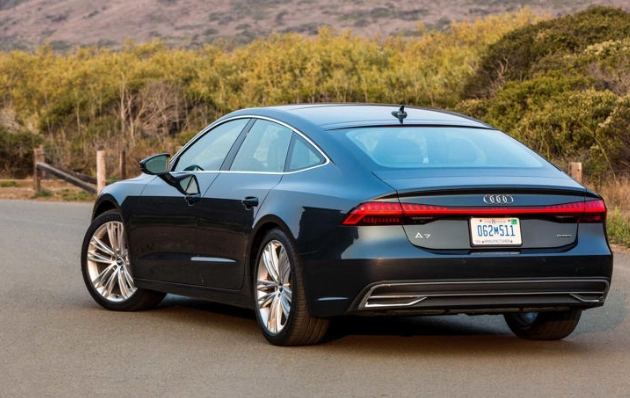
So, what's the real average car maintenance cost per year? Is there a way to predict it, budget for it, and even reduce it without gambling with your safety? That's what we're digging into. This isn't just a list of prices—those change. It's a framework for understanding the costs, spotting the unnecessary upsells, and making smart choices that keep you moving without financial stress.
What's Inside This Guide
- How Much Should You Budget for Car Maintenance Each Year?
- The Car Maintenance Cost Breakdown: Where Your Money Actually Goes
- The 5 Most Overlooked Car Maintenance Costs (And How to Avoid Them)
- How to Reduce Car Maintenance Costs: Strategies That Actually Work
- Does Your Car Brand Matter? Maintenance Cost Comparisons
- When to DIY and When to Call a Pro: A Cost-Benefit Analysis
- Your Car Maintenance Cost Questions, Answered
How Much Should You Budget for Car Maintenance Each Year?
Forget the old "rule of thumb" you heard. The most cited figure comes from the American Automobile Association (AAA). In their latest Your Driving Costs study, they calculate an average of about $0.10 per mile for maintenance and repair for a new sedan driven 15,000 miles a year. Do the math: that's $1,500 annually.
But that's an average, and averages lie. It smooths over the huge differences between year one and year ten of ownership. Your costs follow a bathtub curve. Low in the first few years under warranty, they rise steadily as the car ages, and can spike with major component failures.
Your personal number depends on three huge factors: your car's age and mileage, your driving habits (stop-and-go city driving murders brakes and transmissions), and where you get the work done. A dealership, an independent mechanic, and your driveway have wildly different price tags.
The Car Maintenance Cost Breakdown: Where Your Money Actually Goes
Let's get specific. A car maintenance cost calculator is only as good as the data you feed it. Here’s what typically eats your budget, based on real-world service orders and parts pricing.
| Service Item | Frequency (approx.) | Typical Cost Range (Parts & Labor) | Why It's Critical |
|---|---|---|---|
| Oil & Filter Change | 5,000 - 10,000 miles | $40 - $100 | Engine's lifeblood. Skipping this is financial suicide. |
| Tire Replacement (Set of 4) | 40,000 - 60,000 miles | $400 - $1,000+ | Your only contact with the road. Don't cheap out. |
| Brake Pad/Shoe Replacement | 30,000 - 70,000 miles | $250 - $600 per axle | Safety first. City drivers replace these much more often. |
| Major Service (e.g., 60k mi) | Per manufacturer schedule | $500 - $1,200 | Often includes coolant, transmission fluid, spark plugs, filters. |
| New Battery | 3 - 5 years | $120 - $300 | Modern cars die a complex death without proper voltage. |
| Wiper Blades | 6 - 12 months | $30 - $80 (pair) | A cheap item that gets marked up massively at shops. |
See the pattern? The big-ticket items are tires and major scheduled services. The constant drip is oil changes and wear items like brakes and wipers. Most people forget to budget for the "set it and forget it" items like timing belt replacements (every 60k-100k miles, $500-$1,000) or shock absorbers.
The 5 Most Overlooked Car Maintenance Costs (And How to Avoid Them)
These are the budget-killers that don't show up on the standard schedule. They're the reason your annual car maintenance cost feels unpredictable.
1. The "While You're Here" Upsell. You go in for an oil change. The technician shows you a "slightly worn" serpentine belt, "cloudy" brake fluid, or a "dirty" cabin air filter. Some recommendations are valid; many are premature. Ask to see the part. A slightly cracked belt can last years. Unless the brake fluid is dark brown, it's probably fine. Learn to check your cabin air filter yourself—it's a 2-minute, no-tool job on most cars.
2. Differential and Transfer Case Fluids. Your owner's manual buries this. For SUVs, trucks, and AWD cars, these specialized fluids need changing every 30k-60k miles. Ignore it, and a $150 service becomes a $3,000 gearbox rebuild.
3. Alignment Checks. You hit a pothole, your steering wheel is off-center, but the car seems to drive okay. A minor misalignment eats your $200 tires in 15,000 miles instead of 50,000. An alignment check costs $50-$100. It's insurance for your tire investment.
4. Corrosion-Related Repairs. If you live in the salt belt, brake lines, fuel lines, and suspension components rust from the inside out. A $20 brake line becomes a $400 emergency tow and repair when it bursts. During oil changes, ask them to check for rust on critical lines.
5. Software Updates. Modern cars are computers on wheels. Dealerships charge $100-$300 for "customer satisfaction" or "recall" software updates that often fix bugs, improve shifting, or prevent future problems. Sometimes these are free under a technical service bulletin (TSB)—always ask.
How to Reduce Car Maintenance Costs: Strategies That Actually Work
Cutting costs isn't about skipping services. It's about spending smarter.
Build a Relationship with an Independent Mechanic. Dealerships have higher overhead. Find a reputable independent shop specializing in your car's brand. Their labor rates are often 20-40% lower. A good mechanic will tell you what's urgent, what can wait, and what you can do yourself.
Follow the Severe Service Schedule (Even If You Don't Think You Do). Most owner's manuals have a "normal" and "severe" schedule. Severe includes: frequent short trips (engine never fully warms up), stop-and-go driving, extreme temperatures, or dusty conditions. Sound familiar? That's most drivers. Following the severe schedule prevents more expensive problems later.
Buy Quality Parts, But Shop Around. Never use the cheapest no-name brake pads or oil filters. But you don't need the dealership's gold-plated OEM part every time. Brands like Bosch, ACDelco, or WIX make excellent quality parts. Buy them from a reputable online retailer (like RockAuto) and have your mechanic install them. You'll save on the markup.
Learn the 10-Minute Checks. You don't need to be a mechanic. Learn to check your tire pressure monthly (under-inflated tires wear faster and hurt fuel economy), check your oil level, inspect wiper blades, and look for fluid leaks (spots under the car). Catching a slow leak early can save a seized engine.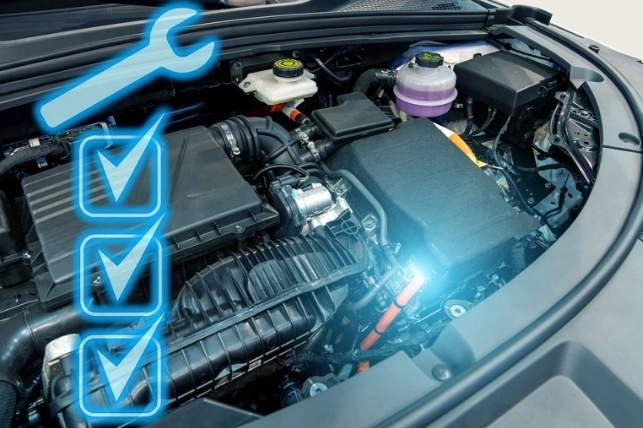
Does Your Car Brand Matter? Maintenance Cost Comparisons
Absolutely. Some brands are famously affordable to maintain; others are luxury for a reason. Data from repair-cost tracking firms like RepairPal and surveys from J.D. Power consistently show patterns.
Generally Lower Cost Brands: Toyota, Honda, Mazda, Subaru. They benefit from widespread parts availability, simple engineering, and reliable designs. A Toyota Camry's maintenance costs are a known, stable quantity.
Generally Higher Cost Brands: European luxury brands (BMW, Mercedes-Benz, Audi, Porsche). Complex engineering, specialized tools, and a dealer-centric parts network drive up costs. A brake job on a BMW can cost triple that of a Honda. Performance models are even more expensive.
The Wild Cards: Domestic brands (Ford, Chevrolet) and newer brands (like Tesla) can be mixed. A Ford F-150 might be cheap to fix, but a Ford Mustang with a performance pack might not be. Electric vehicles like Teslas have lower routine maintenance (no oil, fewer moving parts) but staggeringly high repair costs for collisions or out-of-warranty battery issues.
The takeaway? Before you buy, research the 5-year and 10-year total cost of ownership, not just the sticker price. That monthly payment is only part of the story.
When to DIY and When to Call a Pro: A Cost-Benefit Analysis
Doing it yourself is the ultimate way to slash your car maintenance cost. But it's not always the right call.
Great DIY Starter Projects:
• Cabin Air Filter Replacement: Usually behind the glovebox. No tools needed. Cost: $15 vs. $50+ at a shop.
• Engine Air Filter: In a plastic box under the hood. Often just clips. Cost: $20 vs. $40+.
• Wiper Blade Replacement: Buy the correct size. It's plug-and-play. Cost: $30 vs. $80+ installed.
• Battery Replacement: Usually straightforward. Remember: disconnect negative terminal first. Cost: $150 part vs. $250+ installed.
Consider DIY with Research & Caution:
• Oil Change: You need a jack, stands, tools, and a place to dispose of oil. For many, the $30 savings isn't worth the hassle and potential for error (wrong oil, over/under-tightening the drain plug).
• Brake Pad Replacement: Mechanically simple but safety-critical. If you don't know how to properly retract caliper pistons or lubricate slide pins, you can cause uneven wear or brake failure.
Almost Always Leave to a Pro:
• Anything involving internal engine/transmission work.
• Anything requiring an alignment machine.
• Airbag/SRS system repairs.
• Major electrical diagnostics.
My rule: If the consequence of a mistake is the car not starting, DIY. If the consequence is the car not stopping, call a professional.