Your Road Trip Map
Let's be honest. The idea of a road trip is almost always better than the reality of it. You picture wide-open highways, epic playlists, and spontaneous stops at weird roadside attractions. The reality? Backseat arguments, a mysterious smell coming from under the seats, and realizing you're three hours from the nearest decent coffee. I've been there, staring at a GPS that's recalculating for the tenth time, wondering why I ever left my couch.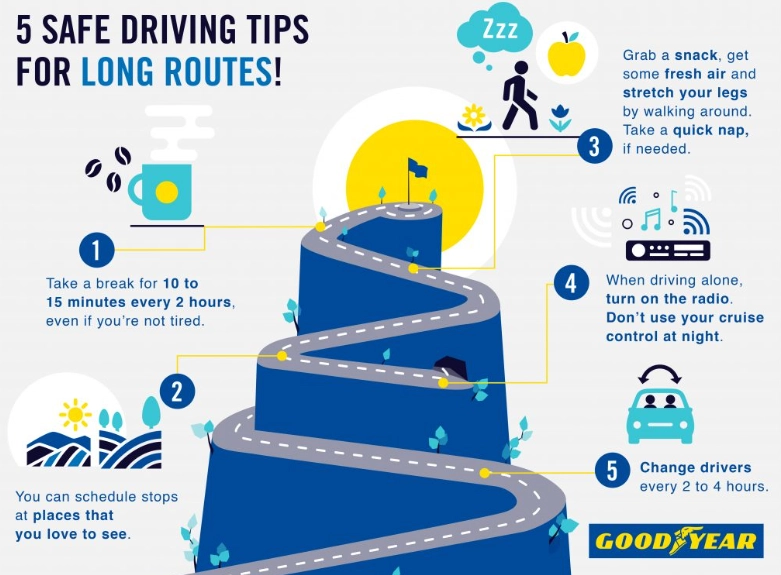
But here's the thing. A great road trip isn't about luck. It's about a bit of smart planning mixed with the right mindset. It's the difference between a journey you endure and an adventure you remember. This isn't just another list of generic advice. This is the collective wisdom from my own miles of mistakes and triumphs, boiled down into the ultimate set of road trip tips. We're going to cover everything—from the boring-but-critical pre-trip checks to the magic of finding a hidden waterfall the guidebooks missed. Forget the stress. Let's build your dream drive.
Phase 1: The Foundation – Planning Your Road Trip
Jumping in the car and just "going west" sounds romantic. For a two-hour drive, maybe it works. For anything longer, a little planning saves a lot of headaches. This phase is about building a flexible framework, not a minute-by-minute prison.
Choosing Your Vehicle and The Pre-Trip Check
This is non-negotiable. Your car is your home, your transport, and your lifeline. Treat it that way.
If you're using your own car, give it some love. If you're renting, be picky. Don't just go for the cheapest compact if you'll be driving mountain passes with four people and luggage. Think about comfort for the long haul. My biggest mistake was once taking a tiny car on a coastal trip—great on gas, terrible for my spine after day three.
Here’s the boring checklist that will save your trip:
- Tires: Check tread depth and pressure (including the spare!). The AAA recommends the penny test for tread. Under-inflated tires are a safety risk and kill your gas mileage.
- Fluids: Oil, coolant, brake fluid, windshield washer fluid. Top them all up.
- Lights: Have someone step on the brake while you check all taillights, brake lights, and turn signals. A burnt-out light is a ticket waiting to happen.
- Brakes & Battery: Listen for any new squealing or grinding. If your battery is over 3-4 years old, get it tested. A dead battery in the middle of nowhere is a classic, and entirely preventable, road trip nightmare.
- Air Conditioning: Test it. You'll thank yourself in desert heat.
Seriously, don't skip this. It's the most important of all road trip tips for a reason.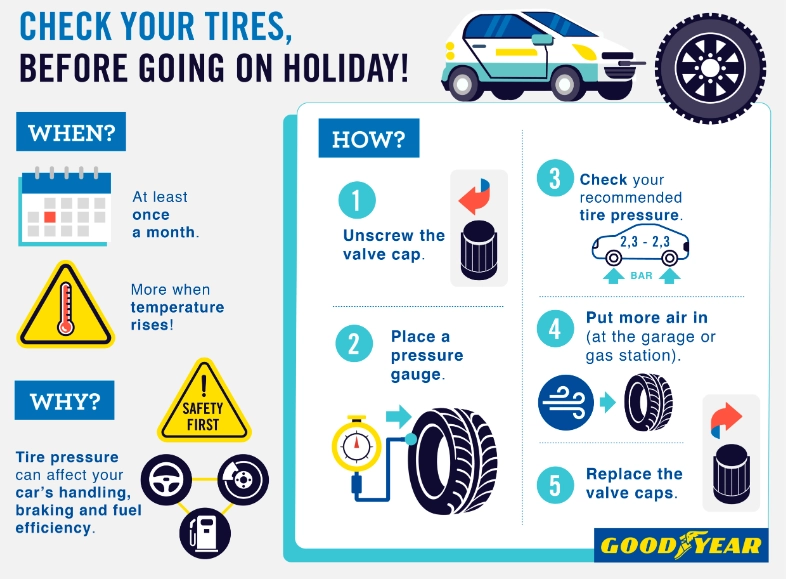
Mapping Your Route (But Not Too Much)
I use a combination of old-school and new-school here. Digital apps are incredible, but they can make you lazy.
- Plot the Big Legs: Use Google Maps or Waze to get a baseline for major driving days. How many hours does it really take? Add at least 20% for rest stops, gas, and traffic.
- Identify Must-Sees: Pin your non-negotiable stops—the national park, the famous diner, your friend's town.
- Leave Gaps: This is the secret sauce. Don't plan every hour between those big pins. Leave a half-day or full-day buffer for discovery. Some of the best road trip tips are about what you find, not what you search for.
- Find the Scenic Byways: Get off the interstate! The National Scenic Byways program from the U.S. Department of Transportation is a goldmine for finding breathtaking alternative routes. The journey truly becomes the destination.
My favorite memory from a Utah trip wasn't Arches National Park (which was stunning). It was pulling off on a random state highway marked "scenic route" on a paper map and finding a completely empty canyon vista at sunset. No apps told us to go there.
Budgeting Without the Shock
Money stress kills vibes. Let's break down the real costs.
| Category | What to Consider | Cost-Saving Tip |
|---|---|---|
| Fuel | Your biggest variable cost. Use your car's MPG and route distance to estimate. | Use apps like GasBuddy to find cheaper fuel off the highway exits. Cruise control saves gas. |
| Accommodation | Hotels, motels, camping, Airbnb. | Mix it up! Camp for two nights, splurge on a hotel with a pool on the third. Book last-minute deals on apps for flexible travelers. |
| Food & Drink | Restaurants, groceries, coffee stops. | Pack a cooler with sandwiches, fruit, and drinks. Have one nice meal out per day, not three. A portable coffee maker saves a fortune. |
| Tolls & Parking | Often forgotten. | Check your route for major toll roads. Budget for downtown or attraction parking, which can be surprisingly steep. |
| Entertainment & Entries | Park fees, museum tickets, tours. | Look for annual passes if visiting multiple parks (e.g., America the Beautiful Pass). Research free days or hours for museums. |
Add a 10% "Oh Crap" fund for the flat tire, the irresistible souvenir, or the amazing unplanned boat tour.
Phase 2: Packing Like a Pro (Not a Pack Mule)
Overpacking is the enemy of space and sanity. You need a system.
The Essential Non-Clothing Items
Clothes are easy. It's this other stuff that matters.
The Road Trip Survival Kit:
- Navigation & Power: Phone mount, car charger (with multiple ports), a physical map or atlas as backup. A power bank for when you're hiking.
- Comfort & Safety: Sunglasses (polarized are a game-changer), reusable water bottles, a good neck pillow, a blanket, a first-aid kit, a flashlight or headlamp, a multi-tool.
- Car Essentials: Jumper cables, tire pressure gauge, basic tool kit, duct tape (fixes a shocking number of things), paper towels, and a roll of garbage bags.
- Entertainment: Downloaded playlists, podcasts, and audiobooks for areas with no service. A book for quiet moments. Travel games for passengers.
I learned the hard way about the physical map. In the deep valleys of Colorado, our phones lost service for an hour. The old, folded map in the glove box wasn't just nostalgic; it was vital.
Packing Organization Hacks
Throwing everything in a heap in the trunk is a recipe for frustration.
Use a packing cube system for clothes. One cube per person, or one for tops, one for bottoms, etc. It compresses clothes and keeps the car tidy.
Designate zones in the car. The trunk is for luggage. The back seat footwell is for the cooler and snacks. The console is for daily essentials: sunscreen, lip balm, phone charger, sunglasses.
Create a "Day One" bag. Pack a small bag with what you'll need for the first night (pajamas, toiletries, a change of clothes) so you don't have to unpack the entire car at your first stop.
These simple road trip tips for organization save you from the daily "where is my..." panic.
Phase 3: On the Road – Driving, Safety, and Sanity
This is where the rubber meets the road, literally. Your planning pays off here.
Safe Driving Habits for Long Hauls
Highway hypnosis is real. You zone out, miles blur together, and reaction times slow.
Rule #1: The 2-Hour Rule. Never drive more than 2 hours without a break. Get out, walk for 5 minutes, stretch. It's not a suggestion; it's a safety imperative.
Rule #2: Share the Drive. If you have multiple licensed drivers, switch every tank of gas. Fresh eyes prevent fatigue.
Rule #3: Hydrate, But Strategically. Drink water, but know that means more stops. It's a trade-off for staying alert.
Rule #4: Know Your Limits. Pushing through "just one more hour" when you're tired is incredibly dangerous. If you're sleepy, pull over. Find a rest stop, set an alarm for 20 minutes, and take a power nap. It works.
The CDC has clear data on the dangers of drowsy driving, comparing it to drunk driving. It's that serious. These safe driving tips are the backbone of any responsible adventure.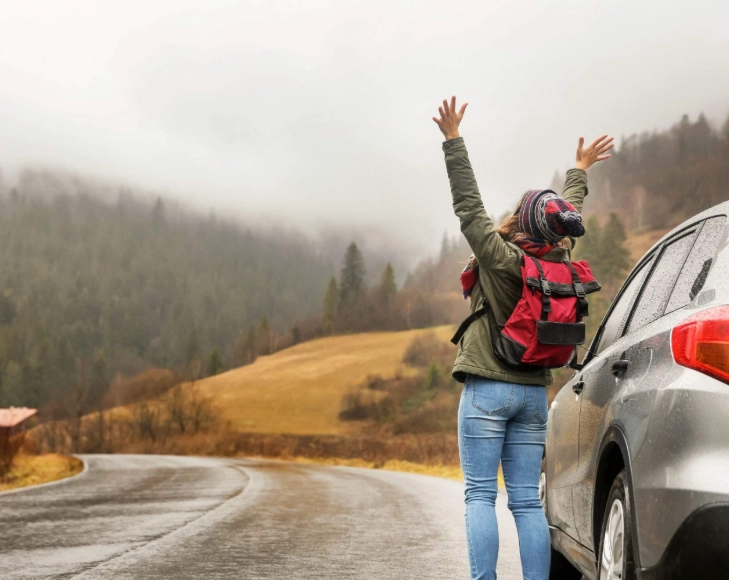
Keeping Everyone Happy (Including Yourself)
A bored or uncomfortable passenger quickly becomes a grumpy one.
- Snack Strategy: Have a mix of healthy (nuts, fruit) and fun (chips, candy) snacks within easy reach. Avoid super messy foods.
- Audio Democracy: Use a playlist system. Driver picks first, then passengers take turns. Or dedicate time blocks to podcasts, audiobooks, or silence.
- Games & Conversation: Go beyond "I Spy." Try "20 Questions" about a person/place/thing, or tell a story together where each person adds one sentence.
- Embrace the Quiet: It's okay to just watch the landscape roll by. You don't need constant stimulation.
I personally find constant chatter exhausting on a long drive. It's okay to say, "Hey, I need to focus on this winding road for a bit, let's listen to some music." Communication is key.
Dealing with the Unexpected
Something will go wrong. A flat, a closure, a missed turn. Your reaction defines the trip.
First, stay calm. Pull over safely. Assess.
For a flat tire, know how to use your jack and spare, or have a roadside assistance number ready (like AAA or your insurance's service).
For a closure or bad traffic, your flexible route planning pays off. Consult that paper map or app for an alternate. Sometimes the detour is the best part.
Have a digital and a physical copy of your car's insurance and registration. Keep an emergency cash stash of $50-$100 somewhere hidden in the car.
View problems as part of the adventure's story, not as ruins of the plan. It's a mindset shift that takes practice.
Phase 4: Finding Your Adventure
You've done the work. Now, how do you find the magic beyond the guidebook top 10 lists?
Resources for Discovery
Stop searching "best things to do in X." Dig deeper.
- Atlas Obscura: For the truly weird and wonderful hidden gems.
- Local Tourism Offices: Not the state ones, but the small-town ones. The person behind the counter often has the best, hyper-local advice.
- Listen to Locals: Strike up a conversation at a gas station or coffee shop. "We're just passing through, what's something you love around here that tourists usually miss?" This works shockingly well.
- Social Media, But Specific: Search Instagram or TikTok for geotags of the small town you're driving through, not just the major city. You'll find recent, real-person photos of spots.
Leaving No Trace
This is a critical modern road trip tip. The places we love are fragile.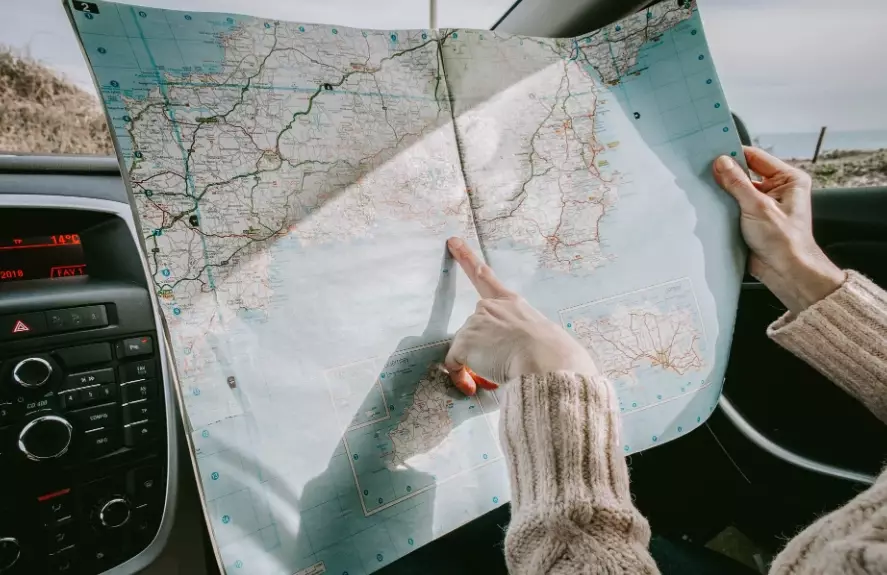
Pack out all your trash. Every wrapper, every bottle. If there's no bin, it goes back in your car.
Stay on designated trails and roads, especially in natural areas.
Respect wildlife by observing from a distance. Don't feed them—it's bad for them and dangerous for you.
Be mindful of local communities. You're a visitor in their home.
Our collective responsibility is to ensure these beautiful places exist for the next road tripper. It's not just an environmental point; it's an ethical one for any traveler.
Road Trip FAQs: Your Quick Questions Answered
The Final Mile
Look, no list of road trip tips can guarantee perfect weather or prevent every hiccup. That's not the goal. The goal is to give you the confidence and the toolkit to handle what comes, so you can relax into the experience.
The best road trip I ever took had a blown radiator hose, a torrential downpour that flooded our campsite, and a navigational error that added two hours to a drive. We still talk about it as the best trip because we laughed through it. We were prepared enough to solve the problems, but flexible enough to not let them ruin the journey.
So use these road trip tips as your foundation. Prep your car, pack with purpose, plan a loose route, and prioritize safety. Then, go. Turn up the music, roll down the windows, and be open to whatever the road brings you. The open highway is calling—you're now ready to answer.
Hit the road.