I remember standing in a damp paddock at 7 AM, the smell of race fuel and coffee hanging in the air, watching a guy in a pristine Porsche 911 GT3 struggle to fit his fancy helmet bag into his car. An hour later, he was being towed off the track after spinning into a gravel trap. Across the way, a woman in a 15-year-old Honda Civic with mismatched doors was having the time of her life, lapping consistently and getting faster every session. That’s when it clicked: starting auto racing isn’t about the car. It’s about the approach.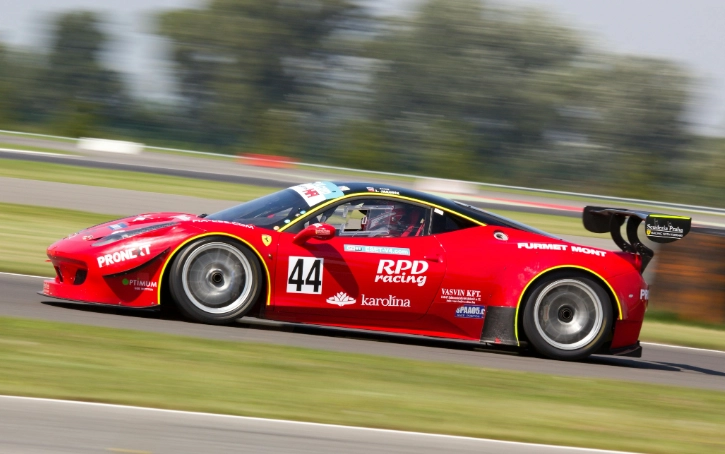
If you’re reading this, you’ve probably watched races, played simulators, and felt that itch to be the one behind the wheel. The barrier seems high—cost, skill, danger. But the path from spectator to participant is more structured and accessible than you imagine. This isn't about becoming a Formula 1 driver overnight. It's about getting you safely onto a track, learning real car control, and joining a community built on shared passion.
What You’ll Find in This Guide
How to Choose Your First Racing Discipline
"Auto racing" is a massive umbrella. Jumping into the wrong type can be expensive and discouraging. Your goal for year one should be seat time, not trophies.
For 95% of beginners, the answer is High-Performance Driver Education (HPDE) or a track day. These are not races. You're on track with other cars, but passing is strictly limited (usually with a point-by signal). The focus is on learning vehicle dynamics, track lines, and safety. Organizations like the Sports Car Club of America (SCCA), National Auto Sport Association (NASA), and private track groups run these events nationwide.
| Option | What It Is | Best For Beginners? | Typical First-Year Cost Focus |
|---|---|---|---|
| HPDE / Track Days | Educational driving on a closed circuit. Instructors, structured run groups. | YES. The ideal starting point. | Car prep, safety gear, event fees. |
| Autocross | Timed runs on a temporary cone course in a large parking lot. Low speed, high skill. | YES. Extremely low risk, cheap. | Almost none. Use your daily driver. |
| Time Attack | Solo timed laps, often with modified cars. More competitive. | Maybe, after 5-10 track days. | Significant car modifications. |
| Wheel-to-Wheel Club Racing | Actual sanctioned racing with door-to-door competition. | NO. Requires significant experience and safety prep. | Dedicated race car, full safety cage, racing license. |
Start with HPDE. It’s the foundational skill builder. I made the mistake of thinking autocross was "too slow." I was wrong. The car control you learn there is invaluable and makes you a much faster, smoother driver on the big track.
Preparing Your Car (Without Breaking the Bank)
Here’s the expert secret you won’t hear from most car magazines: The best beginner track car is the slowest, most reliable car you can find. Power hides flaws in technique. A low-power car forces you to learn momentum, braking points, and smoothness.
Top picks? Mazda Miata (any generation), Honda Civic Si, Ford Fiesta ST, Toyota 86/Subaru BRZ, BMW E30/E36 3-series. These are affordable, parts are cheap, and huge communities exist to help you.
Brakes Are Your #1 Priority
Street pads will fade and fail. Flush your brake fluid with a high-temp DOT 4 fluid like Motul RBF 600 or Castrol SRF. Install track-oriented brake pads. They’ll be noisy on the street, but they won’t vanish on lap three. Check that rotors have plenty of life and aren’t cracked.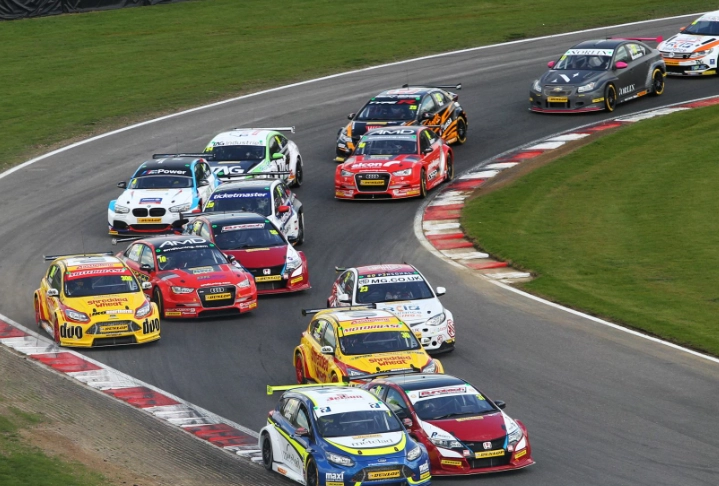
Tires and Suspension
Your all-season tires are not okay. They have soft sidewalls that roll over and can’t handle the heat. Get a set of 200-treadwear extreme performance summer tires (like Hankook RS4, Falken RT660). They’re the single biggest upgrade for lap times and safety. Ensure your suspension is tight—no worn-out ball joints or bushings.
Fluids and Cooling
Change your engine oil and coolant. Old oil breaks down under high temperatures. Consider a slightly heavier weight. Make sure your cooling system is robust; many street cars overheat on track.
What Safety Gear Do You Really Need?
Safety is non-negotiable. You can skimp on car mods, but not here. Most HPDE events require, at minimum:
- SA-Rated Helmet (Snell SA2020 or SA2025): Not an M-rated motorcycle helmet. The SA standard is for auto sports, with fire protection. Buy new if possible. A proper fit is crucial.
- Fire-Retardant Clothing: A single-layer Nomex suit or separate jacket/pants (SFI 3.2A/5 rating). Cotton hoodies are not allowed. Fire-retardant gloves and shoes are wise investments.
- Roll Bar (for convertibles): Most tracks mandate an approved roll bar for any convertible in a track event. No exceptions.
Don't buy the cheapest gear, but you don't need the $3000 custom suit. Mid-range brands like OMP, Sparco, and Racequip offer excellent value.
The Real Budget: Hidden Costs Nobody Talks About
Let’s be brutally honest. The entry fee ($300-$600/day) is just the ticket price. The real cost is in maintenance and consumables.
- Car Purchase (used, track-ready): $5,000 - $8,000
- Safety Gear (helmet, suit, gloves): $1,000 - $1,500
- Initial Car Prep (brake fluid, pads, baseline maintenance): $800
- Track Tires (set of 4): $800
- Event Fees (5 days): $2,000
- Consumables per day (brake pads, tires, fuel): ~$300/day
Year 1 Total (approx.): $10,000 - $15,000+
This stings, I know. But buying a cheaper car saves you upfront for the running costs.
The hidden killer is tire wear. A set of good tires might last 4-6 track days if you’re easy on them. Brake pads? Maybe 2-4 days. You’ll go through more fuel in one day than in a month of commuting. Budget for these or you’ll be sitting in the paddock watching others drive.
Surviving and Thriving on Your First Track Day
The day arrives. You’re nervous. Everyone is.
Morning Tech Inspection: They’ll check your car (helmet, numbers, loose items). Empty your car completely—floor mats, junk in the trunk, everything. A loose water bottle becomes a missile.
Driver’s Meeting: Pay attention. Flags, passing zones, procedures. Ask questions if you’re unsure.
Your First Session: Your instructor (you will request one) is your best friend. Listen to them. Their goal is to keep you safe and build confidence. Don’t try to impress them. Your goals for session one: 1) Learn the racing line they describe. 2) Be smooth. 3) Check your mirrors. 4) Hit your braking points. That’s it. Speed is not on the list.
Between sessions, check your tire pressures (they rise with heat) and look for anything loose. Walk the paddock, talk to people. This community is incredibly helpful. The guy with the weathered trailer? He probably has the tool you forgot and 20 years of advice.
Common Beginner Mistakes (And How to Avoid Them)
After coaching dozens of new drivers, I see the same patterns.
Mistake 1: Modifying the car before the driver. Spending $5000 on a turbo kit before your first event is a waste. That money is better spent on 10 track days of seat time. The driver is always the weakest link at the beginning.
Mistake 2: Ignoring the basics. Hydration, nutrition, rest. Track driving is physically and mentally exhausting. Dehydration leads to poor decisions. Bring water, snacks, a chair, and an umbrella.
Mistake 3: Focusing on the car in front. You’re learning a circuit. If a faster car catches you, use your mirrors, point them by in a designated zone, and return to your line. Don’t speed up trying to stay ahead. It ruins your learning and is dangerous.
The biggest sign of a good beginner isn’t a fast lap time. It’s consistent lap times, smooth control inputs, and a car that comes back in one piece.
Your first track day will change how you see driving forever. The buzz of hitting a complex of corners perfectly, the camaraderie in the paddock, the sheer physical sensation of it—it’s addictive. Start small, start smart, and prioritize learning over ego. The speed will come.
Frequently Asked Questions From New Drivers
How much does it cost to start auto racing for a beginner?
The cost varies wildly, but a realistic first-year budget for a dedicated beginner ranges from $5,000 to $15,000+. This includes a reliable used car (like a Mazda Miata or Honda Civic), a basic safety package (helmet, fire-retardant suit, gloves), consumables (tires, brakes, fluids), and entry fees for 4-6 track days. The biggest mistake is buying a car that's too fast or complex. Start with a slow, cheap, and robust platform. The skills you learn in a low-power car translate directly to faster machines later.
Can I use my daily driver for a track day?
Technically, you can, but I strongly advise against it. Track driving pushes your car to its absolute limits. You risk significant wear on brakes and tires, potential mechanical failure, and the very real chance of an accident that your regular insurance won't cover. If you must use a daily driver, perform a rigorous pre-track inspection (flush brake fluid, check pads/rotors, ensure tires have ample tread) and accept that you are risking your primary transportation. Dedicated track cars are cheaper to run and repair in the long run.
What's the biggest mistake new drivers make on their first track day?
Driving at 10/10ths from the first session. The goal of your first day isn't to set a lap record; it's to learn the line, your car's behavior, and track etiquette. Pushing too hard too early leads to mistakes, spins, and potentially damaging your car. Focus on smooth inputs—braking, steering, and throttle. Be predictable for drivers around you. Speed comes with consistency. An instructor once told me, 'Be slow to be fast.' It sounds cliché, but it's the single best piece of advice for a first-timer.
Do I need a racing license to participate in a track day?
No, a competition racing license is not required for most HPDE (High-Performance Driver Education) events or open track days. These are educational and recreational, not wheel-to-wheel races. You will need a valid state driver's license. The organizer will place you in a beginner run group, often with an in-car instructor for your first few events. A formal racing license from bodies like SCCA or NASA is only required when you move into sanctioned wheel-to-wheel competition.