In This Guide
- The Absolute Essentials: Your "Can't Forget" Checklist
- Beyond the Basics: What to Bring for a Smoother Experience
- What Your Car Needs to "Bring" (The Vehicle Prep Checklist)
- Common Reasons for Getting Turned Away (And How to Avoid Them)
- State-by-State Variations: It's Not Always the Same
- Frequently Asked Questions (The Stuff You're Secretily Worried About)
- Putting It All Together: Your Final Walk-Out-The-Door Checklist
Let’s be honest. The phrase "emissions test" or "smog check" doesn't exactly fill anyone with joy. It’s one of those necessary chores, like going to the dentist, but for your car. You know you have to do it, especially if that registration renewal notice is staring you down. The biggest headache for most people isn't the test itself—it's the scramble beforehand, trying to figure out exactly what you need to bring to the emissions test.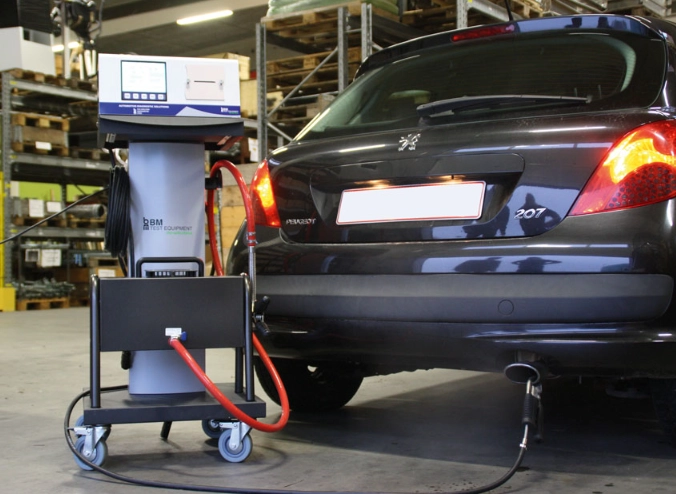
I’ve been there. I once drove to the test center only to realize I’d left the darn registration notice in the printer at home. Total facepalm moment, wasted time, and had to reschedule. Not fun.
So, let’s cut through the confusion. This guide is built from that experience and a lot of research. We’re going to answer the core question—what do I need to bring to an emissions test—with absolute clarity. But we’ll also go way beyond a simple list. We’ll talk about getting your car ready, common pitfalls that cause fails, and how rules can change depending on where you live. Think of this as your one-stop shop to walk in prepared and walk out with a pass.
The Absolute Essentials: Your "Can't Forget" Checklist
Okay, first things first. Here’s the non-negotiable stuff. If you forget any of these, the testing center will likely turn you away. This is the direct answer to what do I need to bring to my emissions test.
- The Vehicle Itself. Seems obvious, right? But you'd be surprised. The car or truck that needs the test must be physically present. They need to plug into its computer and test its tailpipe emissions.
- Your Vehicle Registration or Renewal Notice. This is the big one. This document proves the vehicle is yours (or you're authorized to have it tested) and tells the technician essential details like the VIN. If you lost it, you'll usually need to contact your local DMV or equivalent agency first.
- A Valid Form of Photo ID. Your driver's license is perfect. They need to verify you are who you say you are and that you're connected to the vehicle being tested.
- Payment. Most places don't do it for free (I wish!). Have your credit/debit card ready, or cash if the station specifies it. The cost varies, but it's usually between $30 and $60. Call ahead to check if you're unsure.
Pro Tip: I make a habit of putting the registration and my ID in the car's center console the night before the test. Out of sight, out of mind? More like in the car, peace of mind.
Breaking Down the "Why" Behind the Documents
You might wonder why they need all this paperwork. It's not just bureaucracy (though sometimes it feels that way).
Your registration has the Vehicle Identification Number (VIN). This VIN is the car's fingerprint. The testing equipment uses it to pull up the exact emissions standards your specific model year and engine need to meet. A 1998 truck and a 2023 hybrid have very different rules. The VIN ensures they test against the right benchmark.
Your driver's license links you to the vehicle. In many areas, the test result is electronically sent directly to the state's DMV database using the VIN and your info. If the names don't match or you can't prove authorization, it creates a mess.
So when you're thinking, "What do I need to bring for an emissions test?" remember: Car, Paperwork, ID, Money. That's the golden quartet.
Beyond the Basics: What to Bring for a Smoother Experience
Now, the essentials will get you in the door. But being a prepared pro can save you time, money, and a second trip. Here’s what I consider the "advanced" checklist.
- Previous Test Report or Repair Documentation. If you recently failed and had repairs done, bring the paperwork from the shop that did the work. It shows the technician what was addressed and can sometimes be helpful.
- Your Service Records. Not always required, but if you're a stickler for maintenance, having a log can be useful if there's a question about the car's readiness.
- Proof of Insurance. Some states or testing locations might ask for it. It's another form of vehicle verification. Toss your insurance card in the glove box—it should be there anyway.
- A List of Any Known Issues. Does the "Check Engine" light flicker intermittently? Is there a faint smell of gas? Jot it down. Telling the technician upfront can help them diagnose if it will affect the test.
- Patience and a Good Attitude. Seriously. These folks deal with stressed-out people all day. Being polite can make the process smoother for everyone.
My own lesson learned: I had an old OBD-II scanner from when I tried to be my own mechanic (a short-lived hobby). I started scanning my car a few days before the test, just to see if any hidden "pending" codes were lurking. It gave me a heads-up once, and I was able to tighten the gas cap—a classic, silly fail reason—before the real test.
What Your Car Needs to "Bring" (The Vehicle Prep Checklist)
This is where many people fail—literally. You can have all your documents in order, but if your car isn't ready, it will flunk. So, before you even ask "what do I need to bring to the smog test," ask if your car is ready to be tested.
Think of it like taking a physical. You wouldn't run a marathon right before getting your blood pressure checked. Your car needs to be in its normal, warmed-up, daily driving state.
Biggest Mistake People Make: Taking a car that's been sitting cold for days straight to the test center. The computer needs to see a "ready" status, which only comes after a proper drive cycle.
Pre-Test Vehicle Readiness Steps
- Drive It Normally. At least 30 minutes of mixed driving (city and highway) in the days before the test. This gets the engine hot, the catalytic converter working, and allows the car's computer to run all its self-checks.
- Check That Gas Cap. A loose, cracked, or faulty gas cap is a top cause of failure. It messes with the evaporative emissions system. Make sure it's on tight and clicks several times.
- Ensure the "Check Engine" Light is OFF. This is non-negotiable. If that light is on, you will fail automatically in almost all cases. The light indicates the car's computer has detected a problem that likely affects emissions.
- Get an Oil Change if It's Due. Dirty oil can increase emissions. It's just good maintenance anyway.
- Inflate Your Tires Properly. Wait, what? Yes. If they put your car on a dynamometer (rolling road test for older models), proper tire pressure ensures an accurate and safe test.
- Don't Add "Magic" Fuel Additives Right Before. Some can temporarily mask problems. Technicians know this, and it might not help. It's better to fix the real issue.
Ever had that sinking feeling when you're at the counter and they ask for something you didn't even know existed? Let's prevent that.
Common Reasons for Getting Turned Away (And How to Avoid Them)
You've got your checklist for what to bring to an emissions test, but sometimes it's not about what you brought—it's about what's wrong with the car itself when you get there.
- The Check Engine Light is On. We said it before, but it's worth repeating. This is an instant fail. Get it diagnosed and repaired first.
- The Battery Was Recently Disconnected. This resets the car's computer. All those internal self-tests (the "readiness monitors") get cleared. The car needs a proper drive cycle (sometimes 50-100 miles of varied driving) to reset them. If the monitors aren't "ready," they can't perform a valid OBD-II test.
- There's a Major Fluid Leak. If the car is dripping oil, coolant, or fuel onto the test bay floor, it's a safety hazard. They'll refuse the test.
- The Tires Are Bald or the Car is Unsafe. Again, if they use a dynamometer, they won't risk it with unsafe tires.
- The Gas Tank is Nearly Empty. The test procedure often requires the tank to be between 1/4 and 3/4 full. Too low, and you might suck in air from the tank. Too full, and there's no room for vapor. Aim for the sweet spot.
A quick phone call to your chosen testing center the day before can solve a lot of anxiety. Just ask: "Hey, aside from the car, registration, and my license, is there anything specific I should know or bring?" It takes two minutes and can save you a huge hassle.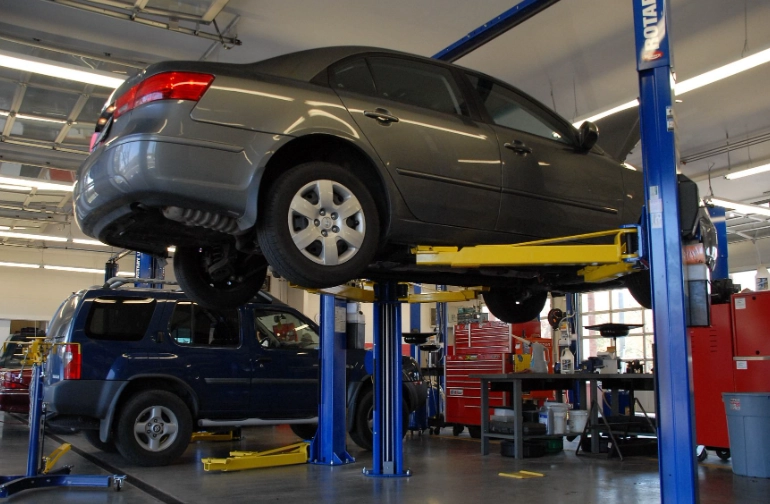
State-by-State Variations: It's Not Always the Same
This is a critical point. While the core idea of what you need for an emissions test is similar nationwide, the details are controlled by individual states, and sometimes even by counties within states.
For example, California's SMOG check program is famously comprehensive. Some rural counties in other states have no testing requirements at all. This is why you must check your local rules.
The best source? Always, always your state's Department of Motor Vehicles (DMV) website or environmental protection agency website. These are the authoritative sources. For a national overview, the U.S. Environmental Protection Agency (EPA) provides information on vehicle emissions testing, which you can find on their official website.
Let's look at a few examples of how requirements can differ. Remember, this table is illustrative—always verify with your local authority.
| State/Program | Core Documents Needed | Potential Unique Requirements or Notes |
|---|---|---|
| California (SMOG Check) | Vehicle, Registration, DL, Fee | Requires a specific "Test-Only" station for certain high-polluter models. Results are sent electronically to DMV; you get a certificate if it passes. |
| New York (NYVIP) | Vehicle, Registration, DL, Fee | Annual safety inspection includes the emissions test. You get one sticker for both. |
| Texas (Inspection) | Vehicle, Registration, DL, Fee, Proof of Insurance | As of recent years, the safety/emissions inspection is separate from registration renewal, but you still need the pass report to renew. |
| Colorado (AIR Program) | Vehicle, Registration, DL, Fee | Required in the Denver/Boulder metro area and parts of the Front Range, but not in many mountain counties. |
See what I mean? The question "what do i need to bring to emissions test" in Austin might have a slightly different answer than in Denver. A quick search for "[Your State] emissions test requirements" will lead you straight to the .gov site with the official list.
It’s a bit of a pain, I know. But spending 10 minutes online beats wasting a half-day driving around confused.
Frequently Asked Questions (The Stuff You're Secretily Worried About)
I failed once on an old beater truck due to a faulty oxygen sensor. The report told me exactly which sensor (Bank 1, Sensor 2). I took that to my mechanic, and it made his job and my wallet much happier—no guesswork.
Putting It All Together: Your Final Walk-Out-The-Door Checklist
So, let's synthesize everything. The night before or the morning of your test, run through this final mental list. This is the ultimate answer to what do I need to bring to my emissions test and do before it.
1. DOCUMENTS: Vehicle Registration/Renewal Notice. Driver's License. Payment Method (Card/Cash). Insurance Card (just in case).
2. VEHICLE READINESS: "Check Engine" light is OFF. Drove 30+ mins recently. Gas cap is tight. Gas tank is between 1/4 & 3/4 full. No major leaks.
3. LAST-MINUTE ACTIONS: Put documents in car. Inflate tires. Be ready to describe any minor issues to the tech. Take a deep breath.
There you have it. Knowing exactly what to bring to an emissions test takes 90% of the stress out of the process. The other 10% is just dealing with the wait. Bring your phone, a book, or just enjoy a few minutes of quiet.
The goal is to pass, right? Being prepared with the right documents and a ready vehicle is the single biggest factor within your control. It turns a dreaded chore into a simple errand. Now go get that pass certificate and renew your registration with confidence.