Quick Navigation
- The Top Signs Your Fuel Filter is Begging for a Change
- Why Does This Happen? What's Actually Going On in There?
- So, When Should You Actually Change It? Busting the Mileage Myth.
- The DIY Check: Can You Test It Yourself?
- What Happens If You Just Ignore It?
- Your Action Plan: From Suspicion to Solution
- Common Questions (The Stuff You're Really Wondering)
- Final Thoughts: Listen to Your Car
Let's be honest. Most of us don't think about the fuel filter until something goes wrong. It's one of those out-of-sight, out-of-mind parts, tucked away in the fuel line. But ask any seasoned mechanic, and they'll tell you a clogged fuel filter is a classic culprit behind a whole host of frustrating and potentially expensive car problems. So, how do you know if the fuel filter needs to be changed before you're left stranded on the side of the road? That's exactly what we're going to unpack here.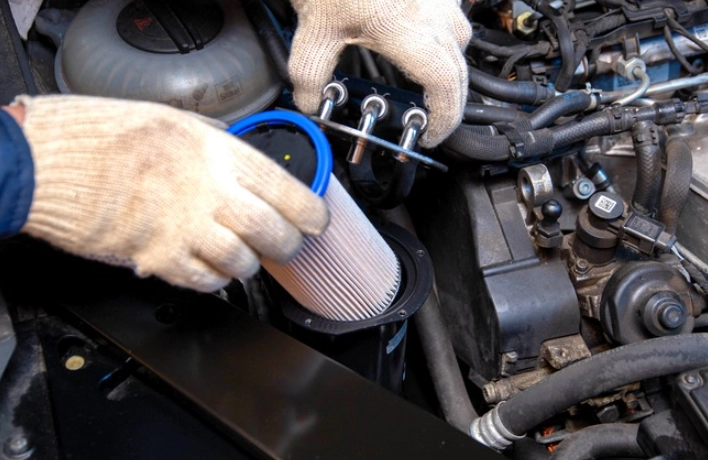
I remember ignoring the subtle signs in my old truck until it finally sputtered and died trying to merge onto a highway. Not a fun experience. The tow truck driver just shook his head and said, "Sounds like a fuel issue, probably the filter." He was right. A thirty-dollar part turned into a two-hundred-dollar afternoon because I waited too long. I don't want that to happen to you.
This guide isn't just a list of symptoms. It's a deep dive into understanding why the filter fails, how those failures feel when you're driving, and a realistic look at when you should just replace it based on your driving habits, not just a mileage number. We'll cover everything from the early whispers your car gives you to the loud shouts that mean trouble is already here.
The Top Signs Your Fuel Filter is Begging for a Change
Your car talks to you. It doesn't use words, but it communicates through performance, sounds, and feel. A failing fuel filter has a very specific vocabulary. Here are the most common phrases it uses, starting with the subtle hints and moving to the obvious cries for help.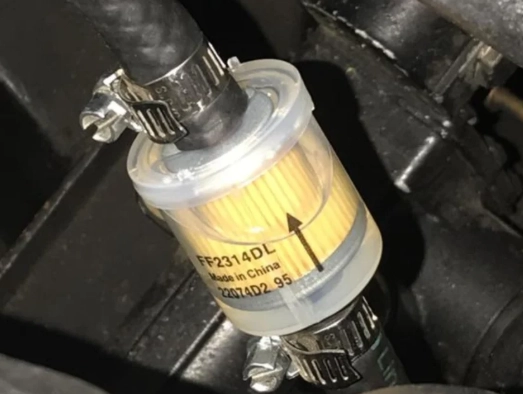
Performance Issues You Can't Ignore
This is where most people start to wonder, "How do I know if the fuel filter needs to be changed?" The problems are directly related to the engine not getting enough fuel, or getting an inconsistent supply.
- Engine Hesitation or Stumbling: This is the big one. You press the accelerator, especially from a stop or when trying to pass, and instead of a smooth surge of power, the engine feels like it's stumbling, hesitating, or even momentarily losing power before catching up. It feels like the car is gasping for air—or in this case, fuel. The restricted filter can't supply enough fuel for the sudden demand.
- Rough Idling: When you're stopped at a light, does the engine feel shaky or uneven? Does the RPM needle bounce around a bit? A clean, steady fuel supply is crucial for a smooth idle. A clogged filter disrupts that flow, making the engine run rough when it's just ticking over.
- Loss of High-End Power: The car might feel okay driving around town at low speeds, but when you get on the highway and need sustained power, it feels weak. It struggles to accelerate past a certain point or maintain speed on an incline. The engine is literally being starved of fuel under high load.
- Random Misfires: You might feel a jerking sensation or hear a sporadic "put-put" from the exhaust. While misfires can be caused by spark plugs or coils, a lean condition (not enough fuel) from a bad filter is a common root cause. The onboard computer might even log misfire codes (like P0300) that point you elsewhere, but the filter is the underlying problem.
Word of warning: Don't just assume rough idling is always the filter. It could be a dozen other things like dirty throttle bodies or bad oxygen sensors. But if it's paired with hesitation under acceleration, the fuel filter moves way up the suspect list.
Starting Problems That Will Drive You Nuts
This is a huge red flag and a major user pain point. Nothing is more frustrating than a car that won't start.
- Hard Starting or Extended Cranking: You turn the key, and the engine cranks... and cranks... and cranks, finally firing up after what feels like an eternity. This happens because it takes time for the weakened fuel pump to push enough fuel through the clogged filter to reach the pressure needed for the engine to start. In severe cases, you might need to turn the key to "on" (without cranking) a few times to let the pump prime the system before it will start.
- Failure to Start (The Worst-Case Scenario): The engine cranks healthily but never catches. This is a full-blown blockage. No fuel is getting to the engine. At this point, you're not wondering how to know if the fuel filter needs changing—you know it does, or there's another severe fuel delivery issue.
I've seen this happen more often in colder weather. Thick, dirty fuel combined with a marginal filter can be the final straw.
The Silent Killer: Poor Fuel Economy
This one sneaks up on you. You might not notice the slight hesitation at first, but you will notice you're visiting the gas station more often. How does a clogged filter waste gas? It's counterintuitive.
The engine control unit (ECU) is trying to maintain the correct air-fuel ratio (typically 14.7:1 for most modern cars under normal conditions). If the filter is restricting fuel flow, the ECU detects a lean condition via the oxygen sensors. To compensate, it may inject fuel for longer periods or adjust other parameters in a way that reduces overall efficiency. The engine is working harder to do the same job, burning more fuel. You might see a drop of 1-3 MPG that you can't explain. It's a slow bleed of money from your wallet.
The Final, Unmistakable Symptom: Engine Stalling
If your car starts stalling, especially after it's warmed up or under load (like when the A/C kicks in), the fuel filter is a prime suspect. The engine momentarily needs more fuel than the clogged filter can supply, causing it to cut out completely. It might restart right away or after a few minutes. This is a serious safety issue, not just an inconvenience. If this happens, get it looked at immediately.
Quick Symptom Summary: If your car is hard to start, stumbles when you give it gas, idles like it has a cold, and gets worse mileage for no reason, you've got a pretty clear checklist pointing toward the fuel filter. The question of "how do I know if the fuel filter needs to be changed?" starts to answer itself.
Why Does This Happen? What's Actually Going On in There?
Understanding the "why" makes diagnosing the "what" much easier. A fuel filter's job is simple: trap contaminants in the gasoline before they reach your expensive fuel injectors or carburetor. Over time, it does its job too well and gets full.
What's it catching? Mostly microscopic rust particles from the inside of your gas tank (especially in older cars), dirt, sediment from storage tanks, and even debris from fuel distribution systems. The quality of fuel matters. Organizations like SAE International set standards for fuel systems, but contaminants are a fact of life. The U.S. Environmental Protection Agency (EPA) regulates fuel additives, but doesn't eliminate all particulates.
Modern direct-injection engines are even more sensitive. Their injectors operate at extremely high pressures with incredibly tight tolerances. A tiny piece of grit that might have passed through an older system can clog or damage a direct-injection injector, leading to repairs that cost thousands. So, in many ways, that little filter is your first and most important line of defense.
Think of it like a coffee filter. A new one lets water flow through quickly. An old, clogged one makes you wait forever for a dribble of coffee. Your engine is just as impatient.
So, When Should You Actually Change It? Busting the Mileage Myth.
Every owner's manual has a recommended interval, usually between 20,000 and 60,000 miles. But here's my personal take: that number is almost useless on its own. It's a safe average under ideal conditions. Your actual need depends entirely on your driving reality.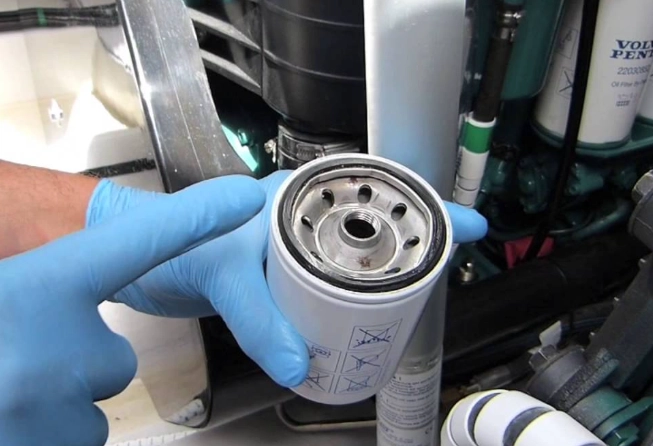
I treat the manual's number as the absolute maximum, not a target. If you want to avoid ever asking "how do I know if the fuel filter needs to be changed?" because of a symptom, change it proactively based on these factors:
| Your Driving Condition | Impact on Fuel Filter | My Suggested Proactive Interval |
|---|---|---|
| Mostly Highway, Clean Fuel Sources | Low stress. Fuel flows consistently, tank condensation is minimal. | Every 30,000 - 40,000 miles |
| City/Stop-and-Go Driving | Moderate stress. More engine cycles, fuel pump runs frequently. | Every 25,000 - 30,000 miles |
| Older Vehicle (10+ years) | High stress. Higher chance of internal tank rust and sediment. | Every 15,000 - 20,000 miles |
| Using Non-Top Tier Gas or Unknown Stations | High stress. Fuel quality and cleanliness can vary widely. | Every 20,000 - 25,000 miles |
| Vehicle Frequently Sits (Low Miles/Year) | Very High stress. Condensation in tank leads to water and rust. Fuel can degrade and leave varnish. | Change by time: Every 2-3 years, regardless of mileage. |
My rule of thumb? If you can't remember the last time it was changed, it's time to change it. It's cheap insurance. I'd much rather spend $50 on a filter and an hour of my time than $1200 on a fuel pump that burned out trying to suck fuel through a clog.
The DIY Check: Can You Test It Yourself?
For the hands-on folks, there are a couple of checks, but fair warning: they range from simple to moderately advanced.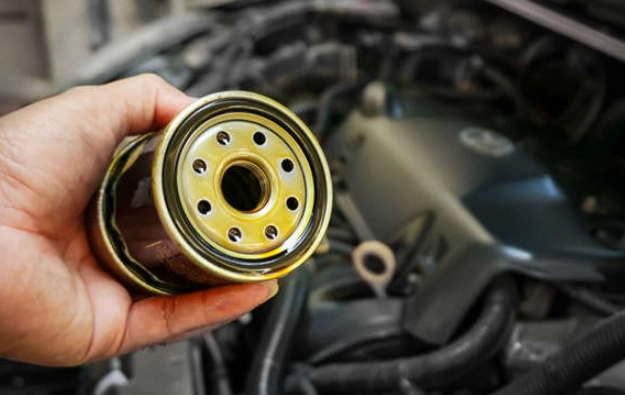
The Fuel Pressure Test (The Best Diagnostic)
This is the mechanic's gold standard. You need a fuel pressure test gauge kit (you can rent one from most auto parts stores). You connect it to the fuel rail's test port, turn the key on to prime the system, and note the pressure. Then you start the engine and check the pressure at idle and under load (revving the engine). Compare your readings to the factory specification found in a repair manual or a reliable online database.
If the pressure is low, or drops significantly when you rev the engine, you have a restriction (likely the filter) or a weak pump. It's a definitive test. Publications like Car and Driver often discuss the importance of proper fuel pressure for performance, underscoring why this test matters.
The Visual Inspection (For Some Filters)
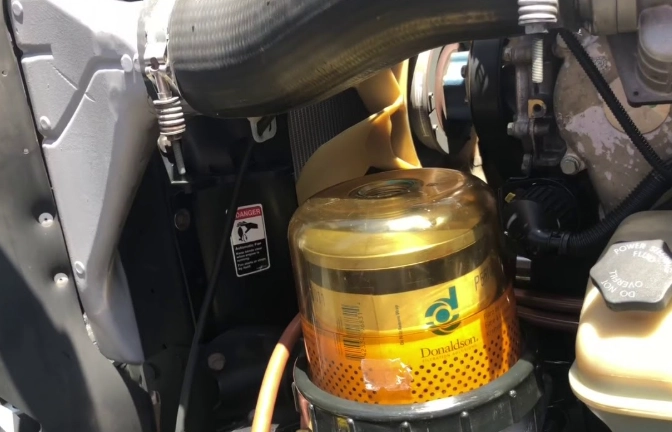
Some older cars or specific models have clear, see-through filters or filters mounted in easy-to-see locations. If you're lucky enough to have one, you can literally look for a dark, dirty appearance or visible sediment. Most modern filters are metal canisters, so this isn't an option.
The "Quick and Dirty" Listen Test
Have a friend turn the ignition key to the "on" position (not start) while you listen near the fuel tank (usually under the rear seats or in the trunk area). You should hear the fuel pump whirr for a few seconds as it primes the system. If it sounds strained, labored, or runs for an unusually long time, it's struggling against a restriction. This is very subjective, but it can be a clue.
Safety First: Anytime you work with fuel, relieve the fuel system pressure first (consult a repair guide for your specific car). Have a fire extinguisher nearby. No smoking. Work in a well-ventilated area. Fuel is dangerously flammable.
What Happens If You Just Ignore It?
Let's talk about the domino effect. A clogged filter doesn't just cause poor performance. It kills other expensive components.
- Fuel Pump Failure: This is the big one. The electric fuel pump lives in your gas tank. It's designed to push fuel through a clean filter. A clogged filter makes it work much, much harder. It's like trying to suck a thick milkshake through a skinny straw. The pump motor overheats and burns out. A fuel pump replacement often costs 10-20 times more than a filter and requires dropping the fuel tank.
- Fuel Injector Clogging or Damage: If a piece of debris makes it past the spent filter, it can clog an injector. Now you have a misfire specific to one cylinder. Cleaning or replacing injectors is costly.
- Catalytic Converter Damage: Severe misfires caused by a lean condition can send unburned fuel into the hot catalytic converter. This can overheat and melt the converter's internal honeycomb structure. That's a four-figure repair.
See the pattern? A $30-$80 part, if neglected, can trigger a repair bill in the thousands. The National Highway Traffic Safety Administration (NHTSA) includes fuel system maintenance in its general vehicle safety guidelines, and for good reason.
Your Action Plan: From Suspicion to Solution
Okay, you've read the symptoms and you're pretty sure you need a new filter. What now?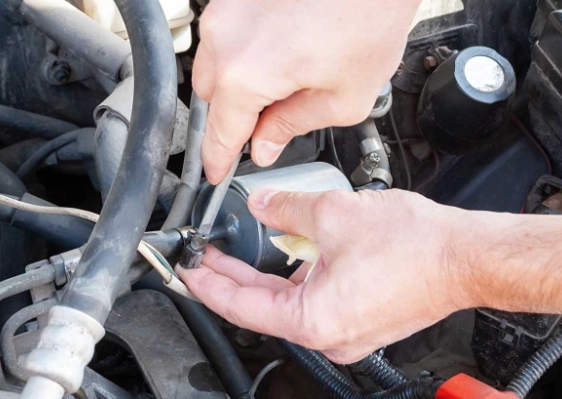
Step 1: Confirm the Diagnosis
Cross-check your symptoms. Do you have two or more from the performance list? If it's just one thing, like slightly worse gas mileage, investigate other causes too (tire pressure, air filter, thermostat). If you have starting issues and hesitation, the fuel filter is a very strong candidate.
Step 2: Source the Right Part
Don't just buy the cheapest filter on the shelf. Get a quality brand from a reputable parts store or dealer. A poorly made filter can fail internally or not have the correct micron rating (the size of particles it filters). Your fuel system is precision equipment; don't protect it with junk.
Step 3: Decide: DIY or Pro?
This depends entirely on your car and your comfort level.
- Easy DIY: Many older cars and trucks have an inline filter easily accessible under the car or in the engine bay. It's often held by simple hose clamps or quick-connect fittings. This is a straightforward 30-60 minute job for a beginner with basic tools.
- Moderate/Advanced DIY: Many modern cars have the fuel filter integrated into the fuel pump assembly inside the gas tank (often called a "lifetime" filter, which is a marketing term, not a reality). Replacing this requires dropping the fuel tank, which is a significant job involving depressurizing the system, disconnecting lines and wiring, and supporting the tank safely. I'd leave this to a professional unless you're very experienced.
Search online for "[Your Car Year, Make, Model] fuel filter replacement" and watch a video. You'll know in 2 minutes if it's in your wheelhouse.
Step 4: The Replacement Itself (Basic Outline)
For a standard inline filter: Relieve fuel pressure. Disconnect the battery negative cable for safety. Locate the filter. Place a rag under the connections to catch spilled fuel. Note the direction of fuel flow (always marked on the filter with an arrow). Disconnect the lines. Remove the old filter. Install the new one with the arrow pointing toward the engine. Reconnect everything securely. Reconnect the battery. Turn the key to "on" a few times to prime the system. Check for leaks. Start the engine.
Common Questions (The Stuff You're Really Wondering)
Final Thoughts: Listen to Your Car
The whole point of asking "how do I know if the fuel filter needs to be changed?" is to become a more attentive car owner. You don't need to be a mechanic. You just need to pay attention to changes in how your car feels and acts.
That slight stumble you feel when you accelerate onto the freeway ramp? That's your car talking. The extra crank on a cold morning? That's another sentence in the conversation. Ignoring these whispers is how they turn into shouts—shouts that sound like a tow truck winch and a big repair bill.
Treat your fuel filter as a regular wear item, like brakes or tires. Change it based on your driving conditions, not just a sticker in the corner of your windshield. It's one of the simplest, most cost-effective forms of preventative maintenance you can do. It keeps your fuel system clean, your engine running smoothly, and your wallet protected from much larger problems down the road.
So next time you feel that hesitation, don't just hope it goes away. Think about the last time you changed that filter. It might just be time.