In This Guide
Let's talk about car window tinting. You see it everywhere, from sleek blacked-out luxury sedans to your neighbor's slightly bubbly minivan attempt. It's one of those car mods that sits in a weird space – it's super common, but there's a ton of confusion around it. Is it just for looks? Will you get pulled over? Can you do it yourself without creating a giant, sticky mess?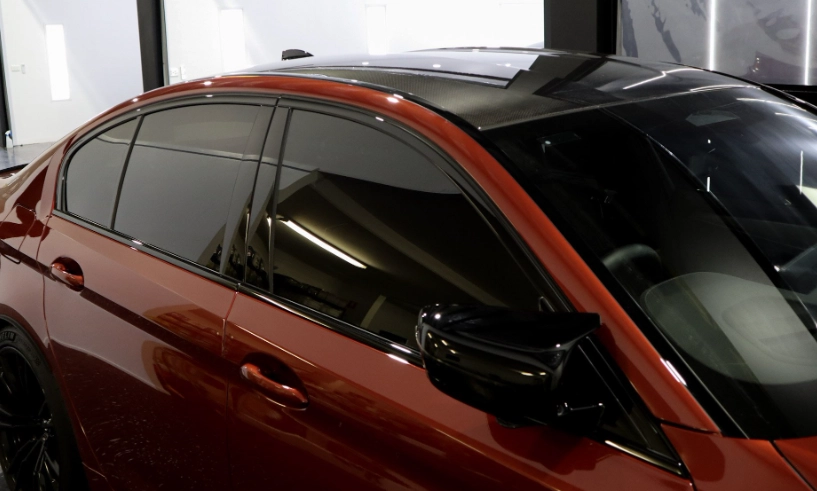
I remember when I got my first car tinted. I walked in thinking, "darker = cooler and more private." I walked out having gotten a mini-education on VLT percentages, ceramic films, and state statutes. I also learned the hard way that a cheap job can look terrible in a year. So, I'm writing this to save you the headache I almost had.
This isn't just a sales pitch for tint. We're going to dig into the real benefits (some are life-changers in summer), the frustratingly complex legal stuff, the different types of film, and whether you should even consider the DIY route. By the end, you'll know exactly what you're getting into.
Bottom line up front: Car window tinting is about way more than aesthetics. It's a functional upgrade that can protect your health, your car's interior, and your wallet from fuel costs. But doing it wrong can cost you more in fines and re-dos.
Why Bother? The Real Benefits of Window Tint (Beyond Looking Cool)
Sure, a good tint makes a car look more finished, more premium. It adds a layer of privacy that makes you feel less like you're in a fishbowl. But the practical benefits are what make it a genuinely smart investment.
Let's break them down.
Sun Protection for You and Your Car
This is the big one. The sun does a number on your car's interior. Dashboards crack and fade. Upholstery loses its color and becomes brittle. It's not just cosmetic wear; it's actual damage that lowers your car's resale value. A quality window tint blocks up to 99% of the sun's harmful ultraviolet (UV) rays. Think of it as sunscreen for your seats and dash.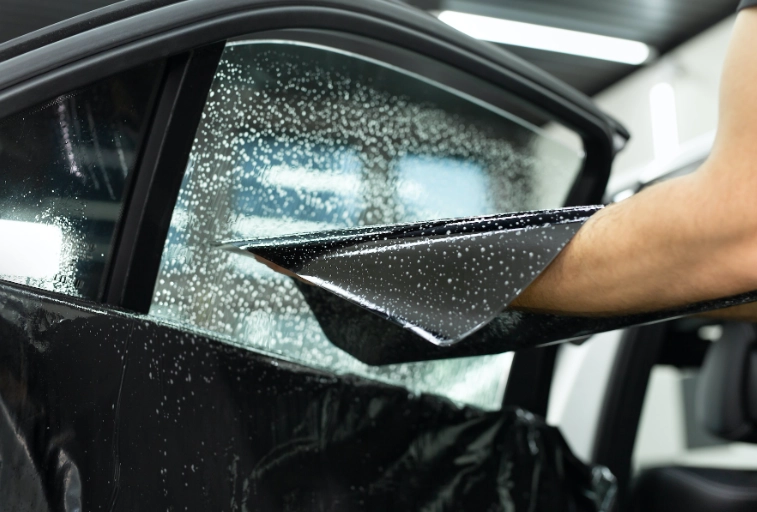
More importantly, it's sunscreen for you. Prolonged exposure to UV rays during driving is a real thing and contributes to skin damage and increased risk of skin cancer. The American Cancer Society notes that UV radiation can penetrate car windows. A high-quality tint acts as a constant barrier.
Quick Fact: Not all tints block UV rays equally. Dyed films are the worst at it, while ceramic and high-end carbon films are champions. Always check the film's specs for its UV rejection rate—aim for 99%.
Bye-Bye, Greenhouse Effect (Heat Rejection)
Ever opened your car door on a summer afternoon and been hit by a wall of heat that takes your breath away? That's solar heat gain. The sun's infrared (IR) rays come through the glass and get trapped inside.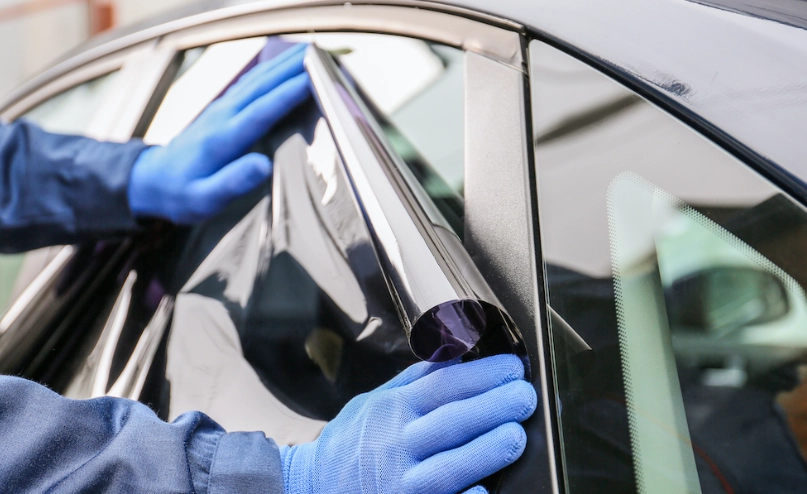
Modern car window tinting films, especially ceramic ones, are engineered to reflect or absorb a huge chunk of this IR radiation. We're talking about reductions in cabin temperature of 15 to 25 degrees Fahrenheit. It's not just about comfort when you first get in.
It means your air conditioner doesn't have to work as hard, which can slightly improve fuel efficiency and reduce wear on the AC compressor. Your car cools down faster and stays cooler. In places like Arizona or Texas, this isn't a luxury; it's a sanity saver.
Glare Reduction and Shatter Protection
Driving into the setting sun or getting reflections off wet roads is dangerous. Tint significantly cuts down glare, reducing eye strain and fatigue. It just makes driving less stressful, especially on long trips.
Then there's safety. While no film will make your glass "bulletproof," a good quality tint holds shattered glass together in an accident or break-in attempt. Instead of a thousand shards flying into the cabin, the glass sticks to the tint film, creating a spider-web pattern. This can prevent or reduce lacerations from broken glass. It's a secondary safety feature most people don't consider.
The Murky World of Window Tint Laws
This is where people get tripped up, and for good reason. The laws are a patchwork quilt of state-by-state regulations, and they are strictly enforced. Ignorance is not a defense.
At the heart of it all is VLT (Visible Light Transmission). This is the percentage of visible light that gets through your window film and glass combined. A lower VLT means a darker tint. 5% VLT is limo-black. 70% VLT is very light. Most factory "privacy glass" on SUV rear windows is around 20-25% VLT.
States set legal limits for how dark you can tint your front side windows, rear side windows, and rear window. The windshield is almost always off-limits except for a thin strip at the top (usually 4-6 inches).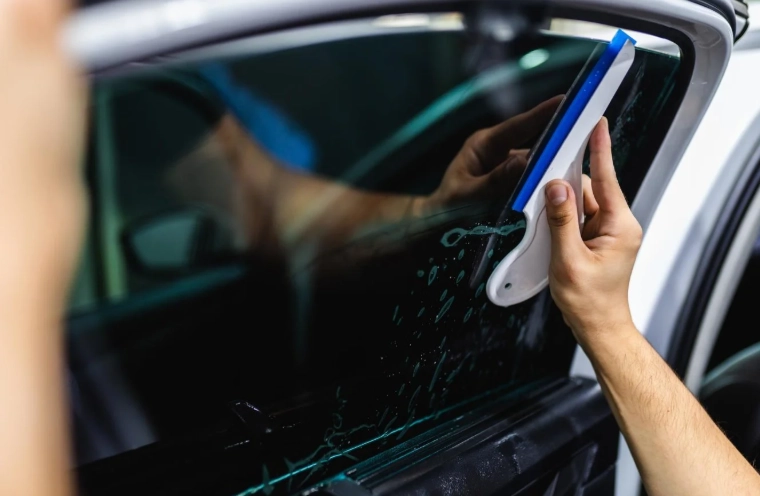
Warning: The most common mistake is tinting the front windows too dark. In many states, the legal limit for front side windows is 35% VLT or higher. That's much lighter than most people want. Tinting them to 20% or 5% is a surefire way to get a ticket and a "fix-it" order to remove it.
Some states also have rules about reflectivity (how shiny/mirrored the tint can be) and even the color (red, amber, and blue are often prohibited). Medical exemptions exist in many places, but they require official documentation from a doctor.
The only way to be sure? You have to check the specific laws for your state. A reputable installer will know them, but it's your responsibility as the car owner. A great resource to start is the International Window Film Association (IWFA), which provides general guidelines, but always double-check with your state's Department of Motor Vehicles (DMV) or highway patrol website for the absolute latest, official statutes.
My personal take? It's tempting to go as dark as possible for privacy, but dealing with tickets and the hassle of removal isn't worth it. I stick to legal limits on the front, and go a bit darker on the rears if I want.
Navigating the Maze of Tint Film Types
Walk into a tint shop or browse online, and you'll be hit with a barrage of names: dyed, metallic, carbon, ceramic, hybrid. The price differences are huge. What are you actually paying for?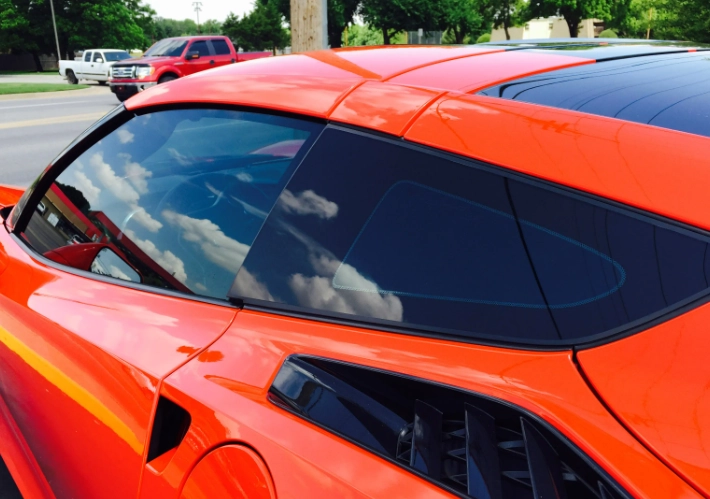
Let's clear the air. This table breaks down the most common types you'll encounter.
| Film Type | How It Works | Pros | Cons | Best For... |
|---|---|---|---|---|
| Dyed Film | Uses layers of dye to absorb solar heat and block light. | Least expensive. Good glare reduction. Non-metallic (no signal interference). | Poor heat rejection over time. Fades and turns purple. Can bubble. Offers minimal UV protection. | Budget-conscious owners where heat isn't a major concern. Short-term solution. |
| Metalized Film | Microscopic metallic particles reflect heat and light. | Excellent heat rejection. Very durable. Doesn't fade. Adds slight window strength. | Can interfere with GPS, radio, and cell phone signals. Has a slightly shiny, reflective appearance. More expensive than dyed. | |
| Carbon Film | Uses carbon particles to block heat and light without metal. | No signal interference. Rich, matte black appearance (no shine). Good heat rejection. Fade-resistant. | Not as effective at heat rejection as top-tier ceramic. Mid-range price point. | Anyone wanting a premium look without signal issues or the highest price tag. |
| Ceramic Film | Uses nano-ceramic particles (non-metallic) for superior performance. | Best-in-class heat rejection. Blocks 99% UV. No signal interference. Incredibly clear view. Doesn't fade. Extremely durable. | The most expensive option. The performance difference is real, but you pay for it. | Drivers in very hot climates, those concerned about interior protection, or anyone wanting the absolute best performance. |
| Hybrid Film | Combines dyed and metalized layers. | Balances cost and performance. Better heat rejection than dyed alone. More affordable than ceramic. | May have slight signal interference. Performance not on par with pure ceramic. | A good middle-ground option for balanced performance and budget. |
Looking at that, it's obvious why ceramic has become the gold standard for those who can afford it. It solves the key problems: amazing heat blocking with zero electronic interference. But a good carbon film is a fantastic choice for most people.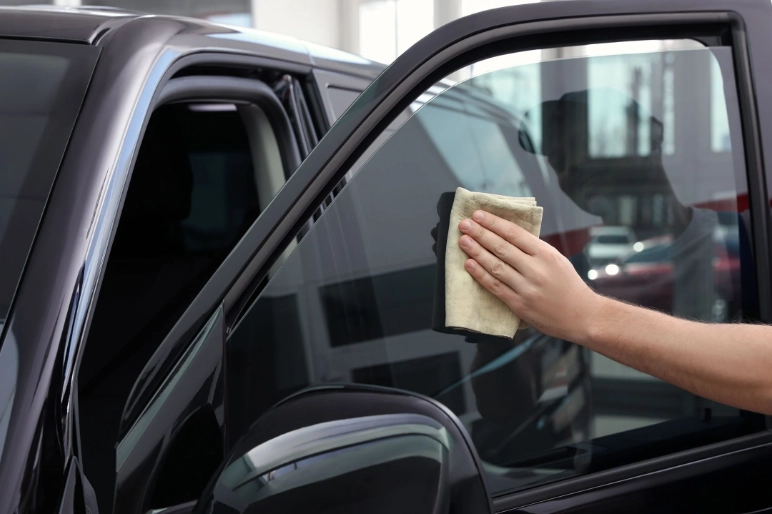
I made the mistake of going with a cheap dyed film on an old car. Two summers later, it was purple and bubbling at the edges. Never again. Since then, I've used carbon and ceramic, and the difference in longevity and performance is night and day.
Pro Tip: Always ask for a sample. A good shop will let you feel the difference in thickness and see the clarity. Hold a piece of dyed film and a piece of ceramic film up to a light bulb. The difference in how much heat you feel on your hand is instantly convincing.
The Big Decision: Professional Installation vs. DIY Kits
Ah, the siren song of the DIY tint kit. A fraction of the price! Do it in your driveway! It looks so easy in the YouTube videos...
Let me be blunt: applying car window tint is a skilled craft. It's part art, part science. The windows are curved, and you're working with a fragile, adhesive-backed film that attracts every speck of dust while wet, and dries with any imperfection permanently locked in.
The DIY route is fraught with peril:
- The Prep is Everything: You need an absolutely dust-free environment. A garage is okay, but even then, you need to wet down the floor. A single hair or dust mote under the film is a permanent eyesore.
- The Curves Are Tricky: Car windows are rarely perfectly flat. Shrinking the film to conform to compound curves using a heat gun is a skill that takes practice. Get it wrong, and you get fingers, creases, or uneven edges.
- The Film is Forgiving... Until It Isn't: You can slide it around when it's wet. But once the adhesive starts to set, that's it. Alignment has to be perfect on the first real try.
- The Tools Matter: You need good squeegees, spray bottles with the right slip solution, sharp blades, and a heat gun. The kits often include cheap versions.
I tried it once. On one rear side window. It took me three hours. The result was... okay from five feet away. Up close, it was a mess of tiny bubbles and a slightly crooked edge. I paid a professional to redo it.
A professional installer does this every day.
They have a clean bay, professional-grade film on large rolls, and the muscle memory to cut, shrink, and apply film quickly and flawlessly. Most offer warranties on both the film and their labor—often for life against bubbling, peeling, or discoloration. That peace of mind is worth the cost.
If you're a serious hobbyist with tons of patience and a perfect workspace, DIY is possible for simpler rear windows. But for the front windows, the windshield banner, or if you care about a flawless finish, professional car window tinting is the only way to go.
Caring for Your New Tint
You've invested in a quality tint job. Make it last. The main enemy is the adhesive curing process and harsh chemicals.
- The Dry Time: Your installer will tell you this, but listen: do not roll down your windows for the time they specify, usually 2-5 days. This lets the adhesive fully cure and bond. Rolling them down early can peel the top edge away from the seal.
- Cleaning: Avoid ammonia-based cleaners (like most common glass cleaners). Ammonia breaks down the dyes in the film, leading to fading and discoloration. Use a soft microfiber cloth and a spray bottle with a drop of mild dish soap in water, or a cleaner specifically labeled as safe for tinted windows.
- Be Gentle: Don't scrape ice or stickers off a tinted window. Be careful with suction-cup mounts (like for toll transponders or dash cams); they can pull the film loose if the adhesive isn't fully cured.
Following these simple rules can keep your tint looking new for a decade or more.
Answers to the Questions You're Actually Asking
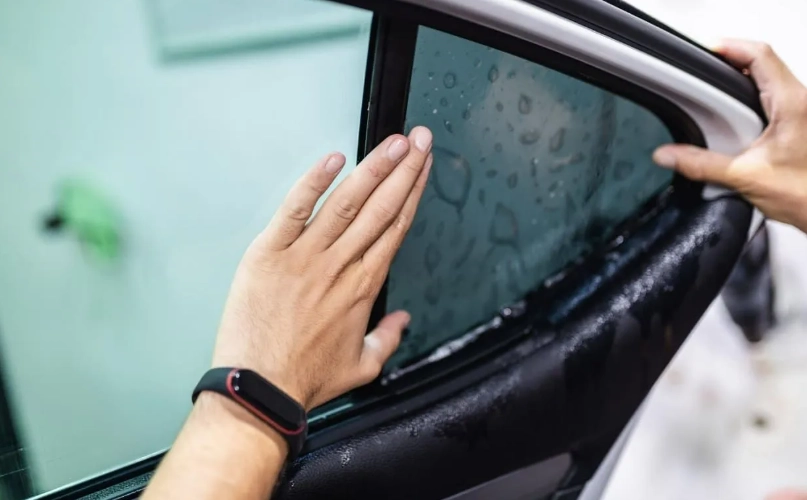
How long does car window tinting last?
A professional job with a quality film (carbon, ceramic, good metalized) should last the lifetime of the vehicle—10+ years easily. Cheap dyed film might last 2-5 years before fading or bubbling. The warranty is your best clue; a lifetime warranty means the manufacturer and installer expect it to last.
Can I tint my windshield?
You cannot apply a full tint to the windshield legally anywhere in the US. However, a clear, high-heet-rejection ceramic film (often called "aircraft grade" or "clear tint") with 70-80% VLT is sometimes applied. It's virtually invisible but rejects significant heat and UV. Some states allow this, others don't. The other option is a "sun visor" strip along the top, which is legal in most places to a certain depth.
How much does it cost?
It varies wildly by film type, vehicle size, and region. As a rough guide:
- Dyed Film (Full Car): $150 - $300
- Carbon Film (Full Car): $250 - $500
- Ceramic Film (Full Car): $400 - $800+
Sedans are cheaper than SUVs or vans with more glass. Get multiple quotes, but remember, the cheapest price often means the cheapest film and/or less experienced installers.
Will it help with night driving?
It reduces glare from headlights, which can help. But, if you get the front windows tinted too dark (illegally dark), it will absolutely hurt your night vision. Staying within legal VLT limits for your front windows is crucial for safety at night.
How do I remove old, bad tint?
It's a tedious job. You use a steamer or a bag of ammonia soaked onto the film to soften the adhesive, then slowly peel. The glue residue is the worst part and requires a lot of scraping and adhesive remover. For a badly baked-on job, paying a professional to remove it is often worth the $50-$100 to avoid hours of frustration and scratched glass.
Skip the impulse buy based on darkness alone. Think about your climate, your local laws, and your budget for film type. Find a reputable installer with good reviews and a clean shop. Ask questions. A good shop won't pressure you and will explain your options.
Get it right the first time, and you'll enjoy the benefits for as long as you own the car. Get it wrong, and it's an expensive lesson. Hopefully, this guide helps you land firmly in the first category.