Quick Navigation
That little red glow from the back of your car? It's more important than you think. It's not just about avoiding a ticket, which can sting your wallet for over a hundred bucks depending on where you live. It's about being seen. When you tap the brakes at dusk or drive through a downpour, that light is your main line of communication with the driver behind you. A failed tail light bulb replacement is one of the most common, and frankly, one of the easiest fixes you can do on your car. Yet, I've watched friends freeze up at the idea, worried they'll break something or get it wrong.
Let's clear that up right now. Changing a tail light bulb is a 15-minute job for most vehicles, and the only tool you usually need is a screwdriver. Maybe a trim removal tool if you're feeling fancy. The cost difference is staggering too. A dealership might charge you $75 or more for the labor and a marked-up bulb. Doing it yourself? The bulb costs between $5 and $25, and the satisfaction is free.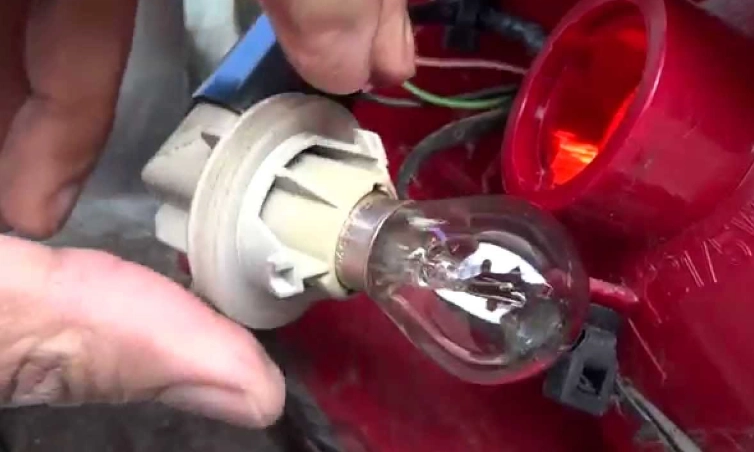
Why Bother? The Three Core Reasons a Tail Light Bulb Replacement Matters
Before we get our hands dirty, let's talk about the why. It's not just a minor nuisance.
Safety is Non-Negotiable. This is the big one. Your tail lights and brake lights are critical for preventing rear-end collisions. The National Highway Traffic Safety Administration (NHTSA) considers all lighting equipment essential safety gear. A study they reference shows that proper vehicle lighting significantly reduces crash rates in low-visibility conditions. When your tail light is out, your car's footprint on the road shrinks, especially at night or in bad weather. You become a ghost, fading in and out of the vision of the driver behind you.
The Law is Clear (and Expensive). In every state in the U.S. and in most countries, driving with non-functional tail lights, brake lights, or turn signals is illegal. It's a primary offense, meaning an officer can pull you over for that alone. The fix-it ticket might be a small fine, but if you cause an accident because another driver didn't see you braking, the liability—and potential lawsuits—skyrockets. Completing a prompt tail light bulb replacement keeps you on the right side of the law.
Cost Savings Are Real. I mentioned the numbers earlier, but they bear repeating. A simple bulb swap at a shop has a huge markup on labor. You're paying a professional's hourly rate for a task that requires minimal skill. The part itself is cheap. Investing a few minutes to learn this skill pays for itself the first time you do it.
Navigating the Bulb Aisle: Types, Sockets, and the Right Choice
Walk into any auto parts store, and the bulb section can be overwhelming. Dozens of little boxes with cryptic codes like 1157, 7443, or 3157. Don't panic. It's simpler than it looks.
For decades, the standard was the incandescent/halogen bulb. It's a simple filament in a glass globe. They're cheap, widely available, but they have shorter lifespans and use more energy. They also get very hot. Most older cars and many base models still use these.
The modern upgrade is the LED bulb. These use light-emitting diodes, last exponentially longer (often the life of the car), are much more energy-efficient, and light up instantly. They also run cool. The catch? They cost more upfront, and for some vehicles, using an LED in a socket designed for halogen can cause hyper-flashing (a fast blink) in turn signals without a resistor. For tail lights that are just on/off or brake lights, this is less of an issue. Many newer cars come with LEDs from the factory.
There's also a third, less common type: neon tube or other sealed units, mostly on higher-end or specific model years. These aren't user-replaceable bulbs in the traditional sense; the whole assembly usually needs replacing if it fails.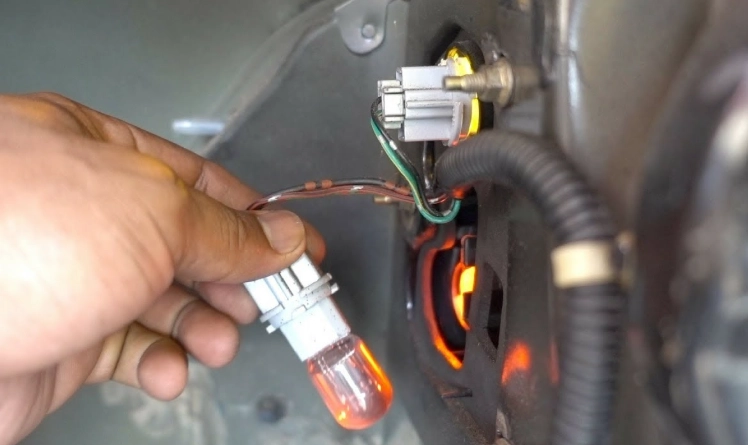
So how do you know which one you need? The absolute best way is to pull out your old bulb. The number is almost always stamped on the metal base or the glass. The second-best way is to use the vehicle lookup system at the store or on a site like Sylvania's product catalog. You enter your car's year, make, and model, and it tells you the exact bulb number for every socket. Your car's owner's manual will also have this information in the back, usually in a chart.
Let's break down the most common tail light bulb types in a clearer way:
| Bulb Type | Common Socket Numbers | Pros | Cons | Best For... |
|---|---|---|---|---|
| Halogen (Incandescent) | 1157, 1156, 7443, 3157 | Very inexpensive, direct replacement, no compatibility issues. | Shorter lifespan (1-2 years), uses more power, gets very hot. | Older vehicles, budget replacement, ensuring perfect fit. |
| Standard LED | 1157, 1156, 7443 (LED versions) | Long lifespan (10+ years), energy efficient, bright, instant on. | Higher initial cost, may cause hyper-flash in turn signals without resistors. | Modern upgrades, drivers who want "set it and forget it" reliability. |
| CANBUS LED | Vehicle-specific kits | All LED benefits, designed to work with car's computer to avoid error codes. | Most expensive option. | European cars (VW, BMW, Audi, Mercedes) or any modern car with sensitive electronics. |
I made the mistake once of buying the cheapest LED bulbs online for my old sedan. They were blindingly bright, but they caused my turn signal to blink like a strobe light. I had to go back and get load resistors to wire in. It was a hassle. Lesson learned: spend a few extra dollars on a reputable brand from an auto parts store where you can easily return them if there's an issue.
The Hands-On Part: Your Step-by-Step Tail Light Bulb Replacement Guide
Alright, you've got your new bulb. Let's get to work. The process is remarkably similar for about 90% of cars, trucks, and SUVs on the road. The access panel is either inside the trunk (or hatch area) or directly on the outside of the light assembly itself.
Step 1: Gaining Access to the Bulb Socket
Open your trunk or hatch. Look at the interior panel directly behind the tail light that's out. You'll usually see a rectangular or oval plastic cover, sometimes held by Phillips-head screws, sometimes by little plastic twist-knobs. In my Honda, it's just a small panel with two screws. In my friend's SUV, the whole carpeted side panel had to be pulled back with clips.
If you don't see an interior panel, the access might be external. Some older trucks and cars have the bulb socket accessible from behind the light assembly itself, under the open trunk lid. Rarely, you might have to remove the entire tail light lens from the outside of the car, which usually involves removing a few bolts or nuts from inside the trunk area.
Pro Tip: If you're struggling to find the access, a quick YouTube search for "[Your Car Year Make Model] tail light bulb replacement" will almost certainly yield a 2-minute video showing the exact location. It's a fantastic resource I use all the time for unfamiliar cars.
Step 2: Removing the Old Bulb
Once you have access, you'll see the back of the tail light assembly with several bulb sockets plugged into it. They might be different sizes. Identify the one for the tail/brake light (it's often the largest). How do you know which one is dead? Turn on your headlights (or have a helper press the brake) and see which one isn't lit. Just be careful not to touch the hot bulbs if they're halogen.
To remove the socket, there's usually a plastic locking mechanism. It might be a simple quarter-turn counter-clockwise, a squeeze-and-pull clip, or a small lever you press. Don't force it. Wiggle it gently while applying light pressure. It should come out with a firm but controlled pull.
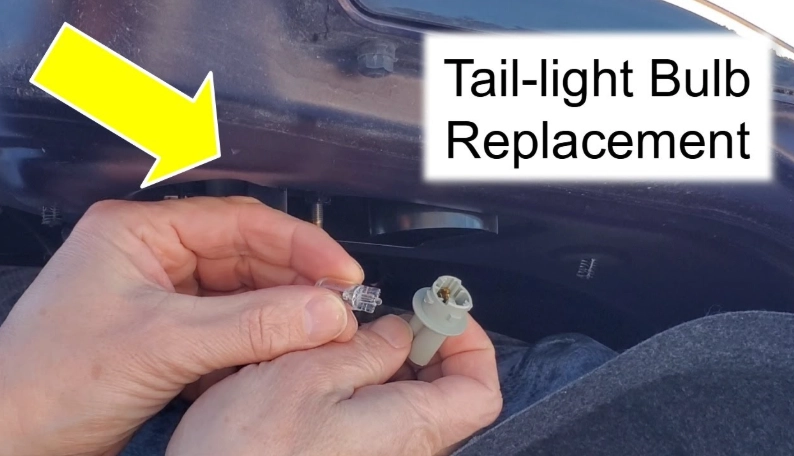
Now, the bulb is in the socket. Grasp the bulb itself (not the glass if it's hot!) and pull it straight out. Some bulbs have a slight push-and-twist release (like a bayonet mount). If it won't budge, check for a small wire clip holding it in place that needs to be depressed.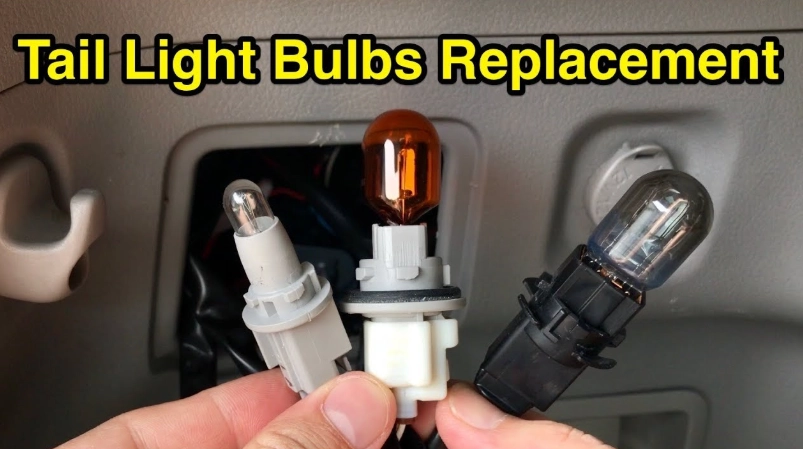
Step 3: The Critical Swap and Handling
This is the most important part of the whole tail light bulb replacement. Do not touch the glass of the new halogen bulb with your bare fingers. The oils from your skin create hot spots on the glass when the bulb heats up, which can drastically shorten its lifespan or cause it to shatter. If you accidentally touch it, wipe it clean with a lint-free cloth and some rubbing alcohol.
Take your new bulb and align it exactly as the old one came out. Match the pins or tabs on the base with the slots in the socket. It should slide in smoothly and seat firmly. If it doesn't, don't force it. You probably have it oriented wrong. Rotate it 180 degrees and try again.
Step 4: Reassembly and the Moment of Truth
Push the socket firmly back into the tail light assembly and secure the locking mechanism (turn clockwise, or snap the clip). Make sure it's seated all the way and won't vibrate loose.
Before you put the interior panel back, it's testing time. Turn your headlights on. Walk to the back of the car. See that glorious red glow? Good. Now, have your helper press the brake pedal (or use a heavy object to hold the pedal down if you're alone). Check that the brake light is brighter. Test the turn signal too, if it's the same bulb. Everything working? Fantastic.
If it's not working, don't panic. The most common issues are: the bulb isn't seated all the way (re-seat it), the wrong bulb type (double-check the number), or a blown fuse (check your owner's manual for the fuse box location).
Once confirmed, reinstall the interior access panel, screw everything back in, and you're done.
Beyond the Basics: FAQs and Tricky Situations
Wrapping Up: The Satisfaction of a Job Done Right
Completing a tail light bulb replacement is a small victory. It's a tangible result for a small amount of time and effort. You've made your car safer, kept yourself legal, and saved a decent chunk of change. More importantly, you've proven to yourself that you can handle a basic maintenance task. That confidence spills over.
The next time a dashboard light comes on for a simple issue, or a cabin air filter needs changing, you'll be less likely to immediately call the shop. You'll think, "I fixed my tail light, I can probably figure this out too." That empowerment is the real value, far beyond the $50 you saved on labor.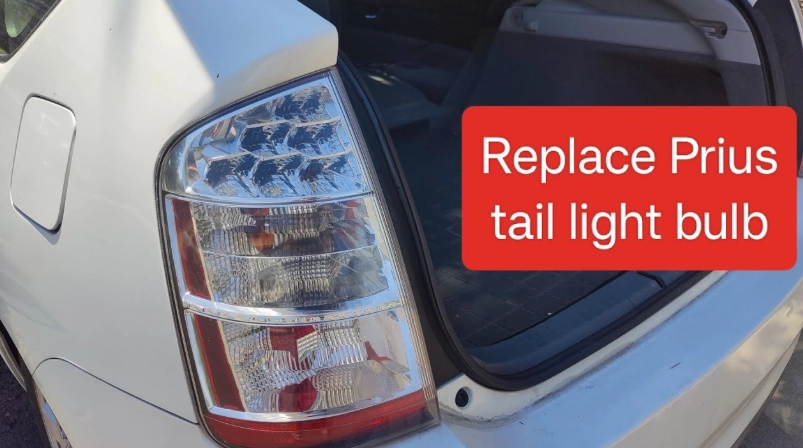
So, go check your tail lights tonight. Turn on your headlights, walk around the car, and press the brakes while looking in a reflection or asking a family member. If you see a dark spot, now you know exactly what to do. Grab the right bulb, a screwdriver, and give yourself 20 minutes. You've got this.