Let's be honest. Car maintenance feels like a black box. You get a reminder, you take it in, you pay a bill that always seems higher than expected. It's easy to feel like you're just following orders from a manual or a mechanic. But what if you knew exactly what needed attention, when, and why? What if you could spot a good deal from an unnecessary upsell? That's what this guide is for. It's not about turning you into a master technician. It's about giving you the knowledge to make informed decisions, save money where it makes sense, and avoid the costly mistakes that come from neglect or ignorance.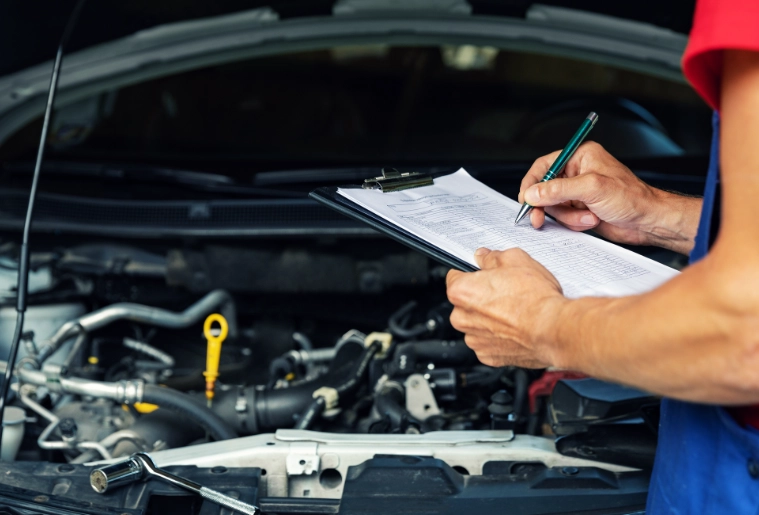
What's Inside This Guide
- Why Skipping Maintenance is a Terrible (and Expensive) Idea
- Your Car's Non-Negotiable Maintenance Checklist
- What You Can Do Yourself vs. When to Call a Pro
- How to Find a Trustworthy Mechanic (It's Harder Than You Think)
- Understanding Costs and Budgeting Without Shock
- Your Burning Car Service Questions, Answered
Why Skipping Maintenance is a Terrible (and Expensive) Idea
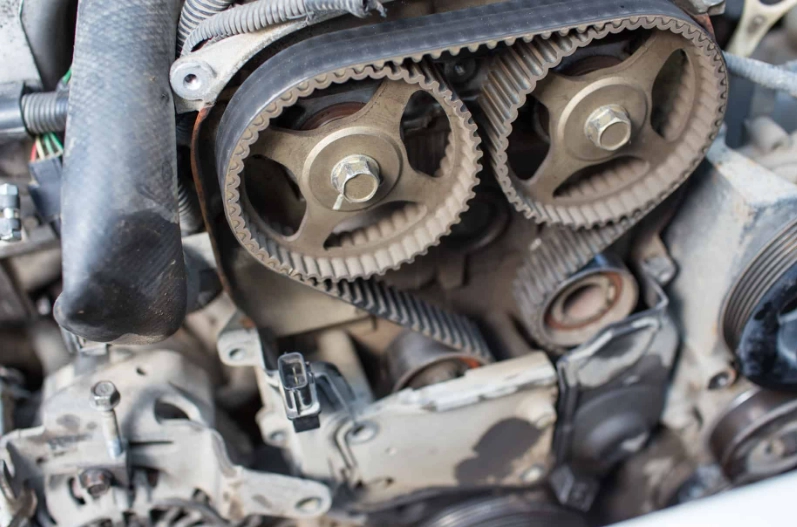
Think of maintenance not as an expense, but as an investment in predictability. A well-maintained car doesn't just run better; it protects you from sudden, wallet-draining failures. I learned this the hard way years ago. I put off changing my timing belt because the car "felt fine." Then, it snapped. The repair bill was over $2,000 because the pistons smashed into the valves. A $400 preventative service would have saved it all.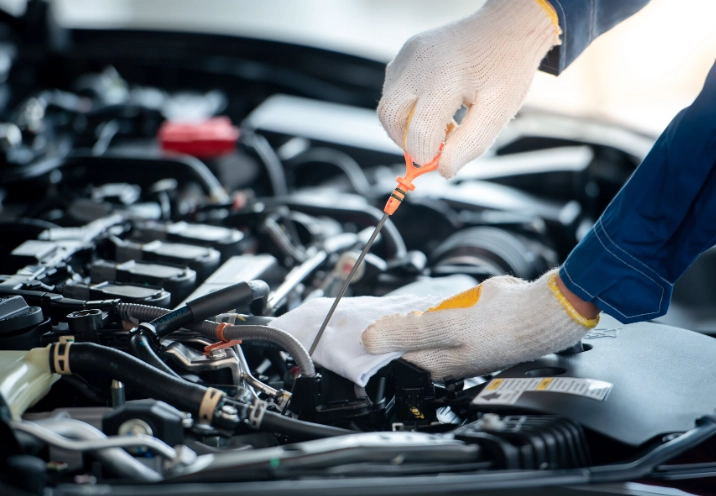
The U.S. Department of Transportation cites poor vehicle maintenance as a contributing factor in thousands of breakdowns and accidents annually. It's not just about money; it's about safety. Worn brakes, bald tires, failing suspension parts – these aren't just inconveniences.
Your Car's Non-Negotiable Maintenance Checklist
Forget memorizing intervals. Your car's owner's manual is the ultimate authority—read it. But most manuals are dense. Here's the translation into real-world tasks, categorized by what they affect.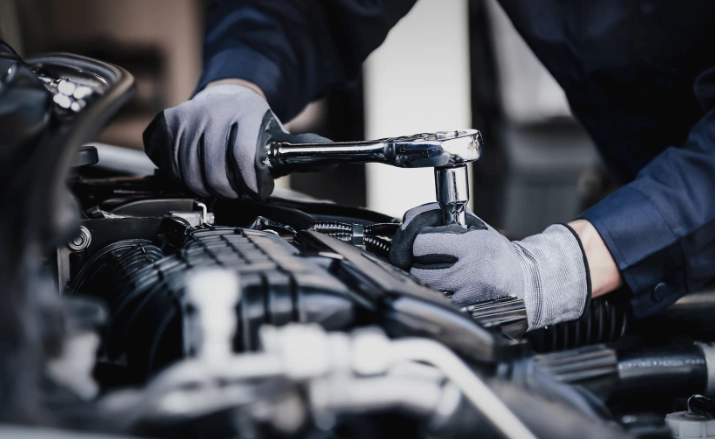
Fluids: The Lifeblood of Your Car
These degrade or get dirty over time and use.
- Engine Oil & Filter: This is priority one. It lubricates, cleans, and cools. Conventional oil every 3,000-5,000 miles, full synthetic every 7,500-10,000 miles is a common rule, but check your manual. The cost? Usually $40-$80 for conventional, $70-$120 for full synthetic at a quick-lube place.
- Cabin Air Filter: The air you breathe. Often overlooked. A clogged one reduces AC/heat efficiency and can smell. Change it every 15,000-25,000 miles. This is a classic DIY job in most cars (5 minutes, $15 part).
- Engine Air Filter: Your engine's lung. A dirty one hurts fuel economy and performance. Check it with every oil change, replace as needed (usually every 15,000-30,000 miles). Another easy DIY.
- Coolant/Antifreeze: Prevents freezing and overheating. It loses its protective properties. Most modern cars need a "flush and fill" every 5 years or 60,000 miles. Don't just top it off—get it serviced.
- Brake Fluid: It absorbs moisture from the air, which lowers its boiling point and can cause internal corrosion. Flush it every 2-3 years. Critical for safety.
- Transmission Fluid: Heated debate here. Many modern cars claim "lifetime" fluid, but most independent mechanics recommend a drain and fill (not a flush) every 60,000-100,000 miles for longevity. Ignoring it can lead to a $3,000+ transmission rebuild.
Wear Items: The Parts That Deteriorate
These have a visual or measurable end-of-life.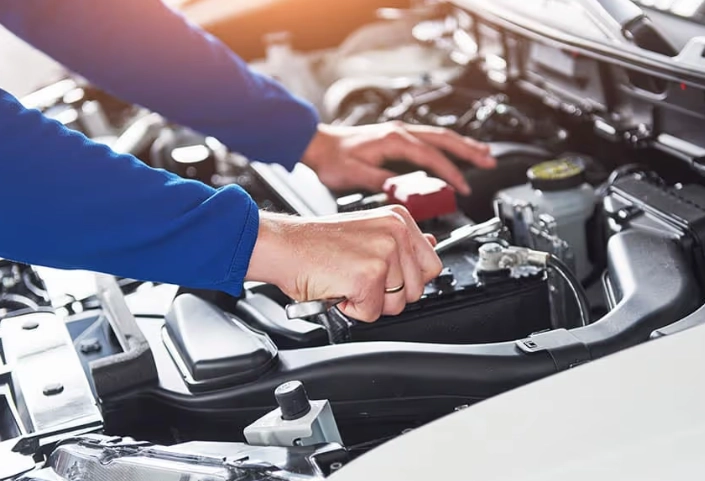
| Item | What to Check | Typical Replacement Interval | Approx. Cost (Parts & Labor) |
|---|---|---|---|
| Brake Pads & Rotors | Thickness, squealing, grinding noise. | Pads: 30,000-70,000 mi. Rotors: Often every 2nd pad change. | $250-$500 per axle |
| Tires | Tread depth (use the penny test), uneven wear, age (over 6 years old). | When tread is below 2/32", or due to damage/age. | $400-$1000+ for a set |
| Spark Plugs | Misfires, rough idle, poor fuel economy. | Copper: 30k mi. Iridium/Platinum: 60k-100k+ mi. | $150-$300 |
| Serpentine Belt | Cracks, glazing, fraying. If it snaps, you lose power steering, alternator, etc. | Every 60,000-100,000 miles. | $100-$250 |
| Wiper Blades | Streaking, skipping, rubber deterioration. | Every 6-12 months. | $20-$60 per set (DIY) |
What You Can Do Yourself vs. When to Call a Pro
You don't need a garage full of tools to save hundreds a year.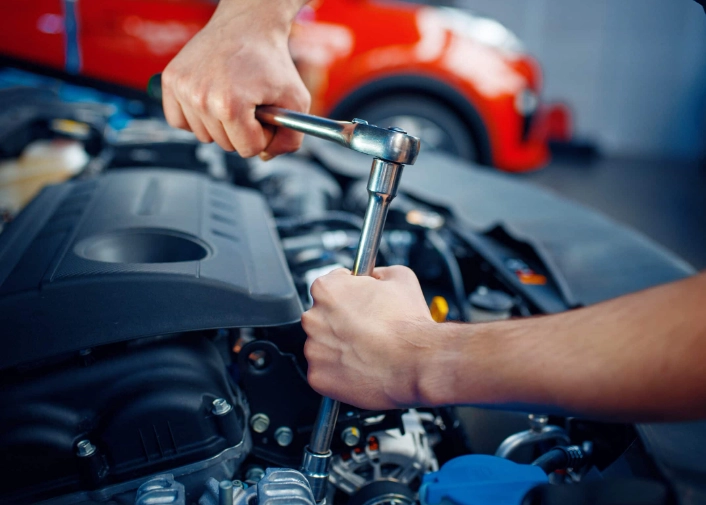
Confident DIY Tasks (Basic Tools):
- Changing engine air filter and cabin air filter.
- Replacing wiper blades.
- Checking and topping off fluids (windshield washer, coolant in the reservoir if needed).
- Inspecting tire pressure and tread depth monthly.
- Changing a tire.
- Replacing headlight/tail light bulbs (check your manual, some are frustrating).
Leave to a Professional:
- Anything involving internal engine or transmission work.
- Brake system repairs (safety-critical).
- Advanced electrical diagnostics.
- Suspension and steering component replacement (alignment is needed after).
- Airbag system or other safety-restraint systems.
How to Find a Trustworthy Mechanic (It's Harder Than You Think)
The biggest pain point isn't the cost, it's the trust. Here's a non-obvious strategy: avoid the "big box" stores for anything beyond an oil change or tires. Find a well-reviewed independent shop that specializes in your car's brand (e.g., a shop known for Hondas and Toyotas).
When you call or visit, ask these questions:
- "Can you show me the worn part when the work is done?" (A good shop will).
- "Do you provide photos/videos of the inspection?" (Many modern shops do).
- "What are your labor rates, and do you use OEM (Original Equipment Manufacturer) or quality aftermarket parts?"
Look for certifications like ASE (Automotive Service Excellence) Blue Seal. Check online reviews, but read the negative ones carefully—see if they're about communication or repeated failures.
My personal rule: if a mechanic immediately tries to upsell you a "fuel injection service" or "engine flush" during a routine oil change without showing clear evidence it's needed, be skeptical. These are often profit-padding services.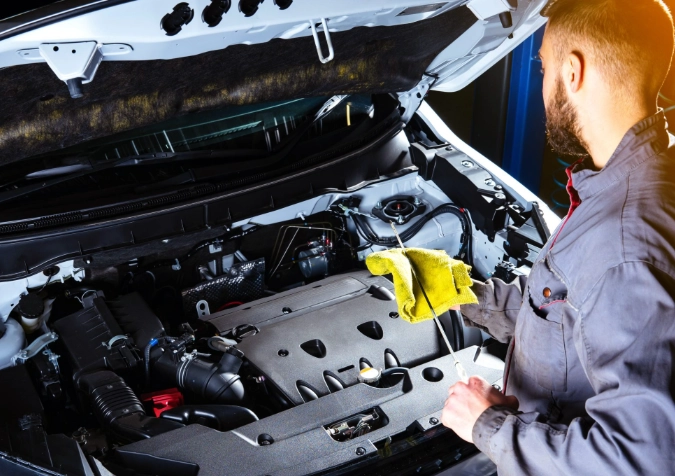
Understanding Costs and Budgeting Without Shock
Budget about $1,200 to $1,800 per year for maintaining a typical 5-year-old sedan. It won't cost that every year, but it averages out (a cheap year of oil changes, then a costly year with brakes and tires).
To save:
- Get multiple estimates. For a major repair, call 3 shops.
- Ask about part options. OEM parts are best but priciest. Quality aftermarket (like Bosch, ACDelco) can be just as good and cheaper. Avoid the absolute cheapest no-name parts.
- Consider a dedicated savings fund. Put $100-$150 a month into a "car maintenance" savings account. When the $600 brake job comes, it's not a crisis.
- Follow the "severe" maintenance schedule in your manual if you do lots of short trips, idling, or drive in extreme heat/cold/dust. It's more frequent, but it prevents more expensive problems.