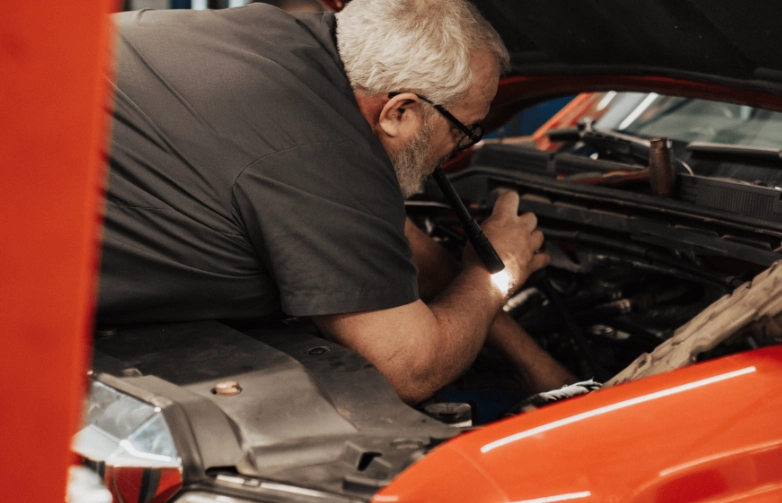
I remember the first time I sat in a refreshed Model S. It wasn't at a glitzy launch event, but at a local Supercharger. The owner, a guy named Mark, saw me staring and just waved me over. "Go on, have a look," he said. Ten minutes later, after poking at the new screen and gripping that now-infamous yoke, my perspective shifted. The internet chatter about the Tesla Model S and X refresh is loud, but it often misses the subtle, daily nuances that make or break the ownership experience. Having spent significant time with both cars and spoken to owners who've traded in their pre-refresh models, I'm here to cut through the spec sheets and talk about what these updates actually mean for you behind the wheel.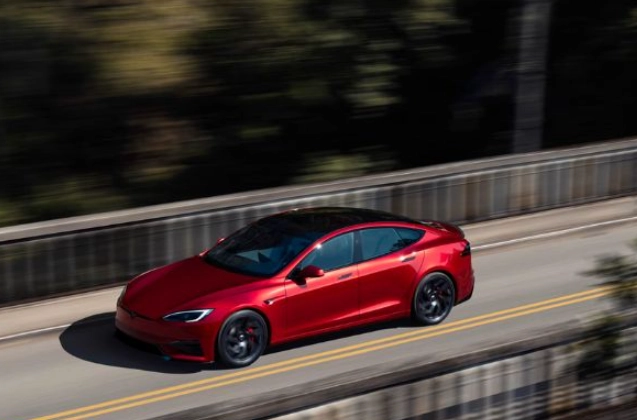
What's Inside This Deep Dive?
- The Subtle (and Not-So-Subtle) Exterior & Interior Changes
- The Yoke & Gear Selection: Love It or Hate It?
- Model S vs. Model X: Which Refreshed Tesla is Right For You?
- Plaid Performance: Is It Just a Party Trick?
- Real-World Range & Charging: Does the Heat Pump Make a Difference?
- Should You Buy One? Pricing, Configurations & Delivery Realities
The Subtle (and Not-So-Subtle) Exterior & Interior Changes
Let's start with what you see. Tesla didn't reinvent the wheel here. The silhouette is unmistakably Model S and X. But get closer.
The front end is cleaner. The old fake grille is completely gone, replaced by a smoother, more integrated nose. On the Model S, it's a sleek evolution. On the Model X, it makes the front look less bulky. Around the back, the changes are even more subtle—redesigned trim and diffuser. You'll only notice if you parked the old and new side-by-side.
Inside is where the revolution happens. The landscape-oriented 17-inch central screen is the star. It's responsive, bright, and makes the old vertical screen look dated. But here's a non-consensus point everyone misses: the secondary screen for the rear passengers in the Model S and X? It's fantastic for families, but its placement means adults in the middle rear seat will have their knees nudging it on longer trips. A small, real-world ergonomic quirk.
The materials feel a step up. The optional carbon fiber trim looks sharp, and the new, more minimalist dashboard design removes clutter. But sit in the back of a Model S. The legroom is still immense, but the seat base is a bit low for taller passengers. It's a trade-off for that sleek roofline.
The Yoke & Gear Selection: Love It or Hate It?
This is the biggest point of contention. That yoke steering wheel.
My first hour with it was frustrating. Making a three-point turn? Trying to find the top of the wheel that wasn't there. But after a week, something clicked. For highway driving, Autopilot engaged, it's fantastic. Your hands rest naturally at the bottom, and the unobstructed view of the instrument cluster is brilliant.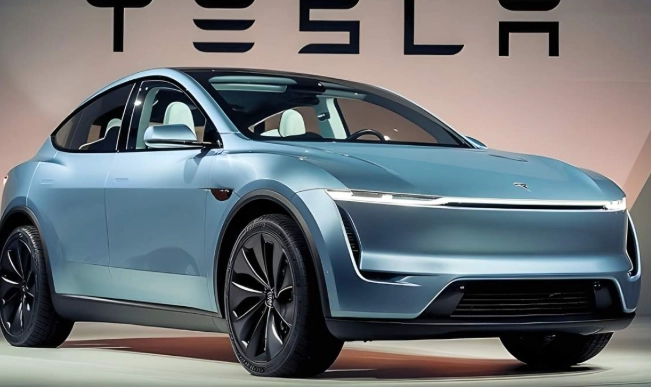
The real headache for most isn't the yoke itself—it's the lack of physical stalks. Gear selection is now done via the touchscreen or an automatic gear detection system. Turn signals are buttons on the yoke. It feels alien at first. I've seen experienced drivers still fumbling for the non-existent stalk after months of ownership during complex urban maneuvers.
Here's my take, after driving one through San Francisco's hills: it's a design over pure function choice. You can adapt. But if you regularly navigate tight, multi-lane roundabouts or parallel park on steep grades, the learning curve is real and sometimes annoying. Tesla now offers a round steering wheel as a no-cost option, which tells you everything. Most people I know who ordered early with the yoke are switching.
Model S vs. Model X: Which Refreshed Tesla is Right For You?
This choice has become sharper post-refresh. It's no longer just about doors.
| Consideration | Tesla Model S | Tesla Model X |
|---|---|---|
| Primary Use Case | The driver's EV, luxury sedan, long-distance cruiser. | Family hauler, maximum utility, statement vehicle. |
| Key Differentiator | Lower center of gravity, sportier handling, slightly more range. | Falcon Wing doors, cavernous cargo space (with 3rd row), higher seating position. |
| Biggest Compromise | Less practical for large families or big cargo runs. | More expensive, complex doors can be problematic in very low garages. |
| Atmosphere | Cockpit-like, focused, serene. | Airy, spacious, versatile. |
The Model X's Falcon Wing doors are still a love-it-or-hate-it feature. In a crowded parking lot, they're magic—easy kid access without dinging neighboring cars. But I've heard from owners in older underground parking structures with low ceilings who have to be hyper-vigilant. The sensors are good, but the anxiety is real.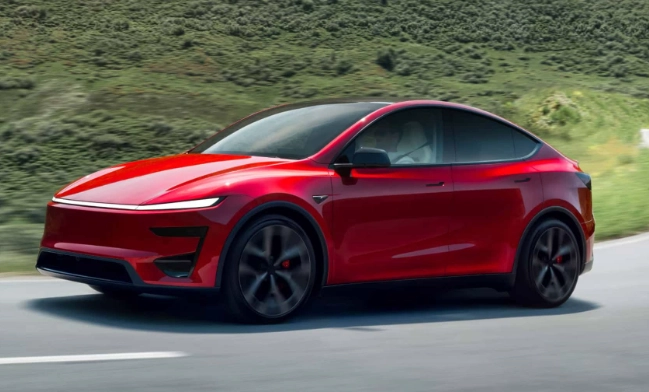
The Model S, in contrast, feels like a scalpel. It's quieter on the road, and the rear hatch still offers surprising cargo space. For a household with two kids or less, or anyone who prioritizes the driving experience over absolute space, the S is often the smarter, more affordable pick.
Plaid Performance: Is It Just a Party Trick?
1,020 horsepower. 0-60 mph in under 2 seconds. The Plaid badge isn't for show. But who needs that?
I took a Model S Plaid on a track day. Launch control is a visceral, almost frightening experience. Your vision literally narrows for a second. It's undeniable engineering prowess. But on public roads, that level of power is utterly unusable. You'll tap into maybe 30% of it.
The real genius of the Plaid powertrain isn't the headline 0-60 time—it's the relentless, seamless push from 50 mph to 120 mph. Overtaking is instantaneous. Highway on-ramps become playgrounds. The tri-motor setup provides astonishing grip and control.
However, here's the expert nuance: the standard Long Range dual-motor models are insanely fast by any normal standard (0-60 in ~3.1s for the S). For 99% of buyers, the Long Range is more than enough performance and saves you tens of thousands. The Plaid is for the enthusiast who wants the ultimate bragging right and track capability, courtesy of its advanced carbon-sleeved rotors and track mode. For daily driving, the difference is marginal; for your bank account, it's significant.
Real-World Range & Charging: Does the Heat Pump Make a Difference?
Tesla claims up to 405 miles (EPA) for the Model S Long Range and 348 miles for the Model X. In real-world mixed driving, expect about 85-90% of that, which is still class-leading.
The addition of a heat pump, a trick borrowed from the Model 3 and Y, is a silent hero. In colder climates, it significantly reduces the vampire drain and range loss associated with heating the cabin and battery. An owner in Colorado told me his refreshed Model S loses about 15-20% range in winter, compared to nearly 30-35% on his old 2017 model. That's a tangible, quality-of-life improvement.
Charging remains a Tesla strength. At a V3 Supercharger, you can add up to 200 miles in 15 minutes. The onboard charger still maxes out at 48 amps for AC charging at home (~44 km/h of range added), which is plenty for overnight replenishment.
A key observation: The new lithium-ion 12V battery (replacing the old lead-acid one) is a huge but under-reported win. The old 12V battery was a common point of failure, leaving owners stranded. This new one should last the life of the car, eliminating a major reliability headache.
Should You Buy One? Pricing, Configurations & Delivery Realities
As of now, the Tesla Model S starts around $88,490 for the Long Range, and the Plaid starts around $108,490. The Model X Long Range is about $98,490, with the Plaid around $108,490. These prices fluctuate, so always check Tesla's official configurator.
Delivery times have improved but can still be unpredictable. Configuring a popular color (like red or white) with standard wheels will get it to you faster.
Should you buy a refreshed model over a used pre-refresh? If the interior tech, the heat pump for cold climates, and the slightly improved range are critical, yes. The driving experience is more refined. But a low-mileage 2020 or 2021 Model S Performance can offer 90% of the thrill for a lot less money, albeit with the older interior. It's a value calculation.
The biggest competitor isn't another brand—it's Tesla's own Model 3 and Model Y. For $30,000-$40,000 less, you get a very similar software experience, fantastic performance, and access to the Supercharger network. You give up some luxury, space, and prestige. That's the hardest comparison most buyers face.
Your Questions, Answered
Is the yoke steering wheel in the refreshed Model S/X a deal-breaker for daily driving?
How does the automatic gear selection work, and what if it fails?
Can the refreshed Model S/X still use non-Tesla public chargers?
Are the rear screens and gaming computer worth it?
Has build quality improved on the refreshed models?