Quick Navigation
- What Does Coolant Even Do? (It's Not Just Water)
- The Great Debate: Is Coolant Flush Really Needed on a Schedule?
- When a Coolant Flush is NON-NEGOTIABLE (The "Really Needed" Scenarios)
- When You Can Probably Skip It (The "Upsell" Scenarios)
- DIY Coolant Flush vs. Professional Service: A Brutally Honest Comparison
- The Hidden Cost of NOT Flushing (What You're Really Preventing)
- Your Action Plan: How to Decide for YOUR Car
- Common Questions (The Stuff You Actually Search For)
- Final Verdict: Is Coolant Flush Really Needed?
Let's be honest. You're sitting in the service bay, and the mechanic comes over with that look. You know the one. He's just found something "concerning" during your oil change. "Your coolant looks a bit dirty," he says, tapping the reservoir. "We really recommend a coolant flush. It'll prevent overheating and protect your engine." Your brain immediately goes to your wallet. Is this a legitimate, crucial service, or is it the automotive equivalent of an upsell on the combo meal? Is a coolant flush really needed, or are they just seeing dollar signs?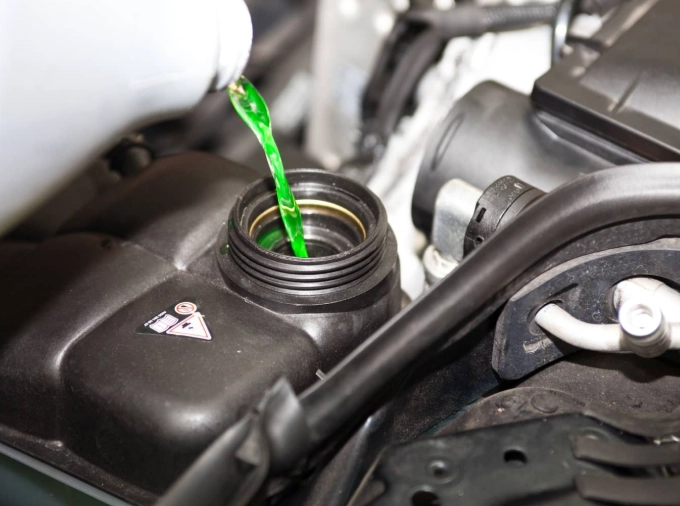
I've been there. I've nodded along, paid the bill, and driven away wondering if I just got taken for a ride. I've also, in my younger and more foolish days, ignored the recommendation entirely and paid a much larger price later. The truth about coolant flushes isn't a simple yes or no. It's a big, messy, "it depends" kind of answer. This guide is my attempt to save you from both the unnecessary upsell and the catastrophic engine repair. We're going to get our hands dirty (figuratively) and figure this out together.
Sometimes, absolutely yes. Other times, it's a waste of money. The trick is knowing the difference.
What Does Coolant Even Do? (It's Not Just Water)
Before we can decide if we need to flush it, we need to know what "it" is. Coolant, or antifreeze, is your engine's lifeblood when it comes to temperature control. Think of it as a multi-talented HVAC system for your car's heart.
- Cools the Engine: Obviously. It absorbs the insane heat generated by combustion (we're talking over 200°F) and carries it to the radiator, where it's dissipated into the air.
- Prevents Freezing: Hence "antifreeze." Plain water would expand and crack your engine block and radiator if it froze. Coolant lowers the freezing point dramatically.
- Prevents Boiling: It also raises the boiling point, so it doesn't just turn to steam under pressure, which would cause overheating.
- Fights Corrosion: This is the silent killer. Modern engines have aluminum heads, iron blocks, copper/brass radiators, and plastic components. Coolant contains additives that form a protective layer on all these different metals to stop them from literally eating each other away from the inside.
- Lubricates: It keeps the water pump seals and bearings happy. A worn-out water pump is a top cause of cooling system failure.
So, it's a sophisticated chemical cocktail, not just green or orange water. And those critical additives? They wear out over time.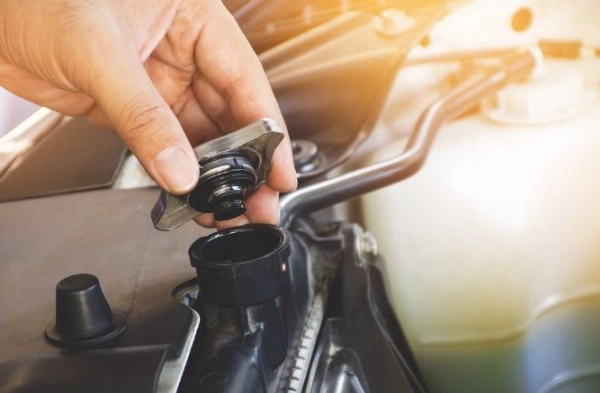
The Great Debate: Is Coolant Flush Really Needed on a Schedule?
Open your owner's manual. I'll wait. Seriously, go get it. Look for the maintenance schedule. What does it say about coolant?
You'll likely find one of two things:
- A Time/Mileage Interval: Something like "Replace engine coolant every 100,000 miles or 5 years, whichever comes first." This is common for modern "long-life" coolants (usually orange or pink).
- An "Inspect" Recommendation: Older manuals for traditional green coolant might just say "Inspect coolant condition and level at each service interval."
The car manufacturers aren't trying to sell you flushes. They're telling you what's needed to keep the warranty valid and the engine running for its designed lifespan. Following the manual is the single best, most unbiased answer to "is coolant flush really needed?" If the manual says replace at 100k miles, then yes, at 100k miles, it is really needed.
But here's where it gets fuzzy. Life happens. Maybe you have a 15-year-old car with no service history. Maybe you do a lot of short trips (hard on coolant). Maybe you live in Phoenix or Minnesota (extreme heat or cold). The manual's interval is a guideline for "normal" conditions.
My personal rule? I treat the manual interval as the maximum. If my car is at 5 years or 60,000 miles and I have no record of it being done, I start planning for it. The cost of a flush is nothing compared to a corroded heater core or a failed head gasket.
When a Coolant Flush is NON-NEGOTIABLE (The "Really Needed" Scenarios)
Forget the mileage for a second. If you see any of these signs, the question "is coolant flush really needed?" answers itself with a resounding YES.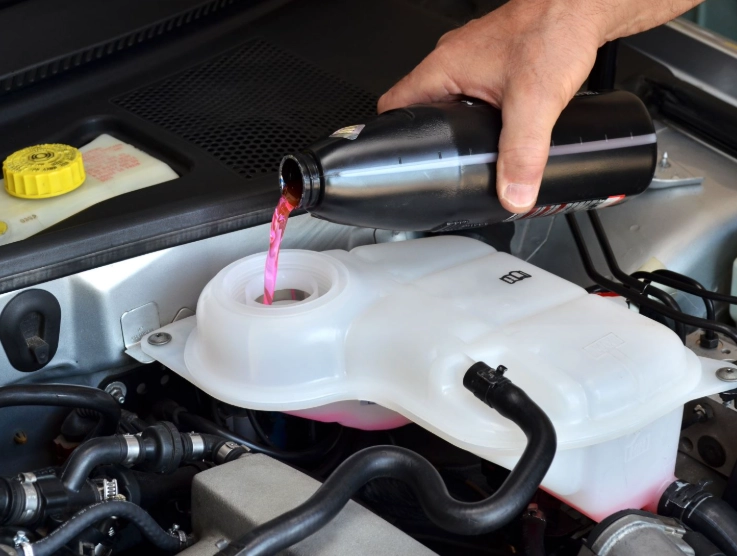
Visible Contamination or Discoloration
Pop the radiator cap (when the engine is COLD, please!). What do you see?
- Oil in the Coolant: A milky, chocolate-brown sludge. This is very bad. It usually means a leaking head gasket or a cracked engine component is letting oil into the cooling passages. A flush is needed after the major repair.
- Rust and Scale: The coolant looks like muddy brown water. This means the corrosion inhibitors are gone and the system is actively rusting. Flush immediately.
- Dex-Cool Sludge: A specific issue with some early formulations of orange Dex-Cool when it mixes with air or certain other coolants. It turns into a gelatinous goo that clogs everything. Requires a thorough flush and system cleaning.
I bought a used truck once where the coolant looked like strong iced tea. The previous owner had just been topping it off with water for years. The radiator was half-clogged with scale. A flush was the first thing I did, and it probably saved me from an overheating disaster that summer.
Overheating Issues
If your temperature gauge is creeping up, especially at idle or in traffic, old coolant could be part of the problem. It loses its ability to efficiently transfer heat. A flush with fresh coolant can sometimes restore normal temps, assuming there isn't a bigger issue like a bad thermostat or clogged radiator.
After a Major Component Replacement
If you replace the water pump, radiator, or heater core, you should flush the system. You don't want old, contaminated coolant circulating through your shiny new, expensive part. It's cheap insurance.
Mixing Coolant Types
This is a big one. You cannot mix the old green IAT (Inorganic Additive Technology) coolant with the newer OAT (Organic Acid Technology, often orange/pink) or HOAT (Hybrid OAT, often yellow/turquoise) coolants. They use different corrosion inhibitors that can react, gel up, and become ineffective.
If you don't know what's in there, or if someone topped it off with the wrong stuff, a complete flush to start fresh is really needed.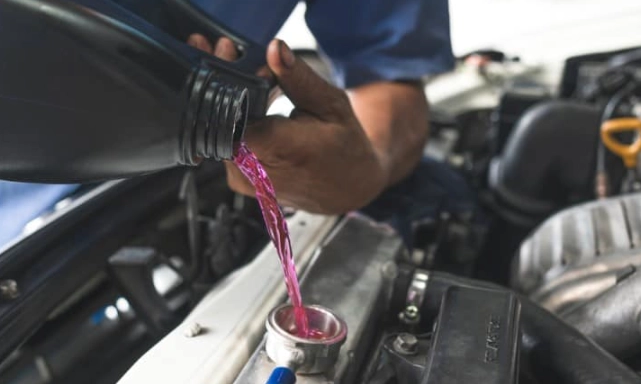
When You Can Probably Skip It (The "Upsell" Scenarios)
Not every recommendation is valid. Be skeptical if:
- The Car is Very New: A shop recommending a flush on a 2-year-old car with 30,000 miles is almost certainly upselling, unless there's visible contamination.
- The Coolant Looks and Tests Fine: Coolant test strips are cheap and tell you the freeze protection level and the acidity (pH). If the freeze point is good and the pH is in the safe range, the additives are likely still working.
- It's Being Sold as a "Fuel Saving" or "Performance" Service: Fresh coolant helps the engine run at the optimal temperature, but the effect on fuel economy is minimal. Don't buy it for that reason.
- They Can't Give You a Clear Reason: "It's dirty" isn't good enough. Ask to see it. Ask what their test strip says. A good shop will be happy to show you.
DIY Coolant Flush vs. Professional Service: A Brutally Honest Comparison
So you've decided a flush is needed. Should you do it yourself? Let's break it down, no sugar-coating.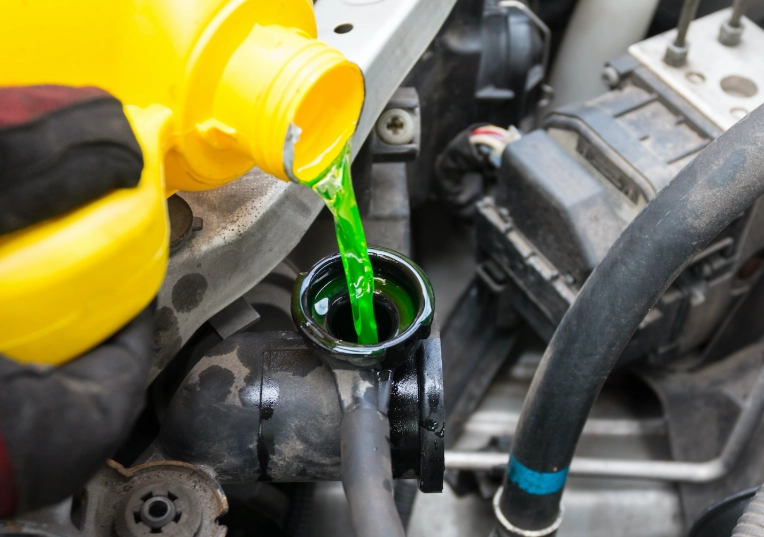
| Aspect | DIY Coolant Flush | Professional Service |
|---|---|---|
| Cost | ~$30-$80 (Coolant, distilled water, funnel, maybe a flush kit). | ~$100-$250+ (Parts and labor at a shop). |
| Time & Effort | 2-4 hours of your Saturday. Messy. Requires crawling under the car, dealing with drain plugs, potential for spills. | 1-2 hours. You drop it off and pick it up. Zero physical effort. |
| Tools & Knowledge | Basic wrenches, jack/stands, a place to dispose of old coolant (VERY important). You need to know your car's bleed procedure to remove air pockets. | They have all the tools, lifts, and vacuum fill equipment that virtually guarantees no air locks. |
| Thoroughness | Good, if you take your time and flush with distilled water until it runs clear. May not get all old coolant from the heater core and block. | Often better. Many shops use a machine that forces cleaner through and exchanges old for new fluid, which can be more complete. |
| Risk Factor | High if you mess up. Air pockets cause overheating. Spilled coolant is toxic to pets. Improper disposal is an environmental hazard. | Low. The shop is liable if they make a mistake. They handle disposal. |
My take? If you're moderately handy, have the space, and are willing to research your car's specific bleeding process, DIY is satisfying and saves cash. But if the thought of dealing with drain pans and bleeding procedures gives you anxiety, just pay the pro. The cost is reasonable for the peace of mind, especially on cars known for tricky cooling systems (looking at you, many German models).
The Hidden Cost of NOT Flushing (What You're Really Preventing)
Let's talk about what happens when you ignore a needed coolant flush for too long. It's not just about overheating on the highway.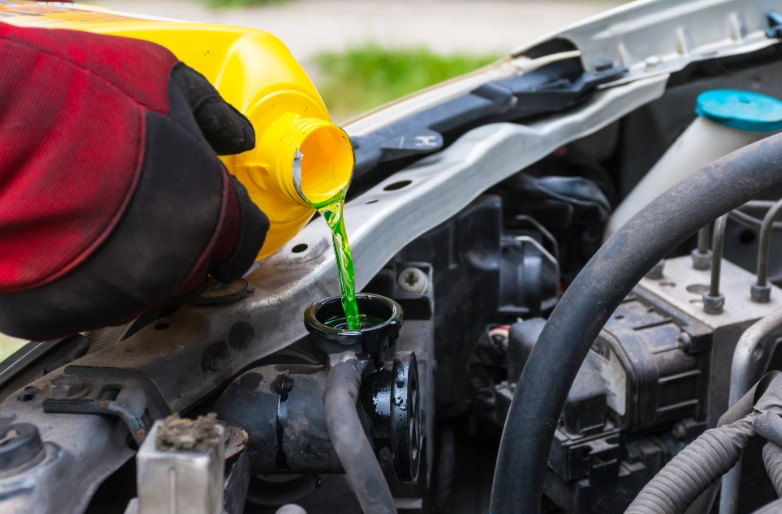
The corrosion eats away at things from the inside:
- The Heater Core: A small, secondary radiator under your dashboard. When it clogs or springs a leak, you lose cabin heat and get a smelly, foggy windshield. Replacement often requires disassembling half the dashboard—a labor nightmare costing $800-$1500+.
- The Radiator: Tubes clog, reducing cooling efficiency. It can start leaking at the plastic side tanks. A new radiator: $300-$600+ with labor.
- The Water Pump: Corrosion and abrasive particles wear out the impeller and seals. Failure leads to rapid overheating. Replacement: $300-$700.
- Engine Internals: Scale buildup can block the delicate coolant passages in the engine block and cylinder head. This leads to localized hot spots, which can warp the head or cause head gasket failure. Repair: $1500-$3000+.
A $150 coolant flush every 5 years seems like a pretty good insurance policy against $2000 worth of repairs, doesn't it? That's the calculus you have to make. This is why understanding if a coolant flush is really needed is about long-term ownership, not just today's temperature gauge.
Your Action Plan: How to Decide for YOUR Car
Okay, let's make this practical. Here's your step-by-step checklist.
- Check the Manual: What's the factory interval? If you're past it, lean heavily towards doing it.
- Visual Inspection: Check the coolant in the overflow reservoir and the radiator (cold engine!). Is it bright and clear, or murky and discolored? Any floating debris?
- Test It: Buy coolant test strips from an auto parts store. Test for freeze point and pH. If the pH is out of range (usually too acidic), the anti-corrosion properties are shot. Time for a flush.
- Consider History: Do you have any record of it being done? If not, and the car is over 5 years old, just plan to do it.
- Listen to Your Car: Any minor overheating? Is the heater not as hot as it used to be? (A clogging heater core is an early sign).
If you get two or more "yes" answers from that list, then yes, a coolant flush is really needed for your vehicle.
Common Questions (The Stuff You Actually Search For)
How much does a coolant flush cost?
At a quick-lube place, $70-$120. At a dealership or independent mechanic, $100-$250. The price depends on the car (some require more labor/time), the type of coolant, and whether they use a simple drain-and-fill or a powered exchange machine. Always get an estimate first.
Can I just drain and refill instead of flushing?
You can, but it's less effective. Draining only removes about 40-60% of the old coolant. The rest stays in the engine block, heater core, and hoses. A true flush with water or a cleaning solution pushes most of that old stuff out. A drain-and-refill is better than nothing, but a flush is the proper job.
What's the difference between a coolant flush and a coolant change?
People use the terms interchangeably, but purists say a "change" is a simple drain and refill. A "flush" involves actively pushing fluid through to clean and displace the old stuff. When you call a shop, ask them to describe their process so you know what you're paying for.
Is it okay to use a universal coolant?
This is controversial. The manufacturers of universal coolants (like the yellow ones) say they are compatible with all colors. Many mechanics use them without issue. However, purists and your car's manufacturer will always tell you to use the exact coolant specified in the manual. My compromise: For an older, out-of-warranty car, a high-quality universal coolant from a major brand is probably fine after a thorough flush. For a newer car under warranty, stick to the OEM stuff to avoid any potential warranty disputes. The AAA provides general guidelines on cooling system care, emphasizing the importance of using the correct fluids.
How do I dispose of old coolant?
DO NOT pour it down the drain, on the ground, or into the sewer. It is toxic and sweet-tasting (a danger to animals). Most auto parts stores will take it for free. Many municipal waste disposal facilities have hazardous waste collection days. This is a non-negotiable part of the DIY job. The U.S. Environmental Protection Agency (EPA) classifies used antifreeze as a waste that needs proper management to protect the environment.
Final Verdict: Is Coolant Flush Really Needed?
Look, I'm not here to sell you a service. I'm just a guy who's made mistakes and learned from them.
Based on everything we've dug into, the core answer is this: A coolant flush is a preventative maintenance service, not an emergency repair. You don't do it because the car feels broken. You do it so the car doesn't break in a spectacularly expensive way down the road.
Is it always needed on a strict schedule? Maybe not. But waiting until you see symptoms often means you've already started down the path of internal corrosion. By then, a flush might help, but it might also just be a temporary band-aid on a system that's already damaged.
My final, personal advice? Don't wait for the mechanic's upsell pitch. Be proactive. Check your coolant once a year. Use a test strip when your car hits the 5-year mark. If it's due by time or mileage, or if it fails the visual/test, just get it done. Budget for it like you budget for oil changes and tires.
Think of it this way. You change your oil to protect the inside of your engine. You change your coolant to protect the outside of your engine (and all the plumbing attached to it). Both are critical. The question "is coolant flush really needed?" is finally answered by understanding that it's a key part of owning a car for the long haul, not just a way to get you to open your wallet today. For a deeper dive on the technical aspects and intervals, reputable automotive resources like Car and Driver often provide detailed insights that align with manufacturer guidance.
Now you know. The decision, and the health of your engine, is in your hands.