Quick Navigation
- Why Bother? The Silent Engine Killer You're Ignoring
- Cracking Open the Box: What's Actually in a Coolant Flush Kit?
- The Step-by-Step: Flushing Your System Without Losing Your Mind
- Picking Your Weapon: A Look at Popular Coolant Flush Kits
- The Murky Questions: Stuff the Instructions Don't Tell You
- Safety and Disposal: Don't Be That Neighbor
- When a Kit Isn't Enough: Signs You Need More Help
- Wrapping It Up: Is a Coolant Flush Kit Right for You?
Let's be honest. Popping the hood and staring at the coolant reservoir isn't most people's idea of a fun Saturday. That milky, sludgy gunk? Yeah, that's trouble brewing. And somewhere between ignoring it and paying a mechanic $200+, you've probably typed "coolant flush kit" into Google. You're in the right place. I've been there, done that, and spilled more than my share of antifreeze on the driveway.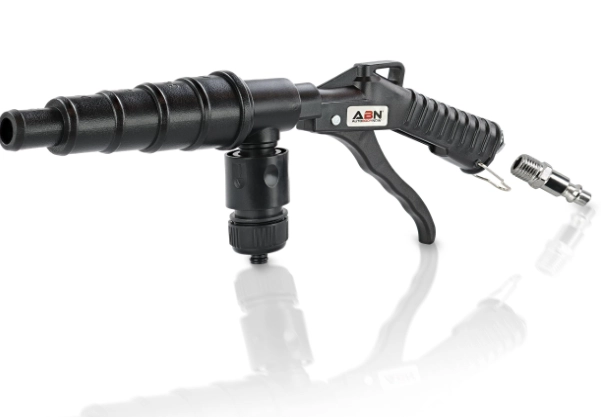
This isn't a fancy, corporate-approved manual. It's the straight talk you need to decide if a DIY flush is for you, how to actually do it without creating a neon-green environmental disaster, and which kit might actually be worth your cash. We'll cut through the marketing jargon and get our hands dirty.
Why Bother? The Silent Engine Killer You're Ignoring
Coolant (or antifreeze) isn't just there to stop things from freezing. It's a sophisticated cocktail that lubricates your water pump, prevents corrosion in your radiator and engine block, and raises the boiling point. Over time, it breaks down. Additives deplete. It becomes acidic. It starts eating away at your cooling system from the inside.
I learned this the hard way on an old truck. The heater stopped working, then the temperature gauge started dancing. By the time I looked, the coolant looked like a chocolate brownie smoothie. The repair bill for a corroded heater core and a clogged radiator was... unpleasant. A simple flush could have prevented it all.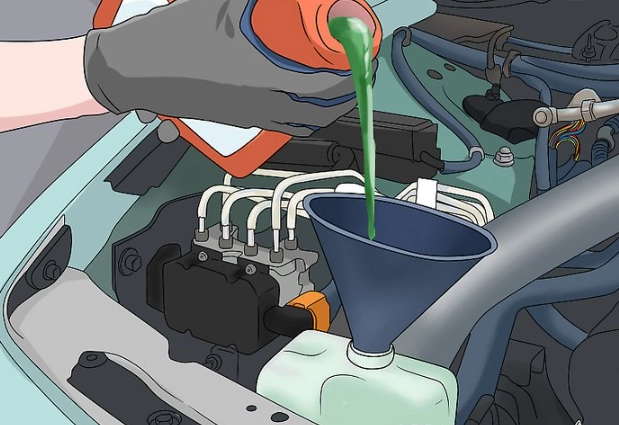
Cracking Open the Box: What's Actually in a Coolant Flush Kit?
So you buy a kit. What do you get? It's not magic in a bottle. Most kits are variations on a theme, and understanding the pieces is half the battle.
The heart of most kits is the coolant flush kit connector—a tee-fitting that you splice into a heater hose. This lets you attach a garden hose to flush the system with water. Then there's the cleaning solution. This is usually a mild acidic or alkaline formula designed to dissolve rust and scale. Some are more aggressive than others. Finally, you often get a sealing conditioner or stop-leak additive. This is the most controversial part, and we'll get to that.
Some premium kits throw in a funnel, gloves, or even a siphon pump. But the core is the tee-fitting and the cleaner.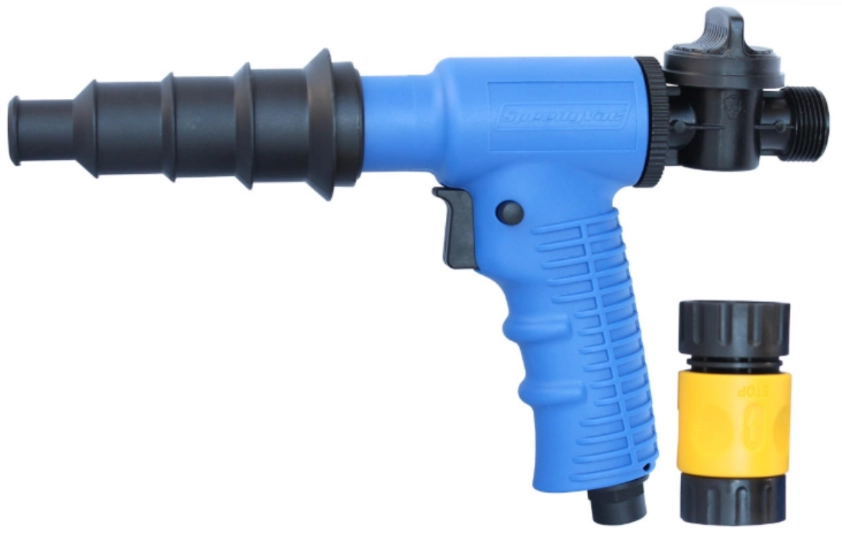
The Good, The Bad, and The Slimy: Types of Cleaning Solutions
Not all cleaners are created equal. Here's the rundown:
- Radiator Flush Chemicals: These are the standard. They're designed to be run through the system for a short time (like 10-30 minutes) with the engine idling to loosen gunk. They work okay for maintenance flushes on moderately dirty systems. Brands like Prestone and Gunk are common here.
- Acid-Based Flushes: More heavy-duty. These are for systems with serious scale or corrosion buildup. They require more careful handling and precise timing—leave them in too long and they can damage seals. You usually find these in professional-grade kits.
- Neutral pH/"Safe" Flushes: Marketed as safe for all metals and rubber. They're gentler, which also means they might not tackle severe neglect as well. Good for peace of mind if you're nervous.
My take? For a car that's had semi-regular maintenance, a standard flush chemical is fine. If you're resurrecting a barn find, you might need the heavy artillery.
The Step-by-Step: Flushing Your System Without Losing Your Mind
Alright, let's get to it. This assumes you have a basic coolant flush kit with a tee-fitting. Always, always check your vehicle's service manual first for specifics on drain locations and coolant capacity. Safety first: the system is pressurized and hot coolant can burn you badly. Work on a cold engine.
Step 1: Drain the Old Coolant
Place a large drain pan underneath. Open the radiator drain petcock (usually at the bottom) or loosen the lower radiator hose clamp. Don't forget to open the radiator cap first! Also, many cars have an engine block drain plug—a pain to get to, but it gets more old coolant out. Let it all drip out. This stuff is toxic to pets and wildlife, so contain it.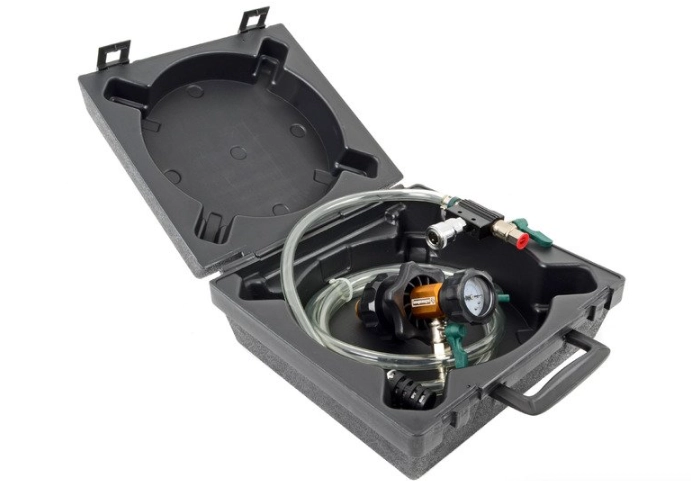
Step 2: Install the Flush Kit Tee
This is the key moment. Pick a heater hose (consult your manual to find the inlet/outlet). Cut it carefully, install the tee-fitting, and clamp it down tight. The last thing you want is a hose blowing off under pressure. Connect the garden hose adapter. I like to use a little plumber's tape on the threads to prevent leaks.
Step 3: The Flush & Fill Dance
Close the drain petcock. Fill the system with clean water through the radiator neck. Add the cleaning solution from the kit. Start the engine, turn the heater to full hot (this opens the heater core valve), and let it run for the time specified on the bottle—usually until the thermostat opens and the upper radiator hose gets hot.
Then, with the engine OFF and cool, hook up the garden hose to your new tee-fitting. Open the drain again and turn on the water. You're now pushing clean water through the system, forcing out the cleaner and dissolved garbage. Run it until the water from the drain runs completely clear. This can take 10-15 minutes. Be patient.
Step 4: Final Fill with Fresh Coolant
Once it's flushed clear, drain all the water out. Close everything up. Now, it's time for the new coolant. This is crucial: use the type specified in your manual (e.g., Dex-Cool, HOAT, OAT). Mix it 50/50 with distilled water unless you buy pre-mixed. Distilled water is cheap and prevents mineral deposits—don't use tap water.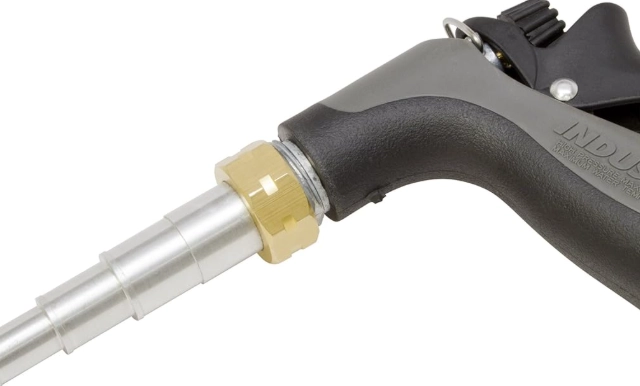
Fill slowly, burping the system by squeezing hoses or using a spill-free funnel to get air pockets out. Start the engine, let it come to temperature with the radiator cap off (to allow air to escape), and top off as needed. Check the level again after it cools.
It sounds like a lot, but once you do it, it's just a methodical process. The first time took me an afternoon. Now I can do it in under two hours.
Picking Your Weapon: A Look at Popular Coolant Flush Kits
Not all kits are equal. Some feel cheap, some are missing pieces, and some have cleaners that seem like colored water. Here's my no-nonsense take on a few common ones, based on experience and what I've seen in forums.
| Kit Brand/Name | What's Included | My Impression & Best For | Watch Out For |
|---|---|---|---|
| Prestone Super Flush Kit | Tee-fitting, cleaner, sealant, instructions. | The classic. Readily available everywhere. The tee is decent plastic. The cleaner works for general maintenance. It's the "default" choice for a reason. | The included stop-leak sealant. Many pros avoid adding sealants preventatively as they can clog small passages. I usually skip that bottle. |
| Gunk Super Heavy Duty Radiator Flush | Just the chemical cleaner (no tee). | If you already have a tee or a flush machine. This stuff is strong. It's good for heavily neglected systems with lots of rust. | It's potent. Follow the timing instructions to the letter. Not for aluminum radiators without checking compatibility. |
| Tyler Tool DIY Coolant Exchange Kit | High-quality brass tee, detailed guide, adapters. | This is for the DIYer who wants a permanent, reusable solution. The brass tee won't crack like cheap plastic. It's more of a tool purchase than a disposable kit. | Higher upfront cost. Doesn't include cleaner—you buy that separately. |
| Peak Fleet Charge Coolant System Kit | Cleaner, conditioner, dye tabs. | Interesting because it includes dye tabs to help spot leaks with a UV light. The conditioner is more of a lubricant/additive replenisher than a harsh sealant. | Again, no tee-fitting included. You need to source that separately. |
See the pattern? Many kits assume you'll buy the tee separately or reuse one. It's a bit of a shell game.
DIY vs. Pro Flush: The Eternal Debate
DIY with a Kit: You save significant money (cost is just the kit + coolant). You learn your car. You control the process. But it's messy, time-consuming, and disposal of old coolant is your responsibility (most auto parts stores take it for free, though).
Professional Machine Flush: A shop uses a powerful machine that forces new coolant in as it pulls the old out, often creating a more complete exchange. It's fast and clean for you. But it's expensive, and you have to trust they're using the correct coolant and not just water-downing the job.
I DIY for my own cars because I'm cheap and particular. For my wife's car when I'm short on time? Sometimes it's worth the $150 to let the pros handle it.
The Murky Questions: Stuff the Instructions Don't Tell You
Here's where we get into the real-world nitty-gritty. The questions that keep you up at night after you've already started.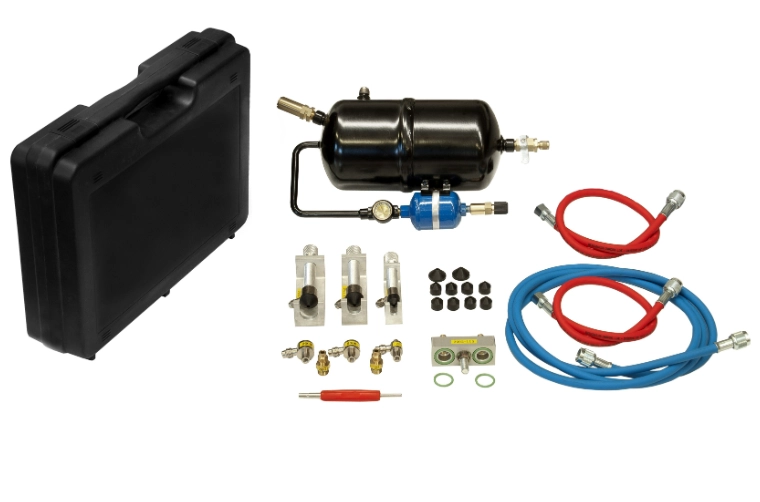
How often should I really flush?
The manual says every 30,000-60,000 miles or 2-5 years. That's a good start. But I go by condition. If the coolant in the overflow tank looks bright and clear, you're probably fine. If it's murky, discolored, or has floating bits, it's time. Severe climates (very hot or very cold) can shorten the interval.
Is the stop-leak in the kit good or bad?
This is the biggest controversy. Mechanics hate them. The theory is that they can clog narrow passages in the heater core or radiator tubes. Most kits include a small bottle of "sealant" or "conditioner." My personal rule: Only use it if you have a verified, very small leak and you're trying to get by temporarily. For a routine maintenance flush, just add the new coolant. Don't put in clog-potential goop for no reason. The SAE International has published studies on coolant additive interactions, and unnecessary sealants are generally not recommended.
My car has a "lifetime" coolant. Does it need flushing?
"Lifetime" often means the lifetime of the warranty, not the car. These long-life coolants (like Dex-Cool or some European OAT formulas) do last longer—sometimes up to 150,000 miles. But they still degrade. And if they're mixed with the wrong type, they can turn to sludge. Check your manual, but plan on a flush eventually, even for "lifetime" fills.
Flushed it, now the heater is cold!
Classic air lock in the heater core. That's why running the heater on full during the process is critical. If you get air trapped, you might need to jack up the front of the car, or use a vacuum refill tool, or just keep cycling the engine and squeezing hoses. It's frustrating but usually fixable.
Safety and Disposal: Don't Be That Neighbor
Coolant (ethylene glycol) is sweet-smelling and highly toxic to animals and children. A small puddle can kill a pet. Clean up every drop. Absorb spills with cat litter.
Disposal is non-negotiable. Never pour it down a drain, into the soil, or into the street. It contaminates groundwater. Store the old, drained coolant in sealed, labeled containers (like the jugs your new coolant came in). Nearly every AutoZone, Advance Auto Parts, or O'Reilly Auto Parts will take it for free recycling. Call ahead to confirm. The U.S. Environmental Protection Agency (EPA) classifies used antifreeze as a hazardous waste, so proper disposal is both ethical and often legally required.
Also, wear gloves and safety glasses. Coolant isn't super corrosive, but you don't want it on your skin, and you really don't want it in your eyes.
When a Kit Isn't Enough: Signs You Need More Help
A coolant flush kit is a maintenance tool, not a repair tool. If your system has these issues, flushing might be a waste of money until you fix the root cause:
- Oil in the coolant: That milky, chocolate-brown sludge. This usually indicates a failing head gasket or a cracked engine block/head. A flush won't fix this.
- Constant overheating: If it overheats even with fresh coolant, you likely have a stuck thermostat, a failed water pump, a clogged radiator, or a blown head gasket.
- Major, visible leaks: If you're losing a quart a week, find and fix the leak (hose, radiator, water pump seal) first. A flush is for cleaning, not sealing gushing holes.
In these cases, the kit is the last step after the repair, not the first step.
Wrapping It Up: Is a Coolant Flush Kit Right for You?
So, after all this, should you buy one?
If you're moderately handy, have a few hours on a weekend, don't mind a little mess, and want to save money while extending your engine's life—absolutely. A quality coolant flush kit is a great investment. Just manage your expectations. It's a thorough rinse, not a miracle cure for deep, pre-existing problems.
If the thought of cutting a hose makes you sweat, or you don't have a basic set of wrenches and a place to work, then paying a professional is a perfectly valid choice. Just ask them what type of coolant they'll use and if they do a machine flush or a simple drain-and-fill.
The goal is the same: get the old, nasty stuff out and the new, protective stuff in. However you get there, your engine will thank you with years of reliable, non-overheating service. And that's worth its weight in gold—or at least in expensive, brightly-colored automotive fluid.
Now go check your overflow tank. What color is it?