Quick Navigation
Let's be honest, you're here because you've felt it. That slight hesitation when you merge onto the highway in your Silverado. The way your Camaro feels a bit breathless past 4500 RPM. Or maybe you just watched a YouTube video of a Corvette screaming down the strip and thought, "My truck could use a bit more... oomph." I get it. I've been there, standing in my garage, staring at a stock engine bay and dreaming of horsepower numbers I saw on a forum.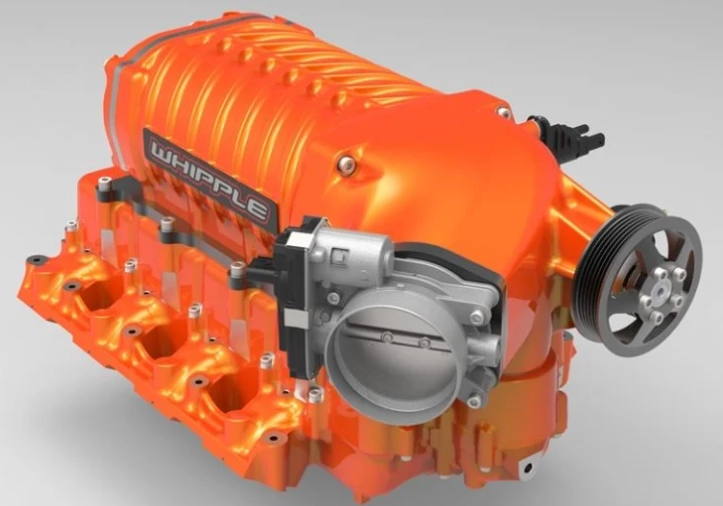
The world of Chevy performance upgrades is massive, confusing, and honestly, full of marketing hype. One company promises 50 horsepower from a "high-flow" air filter (spoiler: you'll be lucky to get 5), while another sells you a $3,000 supercharger kit that requires a dozen other supporting mods just to run safely. How do you know what's worth your hard-earned cash?
This guide isn't about selling you the most expensive parts. It's about giving you the straight talk on modifying your Chevy engine—whether it's a venerable Small Block 350, a modern 5.3L LM7, or the legendary 6.2L LT1. We'll walk through the upgrade paths, from simple weekend projects that anyone can tackle to full-blown builds that require a dedicated mechanic and a deep wallet. The goal? To help you make informed decisions so your Chevy performance upgrades actually deliver the thrill you're looking for, without blowing up your engine or your budget.
Mapping Your Upgrade Path: From Mild to Wild
Before you buy a single part, you need a plan. Jumping straight to a big camshaft without upgrading your fuel system is a recipe for a lean-running engine and potential disaster. Think of building performance like climbing a ladder. You need a solid foundation before you take the next step.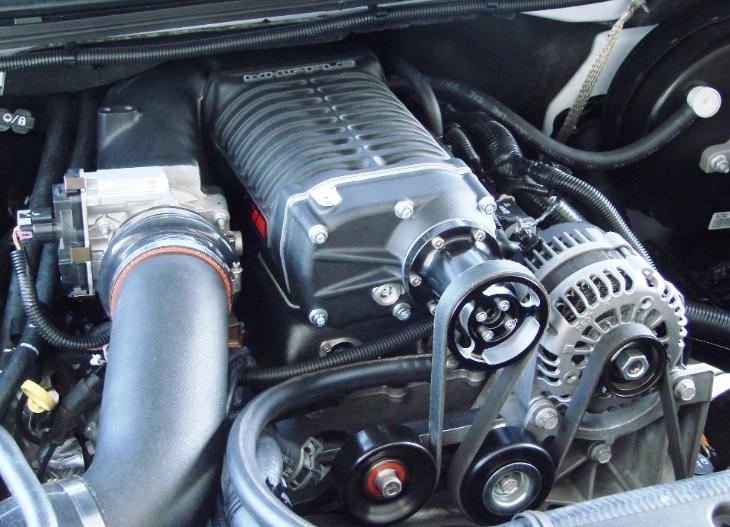
Key Question to Ask Yourself First: What do I actually want from my vehicle? More low-end torque for towing? High-RPM horsepower for the track? Better throttle response for daily driving? Or just a meaner exhaust note? Your goal dictates the entire parts list.
Here’s a breakdown of the typical tiers for Chevy performance upgrades. This isn't a rigid rule, but a logical flow of supporting modifications.
| Upgrade Tier | Typical Goal | Key Components | Realistic HP Gain | Skill Level Required |
|---|---|---|---|---|
| Mild (Bolt-Ons) | Improved driveability, sound, minor power bump | Cold Air Intake, Cat-Back Exhaust, Performance Tune | 15 - 40 HP | Beginner to Intermediate |
| Moderate (Breathing & Efficiency) | Significant power increase, stronger mid-range | Long-Tube Headers, Performance Camshaft, Upgraded Fuel Injectors, Dyno/Street Tune | 50 - 150 HP | Intermediate to Advanced |
| Wild (Forced Induction/Built Engine) | Maximum power, track/drag-focused | Supercharger or Turbocharger Kit, Forged Internals (pistons, rods), Upgraded Transmission, Race Fuel/ECU | 150 - 400+ HP | Expert |
See the progression? Each tier supports the next.
I made the mistake early on of buying a "stage 2" cam for my old 5.3L without doing anything else. The truck idled like it had a serious misfire, lost all its bottom-end power for towing, and the check engine light became a permanent fixture. Lesson learned the hard way. A proper plan would have paired that cam with better valve springs, a higher-stall torque converter, and a professional tune from the start.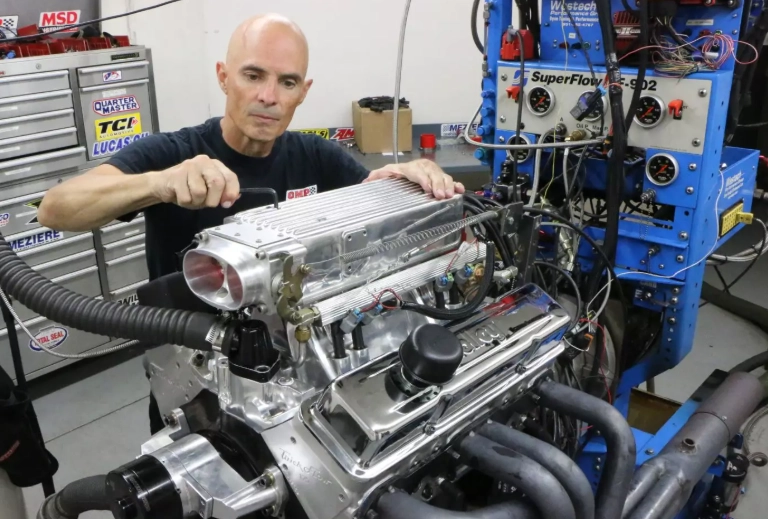
Deep Dive: The Best Chevy Performance Upgrades for Your Money
Let's get into the nitty-gritty of specific parts. This is where we separate the hype from the horsepower.
1. The Foundation: Air In, Exhaust Out
Your engine is a giant air pump. The easier it can breathe, the more power it can make. This is where most people start their Chevy performance upgrades journey, and for good reason.
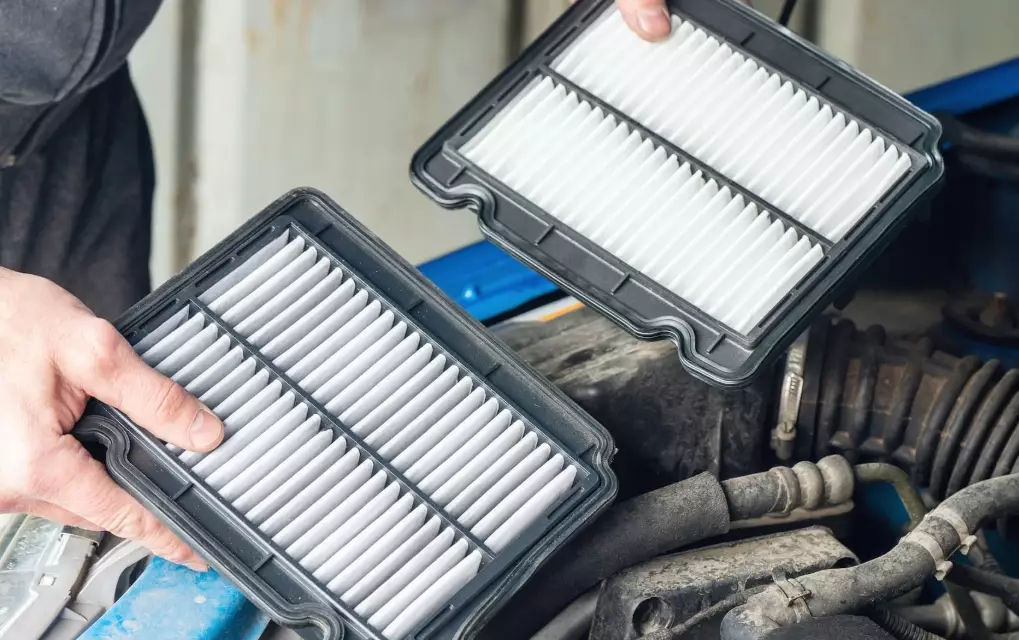
Cold Air Intakes (CAI): The classic first mod. The idea is to pull in cooler, denser air from outside the hot engine bay. Do they work? Yes, but manage your expectations. A well-designed CAI from a reputable brand like Volant or K&N can improve throttle response and add a satisfying intake sound. The actual horsepower gain on a modern, computer-controlled engine might only be 5-10 hp without a tune to take advantage of the improved airflow. The real benefit is often the reusable filter and the start of a more efficient airflow path.
Exhaust Systems: This is a huge category. You've got cat-back systems (from the catalytic converter back), axle-back systems, and full header-back systems.
- Cat-Back: Great for sound and a minor performance bump. Easy to install. Brands like Borla and Corsa are industry leaders for a reason—their engineering on sound resonance is top-notch.
- Long-Tube Headers: This is where the real power gains in the exhaust department come from. By replacing the restrictive factory exhaust manifolds with long, tuned tubes, you drastically improve exhaust scavenging. We're talking 20-40 hp gains on a V8, especially when paired with a tune. The downside? Installation is a pain (often requiring lifting the engine or cutting things), they can cause clearance issues, and you'll almost certainly need an oxygen sensor extension and a tune to prevent check engine lights. For LS and LT engines, brands like American Racing Headers (ARH) and Kooks are consistently praised.
My take: If you're on a budget and just want better sound, a cat-back is fine. But if you're serious about power, save up for a quality set of long-tube headers. They're one of the single best bolt-on power adders for the money, despite the install headache. Just be prepared for a louder, raspier exhaust note.
2. The Brain: ECU Tuning & Programming
This is arguably the most important and misunderstood aspect of modern Chevy performance upgrades. Your truck's computer (ECU) is programmed at the factory for emissions, fuel economy, and a wide range of fuel qualities. It's conservative.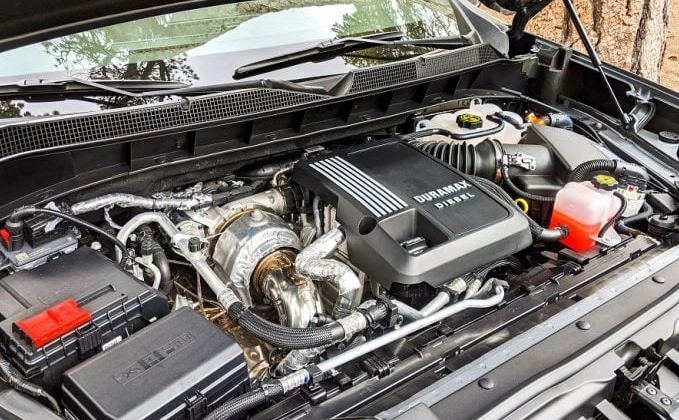
A professional tune recalibrates this computer. It can adjust:
- Air/Fuel Ratio: For optimal combustion.
- Ignition Timing: To spark the fuel at the perfect moment for power.
- Transmission Shift Points & Firmness: Crucial for automatics!
- Speed Limiters & Torque Management: These electronic "nannies" built into modern trucks that cut power to protect the drivetrain.
You have a few options:
- Pre-Loaded "Canned" Tunes: From devices like a DiabloSport tuner. Plug-and-play, safe, but generic. They offer decent gains for simple bolt-ons.
- Custom Remote Tuning: You work with a tuner via email/data logs. They send you a custom file specific to your mods and fuel. Much better than canned tunes.
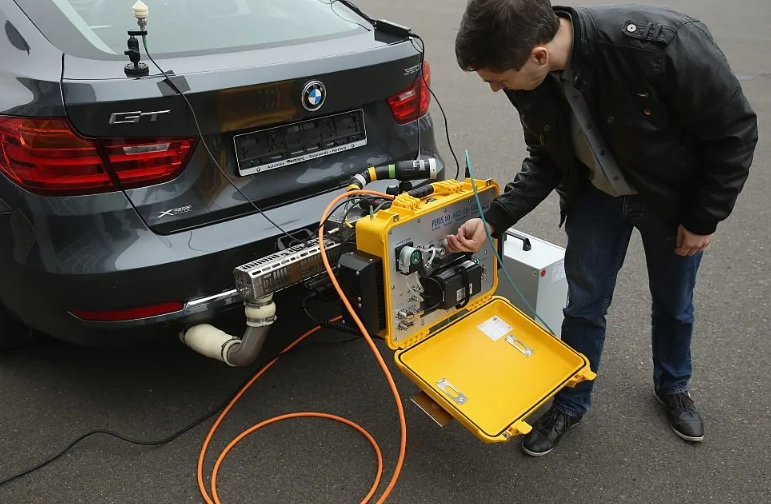
- Professional Dyno Tune: The gold standard. Your vehicle is put on a dynamometer (a treadmill for cars) and a tuner adjusts parameters in real-time to extract maximum safe power. This is mandatory for major mods like camshafts or forced induction.
A good tune can wake up a stock truck and is absolutely essential to make any other Chevy performance upgrades work together harmoniously. It's the glue that holds your mods together.
3. The Heart: Internal Engine Upgrades
Now we're getting serious. Once you've maximized the airflow and tuned the brain, the next frontier is inside the engine itself.
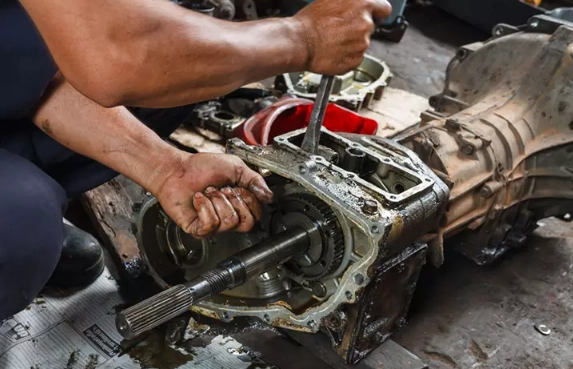
Camshafts: The camshaft is the brain of the valvetrain, controlling when the valves open and close. A performance camshaft (often called a "cam") can hold valves open longer and lift them higher to let more air/fuel in and exhaust out. This is a major upgrade with major consequences.
Warning: Camming your daily driver is a commitment. It will change the idle quality (making it lumpy), likely reduce low-RPM vacuum (affecting power brakes), hurt fuel economy, and may require supporting mods like upgraded valve springs, pushrods, and a higher-stall torque converter for automatics. Do your research! Cam selection is a science. Companies like Comp Cams and Texas Speed have application-specific grinds.
Cylinder Heads: For LS engines, this is a legendary upgrade path. Swapping stock truck heads for CNC-ported performance heads from Air Flow Research (AFR) or Trick Flow can unleash huge power, as they improve airflow far more than any intake or exhaust mod. It's a big job, but the results are transformative.
Forced Induction (Superchargers & Turbos): The king of Chevy performance upgrades for raw power. Instead of relying on natural aspiration, you force more air into the engine.
- Superchargers: Belt-driven, provide instant boost and power. Kits from Edelbrock or Magnuson are popular for LS/LT engines and are often sold as complete, reliable packages. Power gains of 150-250 hp are common.
- Turbos: Exhaust-driven, can be more efficient but introduce "turbo lag." Offer insane top-end power potential. Complex to package and plumb, often requiring more custom fabrication.
Forced induction puts immense stress on your engine internals. On a stock bottom end, you must be conservative with boost levels (often 6-8 psi max). For big power, forged pistons and connecting rods are a must.
Vehicle-Specific Considerations
Not all Chevys are created equal. A mod that works wonders on a Corvette might be pointless on a Suburban.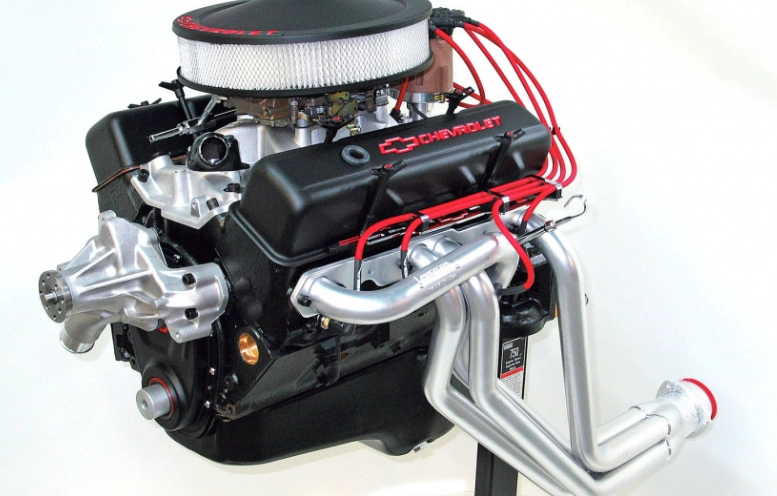
Chevy Trucks & SUVs (Silverado, Tahoe, Suburban)
The goal here is often torque for towing and hauling, not just peak horsepower. A camshaft with a lot of "duration" that makes high-RPM power will ruin your towing experience. Look for a torque-focused cam. Long-tube headers and a tune are fantastic here. Also, don't neglect the transmission—adding an auxiliary cooler is cheap insurance when you add power and tow heavy.
Chevy Cars (Camaro, Corvette)
These platforms are built for performance from the start. The aftermarket is vast. For Camaros and Corvettes, handling upgrades (coilovers, sway bars, sticky tires) often provide a more rewarding driving experience than just straight-line power. That said, the LT1 and LT4 engines respond phenomenally well to basic bolt-ons and a tune. A simple intake, headers, and tune on a C7 Corvette or 6th Gen Camaro SS can yield 50-70 hp at the wheels.
The LS Engine Family: A Modder's Dream
If you have an LS-based engine (Gen III/IV, found in millions of trucks, cars, and vans from 1997 onward), you've hit the jackpot. The aftermarket support is unparalleled. The sheer volume of interchangeable parts, knowledge, and GM Performance Parts crate engines makes the LS the go-to for affordable power. A basic 5.3L LM7 from a junkyard can be turned into a 450+ horsepower monster with heads, cam, and boost for relatively little money.
Common Questions & Real-World Answers
Let's tackle some of the stuff you're actually wondering but might not find a straight answer to on a forum.
Final thought from someone who's been in the garage too late too many times: The journey of Chevy performance upgrades is incredibly rewarding. There's nothing like the feeling of driving a vehicle you've personally improved. But start small, learn as you go, and never prioritize the next mod over doing the current one correctly. A reliable, well-executed 50-horsepower gain is infinitely better than a buggy, unreliable 150-horsepower mess. Your Chevy has great bones—now go help it reach its potential.