Quick Navigation
Let's talk about something that's moved from a cool gadget to an absolute necessity for most drivers. I'm talking about dash cams. And not just any dash cam, but the kind that watches both ends of your car – a dash cam front and rear system. You've probably seen the crazy videos online, the "oh no he didn't" moments caught on camera. But it's more than just YouTube fame. It's about having an unbiased witness that never blinks, parked right on your dashboard and rear window.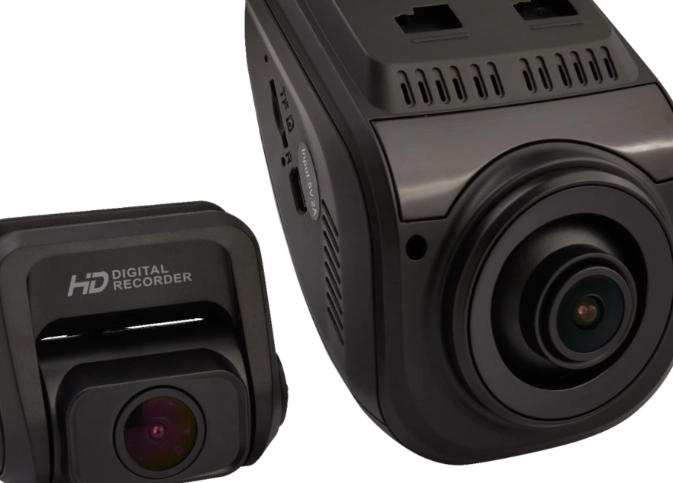
I remember the first time I got rear-ended. It was a light tap at a red light. The other driver was all apologies, we exchanged info, no big deal. Or so I thought. Two days later, their insurance company claimed I reversed into them. My word against theirs. That sinking feeling of "if only I had proof" is something I don't want anyone else to experience. That's what pushed me from a front-only camera to a full front and rear dash cam setup.
Why a Dual-Lens System? The Benefits Beyond the Obvious
Everyone knows a dash cam can prove you didn't run that red light. But a system with two lenses unlocks a whole other level of protection and peace of mind.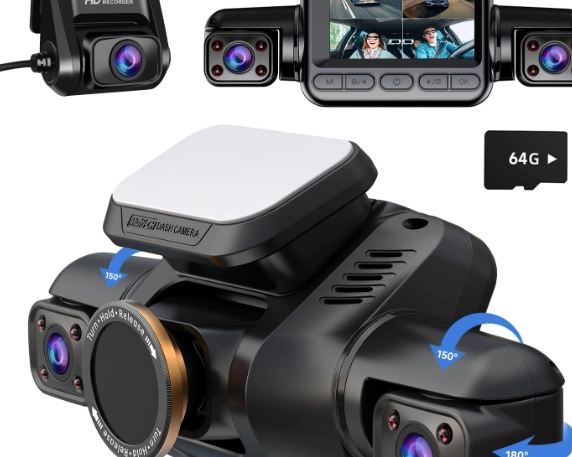
First, it's about complete coverage. A front-only camera misses at least 50% of the action around your car. What if someone hits you from behind while you're stationary? What about that hit-and-run in a parking lot that dents your rear bumper? Your front camera sees none of it. A dash cam with front and rear lenses captures both the cause and the context.
Key Advantages of a Dual Setup:
- Fraud Prevention: Sadly, "crash for cash" scams often involve a car braking hard in front of you or deliberately reversing into you. A rear-facing camera can expose these staged rear-end collisions by showing the lead car's suspicious behavior.
- Parking Mode Security: This is a game-changer. When your car is off, the cameras (if hardwired properly) can monitor both ends. Someone dings your door in a lot? The front cam might catch their approach, the rear might get their plate as they drive away.
- Insurance Clarity: In any accident, context is king. Providing your insurer with footage from both angles removes all ambiguity about fault. This can drastically speed up claims and prevent your premiums from rising unfairly. Organizations like the Insurance Information Institute (III) often discuss how technology aids in claims resolution.
- Recording Road Rage: Aggressive drivers often pull up beside or behind you. A dual system documents their entire sequence of dangerous actions.
I'll be honest, the wiring for the rear camera can be a bit of a hassle. It's not as simple as plugging in a single unit. You have to route a cable from the front to the back of your car, usually tucking it into the headliner and door seals. But you know what? The thirty minutes of mild frustration during installation is worth years of potential headache avoidance.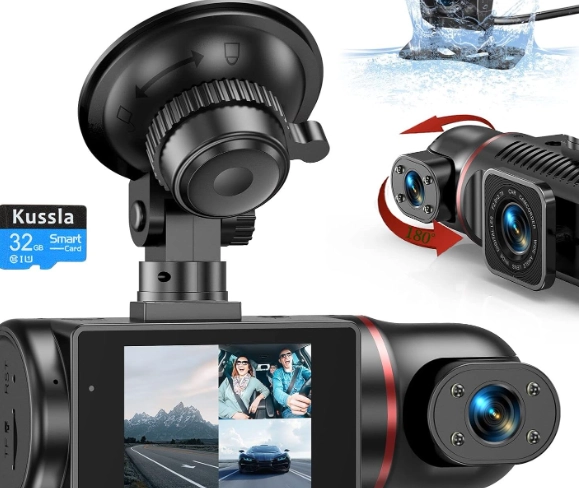
Choosing Your Champion: What to Look For in a Front and Rear Dash Cam
The market is flooded with options. How do you pick the right one without getting overwhelmed? Don't just look at the price tag or the flashiest ads. You need to dig into the specs that actually matter for real-world use.
Video Quality: It's Not Just About "4K"
Yes, resolution is important. 1080p (Full HD) is the absolute bare minimum for both cameras today. 1440p or 4K on the front camera is better for capturing fine details like license plates from a distance. But here's the catch – some brands advertise a "4K front and rear dash cam" but the rear camera is only 1080p. That's okay, as the rear cam's main job is often to capture closer-range events. The real hero is video bitrate. A higher bitrate means less compression, clearer details in motion, and a better picture in low light. A 4K video with a low bitrate can look blocky and useless.
Night vision is another critical test. Look for cameras with large apertures (like f/1.6 or f/1.8) and good WDR (Wide Dynamic Range). WDR balances bright and dark areas in the same frame – think of reading a license plate with headlights flaring behind it. My old, cheaper cam failed miserably at this; plates at night were just glowing white rectangles.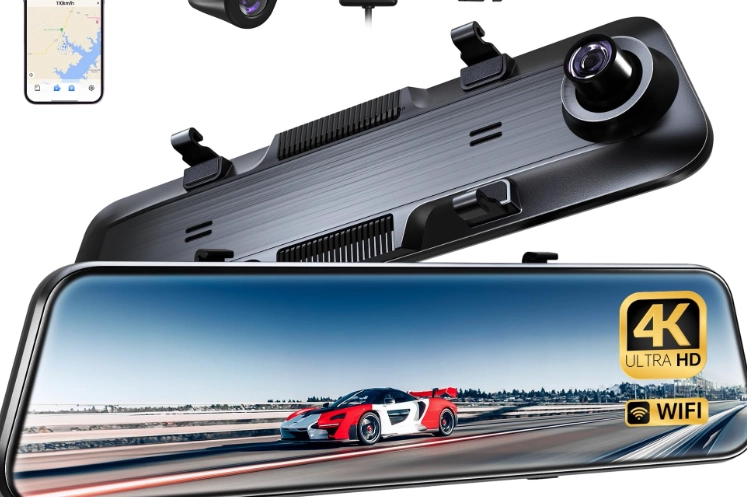
The Essential Features You'll Actually Use
Beyond the lens, the brains of the unit matter.
Parking Mode: This isn't a universal standard. Some cams have a "motion detection" mode that starts recording when they sense movement. Better ones have a "buffered parking mode" that records a few seconds before the impact or motion, so you see what led to the event. This usually requires a hardwiring kit to draw minimal power from your car's battery without draining it. The Consumer Reports guide to dash cams offers great advice on features like this.
GPS: Built-in GPS logs your speed and location directly onto the video. This is fantastic evidence but consider your privacy. Can you disable it if you want to?
Wi-Fi & App Connectivity: This is almost a must-have. Instead of pulling the memory card, you connect your phone to the cam's Wi-Fi to view, download, or adjust settings. It makes managing footage incredibly easy.
Let's talk about a feature I find overrated: voice control. It sounds cool, but fumbling for a command while driving can be more distracting than just tapping a button. Just my two cents.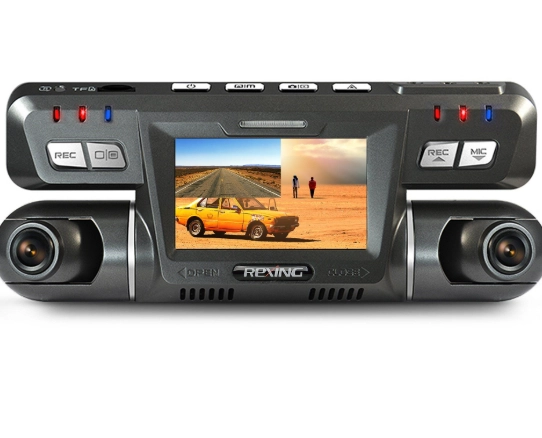
The Installation Question: DIY or Professional?
This is the part that intimidates most people. Installing a front and rear dashcam involves running a cable from the front unit, along the headliner, down a door pillar, and across the back deck to the rear window.
Can you do it yourself? Absolutely.
For most sedans and hatchbacks, it's a straightforward job requiring no tools beyond a plastic trim tool (or an old credit card) and maybe a fuse tap if you're hardwiring. You're just tucking a thin cable into existing gaps. SUV and van owners might have a longer run, but the principle is the same. The key is to avoid airbag deployment paths. Never run a cable over the side-curtain airbags along the A-pillar. Always tuck the cable behind them.
If the thought of prying at your car's interior gives you anxiety, professional installation is widely available. Car audio shops and some electronics retailers offer the service for a reasonable fee (usually between $50 and $150). They'll handle the hardwiring neatly and ensure everything is secure and safe.
Whether you DIY or go pro, placement is crucial. The front camera should be mounted high on the windshield, behind the rearview mirror (to stay out of your line of sight), and as centered as possible. The rear camera should have a clear view out the back window. Clean the glass thoroughly with alcohol wipes before attaching the adhesive mounts – a strong initial bond prevents the camera from falling off on a hot day.
Memory Cards, Power, and Legal Nuances
Picking the Right Storage
Not all microSD cards are created equal for dash cam use. You need a high-endurance card. Normal cards are designed for occasional writes (like in a phone). A dash cam is constantly writing and rewriting data, which wears out standard cards quickly, leading to failure. Brands like Samsung PRO Endurance, SanDisk High Endurance, and Kingston Canvas Go! Plus are built for this continuous workload. Get at least 64GB, but 128GB or 256GB is better for longer recording times, especially with higher resolutions.
Powering Your System
The simplest method is the 12V cigarette lighter socket. Plug and play. But it leaves a visible wire and won't power parking mode unless your socket stays on when the car is off (most don't).
For full functionality, including parking surveillance, you need a hardwiring kit. This kit connects directly to your car's fuse box, using fuse taps to draw power. The good kits have a low-voltage cut-off feature that turns the cam off if your car battery drops to a preset level (like 11.8 volts) to prevent you from being stranded with a dead battery. It sounds technical, but the kits are designed for DIYers with clear instructions.
The Legal Landscape: What's Allowed?
This is a big one. In most countries and U.S. states, using a dash cam front and rear for personal security is perfectly legal. However, there are nuances.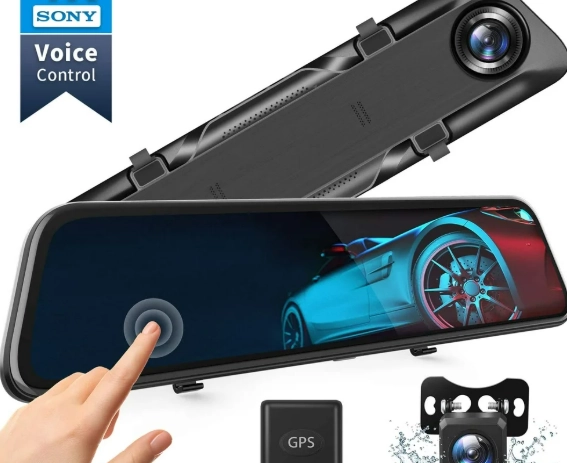
The primary concern is obstructed view. You cannot mount the camera in a place that significantly blocks the driver's field of vision. That's why mounting it behind the rearview mirror is the standard advice. Some states have specific laws about what can be attached to the windshield. A quick search for "windshield obstruction laws" plus your state name will give you the local rules.
Audio recording is another gray area. Many cams can record sound inside the car. Consent laws vary. In some "two-party consent" states, you may need to inform passengers they are being recorded. Sticking a small notice on the window or door can cover this.
Privacy laws in public are generally lenient, but be mindful. For example, the National Highway Traffic Safety Administration (NHTSA) encourages technologies that improve safety, but it's always good to use common sense. Don't point a secondary interior-facing camera (some dual systems have this) at your neighbor's driveway or into other people's homes when parked.
Answers to Your Burning Questions (FAQs)
I get a lot of questions from friends and readers. Here are the most common ones.

The bottom line?
Investing in a quality front and rear dash cam isn't about expecting the worst. It's about driving with confidence, knowing you have a objective partner documenting your journey. It turns "he said, she said" into "here's what happened." The technology has matured, the prices are reasonable, and the value it provides – in saved deductibles, prevented insurance hikes, and sheer peace of mind – is immense. Start by identifying the features you truly need, don't skimp on the memory card, and take your time with the install. Your future self, dealing with a fender-bender in a rainy parking lot, will thank you for it.