In This Guide
- Why Bother? The Real Reasons for a Car Safety Check
- When Do You Actually Need a Vehicle Inspection?
- What Do They Actually Check? Breaking Down the Inspection Process
- DIY vs. Professional: What Can You Check Yourself?
- Choosing the Right Place for Your Inspection
- What Happens After the Inspection? Understanding Your Results
- Final Thoughts: Making Peace with the Process
Let's be honest. The phrase "car inspection" can make your eyes glaze over. It sounds like bureaucratic red tape or just another expensive chore. I used to think exactly that. But after a close call with failing brakes on the highway—a moment that genuinely scared me—my perspective flipped completely. A proper vehicle inspection isn't a nuisance; it's a conversation with your car. It's the single best way to understand what's working, what's wearing out, and what's a ticking time bomb.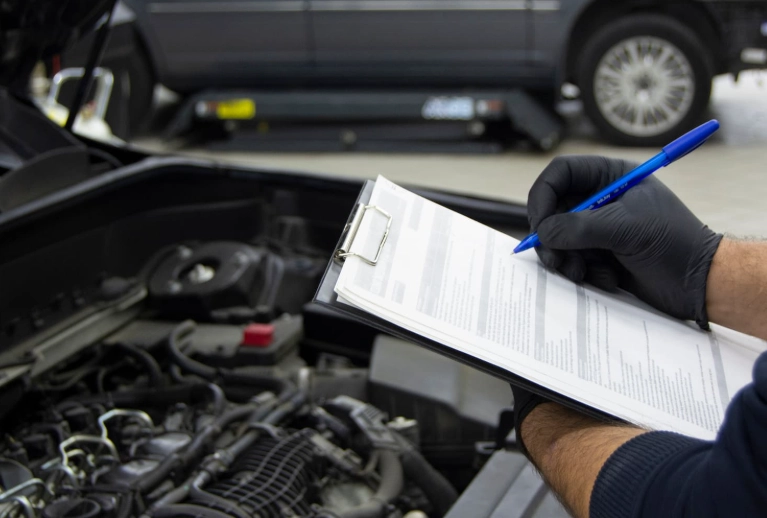
This guide is the one I wish I'd had. We're going to move past the dry, technical manuals and talk about what really matters. Whether you're buying a used car, keeping your daily driver safe, or just trying to understand that inspection notice from the DMV, we'll cover it. No fluff, just practical, actionable information that could save you money and, more importantly, keep you safe.
Why Bother? The Real Reasons for a Car Safety Check
You might think your car is fine. It starts, it drives, the check engine light isn't on (or maybe it is, but you've learned to ignore it). So why schedule a formal inspection? The reasons stack up pretty quickly once you dig in.
First and foremost, it's about safety. This is non-negotiable. A professional set of eyes on your brakes, tires, steering, and lights can spot problems you'd never notice until it's too late. I'm not trying to scare you, but worn ball joints or cracked brake lines don't send a polite text message before they fail. They just fail. A thorough car inspection is your early warning system.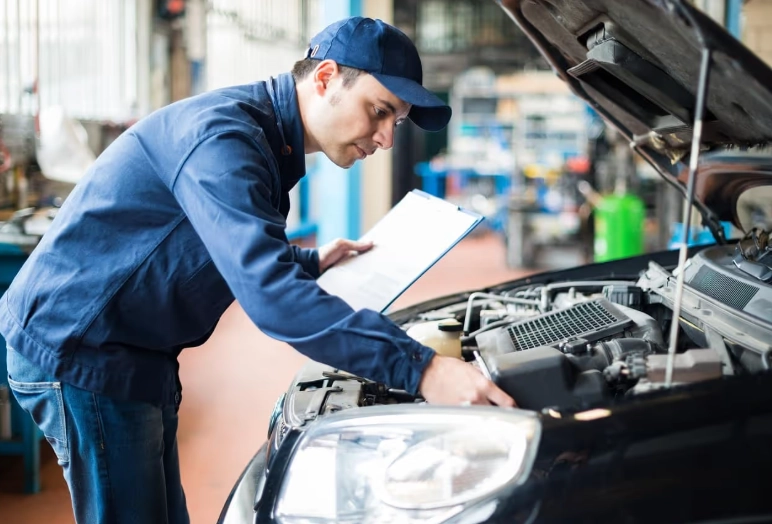
Then there's the legal side. Many states require periodic safety and emissions inspections to renew your registration. Fail, and you can't legally drive the car until it's fixed. It's that simple. The specific requirements vary wildly. Some states are strict annually, others have no requirements at all. You need to know your local rules.
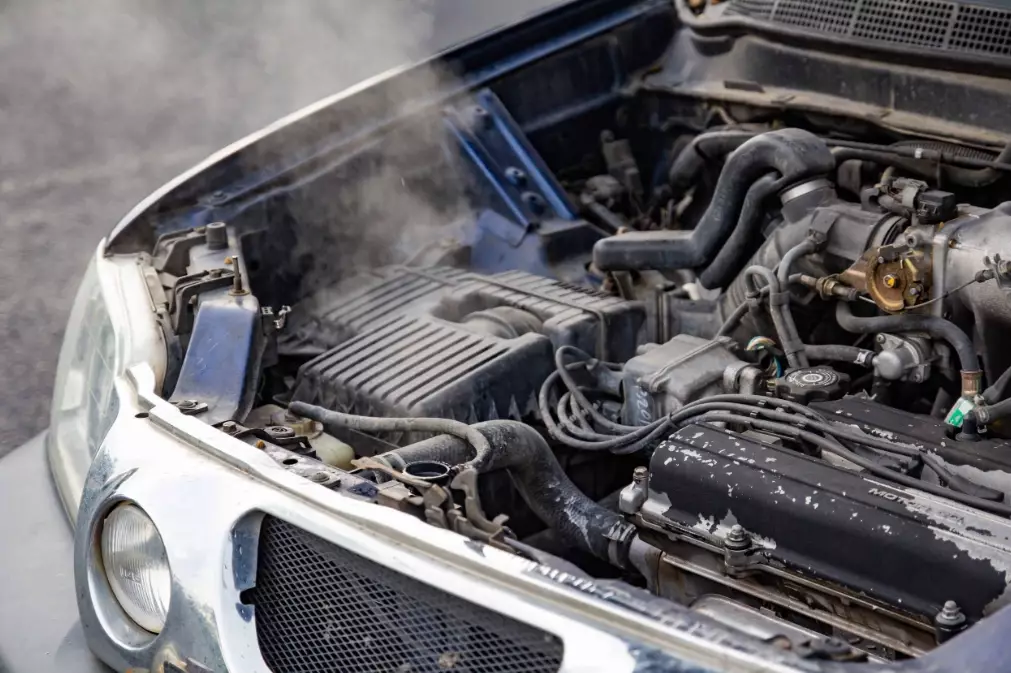
Money. Yes, an inspection costs money. But think of it as a tiny investment against a massive repair bill. Finding a small coolant leak during an inspection might cost $100 to fix. Ignoring it until your engine overheats and warps the cylinder head? That's a several-thousand-dollar engine replacement. A pre-purchase inspection on a used car can reveal $5,000 worth of hidden problems, giving you the power to walk away or negotiate the price down. That $150 inspection fee just saved you a fortune.
Finally, peace of mind. There's a real comfort in knowing exactly what shape your vehicle is in. No nagging doubts about that weird noise. No anxiety before a long road trip. You get a report card, you deal with the issues, and you drive with confidence.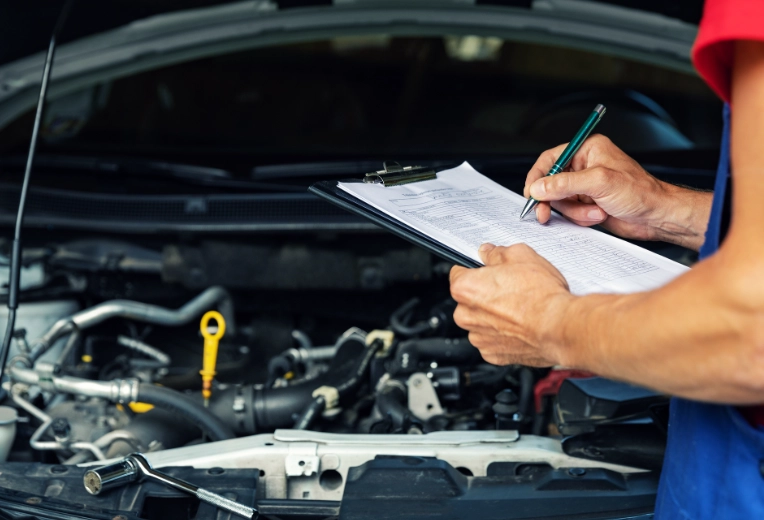
When Do You Actually Need a Vehicle Inspection?
It's not just once and done. Think of inspections as check-ups at different stages of your car's life. Missing the right one can cost you.
The Mandatory Check: Staying Legal
This one's driven by your state or local government. You don't have a choice. They typically mandate two types: a safety inspection and an emissions inspection (or "smog check"). Safety checks look at brakes, lights, tires, suspension—anything that could cause a crash. Emissions tests measure the pollutants coming out of your tailpipe to ensure your car meets clean-air standards.
The frequency is all over the map. Pennsylvania requires an annual safety inspection. Texas requires an annual safety *and* emissions inspection in most urban counties. California is famous for its biennial smog check for most vehicles. Meanwhile, states like Michigan or Florida don't have statewide inspection programs. Your first stop should be your state's Department of Motor Vehicles (DMV) website. For example, you can find the official rules for Pennsylvania inspections on the PA DMV site or the details for Texas' Vehicle Inspection Program on the TCEQ site. Don't rely on hearsay; go to the source.
The Smart Check: Before Buying a Used Car
This might be the most valuable money you ever spend on a car. You're emotionally invested, the car looks great, the seller seems nice. A pre-purchase inspection (PPI) is your impartial reality check. You hire a mechanic *you* choose (never use the seller's recommended shop) to put the car on a lift and go over it with a fine-tooth comb.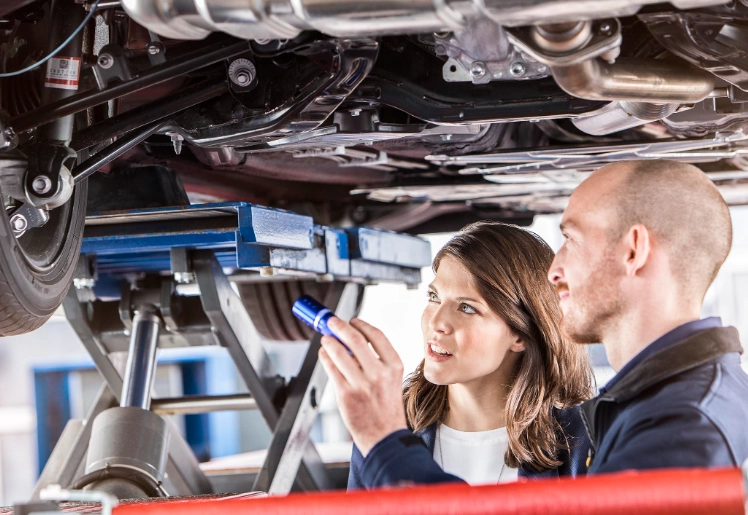
What do they find? Sometimes it's minor stuff—worn wiper blades, a dirty air filter. Often, it's major hidden issues: frame damage from a past accident, a transmission that's about to fail, rust holes hiding under the carpet. I once looked at a truck that drove perfectly. The PPI found severe corrosion in the rear frame. The seller had no idea (or claimed he didn't). The inspection saved me from a dangerous and costly mistake.
The Responsible Check: Routine Maintenance & Before a Trip
This is the proactive approach. Even if your state doesn't require it, getting an annual check-up is brilliant preventative maintenance. You tackle small problems before they become big, expensive ones. It's also absolutely essential before embarking on a long road trip. Stressing an already marginal cooling system or worn tires for hundreds of highway miles is asking for trouble. A pre-trip inspection gives you the green light to go.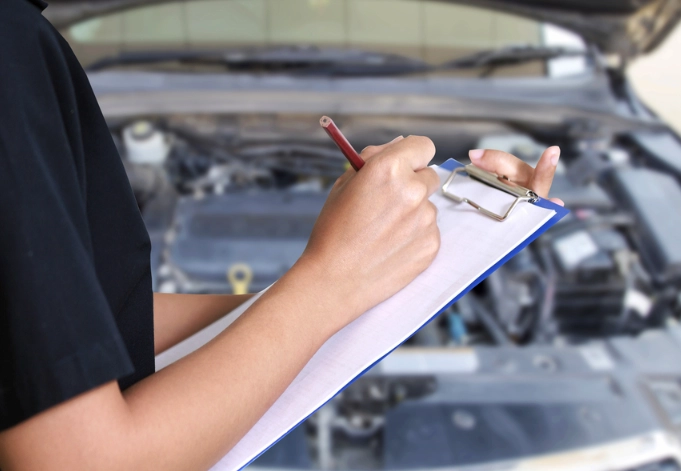
What Do They Actually Check? Breaking Down the Inspection Process
Okay, so you've brought your car in. What's happening while you're sipping bad coffee in the waiting room? A proper inspection is systematic. While the exact checklist varies by state and shop, a comprehensive one covers three main areas. Let's use a table to make this clearer, because it's a lot of info.
| Inspection Area | Key Components Checked | What They're Looking For | Why It Matters to You |
|---|---|---|---|
| Safety Systems | Brakes (pads, rotors, lines, fluid), Tires (tread depth, wear, pressure, sidewalls), Steering & Suspension (ball joints, tie rods, shocks), Lights (headlights, brake lights, signals), Seatbelts, Windshield (cracks, wipers). | Wear, damage, leaks, proper operation, secure mounting. Tread depth is often measured precisely. | Directly prevents accidents. Worn brakes or bald tires are a major cause of crashes. |
| Emissions & Engine | On-Board Diagnostics (OBD-II) system, Exhaust system (catalytic converter, muffler, pipes), Gas cap, Visual check for fluid leaks, Engine performance. | Check Engine Light codes, exhaust leaks, system readiness monitors, evaporative emissions leaks. | Ensures your car isn't polluting excessively. Also catches engine problems that hurt performance and fuel economy. |
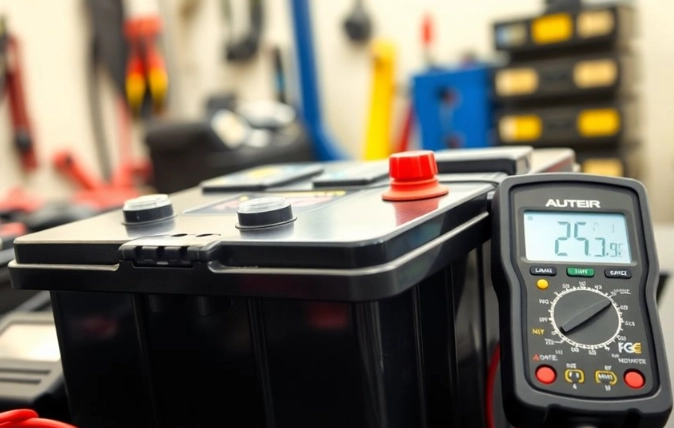
| Vehicle Integrity | Frame/Unibody for damage or rust, Exhaust mounting, Fluid levels (oil, coolant, brake), Battery and charging system, Horn, Mirrors. | Structural safety, security of major components, basic maintenance status. | A compromised frame is extremely dangerous. This check finds hidden crash damage or severe corrosion. |
See? It's thorough. A state safety inspection might focus primarily on the first column. A full pre-purchase inspection will cover all three in depth, often including a test drive to check for noises, vibrations, and alignment pulls.
The OBD-II scan is a big one.
For any car made after 1996, the inspector will plug a scanner into the port under your dash. This reads any stored trouble codes in the computer. But here's the catch—they also check the "readiness monitors." These are internal tests the car's computer runs on various systems. If you recently disconnected the battery or cleared codes, these monitors show "not ready." In an emissions inspection, that's an automatic fail. Your car needs a few drive cycles to run these tests. So don't clear your codes right before a smog check thinking you'll cheat the system. It won't work.
DIY vs. Professional: What Can You Check Yourself?
You don't need to be a mechanic to keep an eye on things between professional inspections. Doing a basic walk-around every month or before a long drive is a great habit. Here’s a simple checklist you can follow in your driveway in 10 minutes.
- Tires: The "penny test." Insert a penny into the tread with Lincoln's head upside down. If you can see the top of his head, your tread is too low (under 2/32"). Check pressure when tires are cold. The correct PSI is on the sticker inside your driver's door jamb, NOT on the tire sidewall. Look for cuts, bulges, or uneven wear.
- Lights: Turn on headlights (low and high beams), parking lights, brake lights (have someone step on the pedal or back up to a wall at night), and turn signals. Walk around the car. A blown bulb is cheap to fix; getting pulled over for it isn't.
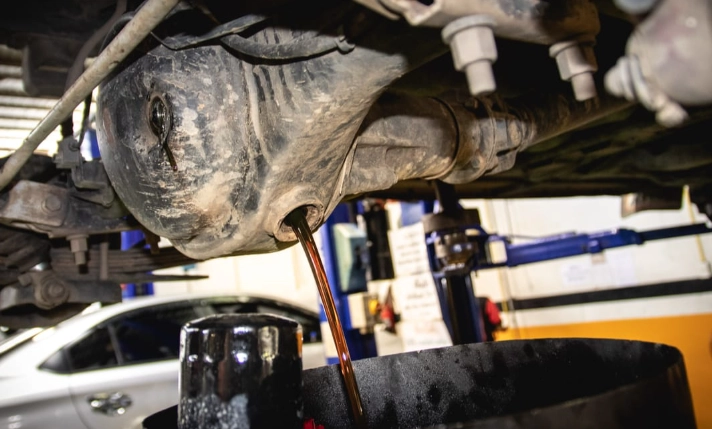
- Fluids: Pop the hood. Check engine oil (with dipstick, on level ground, engine off). Check coolant level in the overflow reservoir (NEVER open the radiator cap when hot!). Check brake fluid and windshield washer fluid levels. Look for any obvious leaks or puddles under the car.
- Brakes: Listen for any new grinding, squealing, or scraping noises when you brake. Feel for vibration in the pedal or steering wheel. These are signs you need professional attention immediately.
- Wipers & Washers: Do your wipers streak or chatter? Does the washer spray properly? Terrible visibility in a storm is a safety hazard.
This DIY check is fantastic for catching obvious issues early. But it has serious limits. You can't safely check brake pad thickness without removing the wheel. You can't diagnose a weak ball joint or a cracked engine mount. You can't scan for computer codes or measure emissions. That's where the professional comes in.
Think of it like your health. You can check your own weight and temperature. But for a full physical, you need a doctor with the right tools and training. A professional mechanic has the lift, the diagnostic scanner, the tread depth gauge, and the trained ear for unusual sounds.
Choosing the Right Place for Your Inspection
Not all inspection stations are created equal. For a state-mandated inspection, you must go to a state-licensed inspection station (usually a repair shop or a dedicated inspection lane). They follow a strict, non-negotiable checklist. But for a pre-purchase or a more thorough voluntary inspection, you have choices. Here’s what I consider.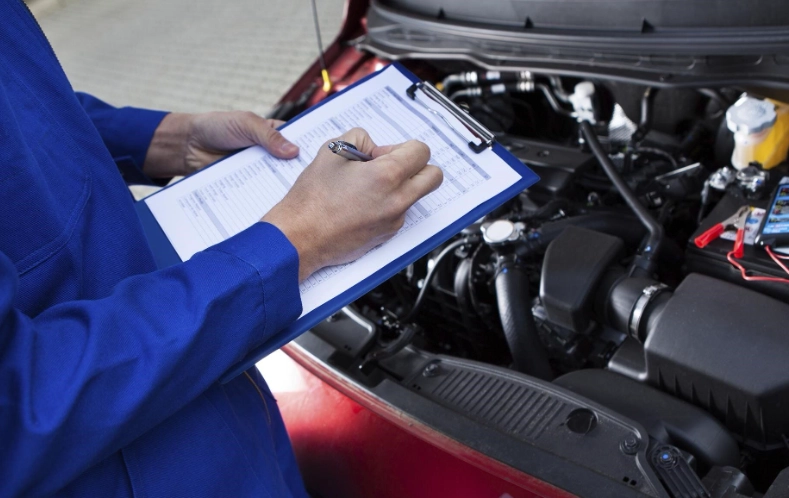
First, specialization matters. For a pre-purchase inspection on a specific brand—say, a BMW or a Toyota—a shop that specializes in that brand often has technicians who know the common failure points for that model. They might spot something a generalist would miss. The National Institute for Automotive Service Excellence (ASE) certifies technicians. A shop displaying ASE Blue Seal of Excellence logos is a good sign of committed professionalism.
Second, transparency is key. A good inspector welcomes you to watch (from a safe distance) and will explain what they're finding as they go. They should provide a detailed, written report with photos or videos, not just a pass/fail slip. Be wary of places that seem to fail every car that comes in for "necessary" repairs they just happen to sell. It's a classic scam. Getting a second opinion is always an option if the estimate seems fishy or astronomical.
Finally, consider mobile inspection services. These are popular for pre-purchase inspections. The inspector comes to the car's location with their tools. It's super convenient, but ensure they have the ability to get the car on a lift or at least use jack stands to properly inspect the undercarriage. A purely visual inspection from ground level misses too much.
What Happens After the Inspection? Understanding Your Results
You get the report. Now what? There are generally three outcomes.
Pass: Congratulations! Your car meets the required standards. For a state inspection, you'll get a new sticker. Keep the report for your records, as it's a good snapshot of your car's health.
Fail: This is more common than you think, and it's not the end of the world. The inspector must provide a detailed list of the specific items that caused the failure. These are the "must-fix" items to become legal and safe. You have a grace period (defined by your state) to get the repairs done. You usually have to return to the same station for a re-inspection of the failed items, often for a reduced fee.
Advisory/Monitor Items:
Those are the big ones I hear all the time. The cost question is huge—people hate surprises. Knowing that a basic state fee is regulated helps, but also knowing that a PPI is an investment frames it correctly.
Final Thoughts: Making Peace with the Process
Look, I get it. Car inspections feel like a hassle. They cost money, take time, and can deliver bad news. But after my brake scare, I reframed it entirely. I don't see it as an expense anymore. I see it as the cheapest insurance policy I have.
It's a proactive step that puts you in control. Instead of wondering and worrying, you get facts. You get a plan. Whether it's fixing a critical safety item or walking away from a bad used car deal, the power is back in your hands.
Knowledge is the antidote to anxiety.
Use this guide to understand what's happening, ask the right questions, and choose the right service. Do your basic monthly DIY checks. Pay attention to your car's sounds and feels. And when it's time for that professional car inspection, don't dread it. See it for what it is: the smartest, most responsible conversation you can have about the machine you trust every day.
Drive safe.