Let's cut through the marketing gloss. You're not just thinking about a car. You're considering a luxury car ownership experience—a decision wrapped in emotion, aspiration, and, let's be honest, a significant financial commitment. The dream is clear: impeccable craftsmanship, thrilling performance, and that undeniable presence. But the reality? It's a spreadsheet of costs, nuanced decisions, and long-term considerations that most dealerships won't highlight in the showroom.
I've owned, leased, and regretted a few of these machines over the years. My first was a used German sedan I bought in my late twenties, a decision fueled more by ego than financial sense. The repair bills that followed were a brutal education. This guide is what I wish I'd known then. We're going beyond horsepower and leather grades. We're talking about the five-year cost of a set of ceramic brakes, the insurance surprise on a high-performance model, and whether that certified pre-owned deal is actually a trap.
What You'll Discover in This Guide
What Defines a True Luxury Car?
It's not just a high price tag. A true luxury car delivers on three pillars that mainstream brands often treat as optional: materials, technology, and refinement. The difference is in the details—the damped thud of the door closing, the complete absence of road noise at 80 mph, the intuitive feedback from the steering wheel. Brands like Mercedes-Benz, BMW, Audi, Lexus, Porsche, and Genesis have built their reputations here. But even within these brands, there's a hierarchy. A base-model luxury SUV might share a platform with a mainstream cousin, while its high-performance or long-wheelbase variant is a completely different animal.
The Real Cost of Luxury Car Ownership (It's More Than the Payment)
Here's the biggest mistake new owners make: focusing solely on the monthly loan or lease payment. The real financial story unfolds over the first five years. Let's break it down with a hypothetical but very realistic example: a popular mid-size luxury SUV with an MSRP around $65,000.
| Cost Category | Estimated 5-Year Total | Key Details & Notes |
|---|---|---|
| Depreciation | $25,000 - $35,000 | The single largest cost. Can be 40-50% of value lost in 3 years. German brands often depreciate faster than Lexus/Porsche. |
| Financing (Interest) | $6,000 - $10,000 | Based on a 5-year loan at 4-6% APR. Luxury car loans often have higher rates. |
| Insurance | $10,000 - $15,000 | Can be double a mainstream car. High repair costs and theft risk drive premiums up. |
| Fuel | $12,000 - $18,000 | Requires premium fuel. Lower MPG from heavier, more powerful vehicles adds up. |
| Scheduled Maintenance | $5,000 - $8,000 | Even with a "maintenance package," wear items like brakes ($1,500+/axle) and tires are extra. |
| Unexpected Repairs (Years 4-5) | $2,000 - $7,000+ | This is the wild card. Air suspension failures, electronic glitches, or turbo issues can be catastrophic. |
| Total 5-Year Cost | $60,000 - $93,000+ | On top of your initial down payment. This is why the used market exists. |
See that bottom line? You could spend nearly the car's original value again just to own it. This isn't to scare you off, but to shift your mindset. That "affordable" $900/month lease might look different when you realize the total cost of ownership.
Pro Tip: Never skip the tire and brake inspection when evaluating a used luxury car. High-performance brake rotors and pads are a wear item, and replacing them on a Porsche Cayenne or BMW X5 can easily exceed $3,000 at the dealer. Many private sellers offload cars right before this major service is due.
The Depreciation Trap and How to Avoid It
Depreciation isn't a flat line. It's a cliff in the first 2-3 years, then a gentle slope. This is the core logic behind buying certified pre-owned (CPO). Let someone else take that initial 30-40% hit. A 3-year-old CPO car from the manufacturer comes with a warranty extension and a rigorous inspection, often making it the sweet spot for value. According to industry analysis from sources like Kelley Blue Book and J.D. Power, certain models—think Porsche 911, Lexus GX, Toyota Land Cruiser—hold their value remarkably well. Others, like full-size luxury sedans and some high-tech flagship models, plummet. Do your homework on historical resale values before you fall in love.
How to Buy a Luxury Car Without Regrets: A Step-by-Step Guide
This is where you save thousands and avoid headaches. Ditch the emotion and follow a process.
Step 1: Define Your 'Why' and Budget (The Real One)
Are you after comfort on a long commute? Track-day performance? Family-hauling prestige? Your goal dictates the model. Then, set a total cost of ownership budget, not just a monthly payment. Factor in insurance (get a quote!), estimated fuel, and an annual maintenance/repair sinking fund of at least $2,000.
Step 2: New vs. CPO vs. Used – The Strategic Choice
New: For the latest tech, custom spec, and peace of mind under full warranty. You pay the premium for it.
CPO (Certified Pre-Owned): The smart money choice. Significant savings, factory-backed warranty (often better than the original), and recent-model tech. This is my default recommendation.
Used (Non-CPO): Maximum savings but maximum risk. Only consider with an impeccable service history and a mandatory pre-purchase inspection by a specialist.
Step 3: The Non-Negotiable Pre-Purchase Inspection (PPI)
This is the golden rule. Never, ever buy a used luxury car without a PPI from an independent mechanic who specializes in that brand. Not a generic shop. A BMW specialist has the proprietary software to do a deep code scan and knows the common faults of the N55 engine. This $400 investment can reveal $10,000 in looming repairs. If a seller refuses a PPI, walk away immediately.
Step 4: Negotiating and Financing
With new cars, research dealer invoice prices, not just MSRP. For used/CPO, use comparable listings (Autotrader, Cars.com) as leverage. On financing, get a pre-approval from your bank or credit union before you go to the dealer. This gives you a baseline to beat. Dealerships often make more money on financing than on the car itself.
Is a Pre-Owned Luxury Car a Smart Choice?
Absolutely, if you're strategic. I bought a 4-year-old Porsche Macan S CPO a while back. It was $25,000 less than new, still under factory warranty for 2 years, and had already depreciated heavily. It's been fantastic. The key is model selection. Avoid the first year of a new generation (teething problems) and complex, discontinued technologies (early active suspension, rare hybrid systems). Stick to models known for reliability within the brand—think Lexus ES, BMW 3-Series (with the more reliable engines), Porsche Cayenne (post-2015).
Keeping Your Luxury Car in Prime Condition: Maintenance Isn't Optional
Neglect is the fastest way to turn an asset into a money pit. These machines are less forgiving than a Toyota Corolla.
Follow the Severe Service Schedule: Even if the manual says "every 10,000 miles," change synthetic oil every 5,000-7,500 miles. These high-strung, turbocharged engines run hot and create more contamination. It's cheap insurance.
Find a Trusted Independent Specialist: After the warranty expires, dealer labor rates ($200+/hour) are crippling. A good independent shop specializing in your brand can cut labor costs by 40% and often uses the same parts. Build a relationship with them.
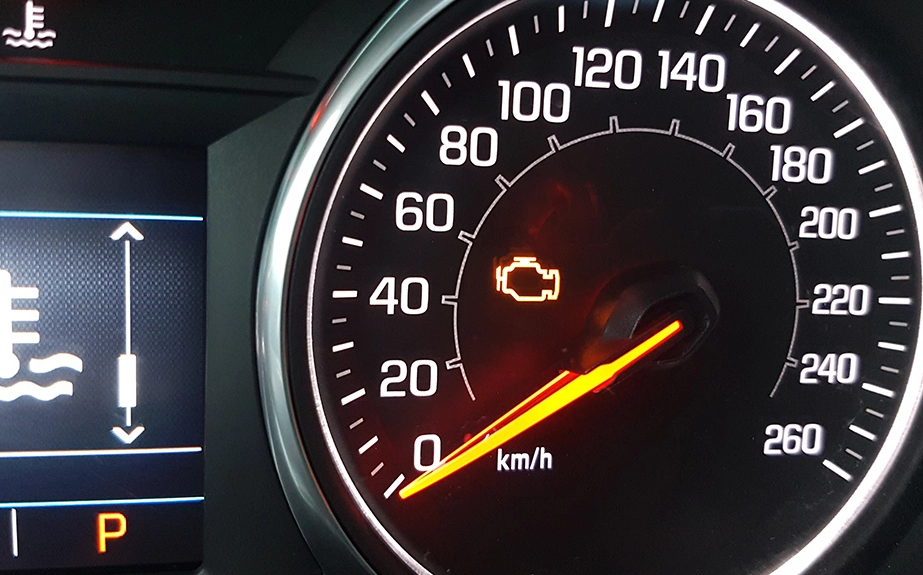
Address Small Issues Immediately: A warning light for a minor sensor can be a precursor to a cascading system failure. That slight vibration under braking could be warped rotors. Fixing things early is almost always cheaper.
Document Everything: Keep a digital folder of every receipt, service record, and even fuel logs. This is gold when it comes time to sell. A complete history can add thousands to your resale value.
Your Top Questions, Answered
Owning a luxury car can be one of life's great pleasures. The mistake is treating it like an ordinary purchase. It's a project. It requires research, planning, and ongoing care. Do it right—prioritize value over flash, understand the true costs, and maintain it meticulously—and the experience can be deeply rewarding without becoming a financial burden. Skip the homework, and that beautiful machine will quickly teach you lessons you didn't sign up for.