Let's cut to the chase. A full brake service isn't just about swapping out worn pads. It's a comprehensive health check and repair procedure for your entire braking system. If you're hearing squeals, feeling vibrations, or just passed the mileage mark where your mechanic suggested a look, you're in the right place. I've seen too many people pay for a "full service" only to get a pad slap and a fluid top-up. Here's what you should actually expect.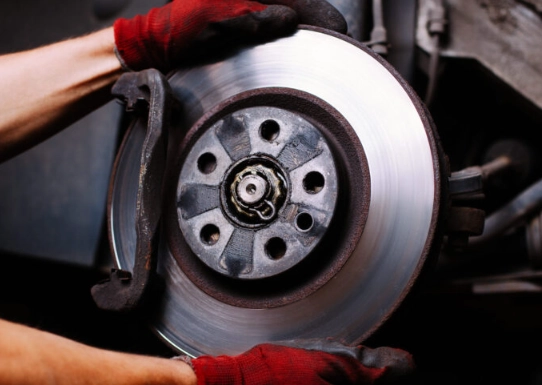
What’s Inside This Guide?
- What is a Full Brake Service? The Core Philosophy
- The Step-by-Step Breakdown of a Professional Brake Service
- What Gets Replaced vs. What Gets Inspected
- How Much Does a Full Brake Service Cost?
- When Do You Really Need a Full Brake Service?
- From the Shop Floor: Expert Insights & Common Pitfalls
- Your Brake Service Questions, Answered
What is a Full Brake Service? The Core Philosophy
Think of it as a physical for your car's most critical safety system. The goal isn't just to fix what's broken now, but to identify wear items that will fail soon and ensure every component works in harmony. A proper full service addresses all four corners of the car—both front and rear brakes. The term "full" is key. It differentiates the job from a basic pad replacement or a simple visual check.
Many shops have a different definition. I've been in this business for over a decade, and the most common customer complaint I hear is, "But I just had my brakes serviced!" Often, they only had one axle done, or the rotors were never measured for wear. A true full service is systematic.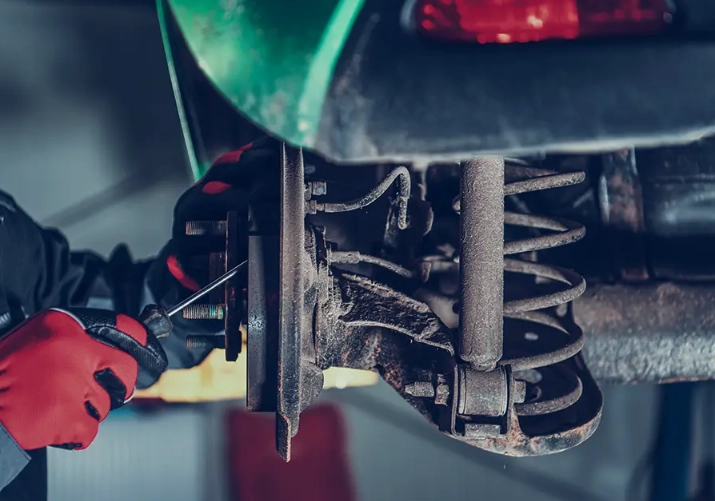
The Big Picture: A full brake service aims to restore the braking system to near-original performance and safety specs. It combines replacement of consumable parts with a thorough inspection of the entire hydraulic and mechanical system.
The Step-by-Step Breakdown of a Professional Brake Service
Here’s what happens when your car goes on the lift for this job. It’s more than just a list of parts; it’s a process.
1. Initial Inspection and Test Drive
A good technician starts by talking to you. What are you feeling? Hearing? Then, they'll often do a short test drive to replicate the issue—a pulsating pedal, a pull to one side, that high-pitched squeal. This tells them where to focus.
2. Wheel Removal and Visual Assessment
All four wheels come off. This is non-negotiable. You can't service the rear brakes with the wheels on. They look for obvious issues: fluid leaks from wheel cylinders or calipers, cracked brake hoses, excessive rust on components.
3. The Heart of the Service: Caliper and Pad Service
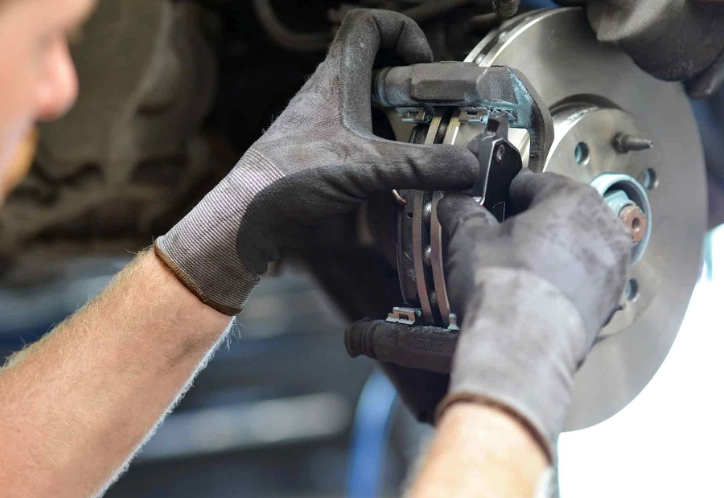
This is where most of the labor is. Each brake caliper is removed. The old pads are taken out. Then, critical steps many quick-lube places skip:
- Caliper Bracket Cleaning: Rust and debris build up where the pad clips sit. This must be wire-brushed clean, or the new pads won't slide smoothly, causing drag and premature wear.
- Caliper Pin Lubrication: The slide pins that allow the caliper to move are cleaned and re-lubricated with high-temperature silicone grease. Dry or seized pins are a top cause of uneven pad wear.
- Caliper Inspection: The piston boot is checked for tears. The piston itself is checked for seizing. If it doesn't retract smoothly, the caliper might need rebuilding or replacement.
4. Rotor/Disc Service
Rotors are measured for thickness and checked for parallel runout (warpage). The minimum thickness is usually stamped on the rotor hat. If they're within spec and not badly grooved or warped, they can be resurfaced ("turned") on a lathe to create a fresh, smooth surface. If they're too thin, they must be replaced. Using new pads on old, grooved rotors is a recipe for noise and poor braking.
5. Brake Fluid Exchange
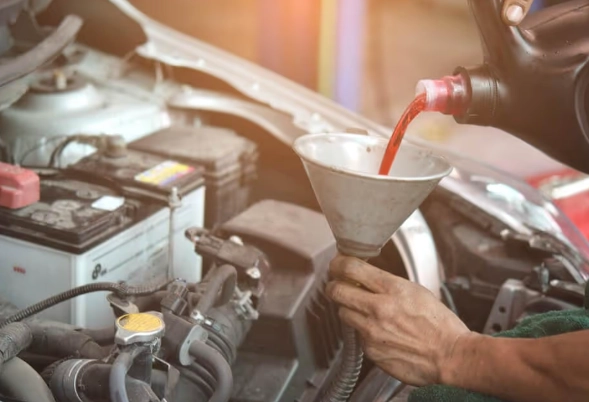
This is the most commonly missed item. Brake fluid is hygroscopic—it absorbs water from the air over time. Water lowers its boiling point and causes internal corrosion. A full service should include flushing the old fluid out of the entire system and replacing it with new, clean fluid that meets the DOT spec for your car (e.g., DOT 4). This is done using a pressure bleeder or the two-person pump-and-hold method at each wheel.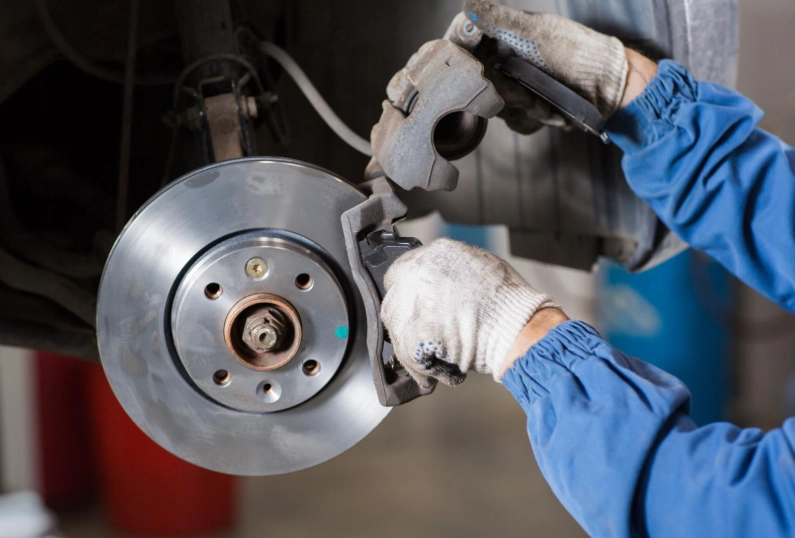
6. Final Assembly, Bedding-In, and Test
Everything is put back together with proper torque specs. After, there's a crucial step called "bedding in" the new pads and rotors. This involves a series of moderate stops to transfer an even layer of pad material onto the rotor surface. Finally, a post-service test drive confirms the repair eliminated the original complaint.
What Gets Replaced vs. What Gets Inspected
It's helpful to separate the "always replace" items from the "inspect and replace if needed" items. This is where estimates can vary.
Typically Replaced in a Full Service:
- Brake pads (all four wheels)
- Brake fluid (full flush)
- Brake hardware (spring clips, shims that come with new pad sets)
- Caliper slide pin boots (if cracked)
Inspected and Replaced as Needed:
- Brake rotors (resurfaced or replaced)
- Brake calipers (rebuilt or replaced if sticking)
- Brake hoses (replaced if cracked, bulging, or leaking)
- Drum brake components (if applicable: shoes, wheel cylinders, hardware, drums)
- Parking brake cables and mechanism
How Much Does a Full Brake Service Cost?
Cost is the big question. There's no single answer—it depends wildly on your vehicle and what parts are needed. A luxury SUV with performance brakes will cost multiples of a compact sedan.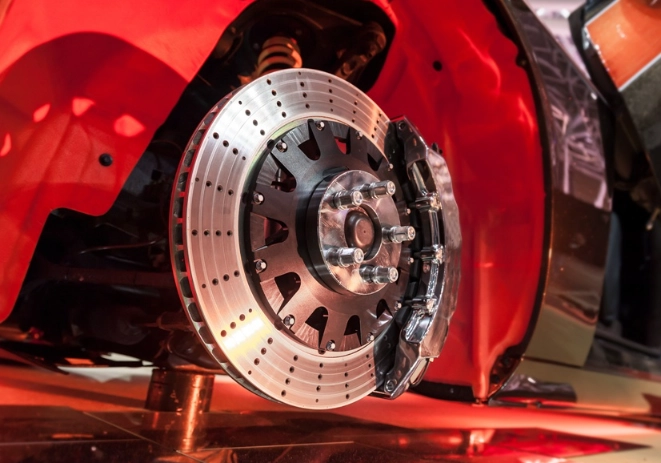
Let's break it down with realistic ranges. These are parts and labor for a quality independent shop, not a dealership.
| Vehicle Type | Service Scope (Typical) | Estimated Cost Range |
|---|---|---|
| Economy Sedan (e.g., Honda Civic, Toyota Corolla) | Replace pads, resurface rotors, fluid flush. | $350 - $600 (per axle) |
| Mid-Size SUV (e.g., Ford Explorer, Honda CR-V) | Replace pads and rotors, fluid flush. | $500 - $800 (per axle) |
| Performance/Luxury Car (e.g., BMW 3 Series, Audi A4) | Replace premium pads & rotors, fluid flush, possible caliper service. | $700 - $1,200+ (per axle) |
A key point most blogs don't mention: shops often quote per axle. The front brakes do about 70% of the work, so they wear faster. You might only need a full service on the front axle, while the rears just get an inspection and maybe a pad replacement. A true "full car" brake service addressing both axles could easily run $800 to $2,000+.
Always ask for a detailed estimate that separates parts and labor, and specifies whether rotors are being replaced or just resurfaced.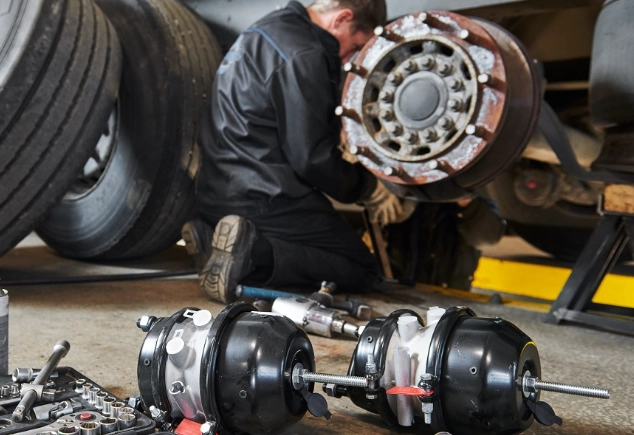
When Do You Really Need a Full Brake Service?
Don't wait for a metal-on-metal grinding sound. Here are the clear signals:
- The Squeal: Most pads have a small metal tab called a wear indicator that contacts the rotor when the pad is low. That's the designed-in squeal. It means you have about 20-30% pad life left. Time to plan the service.
- The Grind: You've missed the squeal. Now the pad backing plate is grinding the rotor. This is an emergency. You're damaging expensive rotors and risking brake failure.
- The Pulse: You feel a vibration or pulsation in the brake pedal when stopping, especially from highway speeds. This usually means warped rotors that need resurfacing or replacement.
- The Pull: The car pulls to one side when braking. This could be a stuck caliper, a collapsed brake hose, or contaminated pads on one side.
- The Soft or Low Pedal: The pedal goes closer to the floor before the brakes engage. This often points to air or moisture in the brake fluid, necessitating a flush, or could indicate worn brake components.
- The Mileage Marker: Even without symptoms, consider a brake inspection every 20,000-30,000 miles and a fluid flush every 2-3 years, as recommended by many manufacturers (check your owner's manual).
From the Shop Floor: Expert Insights & Common Pitfalls
After years in the shop, you see patterns. Here’s what most drivers don’t know.
The #1 Mistake Home Mechanics Make: Forgetting to lubricate the caliper slide pins or using the wrong grease (never use wheel bearing grease). A dry pin seizes, the pad wears unevenly, and you're back in six months. It seems trivial, but it's everything.
The Upsell That's Often Legit: Rotor replacement. Resurfacing is cheaper, but modern rotors are thinner from the factory. There often isn't enough material to safely cut them down. If a shop recommends new rotors, ask to see the micrometer reading versus the minimum thickness spec. They should be able to show you.
The Silent Killer: Old brake fluid. You can't see its boiling point dropping. In demanding driving (mountain roads, towing), it can boil, causing a sudden, terrifying loss of pedal pressure. A flush is cheap insurance.
My Personal Pet Peeve: Shops that replace pads but don't clean the caliper brackets. The new pads get stuck in the old rust, leading to premature wear, noise, and a callback the shop will blame on "cheap pads." It's lazy work.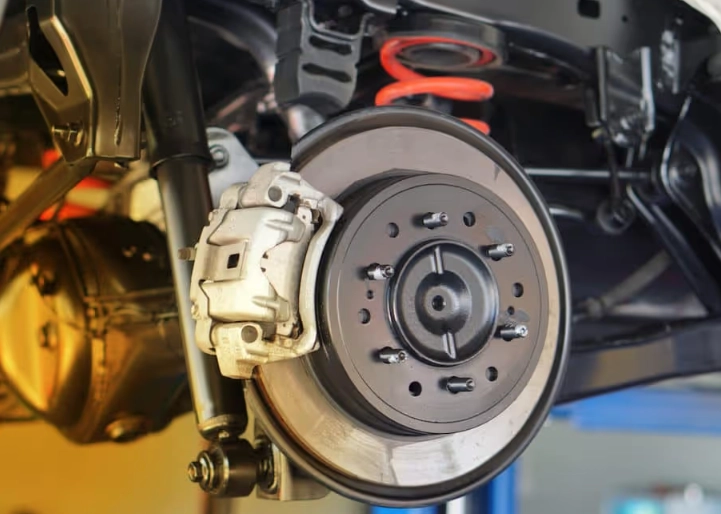
Your Brake Service Questions, Answered