Your Roadmap to This Guide
- What Are You Really Buying? The Sports Car Psychology
- The Pre-Purchase Deep Dive: Asking the Right Questions
- A Look at the Landscape: Sports Car Archetypes
- Spotlight: A Comparative Glance at Current Standouts
- Life With Your Sports Car: The Owner's Manual They Don't Give You
- Digging Deeper: Common Questions from the Driver's Seat
- The Final Checklist Before You Sign
Let's be honest. You're not just looking up specs and zero-to-sixty times. You're probably daydreaming about a winding road, the perfect downshift, and that feeling you can't quite get from a regular sedan. I get it. I've been there, scrolling through forums and videos at 2 AM. But here's the thing they don't always tell you in the glossy brochures: owning a sports car is a relationship, not just a transaction. It's amazing, frustrating, expensive, and utterly rewarding, often all in the same week.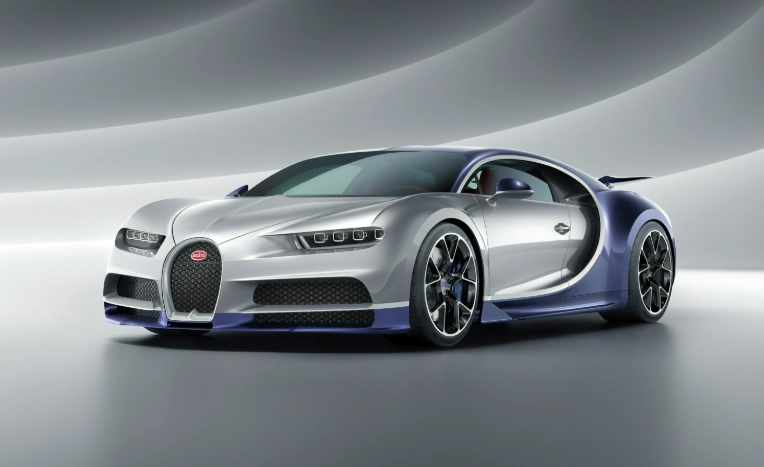
This guide isn't here to sell you a dream. It's here to walk you through the reality—the good, the bad, and the surprisingly costly. We'll talk about what actually makes a sports car tick, how to pick one that won't leave you stranded (or bankrupt), and what life is really like after you drive it off the lot.
The Core Idea: A sports car prioritizes the driving experience above all else. It's about communication. The steering tells you what the front tires are doing. The chassis talks to you through the seat. It’s a machine designed for feedback and involvement, where even a trip to the grocery store feels a bit more special.
What Are You Really Buying? The Sports Car Psychology
Before we dive into turbochargers and double-wishbone suspensions, let's talk about you. Why a sports car? For most people, it's a cocktail of reasons.
There's the obvious performance thrill. But it's deeper than that. It's about craftsmanship. There's a tangible joy in using a well-made thing, whether it's a chef's knife or a perfectly balanced gear lever. A good sports car feels like an extension of you, not just a tool to get from A to B. It demands your attention and rewards your skill. That engagement is a fantastic antidote to a world of touchscreens and passive entertainment.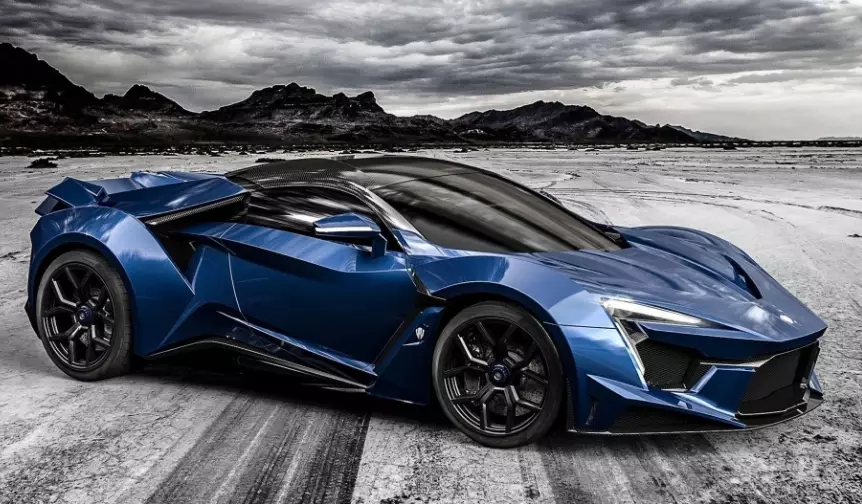
Then there's the design. Let's not pretend aesthetics don't matter. A beautiful sports car is a rolling sculpture. It sparks conversations. It makes you look back at it after you've parked. That emotional pull is a huge part of the package.
But here's a personal take: the community is a secret bonus. Wave at another sports car owner, and you'll usually get a wave back. Suddenly, you're part of a club. You'll find forums, local meets, and people who geek out over the same obscure details you do. It's surprisingly social.
The Flip Side: The Inconvenience Truth
Okay, time for some cold water. That low-slung, sleek body? It means a stiff ride. You'll feel every crack in the pavement. Road trips require strategic packing because trunk space is usually an afterthought. Getting in and out can be a gymnastic exercise, especially if you're taller. And let's talk about attention—not all of it is welcome. You might get unwanted revving at stoplights or nervous glances in parking lots.
My Experience: My first real sports car was a used model with a famously stiff suspension. I loved it on backroads. I hated it on my city's pothole-ridden highways. After a month, I found myself taking the long way home just to avoid certain streets. It taught me that your local roads matter as much as the car's spec sheet.
The Pre-Purchase Deep Dive: Asking the Right Questions
So you're hooked on the idea. Now, how do you choose? Throwing darts at a list of top-speed figures is a bad plan. You need a strategy.
New vs. Used: The Eternal Debate
Buying new is safe. You get a warranty, the latest tech, and that new-car smell. But you also eat massive depreciation the second you drive away. For a sports car, that first-year hit can be brutal.
Buying used is where the value often lies. Let someone else take the depreciation hit. The catch? You need to be diligent. A pre-purchase inspection (PPI) from a specialist mechanic is non-negotiable. Not a generalist, a specialist who knows the common failure points of that specific model. It might cost you $200-$300, but it can save you thousands. Look for a well-documented service history. A stack of receipts is worth more than a shiny wax job.
Key Factors Beyond the Brochure
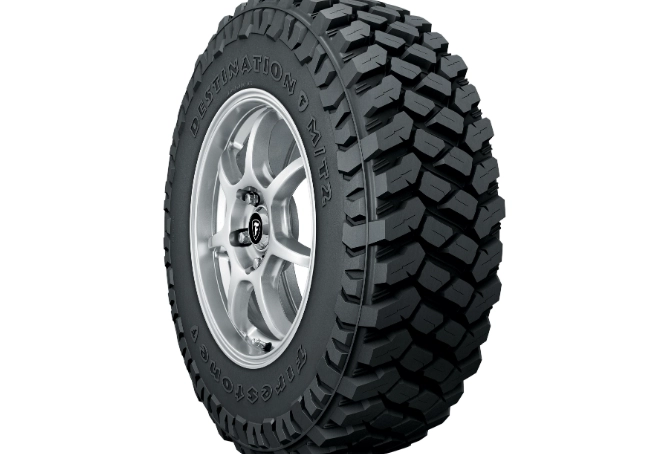
- Running Costs: Tires for performance cars wear faster and cost significantly more. Think $1,200+ for a set, not $600. Brake pads and rotors are pricier. Premium fuel is usually mandatory. Do the math before you commit.
- Daily Viability: Can you live with it? Is the ride too harsh for your commute? Is there enough ground clearance for your driveway? Can you fit your golf clubs or weekend luggage? Be brutally honest with yourself.
- Modification Culture: Some sports cars have huge aftermarket support. This is great for personalization but terrible if you're looking at a used car that's been heavily modified by a previous owner. A modified car is often a red flag unless you know and trust the work.
The Golden Rule of Sports Car Shopping
Always, always test drive. And not just around the block. Get it on a highway. Take it over rough pavement. Try the seats for an hour, not ten minutes. A car that feels thrilling in a YouTube review might feel exhausting in your daily life. Your backside and your budget will thank you.
A Look at the Landscape: Sports Car Archetypes
Not all sports cars are created equal. They tend to fall into a few camps, each with a different personality. Think about which one matches your lifestyle.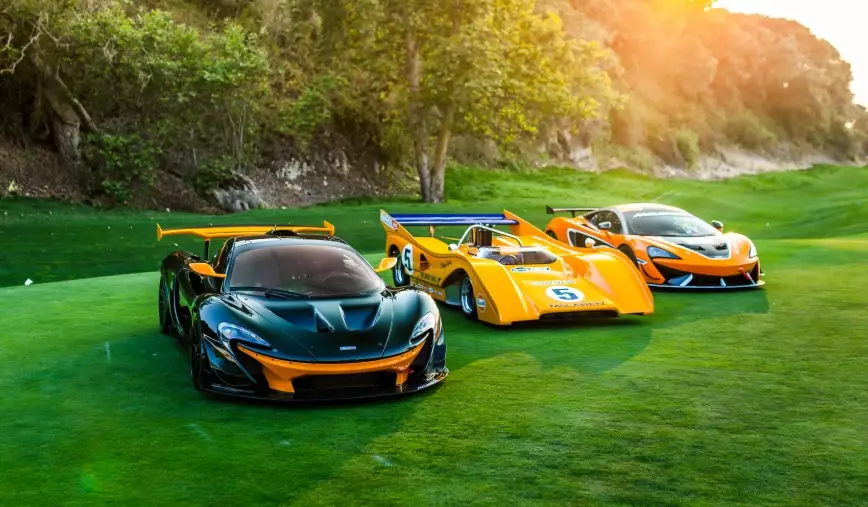
The Pure-Bred Roadster
Think Mazda MX-5 Miata, Porsche Boxster. Lightweight, rear-wheel drive, often with a convertible top. The focus is on balance and open-air joy, not straight-line speed. They're often more affordable to run and incredibly fun at legal speeds. If you love the feeling of driving more than bragging rights, this is your zone.
The Grand Tourer (GT)
Think Porsche 911 Carrera, Aston Martin Vantage. These blend high performance with enough comfort and luggage space for a cross-country trip. They're more powerful and expensive than roadsters but are engineered to be livable. You pay for the duality.
The Track-Focused Weapon
Think Chevrolet Corvette Z06, Porsche 911 GT3. These are minimally compromised machines derived from racing. Stiff suspension, loud cabins, and extreme performance. They are spectacular on a track and often punishing on the street. A weekend toy, not a daily driver for most.
The Modern Performance Coupe
Think BMW M2, Toyota GR Supra. These often bridge the gap, offering thrilling performance with modern amenities and (relative) practicality. They're a fantastic sweet spot for many enthusiasts who need one car to do it all.
Where does your dream fit?
Spotlight: A Comparative Glance at Current Standouts
Let's put some names to the categories. This isn't a definitive "best" list—that's impossible—but a snapshot of highly regarded models that define their segments. Prices are approximate starting points for new models.
| Model | Archetype | Key Character | Starting Price (USD) | Best For... |
|---|---|---|---|---|
| Mazda MX-5 Miata | Pure-Bred Roadster | Lightweight, playful, affordable joy. It's a masterclass in feel over power. | ~$30,000 | The driver who values connection and smiles-per-dollar above all. |
| Porsche 718 Boxster/Cayman | Roadster / Coupe | Mid-engine perfection, sublime handling, premium build. The benchmark for balanced sports cars. | ~$70,000 | The enthusiast seeking engineering excellence and daily usability. |
| Toyota GR Supra | Performance Coupe | Turbocharged punch, sharp styling, a focused driver's cockpit. Co-developed with BMW. | ~$46,000 | Someone wanting modern tech and potent performance in a stylish package. |
| Chevrolet Corvette Stingray | GT / Performance | American V8 roar, now with mid-engine exotic layout. Stunning value for the performance. | ~$67,000 | The power-hungry driver who wants supercar-adjacent thrills for a fraction of the cost. |
| Porsche 911 Carrera | Grand Tourer | The icon. Blends everyday comfort with supernatural performance and timeless design. | ~$110,000 | The buyer looking for the ultimate all-rounder with unmatched heritage. |
Remember, the best sports car for you is the one that fits your life, not just the one with the highest top speed on paper.
Life With Your Sports Car: The Owner's Manual They Don't Give You
You've signed the papers. Now what? The ownership phase is where the fantasy meets your calendar and your bank account.
Maintenance: Not a Suggestion, a Religion
Neglecting maintenance on a regular car is bad. On a high-strung, high-performance sports car, it's financial suicide. Follow the manufacturer's severe service schedule if you drive it hard (and you will). Oil changes are more frequent. Use the exact fluids specified. This isn't the place for bargain-bin parts.
Find a good independent mechanic who specializes in your brand. Dealer service is consistent but pricey. A trusted specialist can offer better care for less money. Resources like the International Automotive Technicians' Network (iATN) can help you understand common issues, though finding a mechanic is often about local forums and word-of-mouth.
I learned the hard way about using the wrong brake fluid on a track day. The pedal went spongy after a few hot laps. A $50 bottle of high-temperature fluid solved it. The point? These machines are precise. The right stuff matters.
Insurance and Depreciation
Call your insurance agent before you buy. Rates can be shocking for high-performance models, especially for younger drivers. Shop around. Consider agreed-value policies for classic or special editions.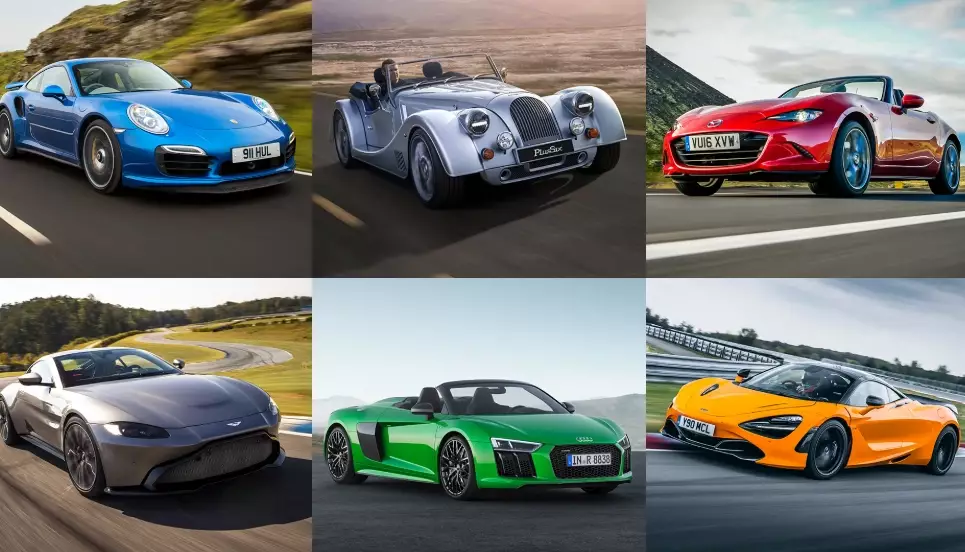
Depreciation is a silent cost. Some sports cars, like the Porsche 911, hold their value remarkably well. Others plummet. Do your research on historical values. Sites like Hagerty provide great data and insight on collector car valuations and trends, which can inform your purchase even for modern models.
Storage and Winter
If you live in a snowy area, you'll need a plan. Summer performance tires are dangerous below 40°F—the rubber hardens like plastic. You'll need a set of winter tires or a dedicated winter beater car. Also, think about where you'll park it. A garage is ideal for security and protecting the paint. If you don't have one, a high-quality car cover is a must.
Digging Deeper: Common Questions from the Driver's Seat
Let's tackle some of the specific things people whisper about in online forums.
It's a myth that they're all unreliable. Many modern sports cars are built on reliable mainstream platforms. A Toyota GR Supra shares DNA with a BMW Z4. A Porsche is engineered to a very high standard. The problems often arise from complex, forced-induction engines or from owners who neglect them. Research the specific model year and powertrain. Some are rock-solid; others have known, expensive issues.
Absolutely, but with caveats. A Porsche Cayman or a BMW M240i can be a fantastic daily. A track-spec McLaren would be awful. It comes down to the specific car's ride comfort, noise levels, storage, and operating costs. You have to want the experience every single day, bumps and all.
Modern sports cars are incredibly safe. They have advanced stability control, strong structures, and multiple airbags. Their low weight and high performance can actually help you avoid accidents. However, the high power demands respect. The National Highway Traffic Safety Administration (NHTSA) and the Insurance Institute for Highway Safety (IIHS) crash-test many sports cars, and their ratings are a valuable resource. The risk is often more about driver behavior than the car's design.
This is the big debate. Electric sports cars (like the upcoming Porsche Boxster EV or the Tesla Model S Plaid) offer insane, instant torque and a low center of gravity. They're blisteringly fast. But many enthusiasts miss the manual gearbox, the engine sound, and the mechanical feedback of a traditional sports car. The visceral theater is different. It's not better or worse, just a new flavor. The environmental impact is also complex, depending on your energy source. The U.S. Environmental Protection Agency (EPA) provides fuel economy and emissions data, while understanding an EV's full lifecycle impact requires deeper research.
The Verdict? Drive both. The electric experience is futuristic and potent. The gas-powered experience is sensory and traditional. Your heart will tell you which one sings to you.
The Final Checklist Before You Sign
You're almost ready. Run through this list one last time.
- Budgeted for total cost: Purchase price + taxes + insurance + maintenance + tires + fuel.
- Completed a thorough test drive on roads you normally use.
- Gotten a PPI from a model-specific specialist (if buying used).
- Checked insurance quotes and found them acceptable.
- Have a practical plan for where to park and store it.
- You're buying it for your enjoyment, not just for the image.
Choosing the right sports car is a deeply personal journey. It's about finding the machine that matches your desires, your practical realities, and your budget. It won't be the most rational purchase you ever make—but the best ones rarely are. The goal is to make an informed emotional decision.
When you find the right one, you'll know. The numbers will fade away, and all that will be left is you, a stretch of road, and a grin that's hard to wipe off your face. Good luck out there.