Quick Guide
Let's talk about convertibles. That image in your head – wind in your hair, sun on your face, cruising down a coastal highway – it's powerful, isn't it? It's the dream car for a lot of us. But then the practical side of your brain kicks in. What about rain? What about noise? Are they expensive to fix? I've been there. I've owned a couple of drop-tops over the years, and let me tell you, the reality is a mix of that dream and some very real trade-offs. This isn't a glossy brochure; it's a straight-talking guide to help you figure out if a convertible is right for you, and if so, how to navigate the choices without regret.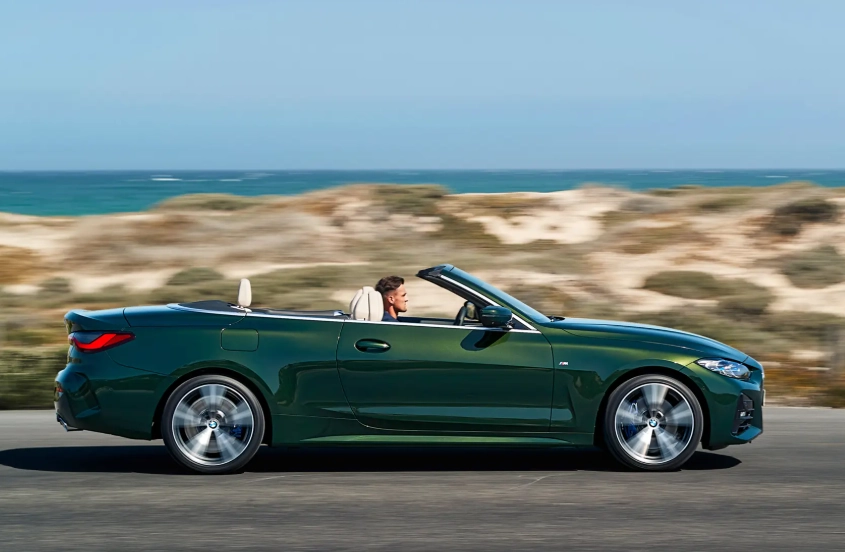
The Core Question: A convertible (or cabriolet, drop-top, roadster) is a car with a retractable roof. That's the simple definition. The complex part is everything that comes with that single feature – the feel, the cost, the lifestyle. It's less about getting from A to B and more about the experience of the journey.
The Big Choice: Soft Top vs. Hard Top Convertibles
This is your first major fork in the road. The type of roof defines a huge part of the convertible's character, cost, and practicality.
The Classic Soft Top
Think fabric. Vinyl or cloth stretched over a frame. This is the traditional convertible look and feel. My first convertible was a soft top, and there's a raw, classic charm to it. The operation is usually simple and fast. But oh boy, can it be noisy on the highway. You feel more connected to the environment, for better or worse. In winter, it felt noticeably colder near my head, and security was always a tiny nagging thought in the back of my mind, though modern linings and materials are much better.
The Modern Retractable Hardtop
This is the engineering marvel. With the push of a button, a series of metal panels fold and tuck away, transforming a coupe into a convertible. I switched to one later, and the difference in cabin noise and insulation with the roof up is night and day. It feels more secure, more like a "normal" car when you need it to be. But there are downsides. The mechanism is complex (more things to potentially go wrong), it's heavier, and it often eats into your trunk space significantly when down. You also lose that classic, sleek convertible profile when the top is down – the stacked panels can look a bit bulky.
| Feature | Soft Top Convertible | Hard Top Convertible |
|---|---|---|
| Noise Insulation | Louder, more road/wind noise | Quieter,接近 coupe-like |
| Security | Perceived as less secure (fabric) | Feels more secure (metal roof) |
| Trunk Space (Top Down) | Usually better preserved | Often severely reduced |
| Weight & Complexity | Lighter, simpler mechanism | Heavier, complex mechanism |
| Classic "Look" | The iconic folded fabric profile | Can look bulky when stowed |
So which is better? There's no winner. It's about priority. Want lower cost, less weight, and that pure experience? Soft top. Want year-round comfort, security, and a quiet cabin? Hardtop. You really need to test drive both.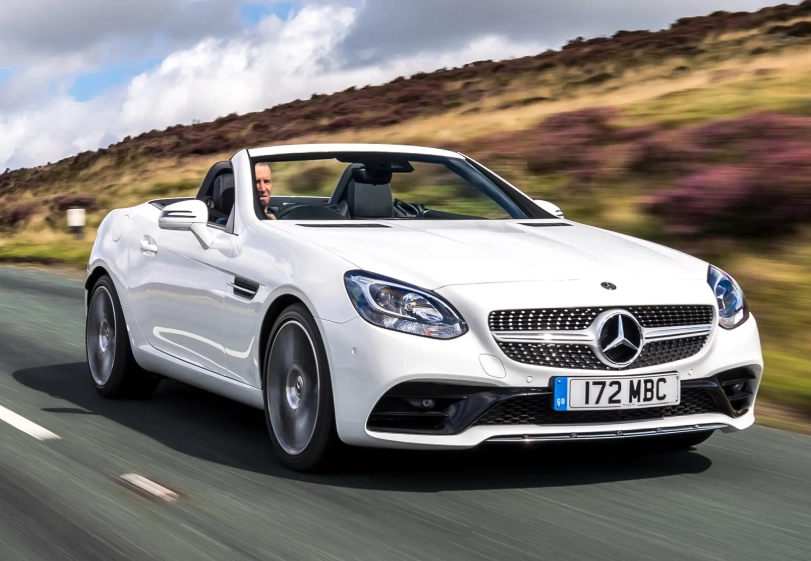
What Nobody Tells You: The Ownership Realities
Here's the stuff you won't see in the commercials. This is where you decide if you're a realistic convertible owner or just a dreamer.
The Cost Conversation (Beyond the Sticker Price)
Yes, a convertible usually costs more than its fixed-roof sibling. But the hidden costs are what matter. Insurance can be higher – you're seen as a higher risk. I was surprised by my first quote. Maintenance is key. Soft tops need cleaning and conditioning to avoid mold and cracking. You can't use a regular car wash brush on them. A torn roof is a four-figure repair. Hardtop mechanisms are generally reliable, but if they fail, it's a specialist job that can be very expensive. Always, *always* get a pre-purchase inspection that includes a thorough check of the roof's operation, seals, and history.
Daily Life with a Drop-Top
Is a convertible practical? It depends on your definition. If you need to haul family and gear every day, probably not. But as a second car or for someone without kids? Absolutely. The trunk is compromised. Road noise is a fact of life, even with hardtops. You'll get more sun exposure, so sunscreen in the car is a must. And yes, you will get caught in unexpected rain sometimes. Modern drains can get clogged with leaves, leading to interior leaks – a common issue to watch for.
But then there are the days that make it all worth it. The evening drive as the sun sets. The weekend trip where the journey becomes the destination. That feeling is real, and it's hard to put a price on it.
My Personal Take: I loved my convertibles, but I sold my last one when my daily commute became a noisy, stop-start grind. It just didn't make sense. Now, I'd only consider one as a fair-weather weekend car. That's my reality check for you.
Navigating the Convertible Market: Models for Every Mindset
You've decided you can live with the quirks. Great! Now, what to buy? The market is diverse. Let's break it down not just by price, but by purpose.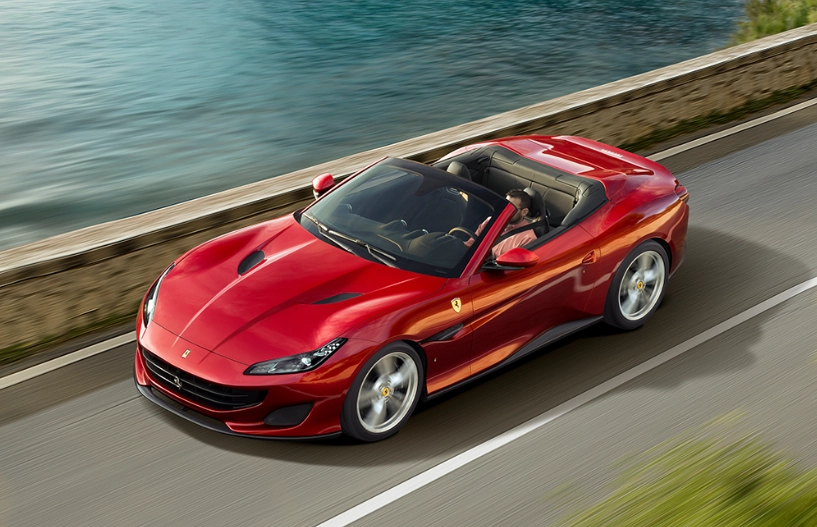
The Affordable Fun Brigade
These are the gateway convertibles. They prove you don't need a huge budget to enjoy open-air motoring.
- Mazda MX-5 Miata: The undisputed king of affordable, pure driving joy. Lightweight, rear-wheel drive, perfect balance. The soft top is a masterpiece of simplicity. It's tiny and not practical, but that's the point. For driving enthusiasts on a budget, there is no better starting point for a convertible experience.
- Ford Mustang Convertible: American muscle, now available with wind in your hair. You get a lot of power and presence for the money. The V8 rumble from a drop-top is an experience. It's less nimble than a Miata but offers a different kind of brute-force thrill.
- Mini Cooper Convertible: Quirky, stylish, and surprisingly fun to drive. It retains more practicality than most with a usable back seat. It's about urban cool and playful handling rather than outright speed.
The Daily Driver Contenders
These are convertibles you could legitimately live with every day, offering more space and refinement.
- Audi A5 / S5 Cabriolet: The benchmark for a premium, refined, four-seat hardtop convertible. The interior quality is superb, the ride is comfortable, and with the roof up, it's as quiet and solid as the coupe. It's expensive, but it minimizes the traditional convertible compromises better than almost anything else. It's what I'd buy if I wanted one car to do it all.
- BMW 4 Series Convertible: Another excellent hardtop option with a sportier driving bias than the Audi. The driving dynamics are sharp, and the rear seats are slightly more usable than in some rivals.
- Volkswagen Beetle / Golf-based Cabriolets (used): These older models are worth a look on the used market for no-fuss, front-wheel drive practicality. They're not the sportiest, but they offer a relaxed, sunny driving experience.
Remember, the used market is a goldmine for convertibles. Depreciation can be steep, so a 3-5 year old model often represents fantastic value. Just be extra vigilant about maintenance history and roof condition.
Your Convertible Questions, Honestly Answered
Let's tackle the specific things people type into Google when they're thinking about a convertible.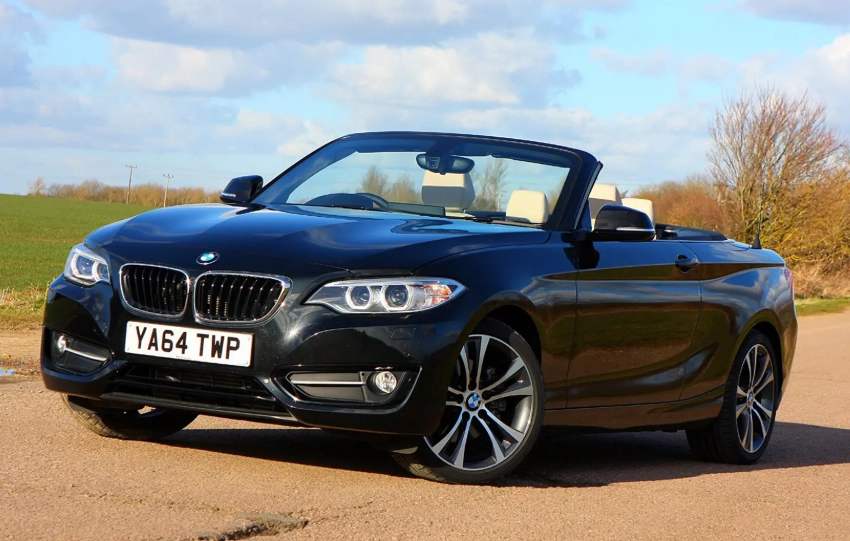
The Final Verdict: Should You Buy a Convertible?
Look, a convertible is an emotional purchase. Logically, you get less car for more money. You accept compromises in space, cost, and sometimes comfort. The decision to buy a convertible car shouldn't be based on a spreadsheet.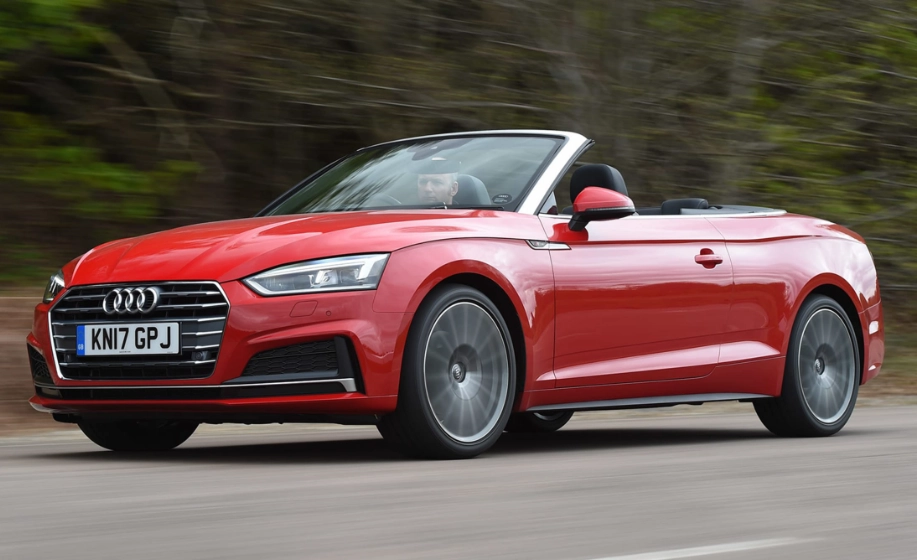
It should be based on a feeling. If the idea of an open-top drive brings a genuine smile to your face, if you can accept the quirks as part of the character, and if your lifestyle (or garage space) allows for a slightly less practical vehicle, then yes, it is absolutely worth it.
Start by renting one for a weekend. Live with it. See if the novelty wears off or if it becomes something you crave. Do your homework on models, lean towards a well-maintained used example to avoid the worst depreciation, and get that pre-purchase inspection.
Owning a convertible isn't about having the perfect car. It's about having the perfect experience, on those days when the weather, the road, and your mood align. And for that, there's simply no substitute.