Quick Navigation
- What Exactly Is a Sedan, Anyway?
- The Sedan's Identity Crisis: Are They Still Relevant?
- The Good, The Bad, and The Practical
- A Quick Tour of the Sedan Landscape
- What to Look For When You're Shopping
- The Elephant in the Room: Sedan vs. SUV
- The Future is Electrifying (Literally)
- Answering Your Big Sedan Questions
- Final Thoughts Before You Sign
Let's talk about sedans. You know, those cars with the separate trunk, the ones that aren't SUVs or hatchbacks. For a while there, it felt like everyone was shouting from the rooftops that the sedan was dead, killed off by the crossover craze. Walk into a dealership today, and the salesperson might try to steer you straight to the SUV lot before you even finish your sentence.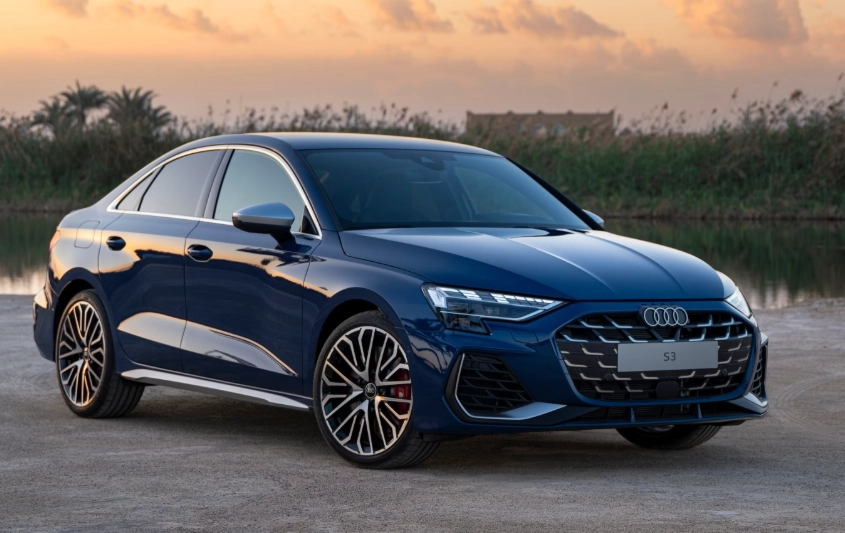
But here's the thing I've noticed—they're not gone. Far from it. In fact, for a whole bunch of people, a sedan still makes a ton of sense. Maybe you're one of them. Maybe you're tired of climbing up into a tall vehicle, or you just miss the way a car feels planted on the road. The problem is, with all the noise about SUVs, finding clear, honest info about today's sedans can be a real chore.
That's what this is for. I'm not here to sell you anything. I've owned a few sedans over the years, from a boring-but-brilliant commuter to a sporty one that put a smile on my face every morning. I've also made the mistake of buying one that was completely wrong for my life at the time. This guide is the result of all that experience, plus a lot of digging into what makes a modern sedan tick. We'll cut through the marketing and look at what these cars are actually like to live with.
What Exactly Is a Sedan, Anyway?
It sounds basic, but definitions have gotten fuzzy. Traditionally, a sedan is a passenger car with a three-box configuration: one box for the engine, one for the passengers, and a third, separate box for the trunk. That separate trunk (or "boot" in some places) is the key. It's not a hatchback, where the rear window lifts with the trunk lid. This design goes back decades, and it creates a specific driving and ownership experience.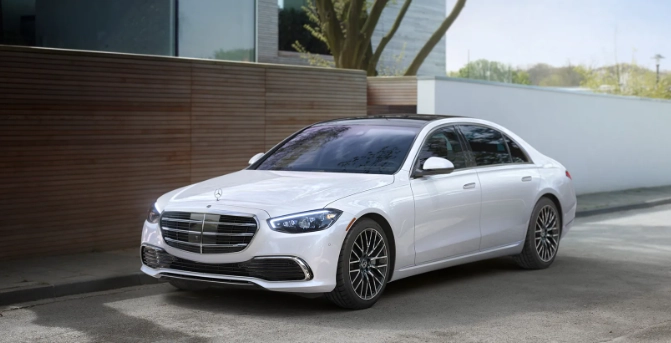
Why does this matter?
That closed-off trunk offers some real benefits. It provides better security for your groceries or luggage—stuff isn't visible through a rear window. It also does a decent job of isolating trunk smells (think gym bags or a big takeout order) from the cabin. But, and it's a big but, it limits your options. Need to haul a tall potted plant or a piece of flat-pack furniture? That fixed opening can be a real headache. I learned this the hard way trying to fit a floor lamp home from the store. Let's just say it involved a lot of creative angling and a few choice words.
The Sedan's Identity Crisis: Are They Still Relevant?
Look, I get the SUV appeal. The high seating position makes people feel safe and commanding. The easy cargo space is undeniable. Automakers love them because they can charge more for them. So, where does that leave the humble sedan?
In a surprisingly good spot, actually. Because while everyone chased SUVs, the sedan evolved. It doubled down on its core strengths. Today's sedans are often more fuel-efficient than their SUV counterparts built on the same platform. They handle better, with lower centers of gravity that reduce body roll in corners. They're frequently more affordable to buy and maintain. For a driver who values the actual experience of driving—the connection to the road, the efficiency, the lower cost—the sedan is far from obsolete. It's just more focused.
The modern sedan isn't trying to be an SUV. It's a refined, purpose-built tool for efficient, engaging transportation. It's for people who see a car as more than just an appliance to move stuff.
The Good, The Bad, and The Practical
Let's break it down without the sugar-coating. Is a sedan right for you? It completely depends on your life.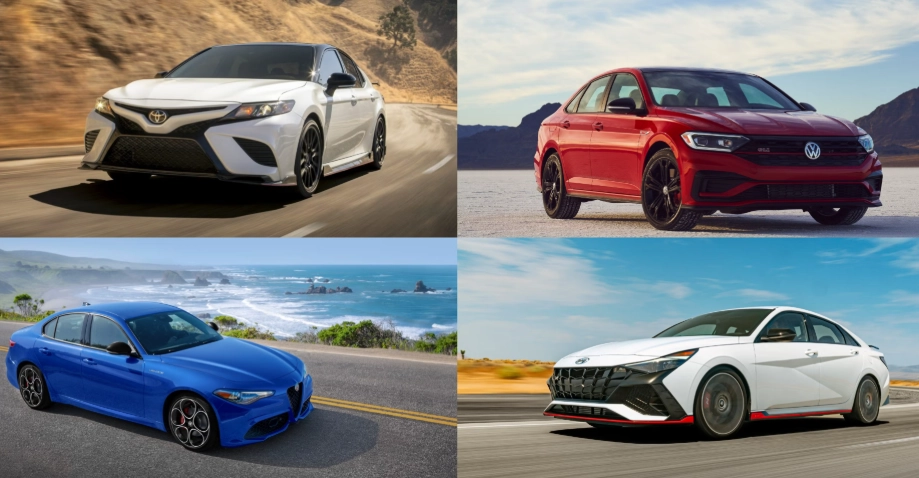
Why You Might Love a Sedan (The Pros)
Driving Dynamics: This is the big one for me. A good sedan feels planted. It goes where you point it without the top-heavy feel of many SUVs. The lower ride height translates to less body lean in corners, which makes for a more confident and, frankly, more enjoyable drive, especially on winding roads.
Fuel Efficiency: Physics is simple. A lower, sleeker shape cuts through the air with less resistance than a tall, boxy one. A sedan typically has a lower curb weight than a comparable SUV. This almost always means better gas mileage or longer electric range if we're talking EVs. With fuel prices being what they are, this isn't a small thing. The U.S. Department of Energy's fueleconomy.gov site is a fantastic resource to compare real-world numbers side-by-side.
Value for Money: Generally, you get more features for your dollar with a sedan. The starting price for a mid-size sedan is often thousands less than a mid-size SUV from the same brand. That money can go towards a higher trim level, better sound system, or just stay in your bank account.
Ease of Use: Getting in and out is easier for many people, especially kids or older adults. No climbing up or stepping down. Loading things onto a roof rack (if you need one) is simpler. Washing the roof at the car wash? A breeze.
Where Sedans Can Fall Short (The Cons)
Cargo Flexibility: This is the most common deal-breaker. That fixed trunk opening is a limitation. While total trunk space (measured in cubic feet) can be generous, the shape and access point are restrictive. IKEA trips require serious planning. A dog that loves to stick its head out the back? Not possible.
Ground Clearance: If you regularly drive on deeply rutted dirt roads, through heavy snow before the plows come, or need to navigate flooded streets, a sedan's low ground clearance is a legitimate disadvantage. An SUV or crossover will handle those conditions more easily.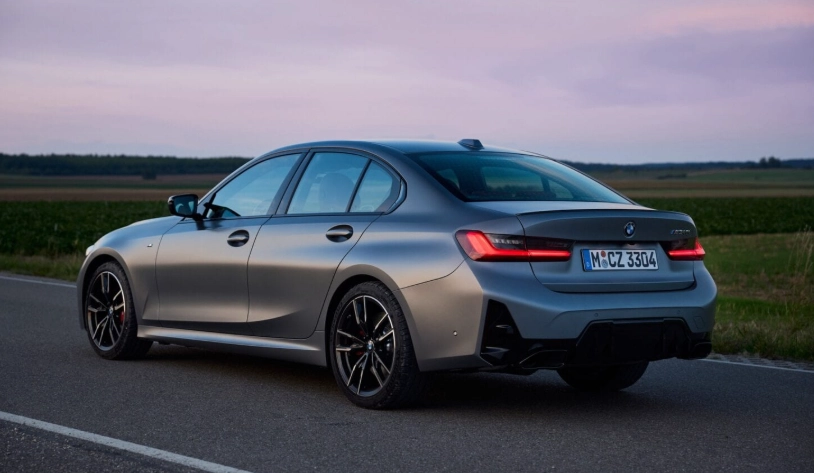
Perceived Safety: I say "perceived" because the data often tells a different story. People feel safer up high. In reality, modern sedans are incredibly safe, earning top marks in crash tests. The Insurance Institute for Highway Safety (IIHS) consistently gives Top Safety Pick+ awards to sedans. The feeling of safety and actual safety aren't always the same thing.
Passenger Space (in the back): While sedans have great legroom, the sloping roofline of many modern designs can eat into headroom for taller rear-seat passengers. If you regularly carry adults in the back, this is something you must check in person.
A Quick Tour of the Sedan Landscape
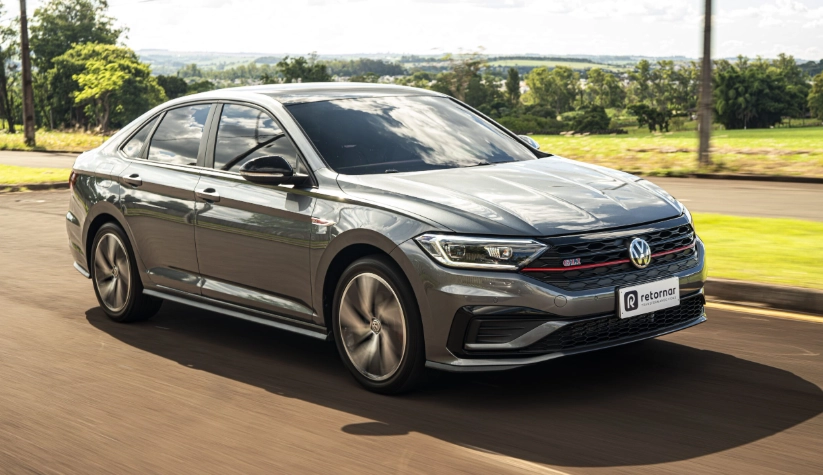
Not all sedans are created equal. The category has splintered into specific types targeting different needs. Here’s a quick look at who's who.
| Sedan Type | What It Is | Best For... | Example Models |
|---|---|---|---|
| Subcompact | The smallest, most affordable category. Perfect for city dwellers. | First-time buyers, tight parking, ultimate fuel economy. | Honda Civic, Toyota Corolla, Hyundai Elantra |
| Midsize | The sweet spot for most families. Balances space, comfort, and cost. | Daily commuting, family road trips, all-purpose reliability. | Toyota Camry, Honda Accord, Hyundai Sonata |
| Full-Size | Maximum space and comfort. A traditional "American" car feel. | Drivers who prioritize rear-seat luxury and a silky-smooth ride. | Kia K900, Genesis G90 |
| Luxury | Premium materials, advanced tech, and powerful engines. | Those seeking status, cutting-edge features, and refined performance. | BMW 3 Series, Mercedes-Benz C-Class, Tesla Model 3 |
| Sport/Sporty | Prioritizes handling and acceleration over plush comfort. | Drivers who love driving, even on their daily commute. | Mazda 3, Subaru WRX, Acura TLX |
See how the humble sedan has diversified? There's a flavor for almost every taste and budget now.
What to Look For When You're Shopping
Okay, you're considering a sedan. Walking into a dealership or scrolling through listings can be overwhelming. Let's focus on what matters beyond the color.
The Non-Negotiables
Trunk Space & Opening: Don't just read the cubic feet number online. Go see it. Bring your largest regular cargo item—a stroller, a golf bag, your weekend hockey gear. Can you get it in and out easily? Is the trunk liftover height (the ledge you have to lift things over) too high?
Rear Seat Comfort: If you'll have passengers, have the tallest person in your family sit back there. Is there enough headroom? Legroom? Can they see out without feeling claustrophobic?
Visibility: Some modern sedans have thick rear pillars and small windows, creating big blind spots. Sit in the driver's seat and check your sightlines. Can you see the corners of the car? How bad are the blind spots over your shoulders?
This one bit me.
My sporty sedan had a rear window the size of a large envelope. Backing up without the camera was an act of faith. The camera was great, but I shouldn't have been totally reliant on it.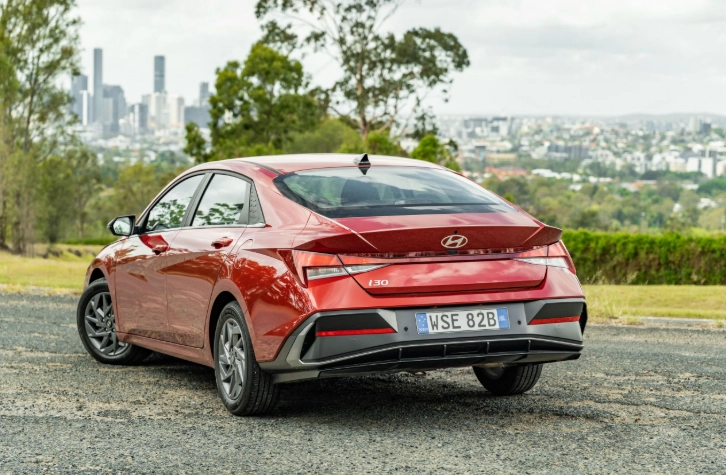
The "Nice-to-Have" Features That Are Now Almost Essential
- Adaptive Cruise Control: It maintains a set distance from the car ahead on the highway. On long trips, it reduces driver fatigue dramatically. After using it, I find it hard to go back.
- Apple CarPlay/Android Auto: This seamlessly projects your phone's navigation and music apps onto the car's screen. It makes the car's built-in infotainment system almost irrelevant and is far more intuitive.
- Heated Seats & Steering Wheel: If you live anywhere cold, these are game-changers for comfort. They often heat up faster than the cabin air.
- A Good Safety Suite: Automatic Emergency Braking, Blind-Spot Monitoring, and Rear Cross-Traffic Alert are no longer just luxury items. They provide a real safety net. Check the National Highway Traffic Safety Administration (NHTSA) ratings for crash test results.
The Elephant in the Room: Sedan vs. SUV
You're probably weighing this exact choice. Let's make it simple.
Choose a sedan if: Your driving is mostly on paved roads. You prioritize fuel economy and a lower purchase price. You enjoy a more connected, agile driving feel. You don't regularly need to transport very tall or bulky items. Easy entry/exit is important for your passengers.
Look at an SUV/Crossover if: You need maximum cargo flexibility and a tall, square opening. You frequently drive on rough or unmaintained roads. You need higher ground clearance for snow or floods. You tow small trailers regularly. The commanding driving position is a must-have for you.
It's not about one being universally better. It's about which tool is better for your specific job. For pure driving pleasure and efficiency on tarmac, the sedan still has the edge.
The Future is Electrifying (Literally)
The shift to electric vehicles is changing the sedan game in fascinating ways. Without a massive engine block, designers can stretch the wheelbase (the distance between the wheels) to create incredible interior space within a relatively compact exterior footprint. The battery pack in the floor gives them an even lower center of gravity, making them incredibly stable and fun to drive.
Models like the Tesla Model 3, Hyundai Ioniq 6, and Polestar 2 are proving that the electric sedan can be a compelling, even desirable, package. They offer silent operation, instant torque, and low running costs. The charging infrastructure is the main hurdle, not the sedan body style itself. If you have a place to charge at home, an electric sedan can be a brilliant daily driver.
Answering Your Big Sedan Questions
Let's tackle some of the specific things people type into Google when they're thinking about a sedan.
Are sedans safer than SUVs?
It's a mixed bag. Modern sedans perform exceptionally well in crash tests. Their lower ride height and car-like handling can help them avoid accidents in the first place through better evasion capabilities. However, in a direct collision between a sedan and a much larger, heavier SUV, physics favors the bigger vehicle. The key is to look at the safety ratings for the specific models you're comparing from IIHS and NHTSA. A top-rated sedan is far safer than a poorly-rated SUV.
Is a sedan a good family car?
For many families, absolutely. Midsize sedans like the Honda Accord or Toyota Camry have huge back seats and large trunks that can easily swallow strollers, diaper bags, and luggage for a trip. They are often easier to get car seats in and out of than some SUVs due to the lower seat height. The main limitation is again the trunk shape for bulky items like a double stroller or a large pet carrier. For one or two kids, a sedan is often perfect. For three kids requiring three car seats across the back, or if you need to regularly haul sports gear, you might start to feel the squeeze.
Why are sedans cheaper than SUVs?
Several reasons. They generally use less material (smaller body, less metal and glass). They are often built on simpler, older platforms that have been paid off. The profit margins for automakers on SUVs are significantly higher, so they have less incentive to discount them. There's also simple supply and demand—high SUV demand lets manufacturers keep prices firm, while lower sedan demand creates more room for negotiation and incentives.
Do sedans get better gas mileage?
Almost always, yes. Compare a Toyota Camry sedan to a Toyota RAV4 SUV with similar engines. The Camry will consistently post better MPG numbers. The aerodynamic shape and lower weight are the reasons. You can verify this for any comparison on the EPA's fueleconomy.gov site. This translates directly to money saved at the pump.
What is the most reliable sedan?
Historically, brands like Toyota and Honda have dominated reliability rankings for their core sedan models (Corolla, Camry, Civic, Accord). In recent years, Korean brands like Hyundai and Kia have closed the gap significantly, offering long warranties to back their confidence. Luxury brands can be more of a mixed bag long-term. For the latest data, resources like Consumer Reports and J.D. Power dependability studies are worth consulting, but remember that even within a brand, some models are more reliable than others.
Final Thoughts Before You Sign
Look, buying a car is a big decision. Don't get swept up in the trends. The sedan offers a compelling, rational choice for a huge number of drivers. It rewards you with a better driving experience, lower costs, and often, a better value proposition.
My advice? Be honest about your needs. Make a list of what you actually transport 95% of the time. Think about where you drive. Then, go test drive. Don't just sit in it—drive a sedan back-to-back with an SUV you're considering. Feel the difference in the corners. Notice the ease of parking. Calculate the potential fuel savings over five years.
The sedan isn't for everyone. But for those who appreciate its particular blend of virtues, it remains one of the smartest, most satisfying choices on the road. It's a testament to the idea that sometimes, the best tool for the job is the one that's been refined over decades to do its specific job exceptionally well. And that job, for a great sedan, is to take you from A to B with efficiency, comfort, and maybe even a little bit of joy along the way.