Explore the Guide
- Why a Hatchback? The Core Appeal
- The Other Side of the Coin: Hatchback Drawbacks
- Hatchback vs. Sedan vs. SUV: Where Does It Fit?
- Finding Your Perfect Hatchback: A Guided Tour
- Before You Sign: The Hatchback Buyer's Checklist
- Living With Your Hatchback: Pro-Tips & Tricks
- Answering Your Hatchback Questions
Let's talk about hatchbacks. My first car was a hatchback—a little, unassuming silver thing I bought for a song. It wasn't fast, it wasn't fancy, but man, was it useful. I moved apartments with it three times. I hauled a surprising amount of lumber for a DIY bookshelf project (don't ask about the scratches). It took me on road trips where the back seats folded flat into a passable nap zone. That car taught me what a hatchback is really about: pure, unadulterated practicality wrapped in a surprisingly fun package.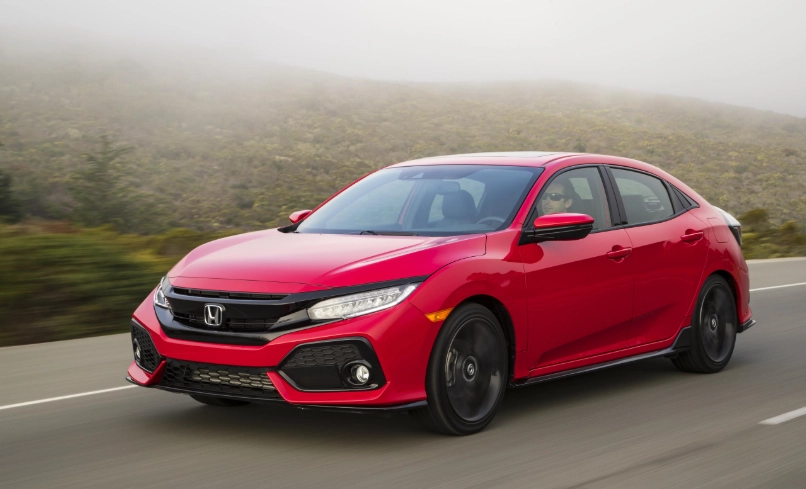
If you're reading this, you're probably wondering if a hatchback is right for you. Maybe you've seen them zipping around town and wondered about that fifth door. Or maybe you're tired of trying to cram a big box into a sedan's tiny trunk opening. You're in the right place. This isn't a dry spec sheet comparison. This is a deep dive from someone who's lived with them, loved them, and knows their quirks.
Why a Hatchback? The Core Appeal
People don't just buy a hatchback because it's a car. They choose it for a specific lifestyle. Let's break down the magnetic pull.
The number one reason is utility. That liftgate is a game-changer. Need to load a tall potted plant? A bicycle without taking the wheels off? A piece of flat-pack furniture? The hatchback says "no problem." The opening is just massive compared to a trunk lid. I remember helping a friend move a small washing machine. My old hatchback swallowed it with the hatch closed. His sleek sedan? We had to tie the trunk down and pray to the traffic gods. It was not a good look.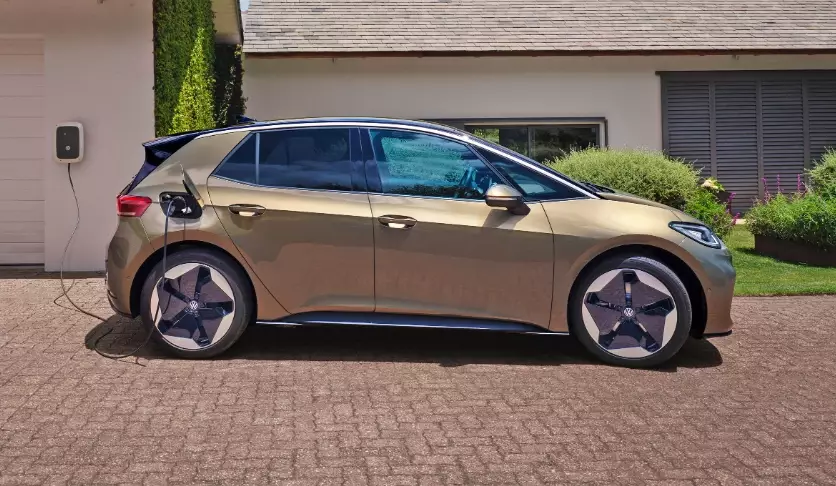
But it's not just about the opening. It's about the configurable space. Most modern hatchbacks have a 60/40 split-folding rear seat. That means you can fold one side for long items (like skis or a ladder) while still having a seat for a passenger. Need to move a set of tires? Fold both sides flat. Going camping? You've got a perfect, enclosed space for all your gear. It's this flexibility that makes a single hatchback car feel like it can do multiple jobs.
Then there's the driving experience. Generally, hatchbacks are built on compact car platforms. This often means they're lighter and have a shorter rear overhang than an equivalent sedan or SUV. The result? They tend to be more nimble, more responsive, and just plain more fun to drive on a twisty road. There's a directness to the steering and a willingness to change direction that you often lose in taller, heavier vehicles. For the driving enthusiast on a budget, a hot hatchback (like a Volkswagen GTI or a Honda Civic Sport) is the holy grail—practicality with a serious dose of performance.
And let's not forget efficiency. That compact size and often lighter weight translate to good fuel economy. You're not dragging around a huge, heavy body. Many of the most fuel-efficient non-hybrid cars on the market are hatchbacks. In an era of high gas prices, that matters.
The Other Side of the Coin: Hatchback Drawbacks
It's not all roses and wide-open cargo areas. To be fair, we have to talk about the downsides. I'd be doing you a disservice if I didn't.
Road and cargo noise. This is the big one for me. That large rear door and the open cabin design mean there's less sound insulation between you and the road (and whatever is rattling around in the back). On long highway drives, the drone can get tiresome. Modern hatchbacks are much better than my old one, but it's still a common trait. If you crave a library-quiet cabin, you might be disappointed.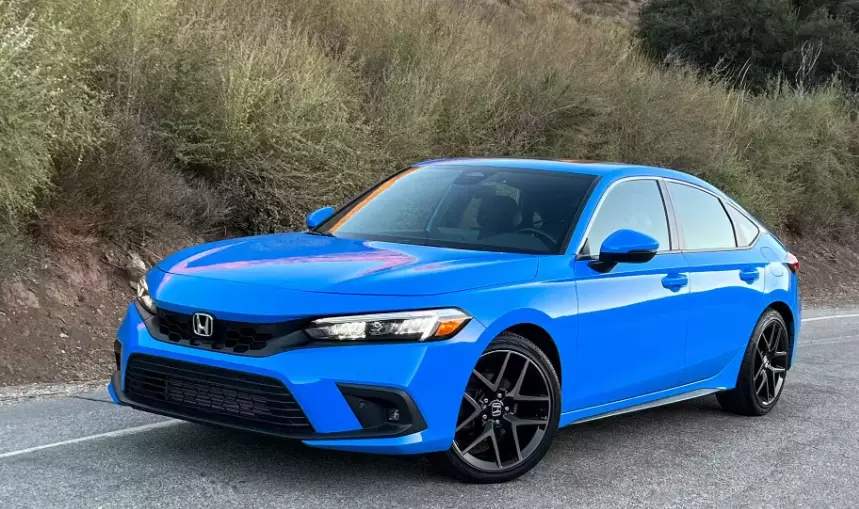
Security. Everything in your cargo area is visible through the large rear glass. Leaving a laptop bag or groceries in plain sight is an invitation in some areas. You learn to use a cargo cover (if it has one) or just keep the area clean. Some people don't mind this; it makes me a bit nervous in unfamiliar cities.
Perception and resale. In some markets, like the US, sedans have traditionally been seen as more "premium" or "grown-up" than hatchbacks, though this is changing rapidly. This can sometimes, though not always, affect resale value. A quick check on Edmunds or Kelley Blue Book for your specific model and region is wise. Also, that large rear glass can be expensive to replace if it gets cracked.
Less rear passenger headroom (sometimes). The sloping rear roofline that gives many hatchbacks their sporty look can eat into headroom for taller back-seat passengers. This isn't true for all models—some are boxy and spacious—but it's something to check if you regularly carry adults in the back.
Hatchback vs. Sedan vs. SUV: Where Does It Fit?
This is the million-dollar question. Let's clear up the confusion with a straight comparison.
| Feature | Hatchback | Sedan | Compact SUV/Crossover |
|---|---|---|---|
| Cargo Access | Excellent. Large vertical opening. Easy to load bulky items. | Limited. Constricted trunk lid opening. Depth is good, height is poor. | Very Good. Tall opening, but often a higher load floor. |
| Interior Space Flexibility | Excellent. Fold-flat seats create a near-van-like space. | Poor. Fixed barrier between cabin and trunk. Pass-throughs are small. | Very Good. Fold-flat seats, but often less total length than a hatch. |
| Driving Dynamics | Typically Best. Lower center of gravity, car-like handling, often fun to drive. | Good. Stable and comfortable, but can feel less agile. | Variable. Higher center of gravity can lead to more body roll. Comfort-oriented. |
| Fuel Efficiency | Typically Best. Lightest weight and best aerodynamics of the three. | Very Good. Similar to hatchback, sometimes slightly less efficient. | Good. Increased weight and drag usually mean lower MPG. |
| Ride Height & Visibility | Lowest. Standard car height. Good forward, rear view can be obstructed by headrests. | Low. Similar to hatchback. | Highest. Commanding view of the road, easier ingress/egress. |
| Price & Running Costs | Often Lowest. Generally the cheapest to buy, insure, and fuel. | Comparable. Very similar to equivalent hatchback model. | Often Highest. Price premium, potentially higher insurance and fuel costs. |
So, who wins? It's not about winning; it's about fit.
Choose a hatchback if: Your priority is maximizing utility and driving fun from a small footprint without paying an SUV premium. You value flexible cargo space over a perfectly isolated quiet cabin.
Choose a sedan if: You rarely carry large cargo, prefer a more formal look, and want the quietest possible traditional car experience. The trunk is fine for groceries and suitcases.
Choose a compact SUV if: A higher seating position and all-weather confidence (often with AWD) are top priorities, and you're willing to pay more and sacrifice some handling and fuel economy for it.
Finding Your Perfect Hatchback: A Guided Tour
The hatchback market is wonderfully diverse. Here’s how to navigate it based on what you need.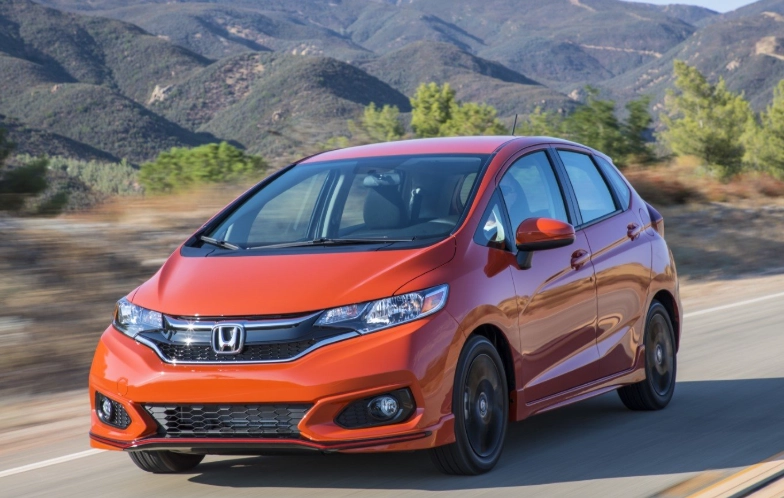
For the Budget-Conscious & First-Time Buyer
You want reliable, cheap to run, and easy to park. Look at:
- Kia Rio Hatchback: Often has the best warranty and a ton of standard features for the money. The interior feels more expensive than it is.
- Hyundai Accent Hatchback: The Rio's sibling. Similar value proposition. You really can't go wrong with either for basic, dependable transport.
- Toyota Yaris Hatchback (if still available in your market): The definition of bulletproof reliability. Not exciting, but it will start every morning for a decade.
My two cents? The Korean offerings (Kia/Hyundai) often give you more tech and a better feel for your dollar these days compared to the ultra-basic offerings from others.
For the Practical Family & Daily Commuter
You need more space, comfort, and refinement for everyday grind.
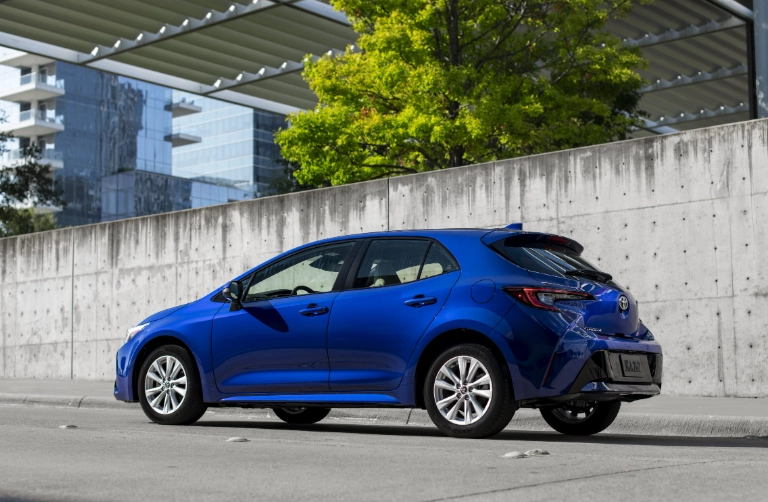
- Honda Civic Hatchback: A class leader for a reason. Huge interior space (seriously, it's TARDIS-like), great fuel economy, and sharp styling. The turbo engine has good pep. This is the smart choice, and it's hard to argue against.
- Mazda3 Hatchback: This is the one I'd buy for myself in this category. Why? The interior feels like it's from a car costing $15,000 more. It's quiet, handles beautifully, and looks stunning. Cargo space is a bit tighter than the Civic, though. It prioritizes driver enjoyment and premium feel.
- Volkswagen Golf: The benchmark. Refined, solid, and incredibly well-rounded. The base model is great, and the GTI is legendary. The recent move to more digital controls in the cabin is, in my opinion, a step back in usability, but the core car is excellent.
For the Driving Enthusiast (The "Hot Hatches")
You want practicality but refuse to compromise on performance.
- Volkswagen GTI: The original hot hatchback, perfected over generations. The perfect blend of daily comfort and thrilling performance. It's a masterpiece of balance.
- Honda Civic Type R: The track star. Brutally fast, with razor-sharp handling. The styling is... aggressive. It's less comfortable as a daily driver than the GTI, but it's an absolute weapon.
- Hyundai Elantra N / Kona N: The brilliant upstarts. They offer incredible performance for the money and come with a fantastic warranty. They're tuned to be loud, playful, and engaging in a way that puts a huge grin on your face.
I've driven most of these. The GTI feels like a trusted, super-capable friend. The Civic Type R feels like a race car they forgot to detune. The Hyundai N cars feel like the fun, slightly unhinged cousin. You can't lose with any of them.
Before You Sign: The Hatchback Buyer's Checklist
You've narrowed it down. Don't rush to the dealer without running through this.
The Essential Test Drive Focus:
- Test the hatch! Open and close it. Is it too heavy? Does it open high enough that you'll hit your head? Is the button or handle easy to find?
- Fold the seats. Do they fold completely flat? How easy is the mechanism? Is there a big step or gap when they're down?
- Listen. Drive on a rough road and a smooth highway. How much tire noise and road roar comes into the cabin? Turn the stereo off and really listen.
- Check rear visibility. The rear roof pillars (C-pillars) on some hatchbacks are thick and can create blind spots. Do a shoulder check. Are the rear headrests removable if they block your view?
- Play with the cargo cover. If it has one, is it easy to remove and stow? If it doesn't, are there aftermarket options?
Ownership Cost Deep Dive:
Insurance for a sporty hatchback can be surprisingly high, especially for younger drivers. Get a quote before you fall in love. Also, research maintenance schedules. Some European hot hatches require more frequent (and expensive) service than their Japanese counterparts.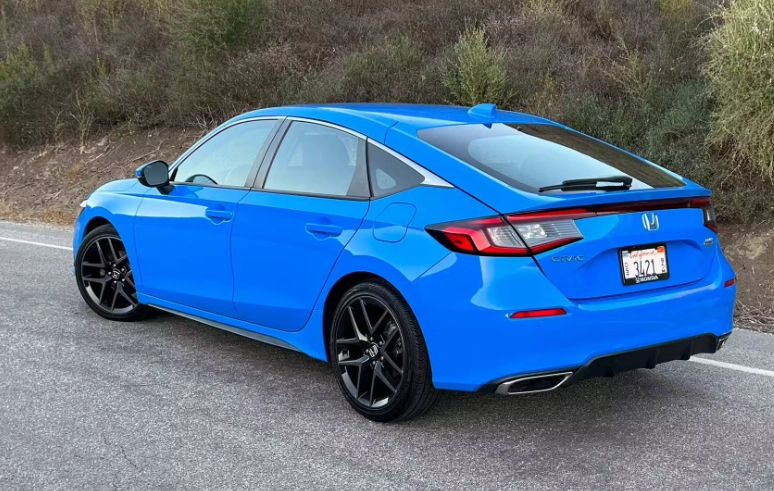
Don't Skip the Research:
Go beyond marketing brochures. Read long-term ownership reviews from sources like Consumer Reports to see what breaks after 50,000 miles. Check the Insurance Institute for Highway Safety (IIHS) website for crash test ratings. A Top Safety Pick+ rating should be non-negotiable.
A hatchback is a long-term relationship. Make sure you know its quirks before you move in together.
Living With Your Hatchback: Pro-Tips & Tricks
You bought it! Now let's make the most of it.
Cargo Management is Key:
- Invest in a good set of cargo organizers: collapsible bins, a net to stop groceries from rolling, maybe a rubber mat to protect the floor.
- If you don't have a cover and want privacy, a retractable one is worth every penny.
- Learn the magic of the "pass-through" for long, skinny items like pipes or fishing rods, even with a rear passenger.
Maintenance Nuances:
That large rear glass and hatch seal are critical for keeping out water and noise. If you start hearing new wind whistles, check the seal. Also, the struts that hold the heavy hatch open will wear out eventually. Replacing them is a common and relatively easy DIY job.
The Community:
Hatchback owners, especially of performance models, often have strong enthusiast communities. Forums and owner groups are goldmines for DIY repair advice, troubleshooting common issues, and finding accessories. They can tell you exactly which aftermarket roof rack fits best or how to fix that one annoying rattle.
Answering Your Hatchback Questions
Let's tackle some of the specific things people search for.
So, is a hatchback right for you?
If your life involves more Home Depot runs than black-tie events, if you appreciate a car that can turn a grocery getter into a moving van in 30 seconds, and if you think driving should still be engaging even when you're just going to work, then the answer is a resounding yes.
The humble hatchback offers a compelling argument against bigger, more expensive, and often less efficient vehicles. It's a smart choice. It's a fun choice. It might just be the perfect choice.
Go drive one. Fold those seats. Load an imaginary piece of furniture. See how it makes you feel. I bet you'll be surprised.