Quick Guide
So, you're asking the big question: Is there a GPS tracker for cars without a monthly fee? You've probably seen all the ads for tracking services that lock you into a $20 or $30 monthly plan forever. It adds up, right? A few hundred bucks a year just to know where your car is. Feels like a rip-off.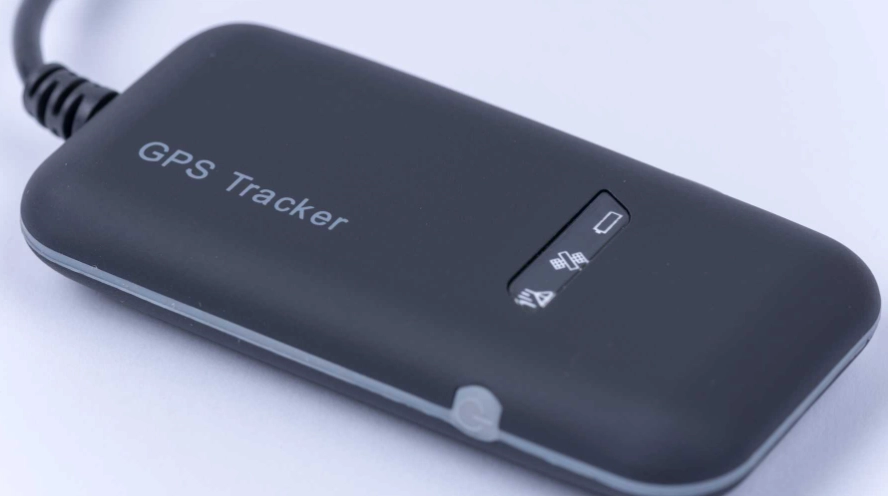
Well, I've got good news for you. The answer is a definite yes. These devices exist, and they're more popular than ever. But (and there's always a but) they work a bit differently than the ones with subscriptions. It's not just about finding a cheap gadget on Amazon. You need to understand the trade-offs, the hidden costs nobody talks about, and which features actually matter for your situation.
I've spent way too much time researching this, testing a few units myself, and wading through forums where real people share their horror stories and successes. My own experience with a "budget" tracker was frustrating—the battery died in two days, and the app was a mess. So let's cut through the marketing hype. This guide is for anyone who's tired of monthly bills and wants a straightforward, one-time solution to keep tabs on their vehicle.
What Does "No Monthly Fee" Really Mean?
First things first. When a company says "no monthly fee," they usually mean you don't pay a recurring subscription to a central monitoring service. Instead, you buy the tracker hardware outright. The tracking itself often relies on two main technologies, and this is the key to understanding how they work.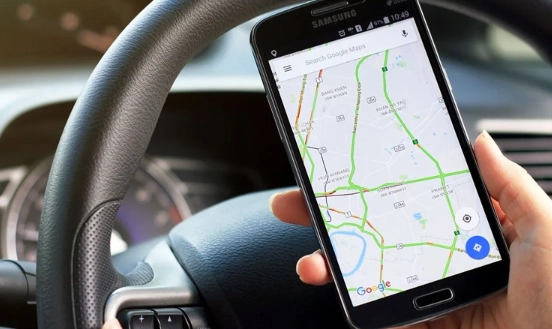
The Tech Behind the Magic: Most no-subscription trackers use either cellular data (4G LTE) or Global Satellite networks to report location. The cellular ones need a SIM card, just like your phone. You, the owner, pay for the data plan directly to a mobile network operator (like T-Mobile or AT&T). This is the "fee"—it's just not paid to the tracker company. Satellite trackers, often used for off-grid areas, have their own pre-paid service plans. So, "no monthly fee" to the manufacturer, but you might still have a small, direct carrier fee.
Think of it like buying a phone. You buy the phone once (the tracker), and then you choose a cheap prepaid SIM card plan for it (the data). That's the model. Some trackers even come with a year of data included in the purchase price, which is a sweet deal.
The Good, The Bad, and The "Read the Fine Print"
Let's be honest, nothing's perfect. Before you jump in, you should know what you're signing up for.
Why You Might Love a No-Monthly-Fee Tracker
The benefits are pretty clear, and they're the main reason people search for this stuff.
- Cost Savings: This is the big one. Over 2-3 years, you can save hundreds compared to a subscription service. It's simple math.
- No Contract Lock-in: Hate being tied down? With these, you own the device. If you don't like the service, you can often switch the SIM card or just stop paying for data.
- Straightforward Ownership: You buy it, you set it up, it's yours. There's no calling a company to cancel or dealing with retention offers.
- Great for Multiple Vehicles: If you have a fleet of cars, trucks, or even trailers, buying individual trackers with no recurring fees to a central service can be massively economical.
The Downsides and Things to Watch Out For
Okay, time for some real talk. This is where I got burned initially.
- You're on Your Own for Data/Satellite Service: You have to manage the SIM card plan. If the data runs out, the tracker stops reporting. It's an extra step.
- App Quality Varies Wildly: Some tracker apps are fantastic; others look like they were built in 2010. Since you're not paying a premium monthly fee, the software support can be hit or miss. Research the app reviews specifically.
- Limited "Premium" Features: Subscription services often bundle things like driver behavior reports (hard braking, speeding), geofence alerts, and integration with fleet management software. Some no-fee trackers have these, but they might be more basic.
- Hidden Upfront Costs: The device itself might cost more upfront than a subsidized subscription-model tracker. You're paying for the full hardware cost immediately.
Watch Out For This: Some companies advertise "lifetime service" with a one-time payment. Be very, very careful. "Lifetime" often means the lifetime of that product model or the company's discretion. If they go out of business in 3 years, your "lifetime" service is gone. I'd personally lean towards devices where I control the SIM card and plan separately. It gives you more freedom and less risk.
So, is there a GPS tracker for cars without a monthly fee that's perfect? No. But there are excellent options if you know which compromises you're willing to make.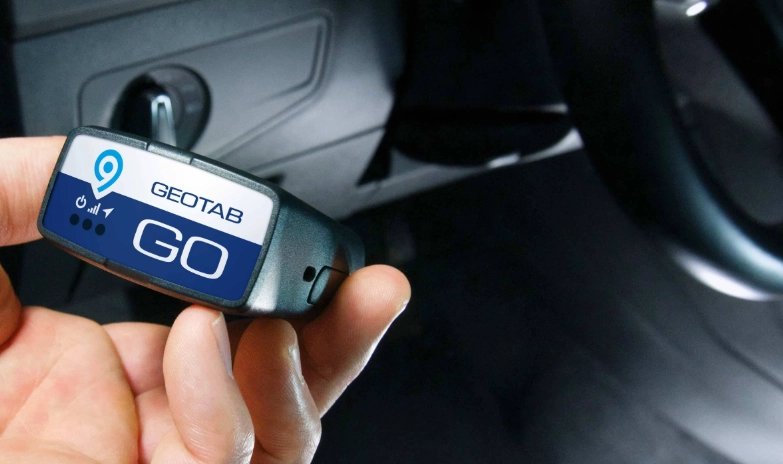
Your Step-by-Step Buying Guide
Don't just buy the first one you see. Ask yourself these questions.
What's Your Main Goal?
This decides everything.
- Theft Recovery: You want to find your car if it's stolen. You need real-time tracking, long battery life (if not hardwired), and reliable location updates.
- Teen Driver Monitoring: You want to know where the kids are and maybe how fast they're driving. Real-time tracking and speed alerts are key.
- Fleet or Business Use: You need to monitor routes, idle times, and maybe multiple vehicles. Look for robust apps with history logs and geofencing.
- Keeping Tabs on an Infrequently Used Vehicle: Maybe it's a classic car in storage or a truck you only use seasonally. You might not need real-time updates; a location ping once a day could be enough, saving on data costs.
Key Features to Scrutinize
Look beyond the price tag.
- Power Source: Hardwired (connects to the car's battery for permanent power), plug-in (to the OBD-II port), or battery-powered (portable, but needs recharging). Hardwired is best for permanent, stealthy installation. Battery-powered is flexible but a hassle.
- Tracking Update Frequency: Does it update every minute? Every 30 seconds? Every hour? Faster updates use more data and drain battery faster. For theft recovery, frequent updates are crucial. For general awareness, less frequent is fine and cheaper.
- App Notifications & Geofencing: Can you draw a virtual fence on the map and get an alert when the car enters or leaves? This is super useful for parents or business owners.
- Data Plan Compatibility & Cost: What kind of SIM does it need? Can you use any carrier, or are you locked to one? Research cheap, low-data IoT (Internet of Things) plans from carriers. They can be as low as $5-10 a month for basic tracking.
Pro Tip: For the absolute lowest ongoing cost, look for trackers that support "LTE-M" or "NB-IoT" networks. These are low-power, wide-area networks designed specifically for IoT devices like trackers. The data plans for these are incredibly cheap because they transmit tiny amounts of data. Not all areas have full coverage, so check your carrier's map.
Top Contenders: A Real-World Look
Let's talk about some specific types and models that consistently come up when people ask, "Is there a GPS tracker for cars without a monthly fee?" This isn't a sponsored list; it's based on community feedback, specs, and overall reputation.
Here’s a breakdown to help you compare.
| Tracker Type | Best For | How "No Monthly Fee" Works | Key Consideration |
|---|---|---|---|
| Hardwired, Cellular Trackers | Permanent, stealth installation. Theft recovery for personal vehicles or fleet management. | You purchase the device. You install a SIM card and pay for a low-cost cellular data plan directly to a carrier (e.g., $5-10/month). | Requires professional or confident DIY installation to connect to car battery. Very reliable once set up. |
| OBD-II Plug-in Trackers | Ease of use. Teen driver monitoring, basic fleet tracking. No tools needed. | Similar model: buy device, add your own SIM/data plan. Some come with pre-paid data bundles. | Visible in the car (plugs into port under dash). Can be easily removed. Drains from car battery if left plugged in long-term. |
| Portable Battery-Powered Trackers | Tracking assets, moving between vehicles, temporary needs. | Device purchase + separate cellular data plan. Often have built-in batteries lasting weeks/months. | You MUST remember to recharge the battery. Not ideal for 24/7 permanent car tracking due to maintenance. |
| Satellite Communicators | Cars that travel far off-grid, beyond cellular coverage (e.g., remote job sites, desert). | Device purchase + annual or pre-paid satellite service plan (e.g., $100-$200/year). This is the "fee," but it's not monthly. | Higher upfront and service costs. Slower update times than cellular. Essential where there's no cell signal. |
You'll notice a pattern. The freedom from a monthly fee to a tracking company gives you flexibility, but it shifts the responsibility of securing a data connection onto you. For many, that's a fair trade.
A Note on Popular Brands
Brands like Tracki, Vyncs, and Bouncie often have hybrid models. They might offer a device with a "first year free" service or very low-cost annual plans. Always, always check what happens after the promotional period. Does the price jump to a standard monthly fee? Or can you transition to your own SIM plan? Read the terms.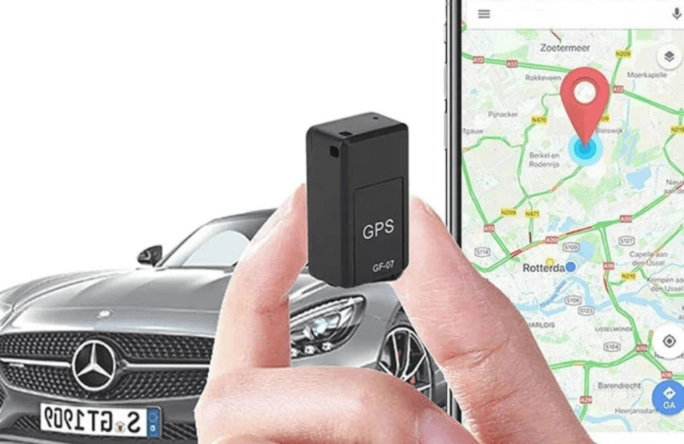
For hardwired options, brands like LandAirSea (with their own SyncUP plan or bring-your-own-SIM option) are frequently mentioned. The key is to look for the phrase "BYOD" (Bring Your Own Device) or "Cellular IoT Plan Compatibility" in the specs.
Setting It Up & Keeping It Running
You bought one. Now what?
The setup usually involves a few steps: installing the SIM card (if needed), activating the data plan with the carrier, downloading the companion app, and registering the device. Then, physically installing it in the car. For a hardwired tracker, this means finding a constant power source (always-on fuse) and a good ground. If you're not comfortable with a multimeter and car wiring, pay a mechanic or car audio installer to do it. It's worth the $50-$100 for peace of mind.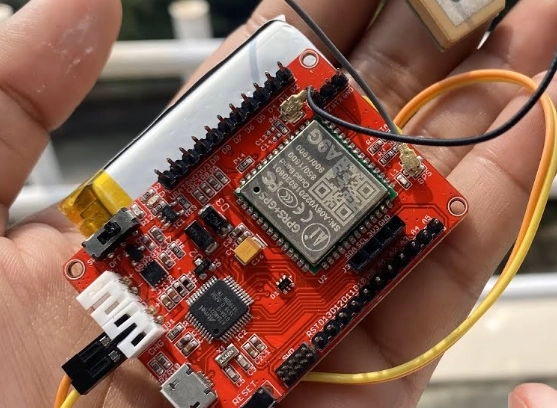
For OBD-II trackers, you just plug them in. But hide the cable if you don't want it seen.
The biggest ongoing task? Managing the data plan. Set a calendar reminder a week before it renews. Check your data usage in the app. Most tracking uses very little data unless you have live, map-updating-every-second features on all the time.
Answering Your Burning Questions (FAQ)
Is it legal to put a GPS tracker on a car?
Generally, yes, if you own the car or have legal authority over it. You can track your own car, your minor child's car, or company vehicles you own. It is illegal to secretly track a car you do not own or have a legal right to monitor, like a spouse's car (in many jurisdictions without consent) or an employee's personal vehicle. Laws vary by state and country. For authoritative legal information, you should consult official resources. For example, the U.S. Department of Justice website provides access to legal codes, and the American Civil Liberties Union (ACLU) often publishes guides on privacy rights related to tracking technology.
How accurate are these trackers?
Modern GPS is very accurate, typically within 5-10 meters under open sky. The bigger factor is update frequency. A tracker that pings its location every 5 minutes gives you a trail of breadcrumbs. One that updates every 10 seconds gives you a near-real-time path. Accuracy also depends on whether it uses GPS alone or GPS + GLONASS (Russian) or Galileo (European) satellites for better lock.
Can the tracker be detected or disabled?
A sophisticated thief with a GPS signal jammer can block it. A hardwired, well-hidden tracker is very hard to find and disable quickly. A plug-in OBD tracker is obvious and can be yanked out in seconds. For serious theft recovery, hiding the tracker is half the battle. Some people put them inside seat cushions, behind dashboard panels, or in the bumper.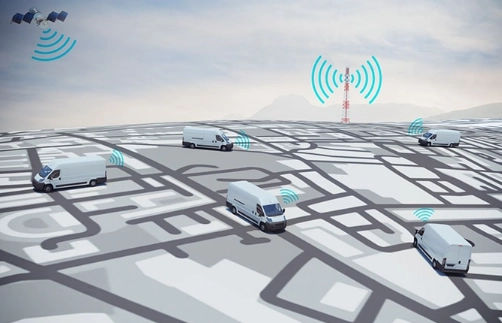
What about privacy? Who sees my data?
This is critical. With a subscription service, your location data is on their servers. With a bring-your-own-SIM tracker, the data often flows through the app provider's platform, but the cellular carrier also has access to location pings. Read the privacy policy of both the tracker app company and your cellular provider. Look for language about data aggregation, sharing with third parties, and data retention. A good sign is if the company states they do not sell your location data. For broader context on data privacy, organizations like the Electronic Frontier Foundation (EFF) provide excellent resources on the risks of location tracking.
Is there a truly free GPS tracker with no fees at all?
No. There's always a cost. Either for the hardware, the cellular/satellite data, or the software platform. An old phone with a free tracking app still needs a data plan to transmit its location from anywhere. The phrase "no monthly fee" means no recurring fee to the tracking company, not that the service is magically free.
Final Thoughts Before You Buy
So, we've circled back to the start. Is there a GPS tracker for cars without a monthly fee? Absolutely. It's a fantastic, cost-effective solution for a lot of people. But you have to go in with your eyes open.
Think of it like this: you're trading the convenience of an all-in-one subscription service for the flexibility and long-term savings of a DIY approach. You become the manager of your own tracking system.
My advice? Decide what you really need it for. Be honest about your willingness to tinker with a SIM card and manage a separate data plan. Read user reviews, but focus on the ones that talk about app stability and customer support six months in. And maybe, just maybe, spend a little more upfront for a well-reviewed hardwired unit if you're serious about theft protection. It’s cheaper than losing a whole car.
The market for these devices is always changing. New models with better batteries and more efficient chips come out all the time. But the core principle remains: freedom from a monthly bill is possible, you just have to take the wheel.