Your Quick Guide
- What is the Texas Emissions Test, Anyway?
- Who Needs to Test and What's the Process Like?
- The Top Reasons Cars Fail the Texas Emissions Test (And How to Fix Them)
- Your Pre-Test Checklist: What to Do Before You Go
- The Day-Of Test Strategy
- What If You Fail? Your Next Steps.
- Texas Emissions Test FAQs: Your Questions, Answered
- Long-Term Tips to Always Pass Easily
Let's be real for a second. That little sticker on your windshield is more than just a piece of paper. It's a ticket to driving legally in Texas, and the whole emissions test process can feel like a mysterious hurdle designed to trip you up and empty your wallet. I've been there, sweating in the inspection lane with an old truck that I was sure was going to fail. But after years of dealing with this (and helping friends do the same), I've learned it doesn't have to be a nightmare.
The secret? It's less about last-minute magic tricks and more about understanding what the test actually looks for and giving your car some basic TLC. This guide is going to walk you through exactly how to pass the Texas emissions test, step by step. We'll skip the confusing jargon and get straight to the practical stuff you can actually do. Whether you're a first-timer or you've failed before and need a plan, this is the playbook.
What is the Texas Emissions Test, Anyway?
First off, let's clear the air. Not every county in Texas requires an emissions test. It's mainly for the more populated, urban areas where air quality is a bigger concern. Think places like Dallas-Fort Worth, Houston, Austin, and El Paso. If you're out in a rural county, you might just need a basic safety inspection. The official source for this is always the Texas Commission on Environmental Quality (TCEQ). It's worth a quick check on their site to confirm your county's requirements, because the rules can change.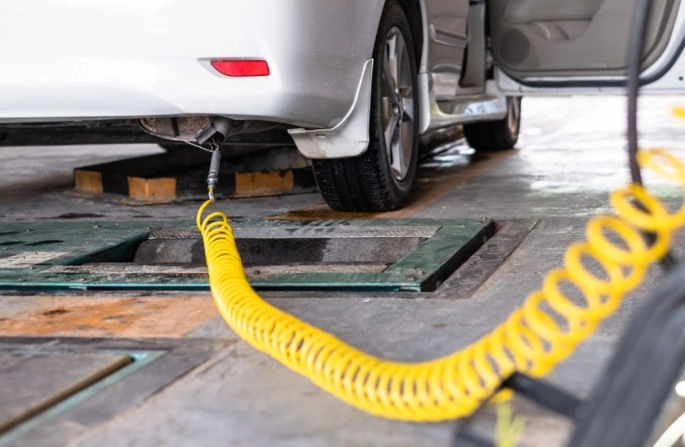
The test itself is officially part of the state's Vehicle Inspection Program. For most gasoline-powered cars and light trucks from model year 1996 and newer, it's an OBD-II (On-Board Diagnostics) check. That little port under your dashboard isn't just for mechanics. The inspector plugs a scanner into it to read your car's computer. They're not directly measuring the smoke coming out of your tailpipe (that's for older cars). Instead, they're asking your car's computer, "Hey, is everything running cleanly? Have you detected any problems with the systems that control pollution?"
Quick Reality Check: If your "Check Engine" light is on, you will fail. No ifs, ands, or buts. That light is your car's computer screaming that something is wrong with the emissions system. Trying to pass a Texas emissions test with that light glowing is like showing up to a job interview in pajamas.
Who Needs to Test and What's the Process Like?
So, is your vehicle on the hook? Here's the breakdown. You generally need the full emissions test if your vehicle is:
- A gasoline-powered car, truck, or SUV that's 2 to 24 years old.
- Registered in one of the designated counties (like Harris, Dallas, Tarrant, Travis, Bexar, El Paso).
- Weighing under 8,500 pounds.
Diesel vehicles, motorcycles, and vehicles older than 24 years have different rules (often a smoke opacity test for diesels). Electric vehicles, of course, get a pass on the tailpipe part. The whole inspection, which includes the emissions check and the standard safety items (lights, brakes, horn, etc.), usually costs around $25-$40. You can't renew your registration without that fresh, new sticker.
The process is pretty straightforward. You drive to a licensed inspection station (not all repair shops are licensed inspectors). They'll check your VIN, odometer, and then run the OBD-II scan. For a 1996 or newer car, that's the core of the emissions test. It takes just a few minutes. If your car is from 1995 or older, they'll do a tailpipe test with a probe, measuring the actual gases. The inspector also does the safety check while they're at it. Pass, and you get your sticker and a report. Fail, and you get a report telling you why, and you have a certain window (usually 30 days) to get it fixed and re-tested, often at a discount.
The Top Reasons Cars Fail the Texas Emissions Test (And How to Fix Them)
This is where we get into the meat of how to pass Texas emissions test. Most failures aren't random. They fall into a few common categories. Knowing these is half the battle.
The Dreaded Check Engine Light
This is the king of all failure reasons. The OBD-II system monitors a bunch of sensors and components. If it sees a problem it can't correct, it throws a code and lights up the dashboard. Common culprits here are:
- Oxygen (O2) Sensors: These monitor the exhaust gases to help the computer adjust the fuel mixture. When they get lazy or fail, your car runs less efficiently and pollutes more. They wear out over time.
- Catalytic Converter: The big kahuna of emissions control. It turns harmful gases into less harmful ones. If it's clogged or broken, you'll fail. This is also one of the most expensive parts to replace, sadly.
- Gas Cap: Seems silly, right? But a loose, cracked, or faulty gas cap can cause the "EVAP" system to detect a leak in the fuel vapor system. It's one of the cheapest and easiest fixes.
- Mass Airflow Sensor (MAF): This tells the computer how much air is coming into the engine so it can add the right amount of fuel. A dirty or faulty MAF messes up this balance.
OBD-II "Readiness Monitors" Not Ready
Here's a tricky one that catches people off guard. Your car's computer runs a series of self-tests on different systems (like the catalytic converter, O2 sensors, EVAP system). These are called "readiness monitors." If you've recently disconnected your battery or cleared trouble codes with a scanner, these monitors get reset to "Not Ready."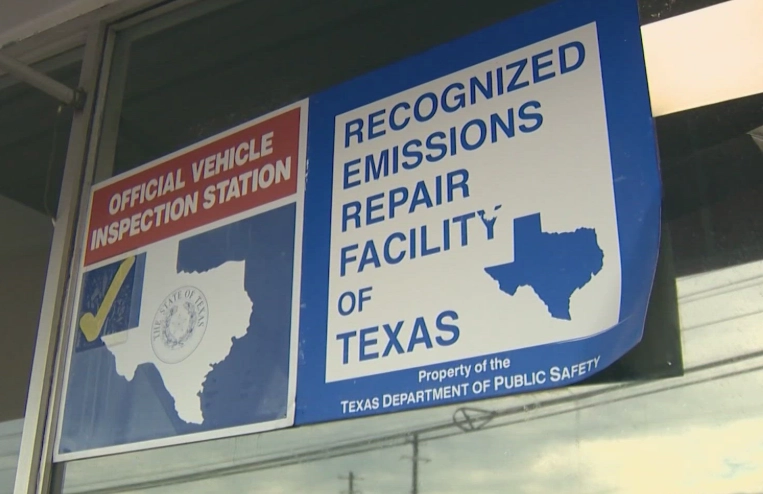
The inspector's scanner will see this. In Texas, you are allowed to have one monitor in a "Not Ready" state and still pass (for most vehicles). Two or more, and it's an automatic fail. So, if you clear a Check Engine light right before the test thinking you're being clever, you'll likely fail for "monitors not ready" instead.
How do you get them ready? You have to drive your car through a specific "drive cycle." This isn't just driving around the block. It's a sequence of conditions (cold start, highway driving, city driving, etc.) that allows the computer to run its tests. Your car's owner's manual sometimes has the drive cycle procedure. If not, a common method is a mix of 30-45 minutes of driving at varying speeds, including some steady highway cruising.
Failed Tailpipe Test (For Older Vehicles)
For pre-1996 vehicles, they stick a probe in the tailpipe and measure the levels of hydrocarbons (HC) and carbon monoxide (CO). High readings usually mean the engine isn't burning fuel completely. Common causes:
- Dirty air filter (restricts air flow).
- Old spark plugs or worn ignition wires (cause misfires).
- Incorrect ignition timing.
- Aging catalytic converter (even if there's no OBD-II code for it yet).
Your Pre-Test Checklist: What to Do Before You Go
Alright, so you've got an inspection coming up. Don't just cross your fingers and hope. Run through this list. It's the single best thing you can do to figure out how to pass Texas emissions test on the first try.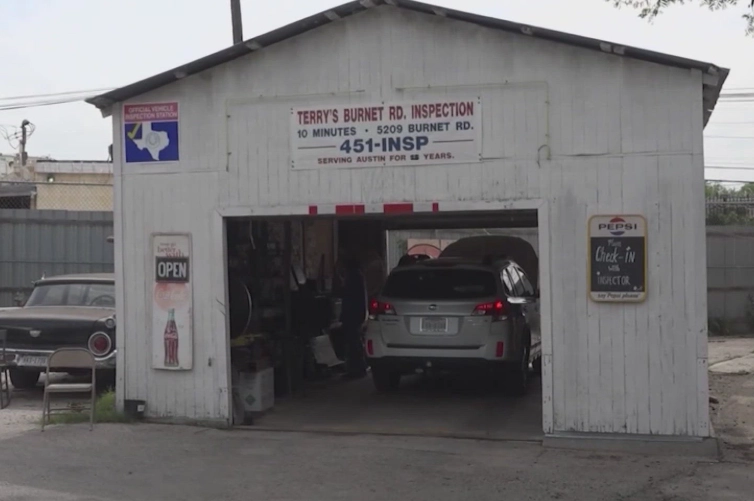
The 1-Week-Out Game Plan:
- Check for the Check Engine Light: This is non-negotiable. If it's on, you need to diagnose and fix the problem before the test. Use an OBD-II scanner (you can buy one cheaply or borrow from an auto parts store that offers free code reading) to get the trouble code. Research the code or have a mechanic look at it.
- Ensure Readiness Monitors are Set: If you've had recent repairs or a dead battery, make sure you've driven enough for the computer to complete its self-tests. A basic OBD-II scanner can also show you monitor status.
- Give Your Car a Good "Italian Tune-Up": I'm serious. Take it on a 20-30 minute drive on the highway before your appointment. Get the engine fully warmed up and the catalytic converter nice and hot. This burns off any built-up carbon deposits and helps the systems operate at peak efficiency for the test. A car that's been sitting or only driven short trips is more likely to fail.
- Check the Basics: Inspect your gas cap. Make sure it clicks tightly. Look at your air filter—if it's black and clogged, replace it. It's a $15 part that helps your engine breathe.
- Get an Oil Change (If It's Time): Fresh oil helps the engine run smoothly. While you're there, they might spot other obvious issues.
What about those fuel additives or "guaranteed pass" products? I'm skeptical. A bottle of fuel system cleaner in a full tank of premium gas might help clean some injector deposits if your car is running rough, but it's not a magic potion for a real mechanical problem. Don't waste your money hoping it'll fix a failing catalytic converter.
The Day-Of Test Strategy
You've done your prep. Now it's game day.
- Drive the Car to the Station: Don't tow it or have it brought on a flatbed. The engine needs to be at normal operating temperature. Drive it for at least 15-20 minutes before arriving.
- Don't Turn the Car Off: If you can, keep the engine running while you wait in line. This keeps the catalytic converter hot. A hot cat works much better than a cold one.
- Be Ready with Your Info: Have your driver's license, registration, and proof of insurance ready. It speeds things up.
- Choose Your Station Wisely: Some shops are primarily inspection stations. Others are repair shops that also do inspections. There's a potential conflict of interest at a repair shop—they might be more inclined to find something wrong. A dedicated inspection station just does tests. You can find a list of stations on the Texas Department of Public Safety (DPS) website.
What If You Fail? Your Next Steps.
It happens. Don't panic. You'll get a Vehicle Inspection Report (VIR) that lists the reason for failure. Here's your action plan:
- Understand the Failure: The report will have a code or description. "MIL Commanded On" means Check Engine light. "OBD Not Ready" means monitors. Get the specific OBD-II trouble codes if you can.
- You Get a Grace Period: You typically have 30 days from the initial test to get repairs done and get a re-inspection. The re-test fee is usually lower if you go back to the same station.
- Get Repairs Done: Take the report to a trusted mechanic. If the failure is something like an O2 sensor or spark plugs, the repair might be straightforward. If it's the catalytic converter, get a second opinion and quote. Aftermarket cats are cheaper than OEM ones from the dealer.
- Waivers Are a Thing (But Hard to Get): Texas does offer a repair waiver if you spend a certain amount (currently $600) on emissions-related repairs at a recognized repair facility and the car still fails. It's a process, and you need all the receipts. Details are on the TCEQ site.
Watch Out For This: Be very wary of any shop that immediately says, "You need a new catalytic converter" without proper diagnosis. Sometimes the problem is an upstream O2 sensor fooling the computer into thinking the cat is bad. Replacing a $250 sensor is better than a $1,200 converter. A good mechanic will verify the cat is truly faulty.
Texas Emissions Test FAQs: Your Questions, Answered
Long-Term Tips to Always Pass Easily
Want to make future tests a breeze? It's about maintenance, not miracles.
Follow your car's maintenance schedule in the owner's manual.
Change your oil regularly.
Replace spark plugs and ignition components as recommended.
Use good quality fuel.
Don't ignore small problems. A slight hiccup today can be a Check Engine light tomorrow.
Think of the emissions test as a yearly check-up for your car's environmental health. Keeping everything in good shape is the ultimate strategy for how to pass Texas emissions test every single time.
The bottom line is this: passing the Texas emissions test is overwhelmingly about a well-maintained vehicle. There's no secret hack. Focus on fixing any Check Engine lights, ensuring your car's computer is ready, and showing up with a warm, well-running engine. Do that, and you'll swap that anxiety for a new inspection sticker without breaking a sweat.