In This Guide
Look, we've all been there. You're cruising on your bike, and that thought creeps in. "What if it had just a bit more pull out of the corner?" "Could the throttle response be sharper?" Maybe you got smoked by a buddy's similarly sized machine and you're wondering where that extra oomph came from. That's the itch for motorcycle performance upgrades. It's a deep, rewarding, but sometimes confusing rabbit hole.
I've been tinkering with bikes for years, made some brilliant choices, and wasted money on a few duds that sounded great on paper. This guide isn't about throwing parts at your bike and hoping for the best. It's about understanding what actually works, in what order, and how to avoid turning your reliable ride into a finicky project. We'll go beyond the basic "slap on an exhaust" advice and dig into the synergy between parts. Because real performance isn't about one magic bolt-on; it's about the system working together.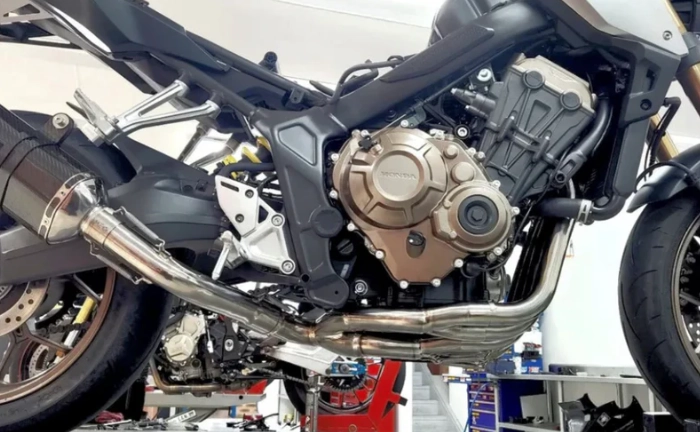
Where to Start? The Holy Trinity of Power Gains.
If your goal is more horsepower and torque (and let's be honest, it usually is), you need to think about your engine as an air pump. More air and fuel in, more exhaust out, managed by a smarter brain. The core upgrades for motorcycle performance all revolve around this.
1. Letting It Breathe In: Air Intake Upgrades
Your bike's airbox and filter are designed for quiet, clean operation, not maximum airflow. An upgrade here is often the first and most cost-effective step.
High-Flow Air Filters: A simple panel or pod filter swap. Brands like K&N are the go-to. They offer minimal restriction and are reusable. The gain alone is small, maybe 1-3%, but it's the essential first step for other mods. Don't expect your bike to suddenly wheelie in first gear from just this.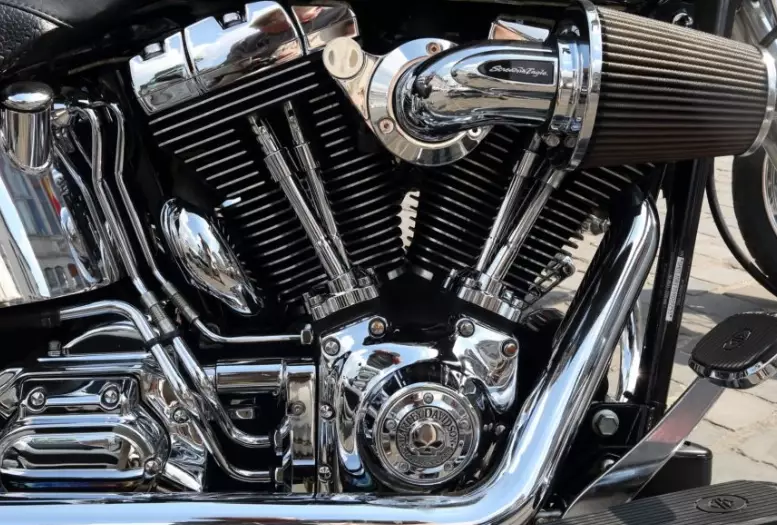
Aftermarket Airbox Lids/Mods: Some bikes have restrictive airbox lids. Replacing or modifying them can allow a much greater volume of air in. This is where you start to hear that lovely intake roar. Check forums for your specific model – sometimes a simple DIY modification with a hole saw (done carefully!) can be as effective as an expensive part.
2. Letting It Breathe Out: Exhaust Systems
The poster child of motorcycle performance upgrades. A good exhaust does more than just change the sound (though a great sound is a huge part of the joy).
- Slip-On Exhausts: You replace just the muffler(s). Easier to install, often street-legal, and provides a sound/weight change with modest power gains (2-5%). A great first aesthetic and auditory mod.
- Full Exhaust Systems: This is the serious upgrade. Replaces the entire path from the engine head to the tailpipe. Reduces backpressure significantly, saves a ton of weight (stock systems are heavy!), and unlocks the most power potential. This is where you see gains of 5-12% or more, especially when combined with other mods.
Materials matter too. Stainless steel is durable and affordable. Titanium is light and has that iconic blue hue but is pricey. Carbon fiber is light and looks premium, but can be delicate.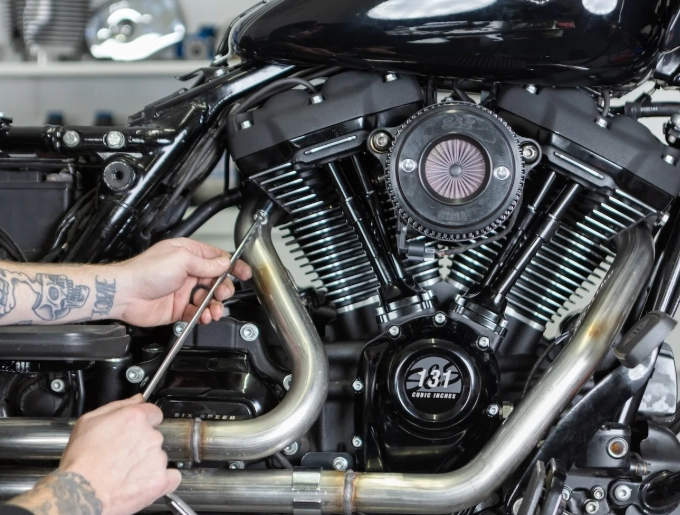
But here's the kicker with exhausts.
Installing a full system, especially one without a built-in catalytic converter, will make your bike run leaner. Less backpressure means more air flow, but the bike's computer (ECU) is still spraying fuel based on the old, restrictive setup. This can cause flat spots, overheating, and lost power. Which leads us to the most critical upgrade...
3. The Brain Transplant: ECU Tuning & Fuel Management
This is the secret sauce. The ECU (Engine Control Unit) is the brain. If you change the lungs (intake) and the windpipe (exhaust) but don't update the brain, the body freaks out.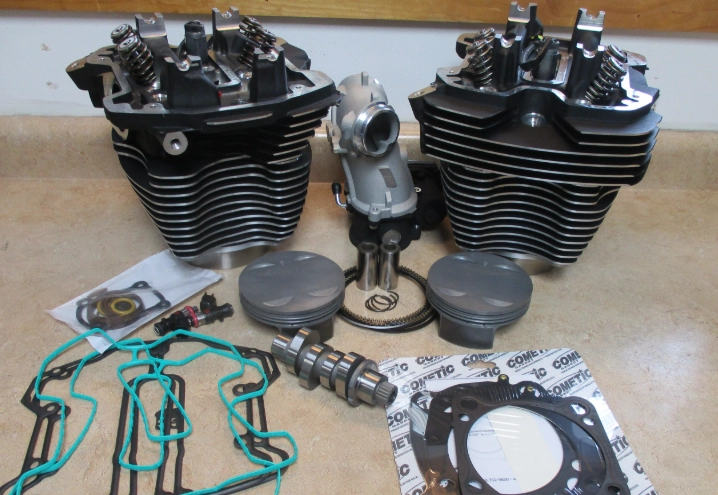
Options for Tuning:
- Fuel Controllers (Piggyback ECUs): Devices like the Power Commander V. They intercept signals from the stock ECU and adjust fuel/ignition timing. Great for simpler mods, user-adjustable via maps. A solid, proven choice.
- Flash Tuning / ECU Reflashing: My personal favorite for modern bikes. A specialist (like FTECU or Dynojet's Power Vision) connects to your bike's diagnostic port and rewrites the actual software in the stock ECU. It can adjust everything: fuel, ignition, throttle response, rev limit, engine braking, even fan turn-on temperatures. It's a cleaner, more integrated solution. Companies like Moto-D offer pre-made maps for popular upgrade combinations.
- Standalone ECUs: The professional racing option. Completely replaces the stock ECU. Total control, but complex and overkill for 99% of street riders.
After I installed a full system on my Street Triple, the bike felt peaky and rough low down. A professional flash tune smoothed everything out, made the power delivery linear and fierce, and honestly transformed the character of the bike more than the exhaust did. It's that important.
Beyond Straight-Line Speed: Handling & Stopping Upgrades
More power is useless if you can't control it or feel scared to use it. These upgrades might not show on a dyno sheet, but they'll shave seconds off your lap times or make a mountain road infinitely more enjoyable.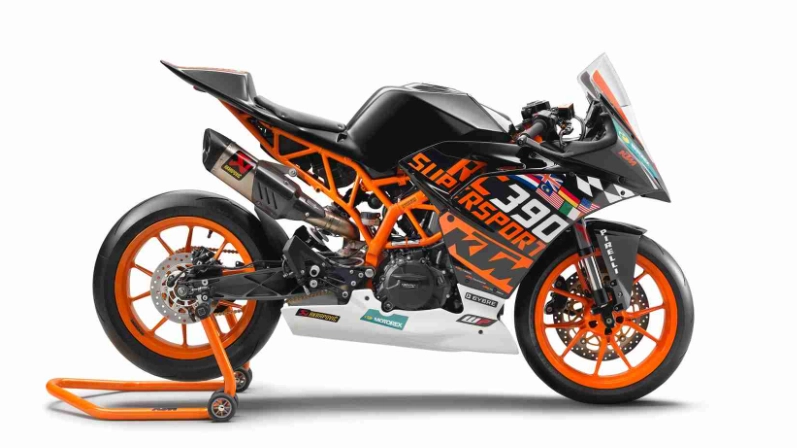
Suspension: Where the Magic Happens
Stock suspension is built to a price point and for an "average" rider weight. If you're lighter, heavier, or ride more aggressively, it's likely holding you back.
Basic Tweaks: Before spending money, set your static sag (the amount the suspension compresses under your weight). This is free and many riders never do it. A proper suspension setup guide for your bike is a goldmine of improvement.
Upgrade Paths:
- Springs/Oil: Changing fork springs and shock spring to match your weight, and swapping to higher quality fork oil. Huge improvement for a few hundred dollars.
- Cartridge Kits: For the forks. Replaces the internal damping components with fully adjustable, high-quality ones. Brands like Andreani or Matris make fantastic kits. This gets you 90% of the way to full custom suspension.
- Full Front Forks & Rear Shock: The top-shelf option from Öhlins, WP, or Nitron. Fully adjustable for compression, rebound, preload, and sometimes high/low speed damping. Expensive, but the single best handling upgrade you can make.
Brakes: For Confidence to Go Faster
You brake later and harder when you trust your brakes.
- Brake Pads: The easiest upgrade. Swap organic/sintered stock pads for high-performance sintered or carbon-ceramic pads from EBC, Brembo, or SBS. Better initial bite, less fade, and more consistent feel.
- Brake Lines: Stock rubber brake lines flex under pressure. Stainless steel braided lines don't. This gives a firmer, more direct lever feel and more consistent pressure at the caliper. A must-do for any bike more than a few years old.
- Master Cylinder & Calipers: Advanced upgrades. A radial master cylinder offers better leverage and feel. Upgraded calipers (like Brembo M4/M50) offer more clamping power and modulation. These are for serious track riders or those with heavily powered-up machines.
The Practical Stuff: Cost, Skill, and Legality
Let's get real. Performance upgrades for motorcycles aren't just about picking parts. You need a game plan.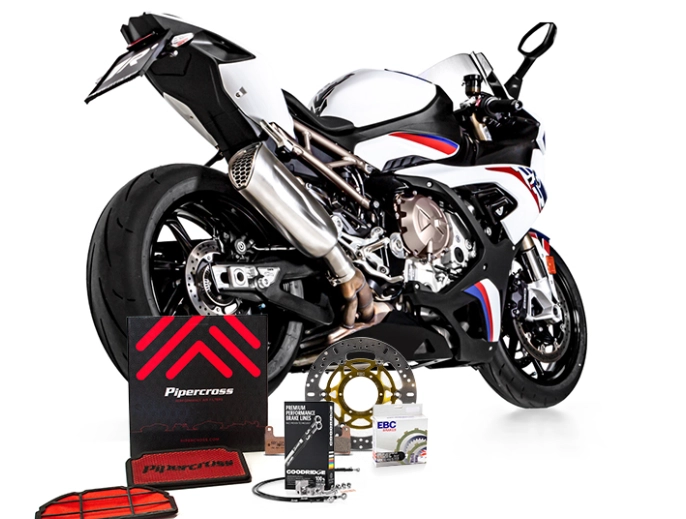
| Upgrade Path | Estimated Cost (Parts) | Skill Level Required | Typical Power Gain | Best For... |
|---|---|---|---|---|
| Stage 1: The Taste (Slip-on + Air Filter) | $300 - $800 | Beginner | 3-6% | Better sound, slight pep, easy install. |
| Stage 2: The Serious Street (Full Exhaust + Air Filter + ECU Flash) | $1000 - $2500 | Intermediate | 10-15% | Major power/sound/weight change. Needs tuning. |
| Stage 3: The Corner Carver (Suspension Springs/Oil + Brake Lines/Pads) | $500 - $1500 | Intermediate | 0% (Handling ++) | Massively improved control & confidence. |
| Stage 4: The Full Build (All of Stage 2 + Full Suspension + Brake Upgrades) | $3000+ | Advanced/Pro Install | 15%+ & Handling +++ | Transforming the bike's complete character. |
Legality and Your Warranty: This is the murky bit. Altering emissions equipment (like removing the cat) may make your bike illegal for road use in your area. Check local laws. Also, any modification can be used by a dealer to deny a warranty claim if they can prove the mod directly caused the failure. An ECU flash might flag your bike's ECU as "modified" in the dealer's system. It's a risk you accept.
Be honest with yourself about your mechanical skill.
Can you follow a service manual? Do you have tools, torque wrenches, and a place to work? Swapping a slip-on is often just a few bolts. Installing a full exhaust might require removing bodywork, dealing with stubborn header nuts, and applying anti-seize compound correctly. A suspension swap usually needs a front and rear stand, and possibly a shock press. If in doubt, pay a professional. A botched install can be dangerous.
Answers to the Questions You're Probably Asking
Wrapping It Up: A Philosophy, Not Just a Parts List
Pursuing motorcycle performance upgrades is a journey. It teaches you about mechanics, physics, and your own riding style. Start with a clear goal. Do you want more sound? More power for overtaking? Better handling for twisties? A more comfortable ride?
My final, personal ranking for transformative impact on a street bike's enjoyment?
- Suspension setup/upgrade for your weight. (Changes everything.)
- ECU Tune/Flash. (Unlocks the bike's personality.)
- Full Exhaust System. (Power, sound, and soul.)
- Brake Lines & Performance Pads. (Confidence is key.)
Don't just throw parts at it. Research your specific model on owner's forums. Sites like Sport Rider often have model-specific tech deep dives. See what combinations work for others. Buy quality parts from reputable brands. And most importantly, if you're tuning for power, always budget for the fuel management solution (ECU tune) at the same time as the intake/exhaust mods. They are a package deal.
The goal is a motorcycle that feels more alive, more connected to you, and more capable. When you get that combination right, every ride feels like the first one. That's the real upgrade.