In This Guide
Let's be honest, nobody gets excited about buying a car battery. It's one of those necessary evils, like getting a new set of tires or paying for an oil change. You're cruising along, and then one cold morning—click, click, click. Nothing. That sinking feeling hits, and your first thought is probably, "How much is this going to set me back?"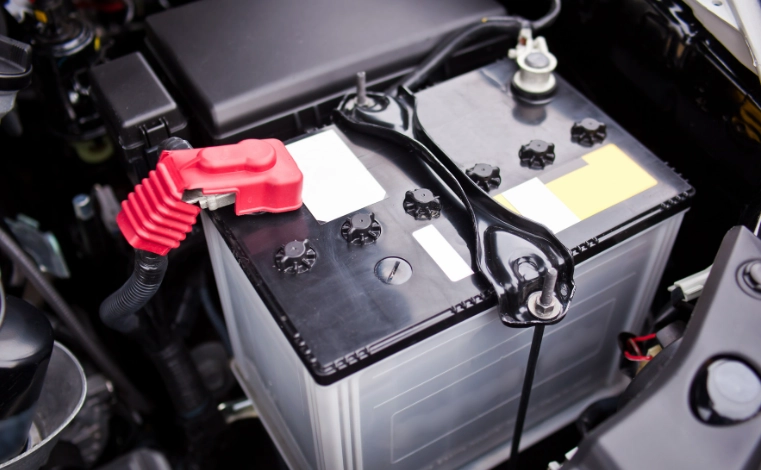
I've been there. Staring at a dead dashboard, phone in hand, frantically searching for car battery prices while wondering if I'm about to get ripped off. The range you see online is crazy—from under a hundred bucks to well over three hundred. What gives? Is the expensive one five times better? Is the cheap one going to die in six months?
So, What's the Damage? Average Car Battery Price Ranges
Let's start with the big question. If you walk into a store today, what should you expect to pay? Forget the single number you might hope for. It's a range, and a wide one, because your car isn't the same as your neighbor's SUV.
For a standard, no-frills replacement battery for a common sedan (think Honda Civic, Toyota Corolla), you're generally looking at a starting point. The absolute budget end, usually for an economy brand with a shorter warranty, can be in the $80 to $120 zone. I'm always a bit skeptical of the ones at the very bottom of this range. They might get you going, but for how long?
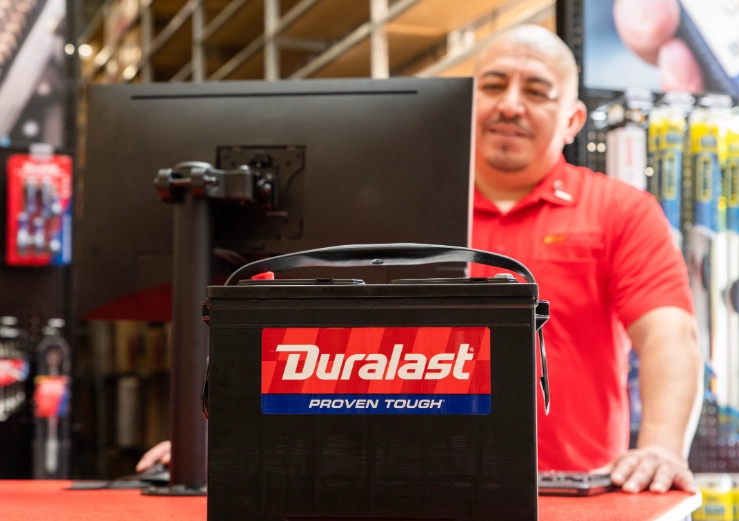
The meat of the market, where most people end up, is between $120 and $220. This gets you a reliable battery from a known brand like Interstate, DieHard, or Duralast with a decent warranty (often 3-5 years). It's the "I don't want to think about this again for a while" price point.
Now, for trucks, large SUVs, luxury vehicles, or cars with a ton of electronics, the price of a car battery jumps. We're talking $200 to $350, and sometimes more. These batteries need more power (higher Cold Cranking Amps), are often larger, and might use different technology like AGM (Absorbent Glass Mat), which we'll get into.
Here’s a quick visual to show where your money typically goes, based on vehicle type. Remember, these are estimated retail prices including a core charge (you get that back when you return your old battery). Installation is often extra.
| Vehicle Type | Battery Type (Typical) | Average Price Range (Parts Only) | What You're Paying For |
|---|---|---|---|
| Compact / Sedan | Standard Flooded (Group Size 35, 51R) | $100 - $180 | Basic reliability, 3-5 year warranty. |
| Midsize SUV / Truck | Enhanced Flooded or AGM (Group Size 65, 78) | $150 - $250 | More power (CCA), larger size, longer life. |
| Full-size Truck / SUV | Heavy-Duty Flooded or AGM (Group Size 31, 49) | $180 - $300+ | High CCA for large engines, durability for rough use. |
| Luxury / Performance Car | AGM (Various Group Sizes) | $200 - $350+ | AGM tech for start-stop systems, powering many electronics, vibration resistance. |
| Electric Vehicle (12V Auxiliary) | Specialized AGM/Lithium | $250 - $500+ | Special specifications from the manufacturer, deep-cycle capability. |
See the spread? That's why a simple Google search for "car batteries prices" can be so confusing. The answer is, frustratingly, "it depends." But by the end of this, you'll know exactly what it depends on.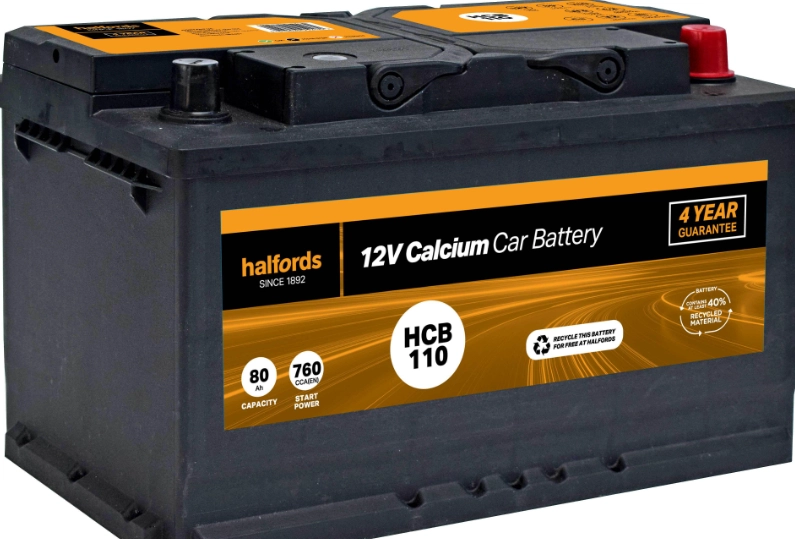
The 5 Biggest Factors That Actually Determine the Cost
Okay, so why does one hunk of lead and acid cost $120 and another $300? It's not magic. Here are the real levers that pull on the price tag.
1. Battery Technology: Flooded vs. AGM vs. Lithium
This is the big one. Your grandpa's battery was probably a flooded (or wet cell) battery. They're the most common and affordable. The electrolyte (acid) sloshes around inside. They work fine for most daily drivers. But they can leak if tipped, lose fluid over time, and don't love deep discharges.
AGM (Absorbent Glass Mat) batteries are the upgrade. The acid is suspended in a fiberglass mat, making them spill-proof, more vibration-resistant, and better at handling the demands of modern cars with start-stop systems and lots of gizmos. They also charge faster and last longer. But you pay for it. An AGM battery can easily add $80 to $150 to the cost of a car battery compared to a flooded one of similar size. Are they worth it? If your car came with one or has a start-stop system, absolutely. For an older, simple car? Maybe overkill.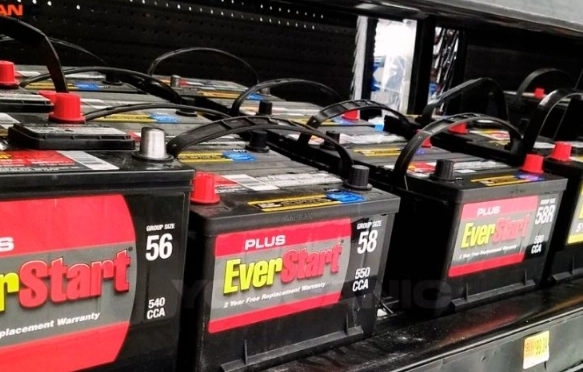
Then there's lithium-ion. Super light, powerful, and long-lasting, but the price is astronomical for a primary car battery (think $800+). You see these mostly in high-end racing or extreme off-roading. For 99% of us, it's not a relevant factor for car battery replacement cost.
Pro Tip: Check your owner's manual! It will specify the recommended battery type (like BCI Group Size) and sometimes the technology (e.g., "AGM required"). Putting the wrong type in can cause charging system problems. The Battery Council International (BCI) sets these group size standards, so their website is a good reference for compatibility.
2. Power Ratings: CCA and RC
CCA stands for Cold Cranking Amps. It's the number of amps a battery can deliver at 0°F for 30 seconds while maintaining a voltage above 7.2 volts. In plain English: can it start your car on a freezing morning? A bigger engine or a car in a cold climate needs more CCA. More CCA usually means more lead plates inside, which means a more expensive battery.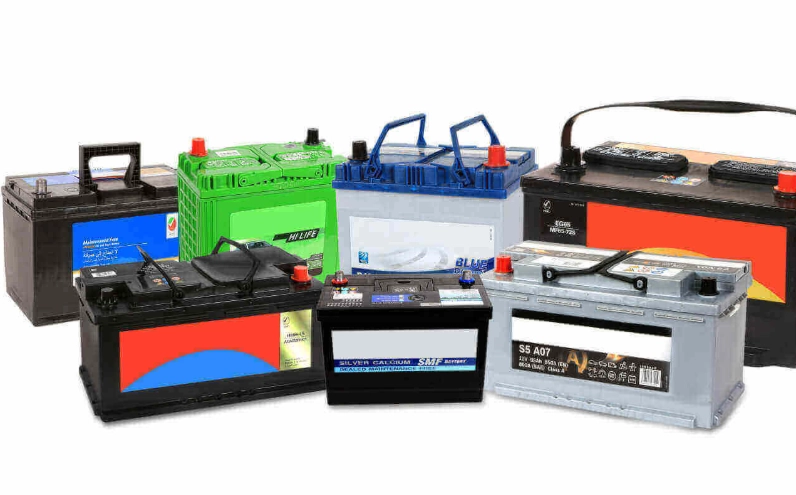
RC is Reserve Capacity (minutes). If your alternator dies, how long can the battery run the car's essential electronics? Higher is better, and it also adds cost.
Don't just buy the highest CCA you can find. Match or slightly exceed your car's original specification. Going way over is just wasting money on power you'll never use.
3. Brand Name vs. Store Brand
You'll recognize names like Optima, Odyssey, or DieHard. Then you'll see store brands from AutoZone (Duralast), Advance Auto (Autocraft), or Walmart (EverStart). The big brands often command a premium for perceived quality and marketing.
Here's the inside scoop: there are only a handful of major battery manufacturers in the world (like Clarios, which makes many private-label batteries). A store-brand battery is often made by one of these giants to the retailer's specifications. A Duralast Gold and an Interstate AGM might be extremely similar under the hood, but their car battery prices could differ based on warranty, marketing, and where you buy it.
I tend to look at the warranty first, then the price. A 3-year free replacement warranty from a store brand is often a better deal than a 1-year warranty from a fancy brand at the same price.
4. The Warranty (This is HUGE)
The warranty is the manufacturer's bet on how long the battery will last. It's usually split: a period of free replacement (if it fails, you get a new one, no pro-rata), followed by a pro-rata period (you get a credit based on how long you had it).
A battery with a 5-year total warranty (3-year free replacement, 2-year pro-rata) will cost more than one with a 3-year total (1-year free, 2-year pro-rata). That longer free replacement period is expensive for them to offer, so they charge you for it. Personally, I aim for at least a 3-year free replacement. It aligns with a reasonable expected lifespan and saves headache.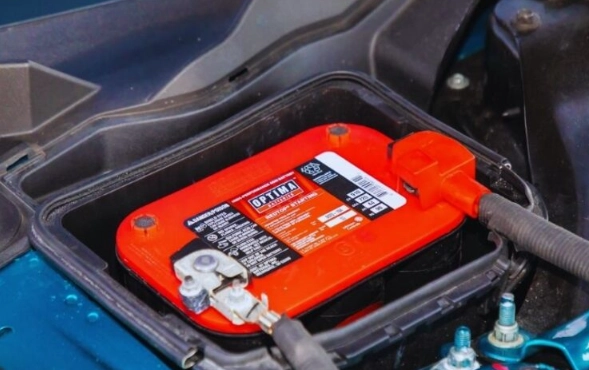
5. Where You Buy It
This alone can swing the price by 30% or more on the exact same battery.
- Big Box Stores (Walmart, Costco): Often have the lowest upfront car battery cost. Their buying power is insane. The downside? Installation might be DIY or a simple hook-up, and expertise can vary.
- Auto Parts Chains (AutoZone, O'Reilly, Advance): Middle of the road on price, but they frequently run promotions ("$50 off with code"). Their staff usually knows more, and they offer free installation on many vehicles. Huge convenience factor.
- Dealerships: Almost always the most expensive. You're paying for the OEM (Original Equipment Manufacturer) stamp and dealer labor rates. Unless your car has a very unusual or programmed battery, this is rarely the best value.
- Service Stations / Mechanics: They'll mark up the battery from their wholesale cost and charge for installation. The benefit is they handle everything and can diagnose if the battery is truly the problem. You're paying for the full-service experience.
- Online (Amazon, RockAuto): Can have great deals, especially on less common sizes. But you have to factor in shipping (batteries are heavy!), and you're on your own for installation and old battery disposal.
Watch Out: The rock-bottom online price might not include a "core charge." This is a refundable deposit (usually $15-$25) you get back when you return your old battery for recycling. Always check the final price including core and shipping.
How to Actually Save Money on Your Next Battery
Knowing the factors is one thing. Using that knowledge to keep money in your wallet is another. Here's my practical playbook.
Don't Wait for the Dead of Winter. Battery demand (and prices) spike when the first cold snap hits. If your battery is over 4 years old, consider replacing it in the fall. You'll have more selection, might find a sale, and avoid the emergency tow truck fee.
Shop the Promotions, Seriously. Auto parts stores constantly rotate sales. Common ones: "$20 off with code BATTERY20," "Free installation," or a gift card with purchase. I never pay full retail. A quick search for "Autozone battery coupon" or checking retailmenot.com before you click "buy" can save real money.
Consider the Total Cost of Ownership. That cheap car battery for $89 with a 12-month warranty might seem like a win. But if it dies in 25 months and you have to buy another, you've spent $178 and had two hassles. The $160 battery with a 48-month warranty might be cheaper per year of service.
Do You Really Need Installation? For many front-engine, easy-access cars, swapping a battery is a 10-minute job with basic tools (wrench, socket set). YouTube your car's make/model + "battery replacement." If it looks straightforward, you can save $20-$50 in labor. Just remember: disconnect the NEGATIVE (black) terminal first, and reconnect it last. Safety first.
Always Return Your Core. That old battery is worth money! Don't let it collect dust in your garage. Take it back to any retailer that sells batteries (even if you didn't buy there) to get your core charge refund. It's also the environmentally responsible thing to do—lead is the most recycled material in the world.
Your Car Battery Price Questions, Answered
I've gotten a lot of questions from friends and readers over the years. Here are the most common ones that pop up around car batteries prices.
Q: Is it worth paying for an expensive "premium" battery?
A: It depends on your car and your climate. For a new car with a start-stop system (the engine shuts off at red lights), you likely need an AGM battery, which is a premium product. For an older, basic car in a mild climate, a mid-range battery is perfectly fine. The "premium" might get you an extra year of life, but not necessarily 3x the life for 2x the price. Look at the warranty as a guide to its expected lifespan.
Q: Why is my car's battery so much more expensive than my friend's?
A: The top three reasons: 1) Your car needs an AGM battery (common in European cars, luxury brands, cars with start-stop). 2) It's a weird size or shape. Less common group sizes cost more to produce. 3) It requires more power (CCA). A big V8 or turbocharged engine needs a bigger punch to start.
Q: Can I just buy the cheapest battery that fits?
A: You can, but I wouldn't recommend it as a rule. It's a bit like buying the cheapest tires. It's a critical safety and reliability component. The cheapest batteries often use thinner lead plates and less robust materials to hit that price point. They might fail sooner, especially under stress (very hot or cold weather). If the car is a beater you're selling next month, maybe. For a daily driver you rely on, invest a little more.
Q: Do prices go up in winter?
A: Not the MSRP necessarily, but demand does, which can reduce discounting and promotions. The real cost of a dead battery cost in winter includes the inconvenience and potential danger of being stranded in the cold. Replacing a weak battery in the fall is often the smarter financial move.
Q: How much should installation cost?
A: Many auto parts stores do it for free if the battery is easily accessible (not buried under the windshield cowl or in the wheel well). Independent shops typically charge 0.3 to 0.5 hours of labor, which could be $30-$75 depending on their rate. Dealerships will be at the top end of that or higher. Always ask for a quote before agreeing.
The Bottom Line on Car Battery Costs
Navigating car battery prices doesn't have to be a mystery or a source of anxiety. It boils down to a few key decisions. First, figure out what your car actually needs (check the manual or your old battery's label). Don't overbuy on CCA, but don't underbuy on quality if this is your primary vehicle.
Second, shop around, but shop smart. Compare the total price (battery + core + tax) and the warranty terms, not just the sticker. A sale at an auto parts store with free installation can be a better deal than a slightly cheaper online price where you do all the work.
Finally, think of it as a 3-5 year investment in not being stranded. A good battery is cheap insurance. The few extra dollars you might spend for a longer warranty and a reputable brand pay you back in peace of mind.
Oh, and one last thing. If your battery is dying, you might notice it before it completely fails. Slow cranking, dimming headlights when idling, or the battery warning light flickering. When you see those signs, start your research. You'll get a much better deal when you're not desperate.
Hope this takes some of the guesswork out of your next battery purchase. Stay charged out there!