What You'll Find in This Guide
Here's the truth upfront: an oil change usually runs between $35 and $75 for conventional oil, and $65 to $125 for full synthetic. But I've watched bills hit $200 when shops tack on extras you don't need. After a decade of fixing cars and chatting with mechanics, I'll walk you through what you should actually pay, why prices vary, and how to dodge the common traps that inflate your bill.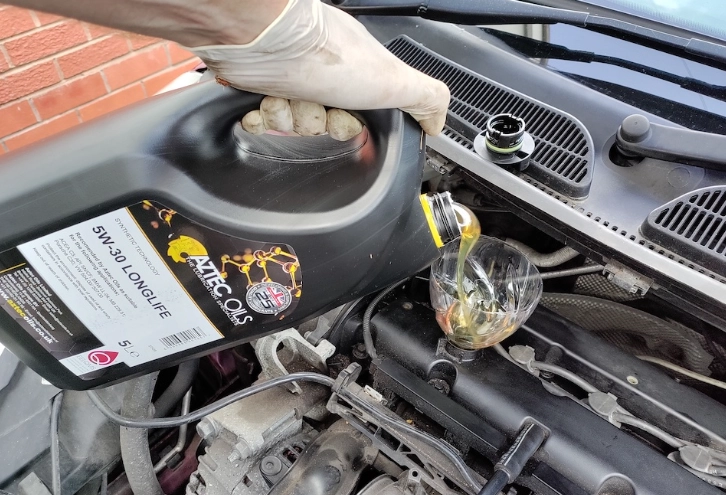
What Factors Influence Oil Change Costs?
Several things push the price up or down. Let's break them down.
Type of Oil: Conventional vs. Synthetic
Conventional oil is the budget option, typically $20-$50 for the oil itself. Synthetic oil costs more—around $45-$100—but it lasts longer and offers better engine protection. Most newer cars demand synthetic, so peek at your owner's manual. A blend sits in the middle, costing $30-$70.
Your Vehicle's Make and Model
Luxury or performance vehicles often need specialty oil or pricier filters. For instance, a synthetic change for a BMW might be $100-$150, while a Toyota Corolla could be $40-$80. Trucks and SUVs with larger engines also cost more due to extra oil volume.
Where You Go for Service
Dealerships are convenient but charge a premium, often $80-$150. Independent repair shops are cheaper, averaging $50-$100, and they might offer more personalized service. Quick lube chains like Valvoline or Jiffy Lube fall in the $45-$90 range, but beware of the upsell frenzy—I once got talked into a $30 air filter I didn't need.
Additional Services and Location
Shops often recommend add-ons like tire rotations ($20-$50), fluid top-offs ($10-$30), or inspections. These can quickly double your bill. Geographic location matters too; urban areas tend to have higher labor rates than rural towns. According to AAA's annual maintenance cost survey, prices can vary by up to 20% based on region.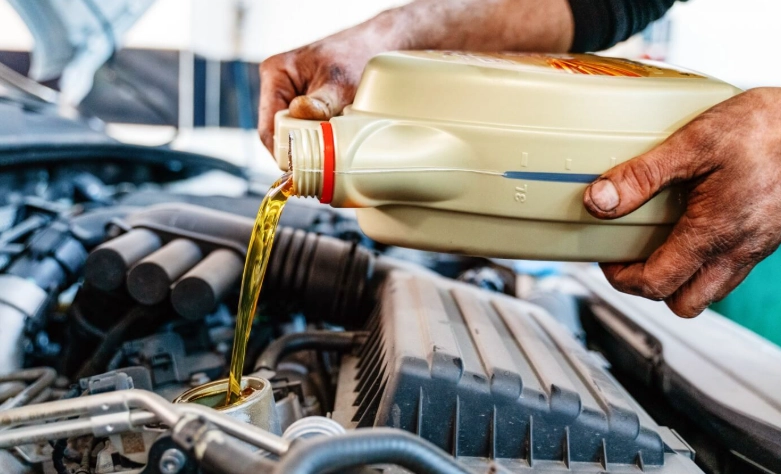
Average Oil Change Prices by Oil Type
Based on my experience and industry data from sources like the Automotive Service Association, here's a realistic price table. Keep in mind these are estimates for a standard passenger car, including labor and a basic filter.
| Oil Type | Average Cost Range | Typical Service Provider | Notes |
|---|---|---|---|
| Conventional | $35 - $75 | Independent shops, some chains | Best for older cars with simple engines |
| Synthetic Blend | $50 - $90 | Most quick lube places | A middle-ground option for moderate driving |
| Full Synthetic | $65 - $125 | Dealerships, specialty shops | Recommended for newer or high-performance vehicles |
| High-Mileage Synthetic | $80 - $150 | For vehicles over 75,000 miles | Contains additives to reduce leaks and wear |
These prices assume no extras. If you drive a diesel engine or a hybrid, expect to pay 10-30% more due to specialized requirements. For example, my friend's diesel pickup costs about $120 for a synthetic change at a local shop.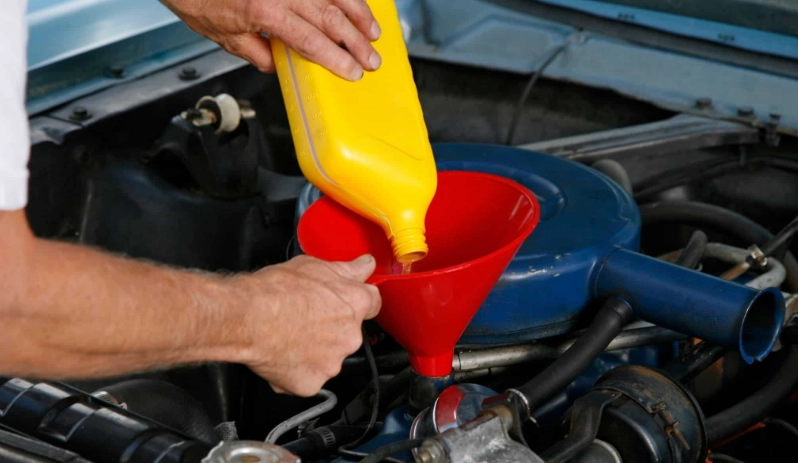
Price Comparison: Dealership vs. Independent Shop
Let's get specific. I called around in my area (a mid-sized city) and found that for a full synthetic change on a Honda Accord:
- Dealership: Quoted $89.99, but they included a "multi-point inspection" that often leads to more work.
- Independent Shop: Charged $69.99 with a coupon from their website.
- Quick Lube Chain: Offered $74.99, but tried to sell me a $40 fuel system cleaning.
The independent shop saved me $20, and the mechanic took time to explain the oil filter quality—something dealerships rarely do.
How to Save Money on Your Next Oil Change
You don't have to overspend. Here are actionable tips I've used myself.
Hunt for Coupons and Promotions: Check websites like Groupon or the service provider's social media pages. Many shops offer $10-$30 off for first-time customers or online bookings. Last month, I snagged a synthetic change for $55 at a local chain by using a digital coupon.
Consider a DIY Oil Change: If you're handy, doing it yourself can cost as low as $25 for oil and a filter. But remember the hidden costs: you'll need tools like a wrench and oil drain pan, plus you must dispose of the old oil properly (most auto parts stores take it for free). For beginners, I recommend watching a tutorial specific to your car model—the Environmental Protection Agency (EPA) has guides on safe disposal.
Shop Around and Negotiate: Call at least three local shops for quotes. Ask for an itemized estimate. Sometimes, mentioning a competitor's lower price can get you a discount. I've saved $15 just by saying, "Your rival down the street offers it for $60."
Avoid Unnecessary Add-ons: Shops often push services like fuel injector cleaning or coolant flushes. Unless your car's manual specifies it or you notice performance issues, politely decline. A common upsell is the "premium" oil filter; standard ones are usually fine unless you drive in extreme conditions.
Time Your Service Wisely: Prices can drop during off-peak seasons like late fall or early spring, when shops are less busy. Also, consider buying your own oil and filter from a retailer like AutoZone—some shops charge only labor if you supply the parts, cutting costs by 20%.
Common Mistakes to Avoid When Getting an Oil Change
Even experienced car owners slip up. Here's what to watch, based on my own blunders and chats with mechanics.
Not Checking the Oil Filter Quality: Some budget shops use cheap filters that clog quickly. Insist on a reputable brand like Fram or Mobil 1, or bring your own. I learned this after a filter failed in my old sedan, causing engine noise.
Ignoring the Correct Oil Viscosity: Using the wrong oil grade (like 5W-30 instead of 0W-20) can harm your engine over time. Always match the viscosity listed in your owner's manual. A shop once put in thicker oil, claiming it was "better," but it reduced my fuel efficiency.
Overlooking the Drain Plug and Gasket: If the plug isn't tightened properly or the gasket is worn, you risk leaks. I've seen cars drip oil in driveways because of this. Ask the technician to double-check it.
Falling for the "3,000-Mile Myth": Many modern cars with synthetic oil can go 7,500 to 10,000 miles between changes. Following the old 3,000-mile rule wastes money and oil. Check your manual—my SUV recommends changes every 8,000 miles, saving me two trips a year.
Not Getting a Receipt with Details: Always request a receipt that lists the oil type, filter brand, and labor cost. This helps with warranty claims and future comparisons. A shop once charged me for synthetic but used a blend; the receipt proved it, and I got a refund.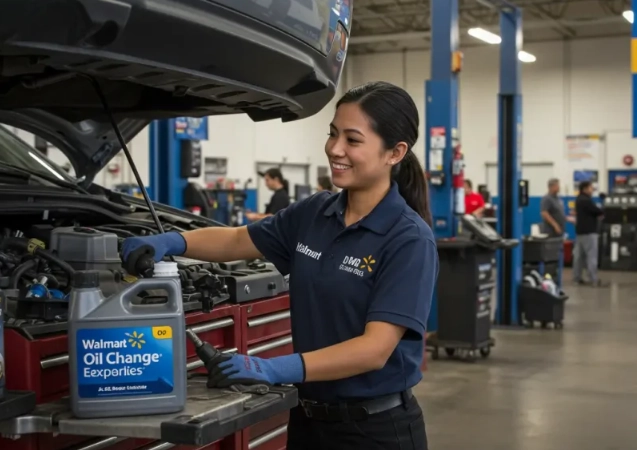
FAQ: Your Oil Change Cost Questions Answered