You're standing in the auto parts aisle, staring at shelves of shiny bottles. Some say "Motor Oil." Others say "Engine Oil." Your car's manual just says "change the oil." Is there a secret difference? Are you about to buy the wrong thing and ruin your engine?
Let's cut through the noise right now. In practical, mechanical terms, motor oil and engine oil refer to the exact same product. It's the vital lubricant for your car's internal combustion engine. The terms are used interchangeably. The real confusion—and where you can make costly mistakes—isn't about the name on the bottle. It's about what's inside the bottle: the type, the viscosity grade, and the specifications that actually matter for your specific vehicle.
This guide isn't a rehash of basic product descriptions. We're going deeper. I've spent years in workshops and talking to lubrication engineers, and I see the same simple errors trip up even careful car owners. We'll cover what the labels really mean, how to decode your manual's requirements, and why the cheapest or most expensive option isn't always the right one.
What's Inside This Guide
The Simple Truth Behind the Terms
Think of it like "soda" vs "pop." It's regional, it's habitual, but you're asking for the same fizzy drink. Historically, "motor oil" was a broader term that could encompass lubricants for various motors (like simple two-stroke engines). "Engine oil" specifically targeted the complex, high-temperature, four-stroke engines in cars.
Today, that distinction has all but vanished in consumer automotive contexts. The American Petroleum Institute (API), the leading authority on oil standards, uses the terms interchangeably in its consumer communications. When you see a bottle labeled "SAE 5W-30 Full Synthetic Motor Oil" and another labeled "SAE 5W-30 Full Synthetic Engine Oil" from the same brand, they are identical products with different marketing labels.
So, you can breathe a sigh of relief. You won't damage your car by picking a bottle that says "motor" instead of "engine." The trap is assuming all oils are the same just because the first word matches. That's where we go next.
The Real Differences That Actually Matter
Forget the title on the front. Turn the bottle around and look at the back. The critical information is in three areas: the oil type (its base composition), its viscosity (thickness grade), and its service specifications.
1. Oil Types: Synthetic, Conventional, and Blends
This is about what the oil is made from. The difference here is massive for performance and protection.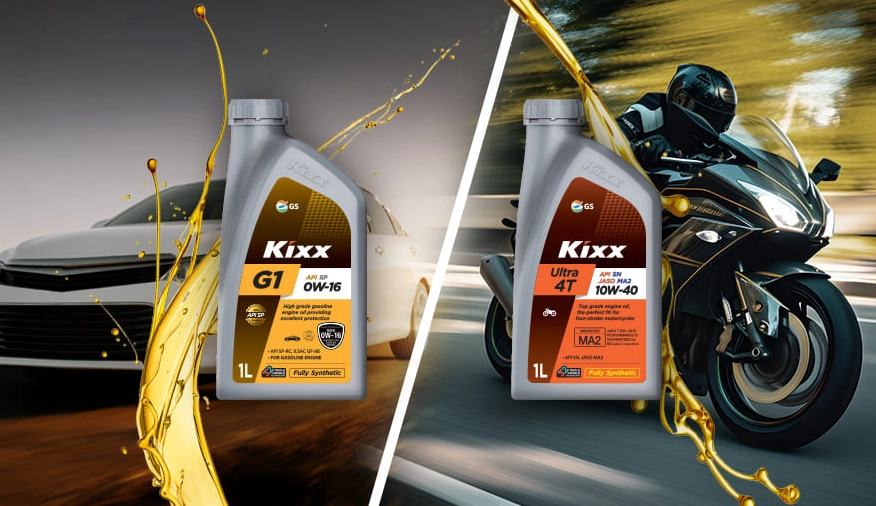
| Type | What It Is | Best For | Typical Cost per 5-Quart Change |
|---|---|---|---|
| Full Synthetic | Chemically engineered molecules for maximum stability, fewer impurities, and superior performance in extreme heat and cold. | Modern engines (especially turbos), high-performance cars, severe driving conditions (very hot/cold, towing), and extending drain intervals. | $45 - $80 |
| Synthetic Blend | A mix of synthetic and conventional base oils. Offers a middle-ground of better protection than conventional at a lower cost than full synthetic. | Older vehicles that don't require full synthetic, moderate towing, drivers wanting a step up from conventional without the full cost. | $30 - $50 |
| Conventional (Mineral) | Refined directly from crude oil. Contains more natural impurities and less stable molecules. | Older, simple engines with low stress and clearances designed for this type of oil. Not suitable for most cars made after roughly 2010. | $25 - $40 |
| High-Mileage | Can be synthetic or conventional, but with added seal conditioners and anti-wear additives. Designed for engines with over 75,000 miles. | Older engines that may have minor seal leaks or wear, to help reduce oil consumption and quiet noisy lifters. | $35 - $70 (varies by base type) |
Here's a non-consensus point: The buzz around synthetic blends is often marketing fluff. The blend ratio isn't standardized—it could be 10% synthetic or 90%. You're paying for an unknown quantity. If your car's manual recommends synthetic, just use a reputable full synthetic. The cost difference over a year is less than a tank of gas, and the protection is unequivocally better.
2. Viscosity Grade (e.g., 5W-30): The "Thickness"
This is the most critical number on the bottle after your car's required specification. It's not just "thickness"; it's the oil's flow characteristics at cold (the "W" for Winter) and hot temperatures.
- 5W-30: The 5W means it flows like a 5-weight oil in cold weather for easier cold starts. The 30 means it acts like a 30-weight oil at your engine's normal operating temperature (around 212°F/100°C).
- Using a thicker oil (like 10W-40) in an engine designed for 5W-30 can cause poor cold-start lubrication and reduced fuel economy.
- Using a thinner oil than specified can lead to inadequate film strength under load, causing increased wear.
Never guess viscosity. Your car's manufacturer spent millions determining the optimal grade for bearing clearances, oil pump pressure, and fuel efficiency. Find the recommended grade in your owner's manual or on the oil filler cap. Sticking to it is non-negotiable.
3. Service Specifications (API, ACEA, ILSAC)
This is the alphabet soup that guarantees the oil meets specific performance tests. For most US drivers, look for the API "Donut" symbol. The current standard for gasoline engines is API SP. This isn't just a new letter; SP oils include improved protection against low-speed pre-ignition (a problem in turbocharged direct-injection engines) and better timing chain wear protection.
If your manual says "API SN or later," an SP oil is perfect. Using an older specification oil (like SM or SN) in a newer engine that recommends SP means you're missing out on crucial, modern additive chemistry.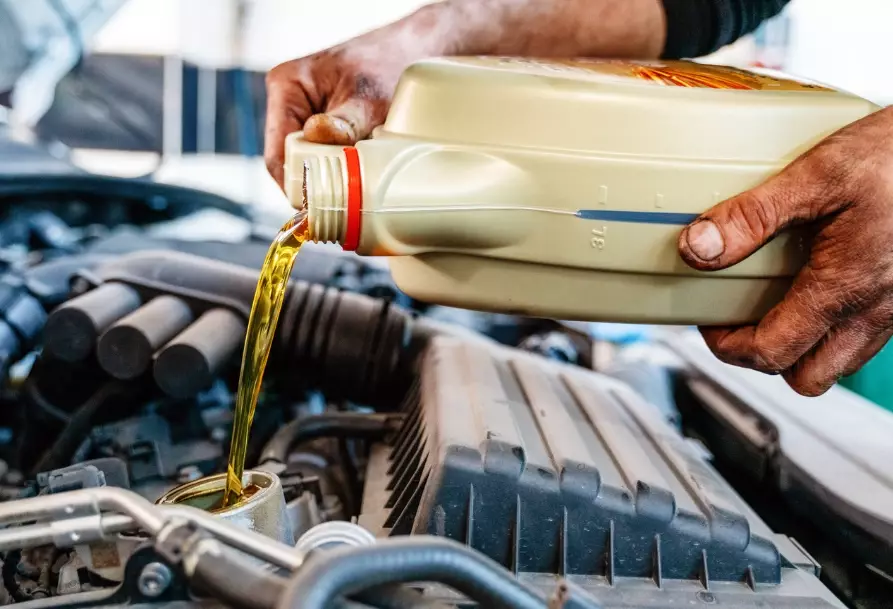
The One Thing Most People Miss
Car manufacturers often have their own corporate specifications beyond API. For example, Volkswagen/Audi might require an oil that meets VW 508 00/509 00, and Mercedes-Benz uses MB 229.71. These are stricter than the general API standards. If your manual lists one of these, you must use an oil that explicitly states it meets that spec on the bottle. An API SP oil alone won't cut it. Ignoring this can void warranty claims related to the engine.
How to Choose the Right Oil: A Step-by-Step Filter
Let's make this actionable. Imagine you drive a 2018 Honda Civic. Here's your decision funnel:
- Consult the Manual: Open to the maintenance section. It says: "Use Genuine Honda Motor Oil or equivalent commercial engine oil. Recommended viscosity: 0W-20. API Certification: API SN or ILSAC GF-5 or later."
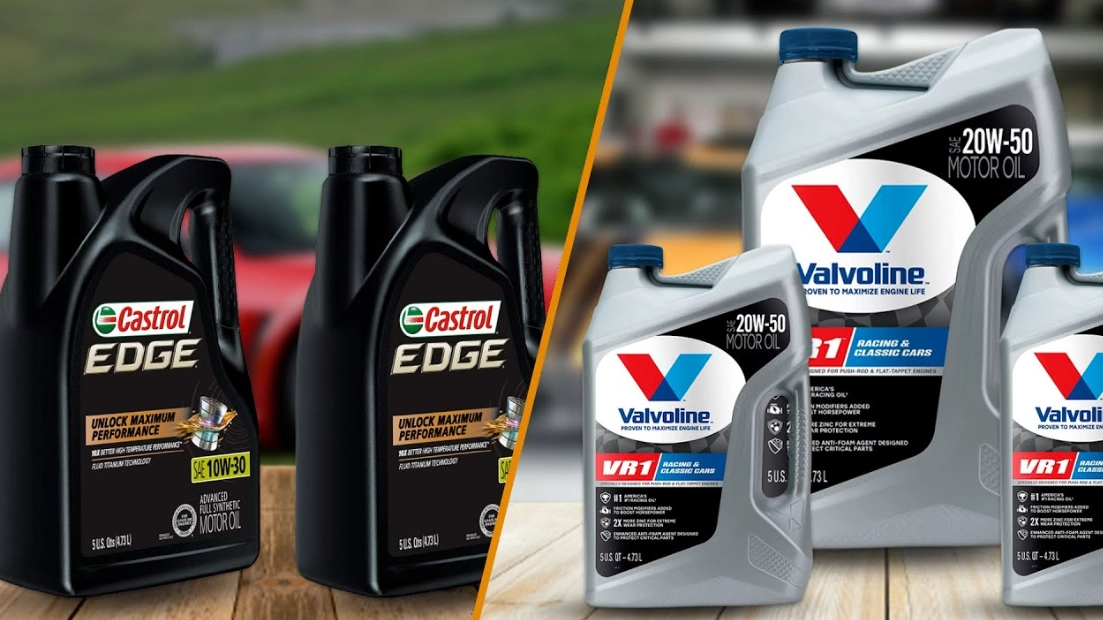
- Lock in Viscosity: Your search is now for 0W-20 oil. Ignore all 5W-20 or 5W-30 bottles.
- Check for Latest Specs: Since it says "or later," look for the current API SP and ILSAC GF-6A standards. This is better than the minimum SN/GF-5.
- Choose Type Based on Use: You do mostly city driving with short trips. This is considered "severe service." A Full Synthetic 0W-20 with API SP is the best choice for sludge prevention and cold-start protection.
- Verify on Bottle: Pick up a bottle. Front says "Full Synthetic 0W-20 Motor Oil." Back label shows the API Donut with "SP" and the words "Meets ILSAC GF-6A." Perfect match.
This process works for any car. The manual is your bible.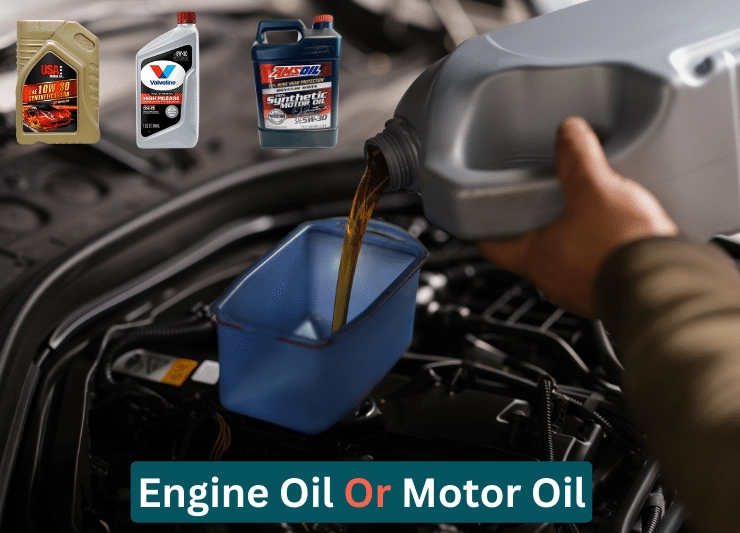
3 Common Mistakes to Avoid (That Mechanics See Daily)
1. The "Thicker Is Better" Fallacy. An old mechanic's tale for fixing a noisy lifter or slight oil consumption. Pouring in 20W-50 into a modern engine designed for 5W-30 is a band-aid that causes long-term harm. It strains the oil pump, reduces fuel economy, and can lead to oil starvation at startup. Fix the underlying problem, don't mask it with wrong viscosity.
2. Blindly Using "High-Mileage" Oil. If your car has 85,000 miles but isn't burning or leaking oil, you might not need it. The seal conditioners can sometimes cause issues with certain synthetic seals. If your engine is clean and tight, a good quality standard full synthetic is often the better choice.
3. Mixing Different Types or Brands. In an emergency, adding a quart of conventional to a synthetic fill is okay to get you to a shop. But don't make it a habit. Different additive packages can interact, reducing effectiveness. It's better to do a full change with the correct, consistent product.
Your Burning Questions, Honestly Answered
Let's wrap this up. The debate between motor oil and engine oil is a linguistic ghost. The real task is being a literate consumer of the specifications that govern those oils. Your car's manual isn't a suggestion booklet; it's the engineering team's direct instructions for longevity.
Stop worrying about the title on the front label. Start focusing on the three keys on the back: the right type for your driving and engine, the exact viscosity grade mandated by your manufacturer, and the latest service specifications (like API SP). Get those three things right, and change the oil at the recommended intervals with a good filter, and your engine's internal components will thank you for hundreds of thousands of miles.
It's that simple, and that important.