Quick Navigation
Let's talk about car headlights. More specifically, let's talk about how yours are probably not as good as they could be. If you're still rolling with the yellowish glow of old halogens, driving at night feels like squinting into a void. You lean forward, your shoulders get tense – it's just not safe. That's where the idea of swapping to an LED headlight bulb comes in. It's one of the most common and impactful upgrades you can do, but the internet is full of confusing specs, wild claims, and cheap products that promise the sun but deliver a flickering candle.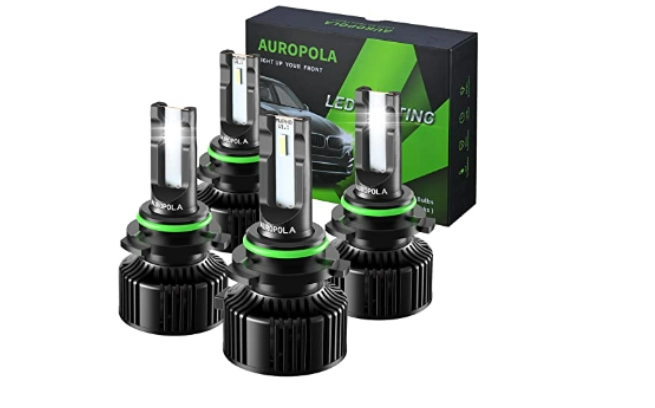
I've been there. I bought a no-name set of LED bulbs online years ago. They were bright, sure, but they scattered light everywhere, blinding oncoming traffic and lighting up the trees more than the road. It was a mess. I learned the hard way that not all LED headlight bulbs are created equal. This guide is what I wish I had before I started – a clear, detailed, and honest look at everything you need to know.
What Exactly Is an LED Headlight Bulb, and Why Should You Care?
At its core, an LED (Light Emitting Diode) headlight bulb is a solid-state light source that uses a semiconductor to emit light when an electrical current passes through it. Think of it like a tiny, super-efficient chip that glows. This is a totally different technology from the glowing filament in a halogen bulb or the electric arc in an HID (Xenon) system.
The shift to LED technology for headlights has been a game-changer. Car manufacturers love them for their efficiency and design flexibility, and DIYers love them for the dramatic improvement they can bring to older cars. But to understand why they're such a big deal, you need to see how they stack up against the old ways.
The Good Stuff (The Pros)
- Brighter, Whiter Light: A quality LED headlight bulb produces a much higher lumen output (more on that later) with a color temperature closer to daylight. This reduces eye strain and improves contrast, making it easier to distinguish objects.
- Crazy Long Life: We're talking 30,000 to 50,000 hours. You'll likely sell the car before the bulbs fail. No more annual bulb changes.
- Energy Efficient: They draw significantly less power from your car's electrical system than halogens. This can be a big deal for older vehicles or if you're running other accessories.
- Instant On: Full brightness the moment you flip the switch, unlike HIDs that need a warm-up period.
- Durability: No fragile filament to break from vibration. They're much more resistant to bumps and potholes.
The Not-So-Good Stuff (The Cons)
- Heat Management is Key: While LEDs run cooler than halogens in terms of radiant heat, the diodes themselves generate intense heat at the semiconductor junction. A poorly designed bulb without a good heatsink or fan will fry itself quickly. This is where many cheap bulbs fail.
- Potential for Glare: This is the #1 complaint. Halogen housings are designed for a specific filament position. If the LED chips in your replacement bulb aren't in the exact same spot, the light pattern will be wrong, causing glare for other drivers. Not cool, and often illegal.
- Cost: A good pair of LED bulbs costs more upfront than halogens. But you're paying for years of service.
- Can-Be-Complicated Fit: Sometimes the fan or heatsink is bulky, and it's a tight squeeze behind the headlight housing. You might need to get creative or remove parts to make them fit.
| Feature | Halogen Bulb | HID (Xenon) Kit | LED Headlight Bulb |
|---|---|---|---|
| Technology | Incandescent Filament | High-Intensity Discharge (Gas Arc) | Light Emitting Diode |
| Typical Lifespan | 450 - 1,000 hours | 2,000 - 5,000 hours | 30,000 - 50,000 hours |
| Power Draw (for similar light) | 55W - 65W | 35W | 20W - 30W |
| Time to Full Brightness | Instant | 5-30 second warm-up | Instant |
| Common Color Temperature | 3200K (Yellowish) | 4300K - 8000K (White to Blue) | 5000K - 6500K (Pure White) |
| Biggest DIY Challenge | None | Installing ballasts/igniters | Fitment & proper beam pattern |
So, is an LED headlight bulb the right choice? For most people looking for a modern, reliable, and long-lasting upgrade, the answer is a cautious yes. The "cautious" part is all about choosing the right one and installing it correctly.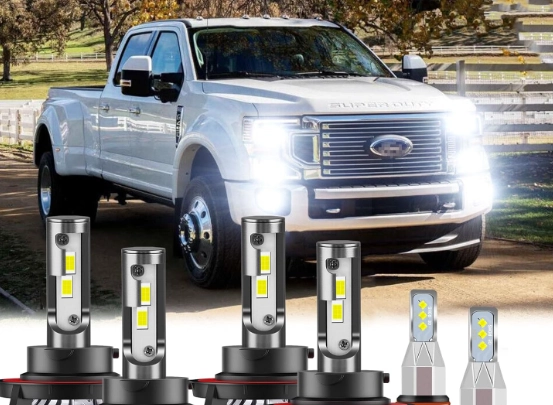
Choosing the Right LED Bulb: A Buyer's Checklist
This is where people get lost. You'll see ads screaming "200W! 100,000 Lumens! Super Bright!" It's mostly nonsense. Let's cut through the marketing and look at what actually matters when you're shopping for an LED headlight bulb.
The Holy Trinity of Specs: Lumens, Kelvin, and Fit
First, you need to know your bulb size. This isn't a suggestion. Pop out your old bulb or check your owner's manual. Common types are H1, H4 (9003), H7, H11, 9005 (HB3), 9006 (HB4). Buying the wrong size is a guaranteed waste of time and money.
Now, for the important numbers:
- Real Lumens (Not "Equivalent" Lumens): Lumens measure total light output. A standard 55W halogen H11 puts out about 1,000-1,200 lumens. A good LED replacement should be in the 2,500 to 4,000 per bulb range. Be skeptical of claims over 6,000 lumens per bulb from a tiny chip – it's often exaggerated. Look for brands that use reputable LED chips like Cree, Philips Lumileds, or Osram.
- Color Temperature (Kelvin - K): This is the shade of white. 4300K-5000K is a warm, pure white – ideal for headlights as it cuts through fog and rain better. 6000K is a crisp, cool white (like daylight). Anything above 6500K starts getting blue and then purple. The blue light scatters more in the atmosphere and in your eyes, reducing effective visibility in bad weather. My personal sweet spot is 5000K-5500K.
- Beam Pattern is Everything: This is the most critical factor for safety and legality. The product must be designed to mimic the halogen filament's position. Look for keywords like "CANbus ready" (to avoid error messages on modern cars) and, more importantly, "projector-ready" or "reflector-ready." Some high-end bulbs are specifically engineered for one type of housing. A bulb made for a projector lens (which has a sharp cutoff) might not work well in a reflector housing, and vice versa.
My Opinion on Color: I made the mistake of going for 6500K bulbs once because I liked the blue-ish tint in the daytime. At night, on a rainy road, they were terrible. The light just bounced back at me from the wet asphalt. I swapped them for 5000K bulbs, and the difference was night and day (pun intended). Stick to the lower end of the Kelvin scale for actual driving.
Cooling: Fan vs. Heatsink
LEDs need to stay cool. There are two main ways bulbs manage heat:
- Active Cooling (Fan): A tiny, high-RPM fan pulls air across the heatsink. Pros: Often more compact, can be very effective. Cons: It's a moving part that can fail, and it can be noisy (you might hear a faint whine). Dust can clog it over time.
- Passive Cooling (Heatsink): A large, finned aluminum piece dissipates heat naturally. Pros: Silent, no moving parts to break. Cons: Can be very large, making fitment difficult in tight engine bays.
I've used both. For most applications, a well-designed passive cooler is my preference for long-term reliability, if it fits. If space is tight, you'll need a fan model. Read reviews to see if people complain about fan failure.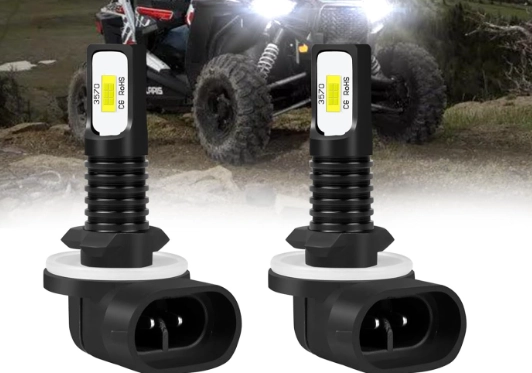
The Installation Process: It's Not Always Plug-and-Play
You've got your shiny new LED headlight bulbs. Now what? For many cars, it's straightforward. For others, it's a knuckle-busting puzzle. Here's a general roadmap.
First, safety. Disconnect the negative terminal of your car battery. It takes two minutes and prevents any electrical shorts.
Access is usually the biggest hurdle. Some cars (like many Hondas or Toyotas) let you reach the back of the headlight assembly from under the hood by just moving a few things aside. Others (looking at you, many German cars and full-size trucks) require you to remove the front bumper or the entire headlight assembly. A quick YouTube search for "[Your Car Year Model] headlight bulb replacement" will tell you what you're in for.
- Remove the old bulb: Unplug the connector, twist and remove the dust cap, release the spring clip or twist-lock holding the bulb, and pull it straight out. Do not touch the glass of a halogen bulb with your bare fingers. The oils from your skin can create hot spots and cause it to fail prematurely. If you do, clean it with rubbing alcohol.
- Test the new LED bulb: Before you try to fit everything in place, plug in the new LED headlight bulb and turn on your headlights. Make sure it lights up. This saves massive frustration if there's a DOA bulb.
- Secure the bulb and driver: The bulb itself will have a base that locks in just like the old one. The tricky part is managing the little black box (the driver/ballast) and the wires. Never let the driver dangle. Use the provided zip ties or double-sided tape to secure it to a solid, non-moving, and cool part of the car frame or body. Keep it away from hot engine parts and moving belts.
- Manage the dust cap: You might need to use a rubber grommet or a modified dust cap to fit the wires through. Most kits include these. A proper seal is important to keep moisture out of your headlight housing.
- Aim your headlights: This is non-negotiable. Even with a perfect beam pattern, the bulb sits slightly differently. Park on level ground facing a wall about 25 feet away. The cutoff line of your low beams should be at or slightly below the height of the headlight center on the wall. There are precise guides on the National Highway Traffic Safety Administration (NHTSA) website, but the wall method gets you 95% of the way there. Proper aim prevents you from being "that guy" blinding everyone.

Your LED Headlight Questions, Answered
I get asked these all the time. Let's tackle the big ones.
Are LED headlight bulbs even legal?
This is the murkiest area. In the United States, the Department of Transportation (DOT) and SAE certify complete headlight assemblies, not individual bulbs. According to federal regulations (FMVSS 108), a replacement bulb must be of a type that was originally designed for the housing. Since halogen housings were not designed for LED bulbs, a strict reading says they are not compliant. However, enforcement is almost entirely at the state inspection level. If your LED bulbs are properly aimed, don't cause excessive glare, and have the correct color (usually white, not blue), you will rarely have an issue. The NHTSA has published information on vehicle lighting equipment standards which is a good resource for understanding the rules.
Will they cause radio interference or error messages?
Cheap bulbs with poorly shielded drivers can sometimes cause static on AM radio. Modern bulbs are usually fine. Error messages ("Check Headlamp" on the dash) are common on cars with a bulb-out warning system. This is why you look for "CANbus" or "Error Free" bulbs. They have built-in resistors or circuitry that tricks the car into thinking the correct electrical load is present.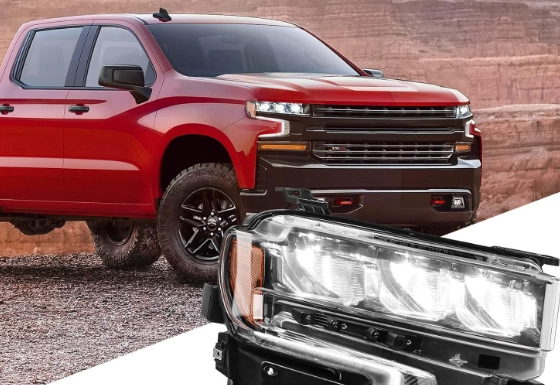
How long do they really last?
The LEDs themselves can last decades. The point of failure is almost always the driver (the little black box) or the cooling fan. A quality brand should last 3-5 years minimum, often much longer. That's still 5-10 times longer than a halogen.
Do I need to buy a special "kit" for my high beams or fog lights?
The process is identical. Just make sure you get the correct bulb size for those sockets. Fog lights often use H8, H11, or 9006 bulbs. High beams are sometimes separate (like a 9005) or part of a dual-filament bulb (like an H4) where one bulb does both low and high beam.
Beyond the Basics: Brands, Maintenance, and the Future
Once you've decided to make the jump, which brand do you trust? The market is flooded with options from $20 to $300 per pair.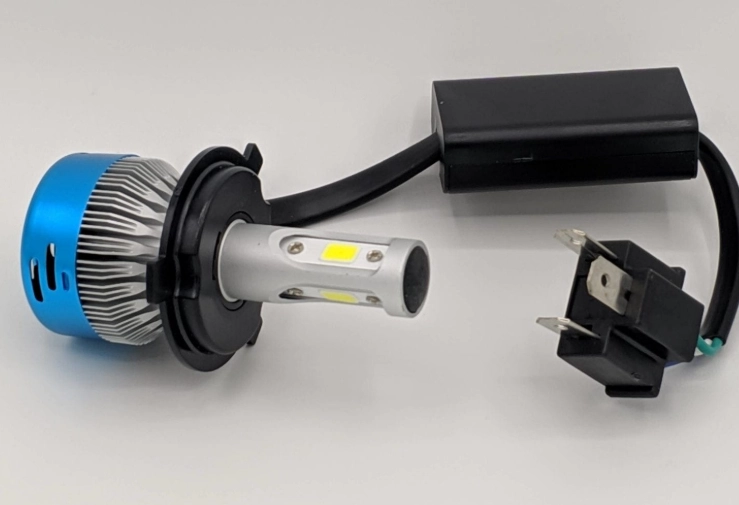
A Quick Look at LED Bulb Tiers
This isn't a strict ranking, but more of a guide to what your money gets you.
- Budget Tier ($20-$50/pair): Brands like Auxito, Hikari, SEALIGHT. Surprisingly decent for the price, often good output. The gamble is on longevity and perfect beam pattern. Great for a first try or an older car.
- Mainstream/Performance Tier ($50-$150/pair): Brands like Philips (Ultinon), OSRAM (Night Breaker), BEAMTECH, Fahren. These use name-brand LED chips and have much better thermal and optical engineering. This is the sweet spot for most serious upgraders. You're paying for reliability and a correct beam.
- Premium/Top-Tier ($150+/pair): Brands like GTR Lighting, Diode Dynamics, Morimoto. These are often sold by specialty automotive lighting retailers. They feature custom-designed optics to perfectly match specific housings, incredible build quality, and robust warranties. For enthusiasts who want the absolute best and safest output.
I've used bulbs from the first two tiers. My daily driver has a set from the performance tier that's been flawless for over three years. The budget ones I put in my old truck work, but the beam pattern isn't as crisp, and I don't trust them to last as long.
Maintenance is simple: keep them clean. Road grime on your headlight lens will scatter the light from even the best LED headlight bulb. Give the lenses a wipe when you wash your car. Periodically check that the bulbs are still seated firmly and the connections are dry.
Looking ahead, the technology isn't standing still. We're seeing the rise of adaptive driving beams (ADB) in new cars, where LEDs can be individually dimmed to create a shadow around oncoming cars while keeping the rest of the road fully lit. This tech is slowly getting approval in the US. For the aftermarket, we'll see more "smart" bulbs with adjustable color temperature or even basic adaptive features. The core goal remains the same: see better, be seen, and do it safely.
So, is upgrading to an LED headlight bulb worth it? If you value safety, convenience, and a modern look, absolutely. Just don't buy the cheapest pair you see on a random website. Do a little homework on your bulb size, prioritize a good beam pattern over insane lumen claims, and be prepared for a bit of a DIY project. The reward—a clear, bright, white path ahead on a dark road—is one of the most satisfying upgrades you can make to your car.
It turned my stressful night drives into something I don't even think about anymore. And that, more than any spec sheet number, is the real value.