That little orange engine light just popped on. Your heart sinks. Is it a loose gas cap or a failing catalytic converter? The difference could be $5 or $2,000. A decade ago, you had two choices: panic and drive straight to the mechanic, or ignore it and hope for the best.
Today, there's a third option. It's in your pocket.
Mobile auto diagnostics have completely changed the game for car owners. By plugging a small, inexpensive adapter into your car's OBD2 port and pairing it with an app on your phone, you can access the same stream of data that professional technicians see. This isn't just about reading codes. It's about understanding your vehicle's health in real-time, catching small issues before they become big bills, and walking into a repair shop armed with knowledge.
I've been using these tools for years, both as a DIY enthusiast and to verify repair estimates. Let me show you how it works, what to buy, and the mistakes most beginners make.
What’s Inside This Guide
What Mobile Car Diagnostics Really Are (Beyond the Hype)
Every car built since 1996 in the US (and similar dates elsewhere) has a standardized On-Board Diagnostics port, or OBD2. It's usually under the dashboard near the steering wheel. This port is your car's digital nervous system.
A mobile diagnostic setup has two parts:
The Hardware: A small scanner that plugs into the OBD2 port. It communicates with your car's computer (the ECU).
The Software: An app on your smartphone (iOS or Android) that talks to the hardware via Bluetooth or Wi-Fi, displaying the data in a readable format.
This combo lets you read Diagnostic Trouble Codes (DTCs)—those infamous P0300 (random misfire) or P0420 (catalyst efficiency) codes. But the real power lies in live data.
You can watch your engine's coolant temperature climb, see the oxygen sensor voltages fluctuate in real-time, monitor fuel trim percentages, and check the status of dozens of sensors. This is what turns a cryptic code into a solvable puzzle. Was the P0171 (system too lean) code triggered during idle or acceleration? Live data can tell you.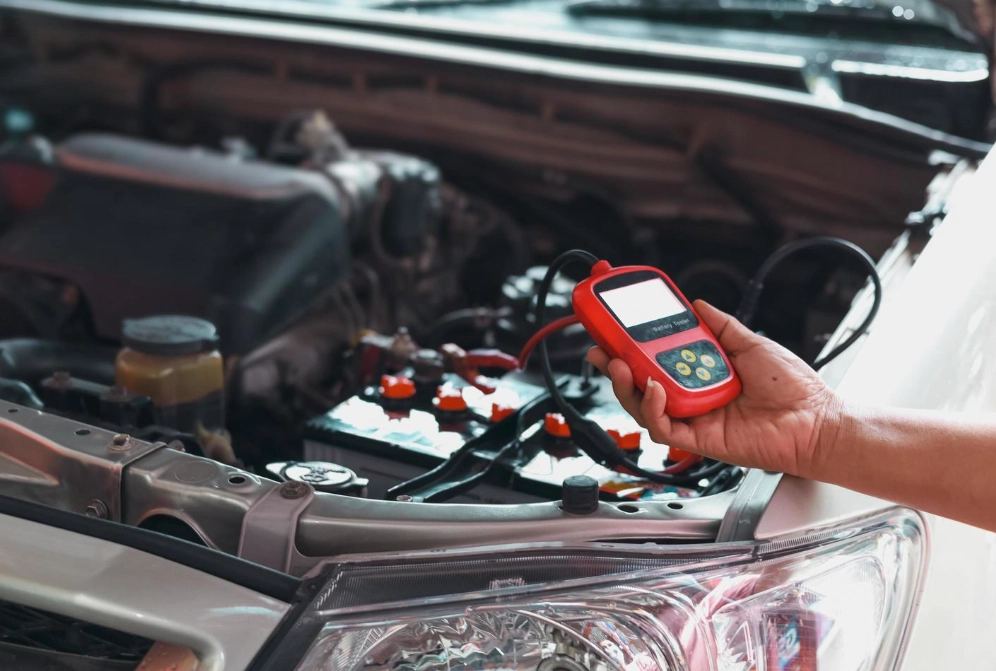
The Hardware Breakdown: Choosing Your OBD2 Adapter
Not all adapters are created equal. The market is flooded with options, from $10 generic dongles to $200+ professional-grade tools. Your choice depends on what you want to do.
Here’s a straightforward comparison based on my hands-on testing:
| Adapter Type | Typical Price | Key Features & Protocols | Best For | Biggest Limitation |
|---|---|---|---|---|
| Basic Bluetooth ELM327 (e.g., generic clones) |
$10 - $25 | Reads/clears basic codes, basic live data (PID). Uses Bluetooth. Often based on older ELM327 chips. | Beginners on a budget. Just want to read/clear the check engine light. | Unreliable connectivity, slow data refresh, may not support all manufacturer-specific codes. Many are poorly made. |
| Enhanced Wi-Fi/Bluetooth Scanners (e.g., OBDLink LX, MX+) |
$70 - $150 | Faster, more stable connection. Supports advanced protocols (CAN, MS-CAN, SW-CAN). Better app compatibility. Reads ABS, Airbag, Transmission codes (model dependent). | Serious DIYers and car enthusiasts who need reliable data and broader system access. | Higher cost. Some advanced features require paid app upgrades. |
| Integrated Vehicle-Specific Apps (e.g., FordPass, MyChevrolet) |
Often Free (with vehicle) | Built-in by the manufacturer. Provides health alerts, remote features, and some diagnostic info via connected vehicle services. | Owners of newer vehicles who want OEM-sanctioned alerts and convenience features. | Very limited raw diagnostic access. You only see what the manufacturer wants you to see. Requires subscription on older models. |
I started with a cheap ELM327 clone. It worked… sometimes. It would drop connection, freeze the app, and once even got stuck in the port. I upgraded to an OBDLink MX+ and the difference was night and day—faster, stable, and it could talk to my truck's transmission module, which the cheap one couldn't even see.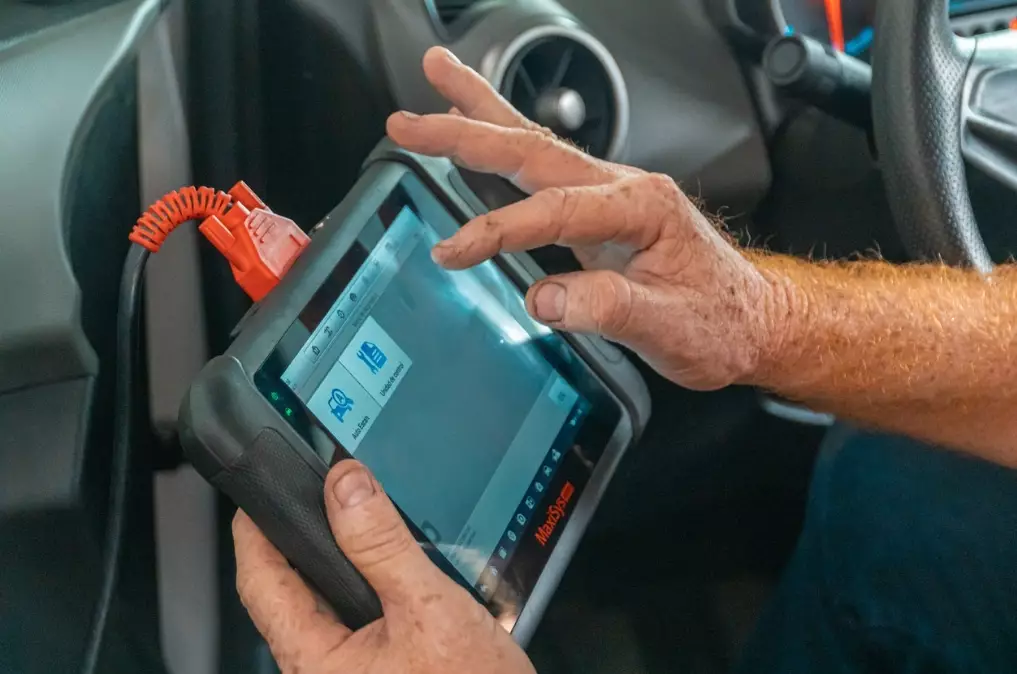
The App Ecosystem: Where the Magic Happens
The adapter is just a pipe. The app is the brains. Popular ones include Torque Pro (Android), OBD Fusion (iOS/Android), and Car Scanner (cross-platform). Some adapter brands, like OBDLink, have their own excellent apps.
These apps turn raw data into graphs, dashboards, and logs. You can set up a custom dashboard to show exactly the six parameters you care about. The good ones have extensive code libraries that explain what a code means, its likely causes, and sometimes even suggested fixes—though take those with a grain of salt.
How to Pick the Right Tool for Your Car & Skill Level
Don't just buy the first thing you see on Amazon. Think about this:
What's your car? A 2005 Honda Civic has simpler needs than a 2020 BMW with iDrive. Most basic scanners work fine on older, non-luxury brands. European cars, hybrids, and newer models often need more advanced protocols.
What's your goal? Just killing the check engine light before an emissions test? A basic tool might suffice. Want to diagnose a rough idle or monitor long-term fuel economy? You'll need reliable live data from a mid-range tool.
What's your phone? Ensure the adapter is compatible (Bluetooth for Android typically, Wi-Fi often better for iOS due to Apple's restrictions).
My rule of thumb: If you're even slightly serious about understanding your car, skip the ultra-cheap adapters. The frustration isn't worth the $30 you save. An enhanced scanner in the $70-$100 range is the sweet spot for 95% of DIYers.
Your First Diagnosis: A Step-by-Step Walkthrough
Let's make this concrete. Imagine your check engine light is on. Here’s exactly what to do.
Step 1: Locate and Plug In. Find your OBD2 port (consult your manual if needed). It should be within 2 feet of the steering column. Plug your adapter in firmly. You should see a power light on it.
Step 2: Connect Your Phone. Turn on your car's ignition (engine can be off or on for code reading). Open your phone's Bluetooth/Wi-Fi settings and pair with the adapter (the name is usually in the manual). Then open your diagnostic app.
Step 3: Connect the App. In the app, go to settings and select your adapter. It should establish a connection. You might see a prompt like "Link Established."
Step 4: Read the Codes. Tap a button usually labeled "Scan," "Read Codes," or similar. A list of codes (e.g., P0455 – Evaporative System Large Leak) will appear.
Step 5: Investigate, Don't Just Erase. This is the critical step most people miss. Tap on the code. Read the description. Now, before clearing anything, go to the live data menu. Look for relevant parameters. For a P0455, maybe look for fuel tank pressure or purge valve status. Take a screenshot.
Step 6: Clear Codes (If Appropriate). Only clear the code if you've fixed the issue or want to see if it returns immediately. Clearing a code also resets the ECU's readiness monitors, which will cause your car to fail an emissions test for a few drive cycles.
The whole process takes 5 minutes once you're familiar.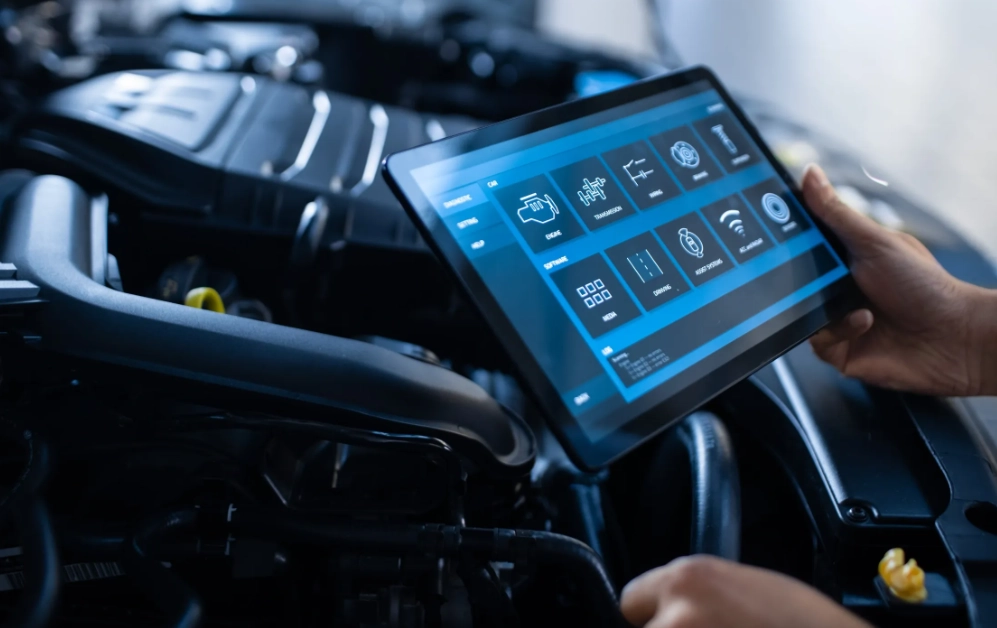
Pro Tips & Common Mistakes to Avoid
After years of using these, here are the nuances you won't find in the manual.
The Code is a Symptom, Not the Disease. A P0301 (Cylinder 1 Misfire) doesn't mean "replace coil pack #1." It could be a bad spark plug, a clogged injector, or even low compression. Use the code to narrow down the system, then use live data and old-fashioned testing (like swapping coil packs) to find the root cause.
Monitor Before It Breaks. The best use of these tools is preventative. Once a month, connect it during your commute and watch the coolant temp, battery voltage, and short-term fuel trim. You'll learn what "normal" looks for your car. A slow creep in operating temperature might point to a failing thermostat long before it causes an overheat.
Battery Drain Paranoia. Most quality adapters go to sleep when the car is off and draw negligible power. The cheap ones sometimes don't. If you're not driving for a week, it's safe to unplug it. I've never had my OBDLink drain a battery, but I've heard stories about the generic ones.
Data Logging is Your Friend. Stumped by an intermittent problem? Use the app's logging function to record a 20-minute drive. When the problem occurs, stop the log. You can scroll back through the data and see exactly what every sensor was doing at that moment. This is incredibly powerful.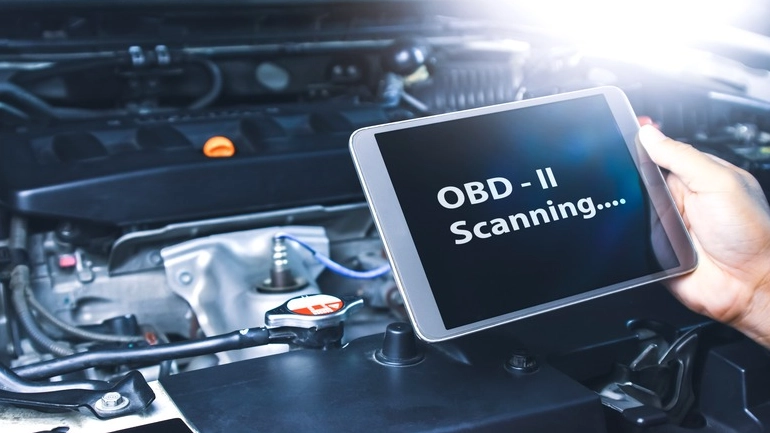
Your Questions, Answered by Experience
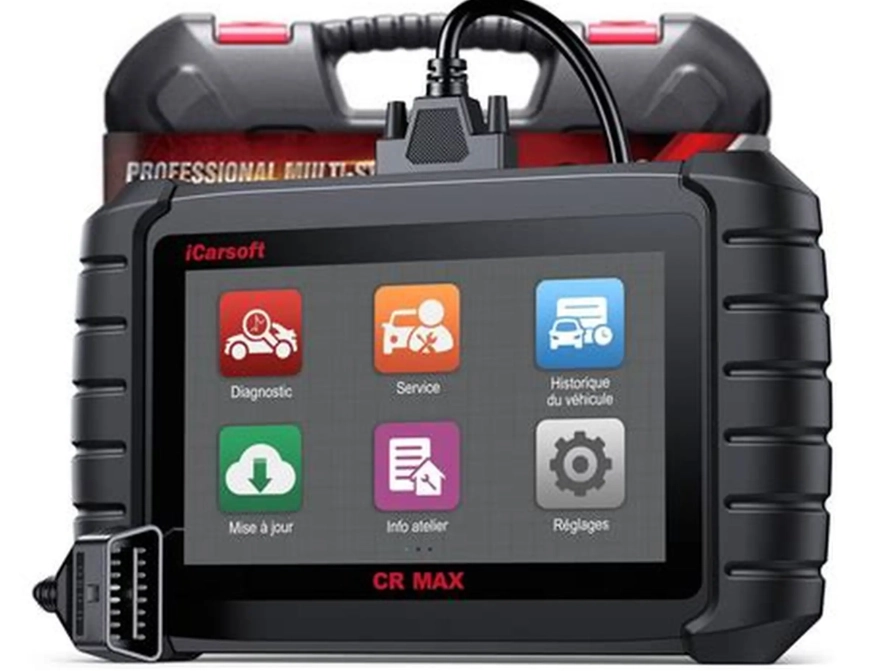 Can I use these tools to reset maintenance lights or recalibrate systems?
Mobile auto diagnostics demystify your car. They shift the balance of power from purely reactive fear to proactive understanding. That orange light becomes a prompt to investigate, not a source of dread.
Start with a solid mid-range adapter, a reputable app, and a curious mind. You'll not only save money, but you'll also develop a deeper connection with the machine you depend on every day. And that's something no trip to the mechanic can ever provide.